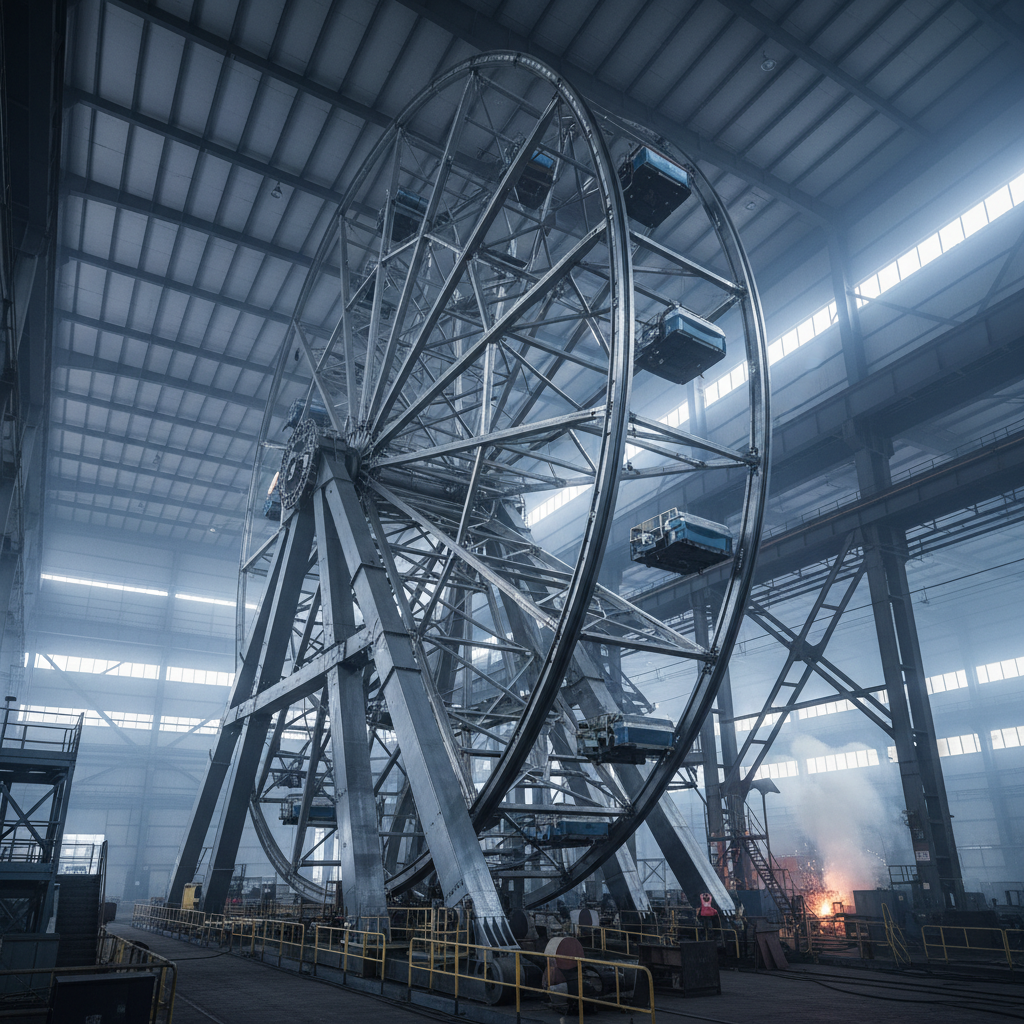
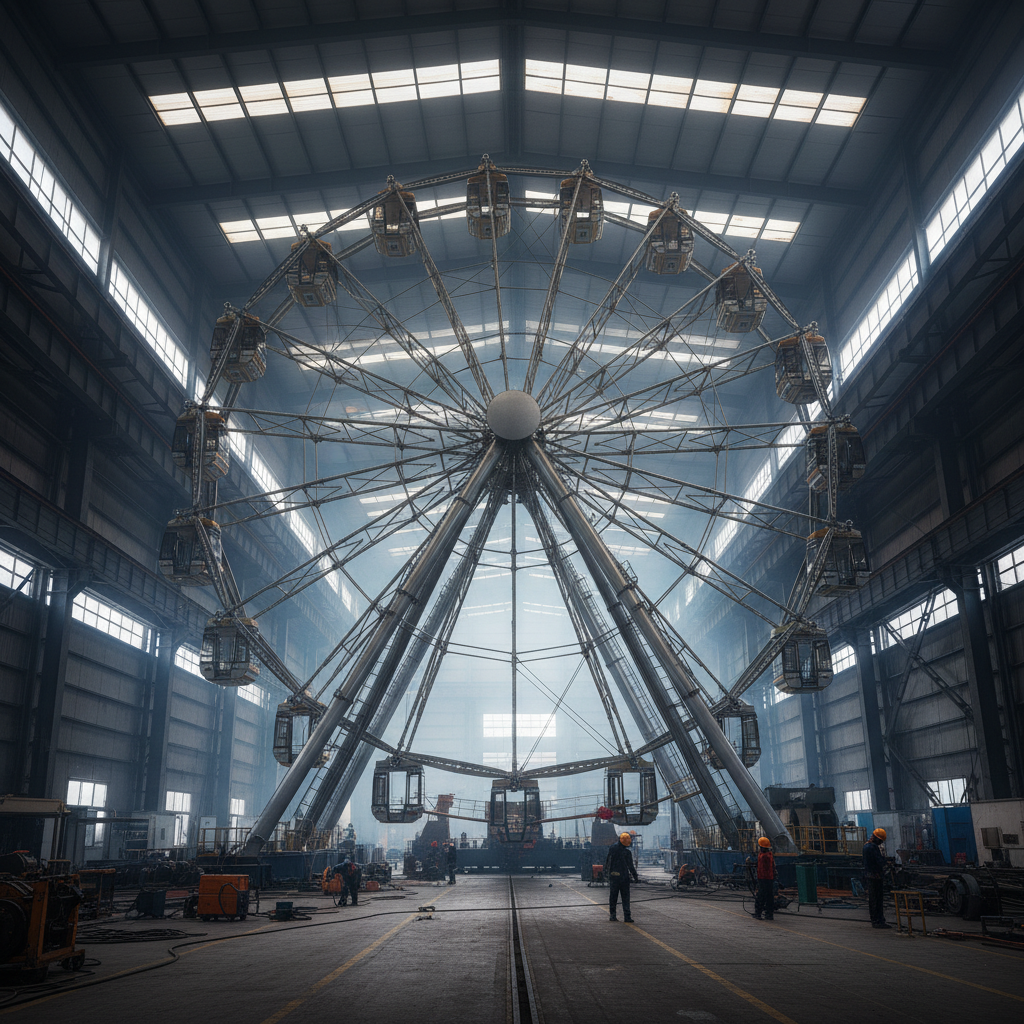
The allure of a Ferris wheel transcends mere amusement; it represents a symbol of joy, spectacle, and community. Understanding the cost to buy a ferris wheel is crucial for entrepreneurs, municipalities, and entertainment venues considering this iconic attraction. The financial implications extend beyond the initial purchase, encompassing installation, maintenance, and operational expenses. This knowledge empowers informed decision-making, maximizing return on investment and ensuring long-term success.
Globally, the demand for unique entertainment experiences continues to rise, fueling interest in large-scale attractions like Ferris wheels. From tourist hotspots to local fairs, these structures draw crowds and contribute significantly to local economies. The cost to buy a ferris wheel is a critical factor in project feasibility, impacting profitability and accessibility. Understanding these costs allows for better budgeting and potential financing options.
This exploration delves into the multifaceted cost to buy a ferris wheel, breaking down the key components and considerations. We’ll examine not only the upfront purchase price but also the associated costs of installation, transportation, safety features, and ongoing maintenance. This guide aims to provide a comprehensive understanding of the financial commitment involved, enabling potential buyers to make well-informed decisions.
The Factors Influencing the Cost of a Ferris Wheel
Several key factors directly impact the cost to buy a ferris wheel. Height is a primary driver, with taller structures requiring more materials, complex engineering, and robust support systems. The number of gondolas also plays a significant role, increasing both the manufacturing and maintenance expenses. Customization – including specialized lighting, themed cabins, or unique design elements – will invariably add to the overall price.
Furthermore, the manufacturer’s reputation and the quality of materials used substantially influence the final cost. Established manufacturers often charge a premium for their expertise and the reliability of their products. Choosing durable, high-grade materials, such as corrosion-resistant steel, is a long-term investment that can minimize future repair costs, impacting the overall cost to buy a ferris wheel over its lifespan.
Understanding Ferris Wheel Types and Associated Costs
Ferris wheels come in various types, each with its own price range. The traditional, fixed-position Ferris wheel is generally the most affordable option. Portable Ferris wheels, designed for easy transport and setup, tend to be less expensive than permanent structures but may have limitations in height and capacity. More advanced models, like enclosed, climate-controlled Ferris wheels, command significantly higher prices due to their sophisticated engineering and enhanced features.
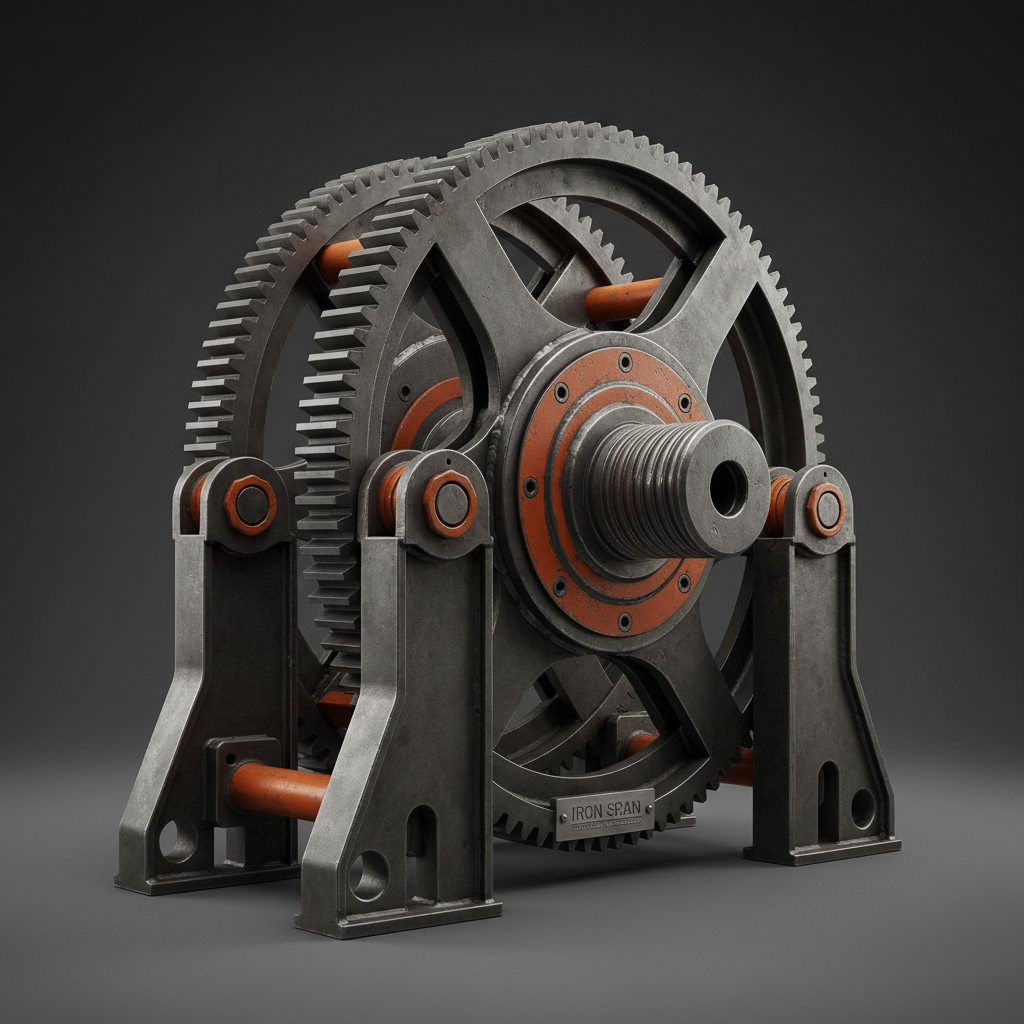
The cost to buy a ferris wheel also varies based on its mechanism. Chain-driven Ferris wheels are typically less expensive to manufacture and maintain, while gear-driven models offer smoother operation and greater reliability, resulting in a higher initial investment. The type of gondola – open-air, enclosed, or VIP cabins – also contributes to the overall expense.
Finally, specialized Ferris wheel designs, such as those with rotating gondolas or integrated entertainment systems, significantly increase the price point. Understanding these different types and their respective features is essential when evaluating the cost to buy a ferris wheel and determining the best fit for a specific location and budget.
Installation and Site Preparation Expenses
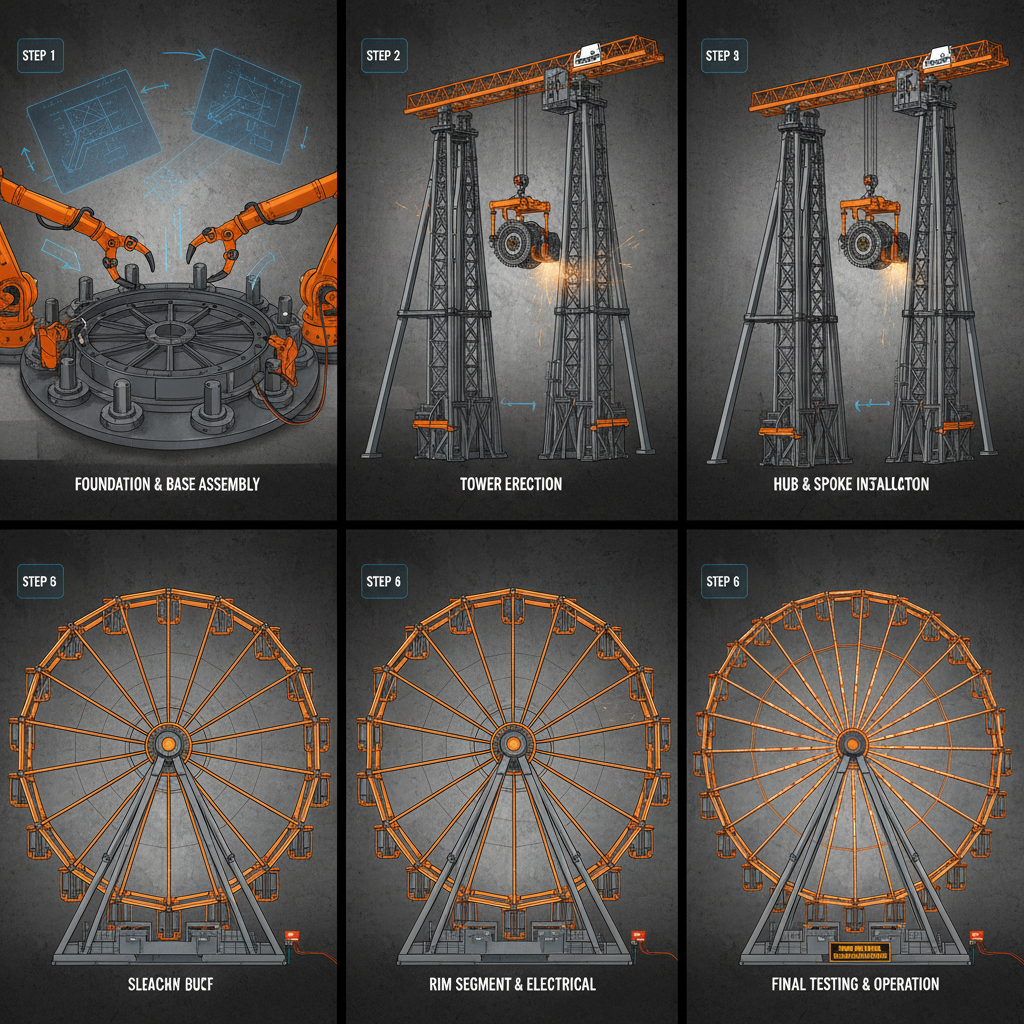
Installation represents a substantial portion of the overall cost to buy a ferris wheel. This includes transportation of the wheel components to the site, assembly by qualified technicians, and rigorous safety inspections. The complexity of the installation process depends on the wheel’s size, location, and the availability of necessary infrastructure.
Site preparation can also be a significant expense. This may involve leveling the ground, pouring a concrete foundation, installing electrical connections, and ensuring adequate drainage. Permitting and regulatory compliance also contribute to the overall cost. Unexpected site conditions, such as unstable soil or underground utilities, can necessitate additional work and increase expenses.
Geographical location significantly impacts installation costs. Remote locations may incur higher transportation expenses, while urban areas might require specialized equipment and logistical planning to navigate tight spaces and traffic congestion. The cost to buy a ferris wheel, therefore, needs to factor in these location-specific installation challenges.
Ongoing Maintenance and Operational Costs
Beyond the initial purchase and installation, ongoing maintenance and operational costs must be carefully considered. Regular inspections, lubrication, and component replacements are essential to ensure the Ferris wheel’s safety and reliability. These maintenance costs can vary depending on the wheel’s age, usage, and environmental conditions.
Operational expenses include electricity consumption, staffing costs (operators, technicians, and security personnel), insurance premiums, and ticketing system maintenance. The cost to buy a ferris wheel, in essence, is only the starting point of a long-term financial commitment.
Estimated Annual Operational Costs
Global Market Analysis of Ferris Wheel Pricing
The global market for Ferris wheels is competitive, with manufacturers based in Europe, Asia, and North America. Pricing varies significantly depending on the manufacturer, the wheel’s specifications, and the buyer’s location. Generally, Chinese manufacturers offer more competitive pricing, while European and North American manufacturers are known for their higher quality and advanced technology.
Demand for Ferris wheels is particularly strong in emerging economies, where tourism is growing and entertainment options are limited. The cost to buy a ferris wheel in these markets may be influenced by currency exchange rates and import duties. Market research and careful supplier selection are crucial to obtaining the best possible price.
The Economic Impact of Owning a Ferris Wheel
Owning a Ferris wheel can generate significant economic benefits for the surrounding area. It attracts tourists, increases foot traffic to local businesses, and creates employment opportunities. The revenue generated from ticket sales, concessions, and advertising can contribute to the wheel’s profitability and provide a return on investment.
Ferris wheels can also serve as a landmark and enhance the image of a city or resort. They can be integrated into larger entertainment complexes or used as a focal point for special events. The long-term economic impact of a Ferris wheel can extend far beyond its direct financial contributions.
Furthermore, the cost to buy a ferris wheel can be offset by various funding sources, including government grants, private investment, and sponsorship opportunities. A well-developed business plan and a clear understanding of the local market are essential for securing these funding sources.
Long-Term Value and Potential Return on Investment
The long-term value of a Ferris wheel extends beyond its immediate financial returns. A well-maintained Ferris wheel can operate for decades, providing a consistent source of revenue and attracting visitors year after year. It becomes a recognizable symbol of the location, fostering community pride and enhancing the overall tourist experience.
The potential return on investment (ROI) depends on several factors, including the wheel’s location, ticket prices, operating costs, and marketing efforts. A thorough financial analysis, taking into account all relevant costs and revenue streams, is essential for determining the feasibility of the investment. The initial cost to buy a ferris wheel is a significant consideration.
Investing in a high-quality Ferris wheel from a reputable manufacturer is crucial for maximizing its long-term value. A durable and reliable wheel will require less maintenance, minimize downtime, and provide a safer and more enjoyable experience for riders.
Analysis of Ferris Wheel Investment Factors
| Investment Factor |
Importance Level (1-10) |
Potential ROI Impact (1-10) |
Risk Assessment (1-10) |
| Location & Accessibility |
9 |
8 |
3 |
| Ferris Wheel Quality & Reliability |
10 |
9 |
2 |
| Operating & Maintenance Costs |
8 |
7 |
5 |
| Marketing & Promotion Strategies |
7 |
6 |
4 |
| Local Economic Conditions |
6 |
5 |
6 |
| Permitting & Regulatory Compliance |
7 |
4 |
7 |
FAQS
The average lifespan of a well-maintained Ferris wheel can range from 25 to 50 years, depending on the quality of construction, environmental factors, and the frequency of maintenance. Regular inspections, component replacements, and corrosion prevention measures are crucial for maximizing its longevity. Factors such as exposure to harsh weather conditions can shorten the lifespan if not adequately addressed. A comprehensive maintenance schedule is key to protecting your cost to buy a ferris wheel investment.
Ferris wheels must adhere to stringent safety standards and obtain certifications from accredited organizations. These typically include certifications from organizations like ASTM International and adherence to local and national safety regulations. Regular inspections by qualified engineers are mandatory to ensure compliance and maintain a safe operating environment. Certification proves the cost to buy a ferris wheel meets industry safety benchmarks.
The land area required for a Ferris wheel installation varies significantly depending on its height and design. A smaller, portable Ferris wheel might only need a footprint of 50-100 feet in diameter, while a larger, permanent structure can require several acres. Sufficient space must be allocated for the wheel itself, access ramps, queuing areas, and safety zones. Proper site assessment is vital to determine the necessary land area.
Common financing options for a Ferris wheel purchase include traditional bank loans, equipment leasing, and private investment. Government grants and tourism development funds may also be available in certain areas. Developing a detailed business plan that demonstrates the wheel’s potential for profitability is crucial for securing financing. Considering the entire cost to buy a ferris wheel, including operation, is key.
The lead time for delivery and installation of a Ferris wheel can vary from 6 to 18 months, depending on the manufacturer, the wheel’s complexity, and the location. Custom-designed wheels often require longer lead times. Thorough planning, including site preparation and permitting, is essential to minimize delays. Factors that affect the cost to buy a ferris wheel often impact timeline as well.
The environmental impact of a Ferris wheel primarily stems from its energy consumption. However, modern Ferris wheels are often designed with energy-efficient lighting and motors. Minimizing the wheel’s carbon footprint can involve utilizing renewable energy sources, implementing energy-saving practices, and responsible waste management. Sustainable operation demonstrates a commitment to minimizing the environmental cost of a cost to buy a ferris wheel.
Conclusion
In conclusion, the cost to buy a ferris wheel represents a significant investment with multifaceted considerations. From initial purchase price and installation expenses to ongoing maintenance and operational costs, a comprehensive understanding of these factors is crucial for informed decision-making. Careful planning, meticulous site preparation, and a commitment to safety are essential for maximizing the long-term value and return on investment.
As the demand for unique entertainment experiences continues to grow, a Ferris wheel can be a transformative addition to any location. By carefully evaluating the financial implications and prioritizing quality and sustainability, potential buyers can unlock the economic and social benefits of this iconic attraction. Visit our website at www.zprollercoaster.com to explore your options and begin planning your Ferris wheel project today.