The ferris wheel, a towering symbol of amusement and engineering, has captivated people for generations. From its humble beginnings at the 1893 Chicago World’s Fair, the ferris wheel has evolved into a globally recognized icon of leisure and spectacle. Beyond its entertainment value, the design principles inherent in the ferris wheel – robust structures, efficient rotation, and passenger safety – translate remarkably well into diverse applications, impacting sectors from infrastructure development to renewable energy.
Globally, approximately 200 million people ride ferris wheels annually, generating billions in revenue for the entertainment industry. The success and enduring popularity of the ferris wheel demonstrate a universal desire for unique perspectives and shared experiences. This fascination extends beyond mere recreation; the core mechanics of circular motion and load distribution found in the ferris wheel inspire innovation in other fields.
Understanding the engineering and logistical aspects of a ferris wheel provides valuable insights into structural integrity, safety protocols, and the optimization of rotating systems. These learnings are transferable to the design of wind turbines, large-scale cranes, and even advanced robotics, showcasing the ferris wheel’s surprisingly broad influence.
The Historical Development of the ferris wheel
The original ferris wheel, designed by George Washington Gale Ferris Jr. for the 1893 Chicago World’s Fair, was a marvel of 19th-century engineering. Standing at 264 feet tall, it offered breathtaking views of the Chicago skyline and Lake Michigan. This initial design established the core principles of the modern ferris wheel – a large rotating structure with passenger-carrying cabins.
Following the success of the 1893 ferris wheel, variations began to appear at fairs and amusement parks worldwide. While the original wheel was dismantled after the fair, its legacy spurred further innovation. Throughout the 20th and 21st centuries, advancements in materials science and engineering have led to increasingly larger, faster, and safer ferris wheels, solidifying its status as a popular attraction.
Core Engineering Principles of the ferris wheel
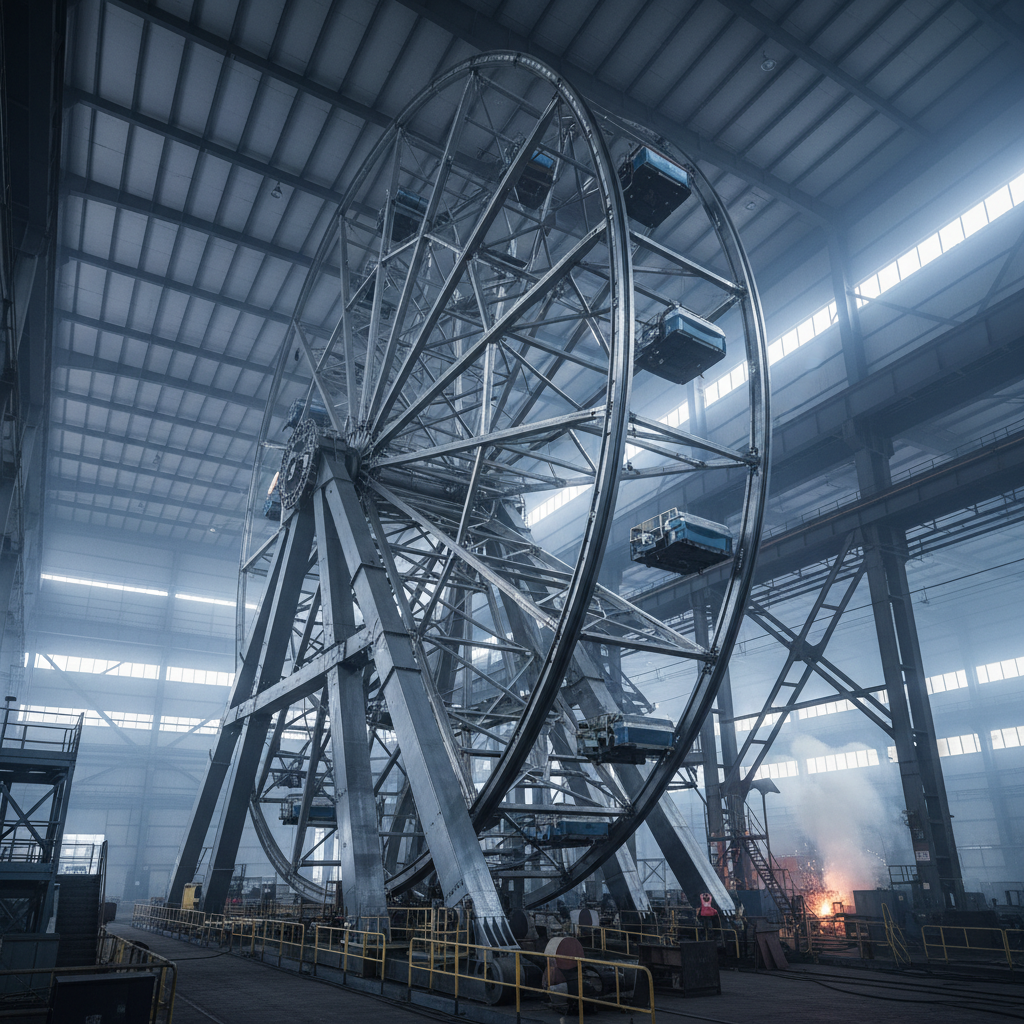
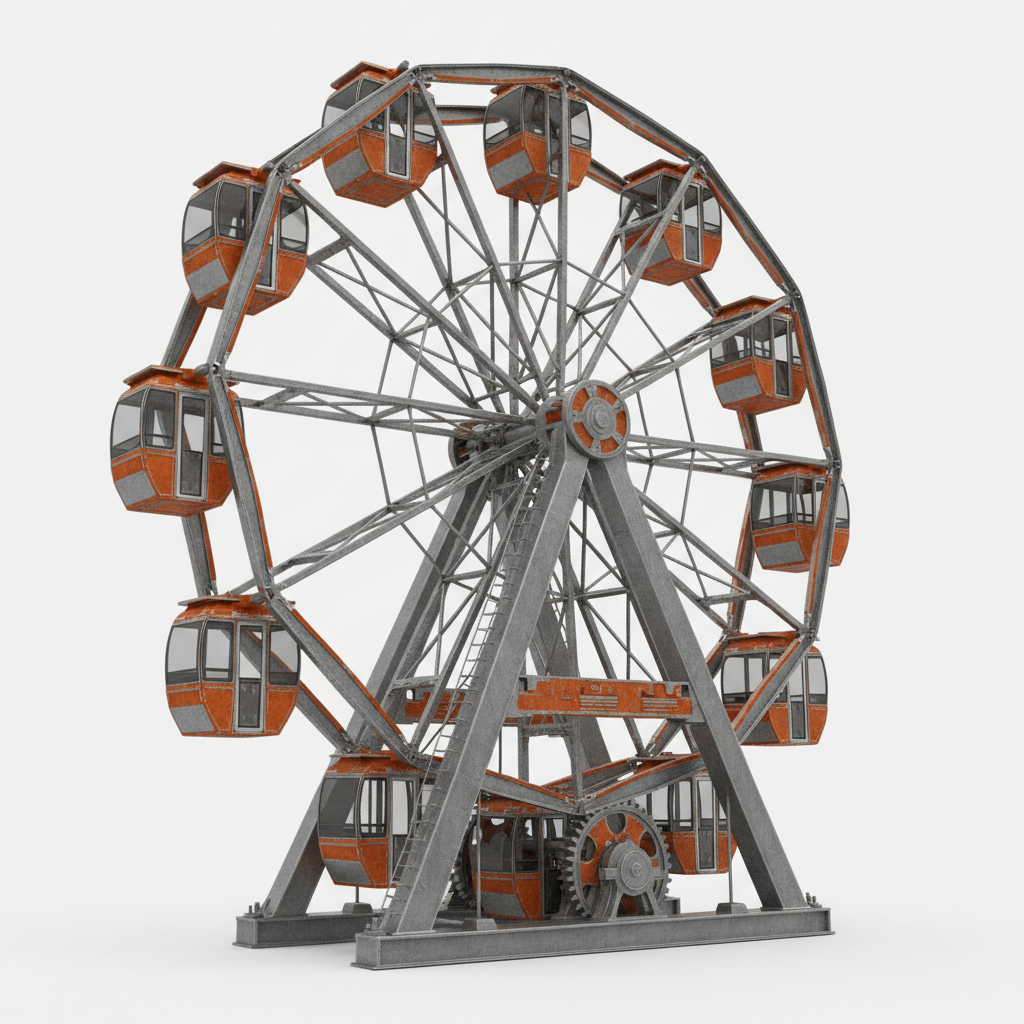
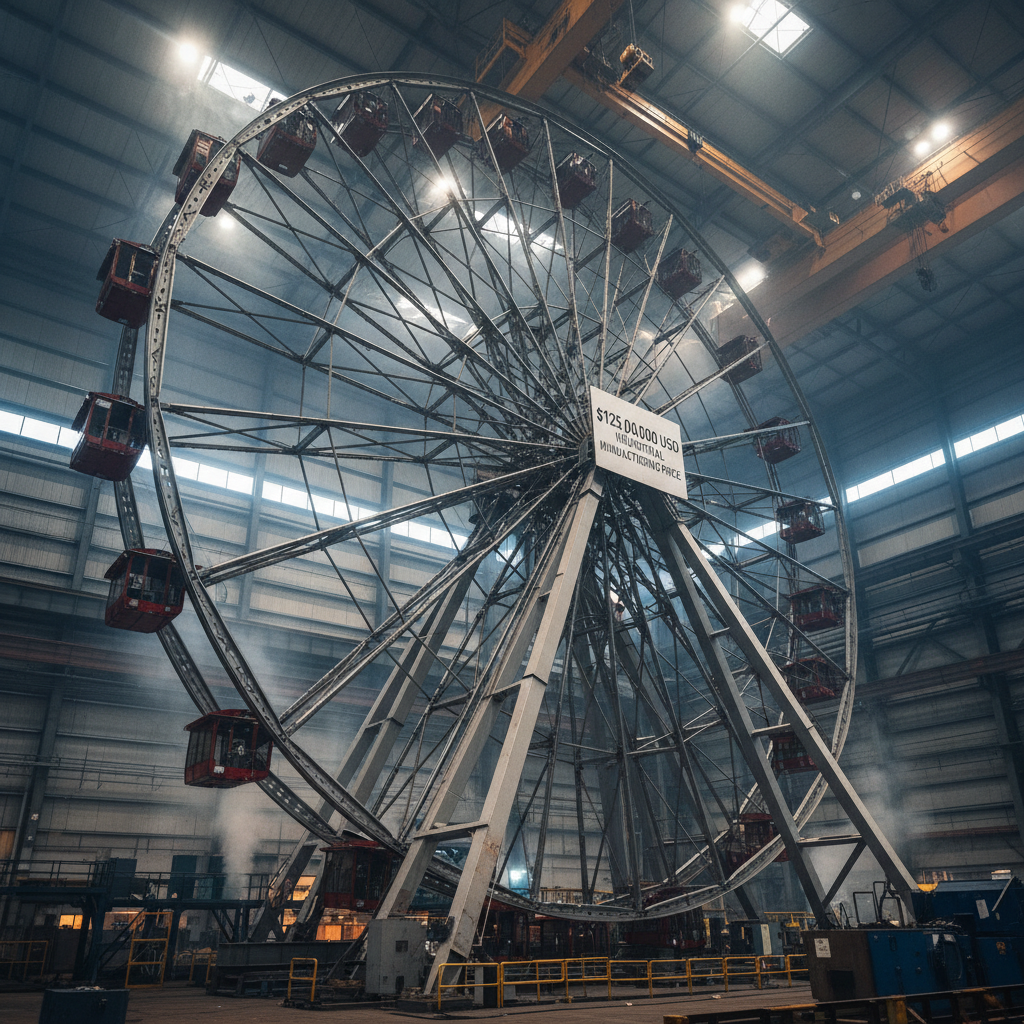
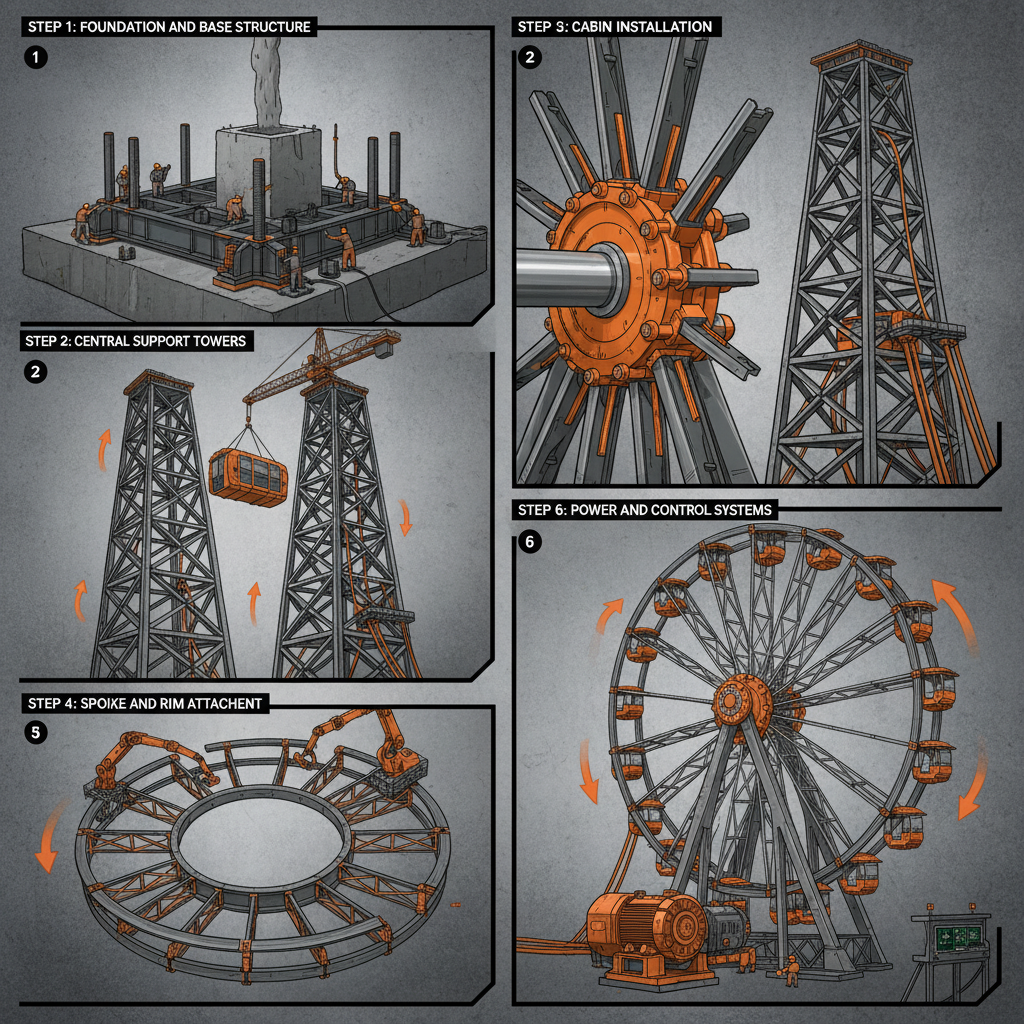
At its heart, the ferris wheel relies on a carefully balanced system of rotational mechanics and structural support. The central axle, often constructed from high-strength steel, bears the entire weight of the wheel and its passengers. The spokes radiating from the axle distribute the load, while the rim supports the passenger cabins. Precise calculations of weight distribution and stress analysis are crucial for ensuring structural integrity.
The efficient and smooth rotation is achieved through a motor and gearbox system, often employing variable frequency drives to control speed and acceleration. Safety is paramount, with multiple braking systems and redundant structural components designed to prevent catastrophic failure. Regular inspections and maintenance are vital for upholding these safety standards.
The fundamental principle of maintaining a stable center of gravity is key. As passengers shift within the cabins, the wheel’s balance must be constantly adjusted, a function typically managed by sophisticated control systems and counterweights. This dynamic equilibrium is what allows the ferris wheel to operate smoothly and safely.
Materials and Construction Techniques for the ferris wheel
Historically, ferris wheels were primarily constructed from steel, leveraging its strength and durability. However, modern designs are increasingly incorporating advanced materials such as high-strength alloys and composite materials to reduce weight and increase lifespan. These materials offer improved corrosion resistance and require less maintenance.
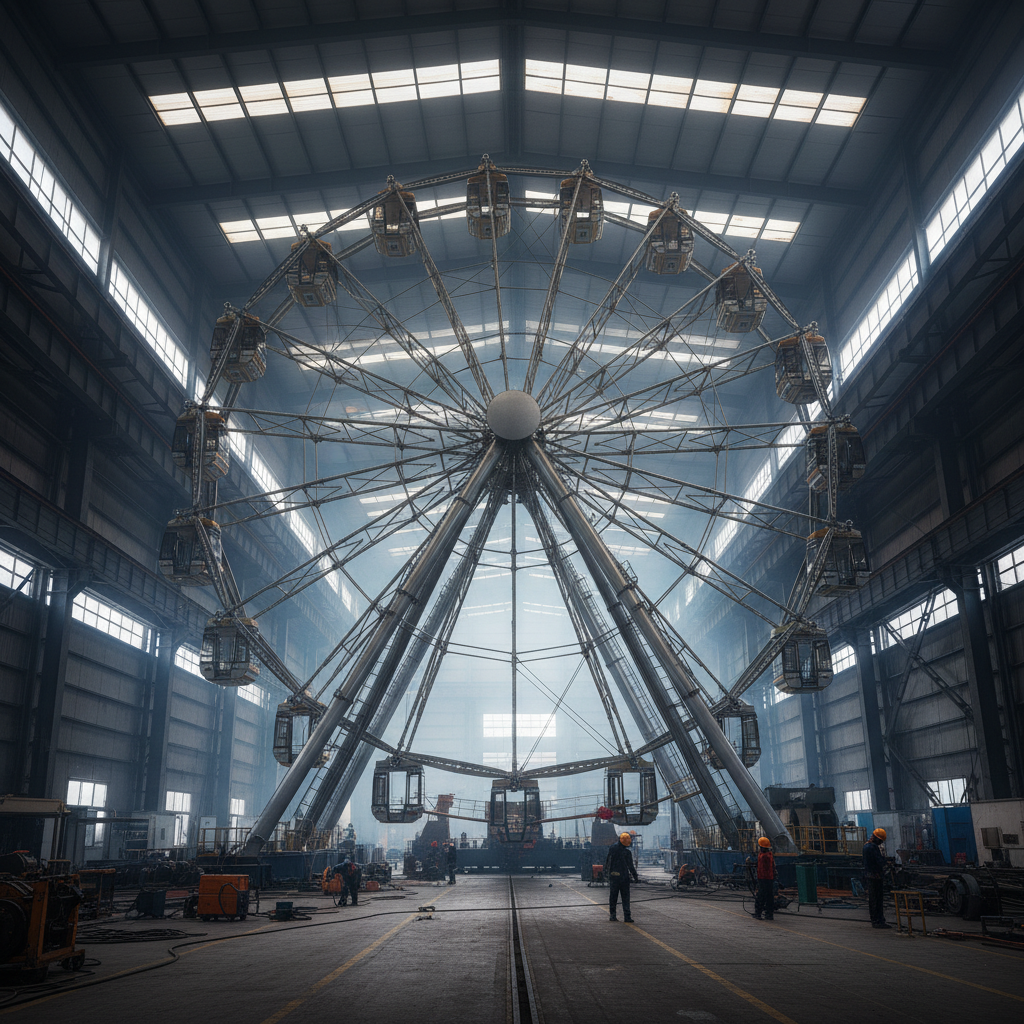
Construction techniques involve precise welding, bolting, and riveting processes to assemble the massive steel framework. Prefabrication of components is common, allowing for faster on-site assembly. Advanced non-destructive testing methods, such as ultrasonic inspection and radiographic testing, are employed to ensure the integrity of welds and identify potential flaws.
The cabins themselves are typically constructed from lightweight, durable materials like fiberglass or aluminum, often incorporating acrylic windows for panoramic views. Modern ferris wheel cabins often feature climate control systems and entertainment features to enhance the passenger experience.
Performance Metrics and Safety Standards of the ferris wheel
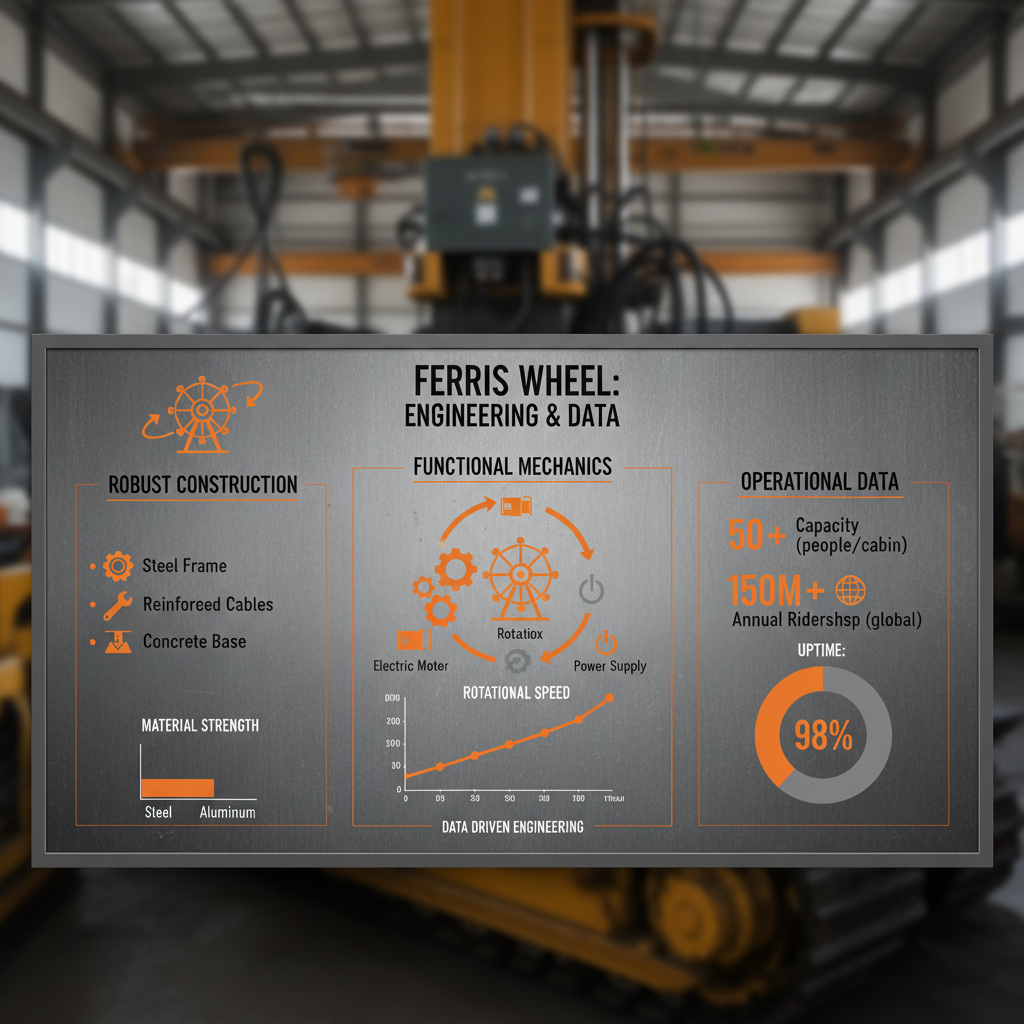
Several key performance metrics are used to evaluate the efficiency and safety of a ferris wheel. These include rotational speed, passenger capacity, maximum wind resistance, and the safety factor of structural components. Regular monitoring of these metrics is essential for maintaining optimal performance and identifying potential issues.
Safety standards for ferris wheels are governed by international organizations like the International Organization for Standardization (ISO) and national regulatory bodies. These standards cover design, construction, operation, and maintenance, ensuring that ferris wheels meet rigorous safety requirements. Independent inspections and certifications are often required before a ferris wheel can be operated.
the ferris wheel Performance Comparison
Global Distribution and Popularity of the ferris wheel
Ferris wheels are found in amusement parks, theme parks, and city centers across the globe. Major cities like London (London Eye), Las Vegas (High Roller), and Beijing (Beijing Chaoyang Park Ferris Wheel) boast some of the world’s tallest and most iconic ferris wheels, attracting millions of tourists annually.
The popularity of the ferris wheel transcends cultural boundaries. From Europe and North America to Asia and the Middle East, the attraction provides a unique and memorable experience for people of all ages. The appeal lies in the combination of stunning views, gentle motion, and a sense of shared excitement.
Economic Impact and Sustainability of the ferris wheel
The construction and operation of a ferris wheel generate significant economic benefits. These include job creation in manufacturing, construction, and tourism, as well as increased revenue for local businesses. Large-scale ferris wheels can become iconic landmarks, boosting a city’s profile and attracting investment.
Sustainability is becoming an increasingly important consideration in ferris wheel design and operation. Energy-efficient motors, LED lighting, and the use of recycled materials can reduce the environmental footprint. Some modern ferris wheels are even powered by renewable energy sources, further enhancing their sustainability.
The long-term economic viability of a ferris wheel depends on careful planning, efficient operations, and ongoing maintenance. Adapting to changing customer preferences and offering innovative experiences are crucial for maintaining its appeal and maximizing its economic impact.
Future Innovations in the ferris wheel Design
The future of the ferris wheel promises exciting innovations. Concepts are being explored for enclosed, climate-controlled cabins, offering year-round comfort and enhanced viewing experiences. Virtual reality and augmented reality integration could transform the ride into an immersive and interactive adventure.
Advanced materials and engineering techniques will enable the construction of even taller and more structurally efficient ferris wheels. Self-powered ferris wheels, utilizing renewable energy sources like solar and wind power, are also under development, aiming to minimize environmental impact.
Furthermore, the integration of smart technologies, such as predictive maintenance systems and real-time passenger monitoring, will enhance safety and operational efficiency. These advancements will ensure that the ferris wheel remains a captivating and sustainable attraction for generations to come.
Summary of Future Ferris Wheel Design Innovations
| Innovation Category |
Technology Applied |
Expected Benefit |
Implementation Timeline |
| Cabin Enhancement |
Climate Control & VR Integration |
Increased Comfort & Immersive Experience |
Short-Term (1-3 years) |
| Structural Engineering |
Advanced Composite Materials |
Reduced Weight & Increased Height |
Medium-Term (3-7 years) |
| Energy Efficiency |
Solar & Wind Power Integration |
Reduced Carbon Footprint |
Medium-Term (5-10 years) |
| Operational Control |
Predictive Maintenance Systems |
Enhanced Safety & Reduced Downtime |
Short-Term (1-3 years) |
| Passenger Experience |
Real-Time Passenger Monitoring |
Improved Safety & Personalized Services |
Medium-Term (3-5 years) |
| Structural Design |
Biomimicry and Adaptive Structures |
Increased Resilience and Stability |
Long-Term (10+ years) |
FAQS
Modern ferris wheels employ a multitude of safety features. These include multiple independent braking systems, redundant structural supports, sophisticated sensor networks for monitoring stress and load, and automated shutdown mechanisms in the event of adverse conditions like high winds. Regular, rigorous inspections are also crucial, adhering to stringent international safety standards, ensuring passenger safety at all times. Cabin doors also feature multiple locking mechanisms and emergency release systems.
Weight distribution is absolutely critical for the stable operation of a ferris wheel. Engineers meticulously calculate the center of gravity to ensure it remains balanced throughout the rotation. Uneven distribution can lead to excessive stress on specific components and potentially compromise structural integrity. Control systems and counterweights actively compensate for passenger movement to maintain equilibrium, even as individual cabin loads shift dynamically.
Ferris wheel cabins are commonly constructed from materials that balance strength, lightness, and transparency. Fiberglass is a popular choice for its durability and moldability. Aluminum alloys are used for framing due to their high strength-to-weight ratio. Acrylic or laminated glass provides panoramic views while ensuring passenger safety. Increasingly, composite materials are also being used to further reduce weight and improve structural performance.
Regular maintenance is vital for the long-term reliability of a ferris wheel. This includes daily visual inspections, lubrication of moving parts, periodic tightening of bolts and fasteners, non-destructive testing of welds, and annual comprehensive inspections of structural components. Replacing worn parts promptly, monitoring sensor data for anomalies, and adhering to a strict preventative maintenance schedule are all essential practices.
Wind conditions are a major factor in ferris wheel operation and safety. High winds can exert significant force on the structure, potentially exceeding its design limits. Ferris wheels are typically equipped with anemometers to monitor wind speed, and automated shutdown systems will halt operation if winds exceed a pre-defined threshold. The structural design incorporates wind resistance measures, and regular inspections assess the integrity of the structure in windy conditions.
Automation plays an increasingly significant role in modern ferris wheel operation. Automated control systems manage the speed and acceleration of the wheel, monitor passenger loading and unloading, and provide real-time feedback on system performance. Automated safety systems, such as wind shutdown and emergency braking, enhance passenger safety. Remote monitoring and diagnostic capabilities allow for proactive maintenance and reduce downtime.
Conclusion
The ferris wheel stands as a testament to human ingenuity and our enduring fascination with perspective and experience. From its historical origins as a daring engineering feat to its modern evolution incorporating advanced materials and technology, the ferris wheel continues to captivate audiences worldwide. Its principles extend far beyond entertainment, influencing design in diverse fields like renewable energy and structural engineering.
Looking ahead, ongoing innovations promise even more exhilarating and sustainable ferris wheel experiences. By embracing new materials, integrating smart technologies, and prioritizing safety, we can ensure that the ferris wheel remains a beloved landmark for generations to come. To learn more about the latest in ferris wheel technology and design, visit our website: the ferris wheel.