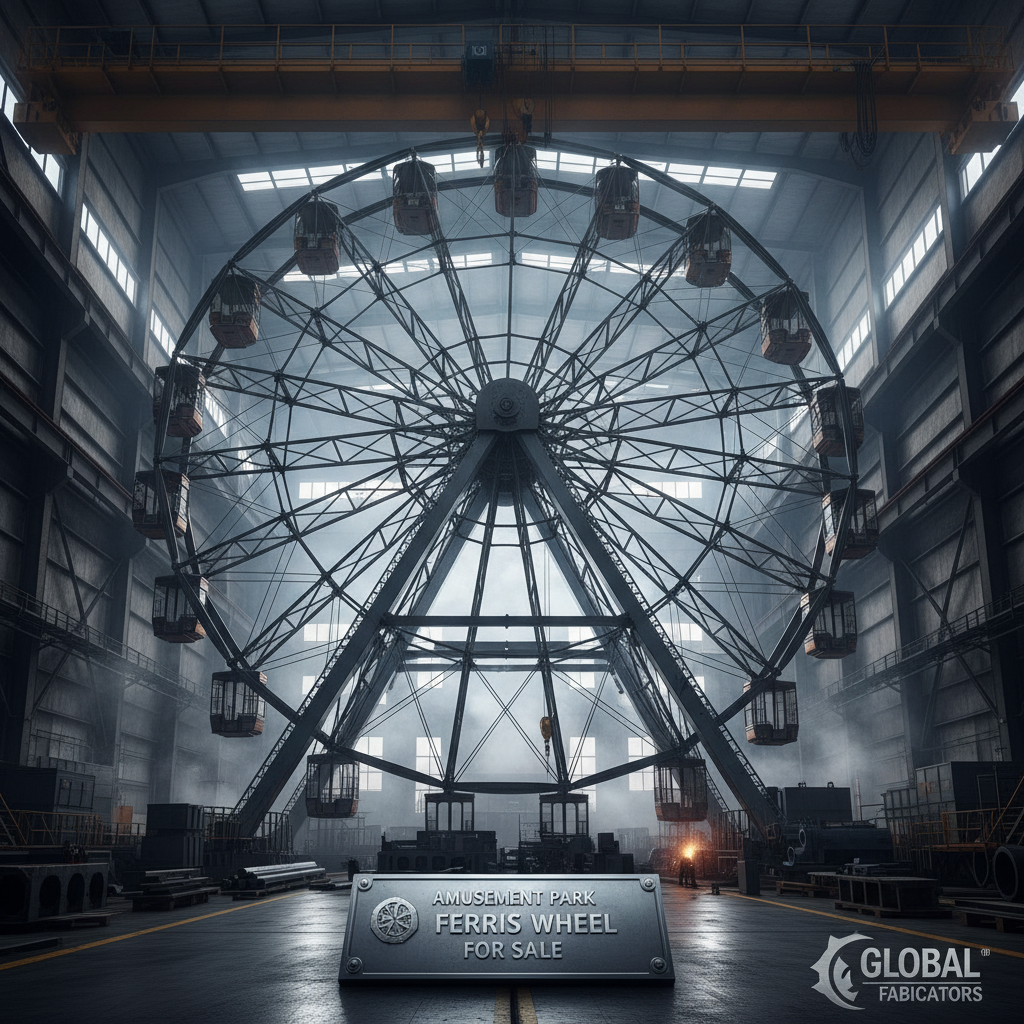
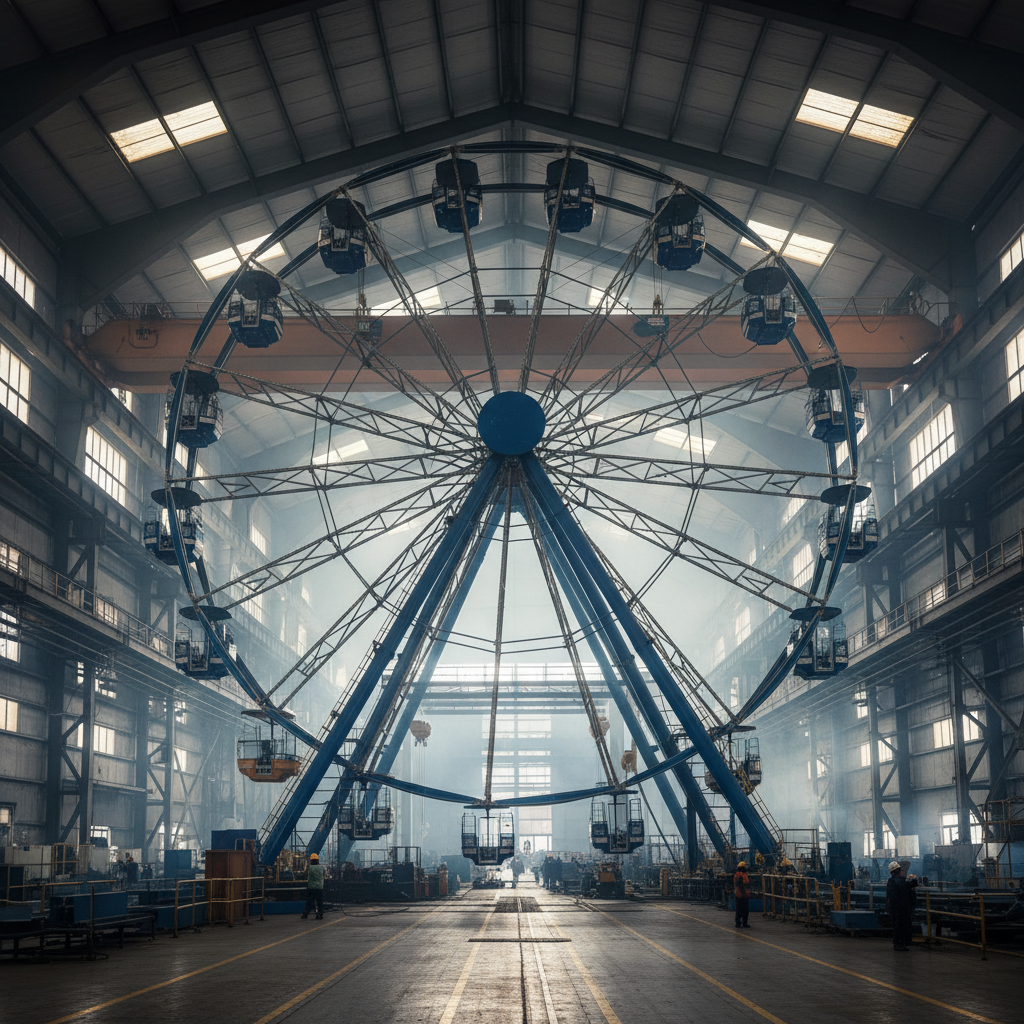
The price of a ferris wheel, often seen as a symbol of amusement and leisure, represents a significant investment with complexities beyond just the initial cost. Understanding the factors influencing this price is crucial for entrepreneurs, event organizers, and municipalities alike. From the basic mechanical components to the land acquisition and ongoing maintenance, a ferris wheel's overall financial footprint requires thorough consideration. This exploration dives into the various elements that contribute to the price of a ferris wheel, providing insights into making informed decisions.
Globally, the demand for amusement park attractions and temporary event installations featuring ferris wheels continues to rise, driven by tourism and the desire for unique experiences. The market for these attractions is estimated to be worth billions annually, with Asia-Pacific leading in growth. However, navigating the supply chain, import regulations, and varying safety standards across different countries presents challenges. Properly evaluating the price of a ferris wheel necessitates an understanding of these global dynamics.
Ultimately, a well-informed assessment of the price of a ferris wheel allows for accurate budgeting, optimal return on investment, and the creation of memorable experiences for riders. It's not merely a purchase but a strategic undertaking that impacts local economies, tourism sectors, and the overall entertainment landscape.
Understanding the Core Components of a Ferris Wheel's Price
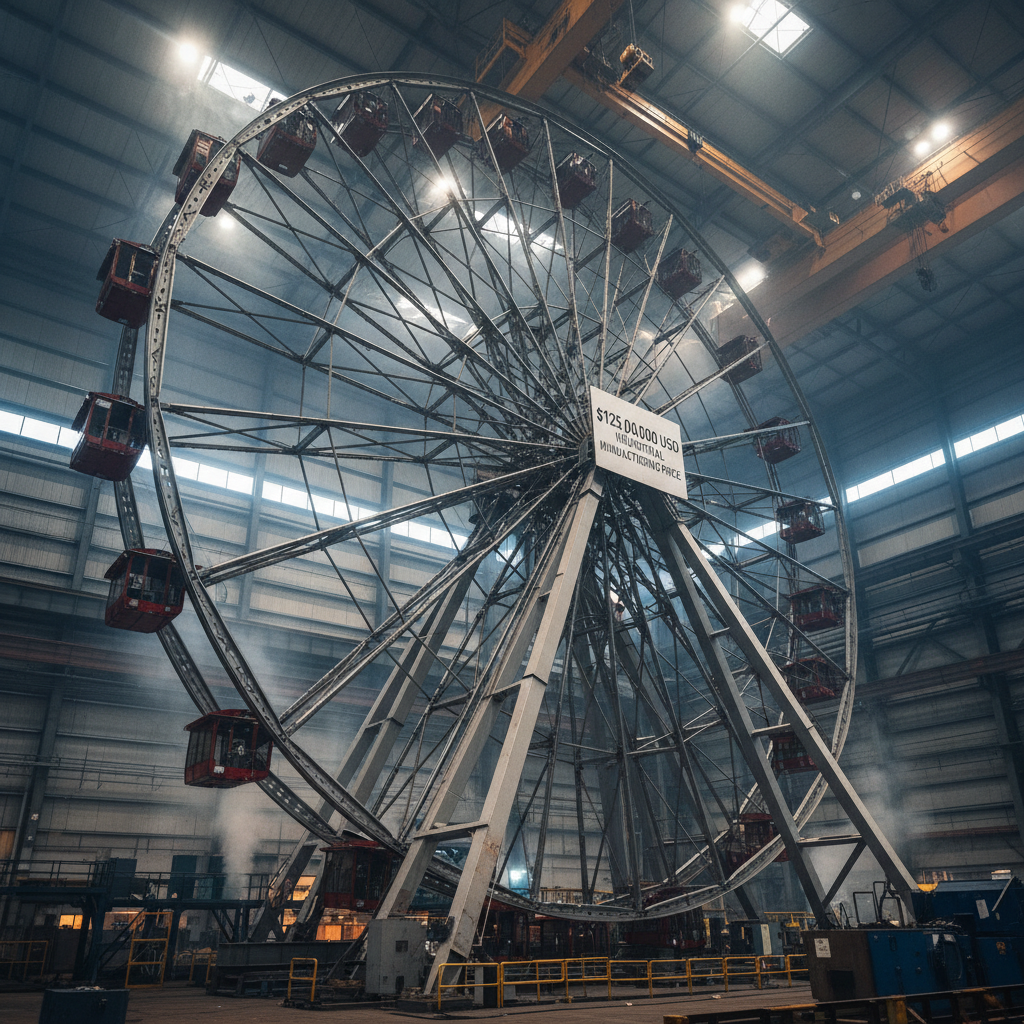
The price of a ferris wheel is not a single figure but rather the sum of numerous interconnected components. These include the structural steel used for the wheel's framework, the gondolas or passenger cabins, the drive system (motors, gears, and brakes), the electrical components, and the control system. The quality of these components, and the materials they're made from, significantly impact the overall cost.
Furthermore, essential safety features, like emergency stop mechanisms, redundant braking systems, and lighting, add to the expenses. Beyond the physical components, design and engineering fees, specialized fabrication, and rigorous testing contribute to the final price tag of a ferris wheel.
Factors Influencing the Price of a Ferris Wheel
Several external factors beyond the core components influence the price of a ferris wheel. Manufacturing costs, including labor and materials, fluctuate based on global economic conditions. Transportation costs, which can be substantial given the size and weight of a ferris wheel, are also a significant factor. Import duties and taxes vary widely depending on the destination country.
Exchange rates play a critical role, especially when purchasing from manufacturers in different currencies. Additionally, the complexity of the installation process, including site preparation, foundation work, and assembly, contributes significantly to the total cost. Highly specialized installation crews and equipment add to these expenses.
Finally, compliance with local safety regulations and permitting requirements can also add to the price, as these often necessitate specialized engineering assessments and certifications. Understanding these factors is key when evaluating the price of a ferris wheel.
The Impact of Size and Capacity on Price
The size and passenger capacity of a ferris wheel are primary determinants of its price. Smaller, portable ferris wheels with limited capacity are significantly less expensive than larger, permanent installations. A small, 36-foot tall wheel with 24 gondolas will have a drastically different price point compared to a 200-foot tall wheel designed to accommodate hundreds of passengers.
Generally, the price increases exponentially with size. This is because larger wheels require more steel, a more robust drive system, more sophisticated control systems, and more extensive foundations. The increased structural demands necessitate more complex engineering and fabrication processes.
Capacity also influences price as it affects the size and number of gondolas, the strength of the wheel's structure, and the capacity of the drive system. High-capacity wheels are designed for quick passenger turnover and require more powerful motors and efficient loading/unloading systems, all contributing to a higher price.
Price Variations Based on Manufacturing Location
The geographical location of the ferris wheel manufacturer plays a significant role in determining the price. Manufacturers in countries with lower labor costs, such as China, often offer more competitive pricing compared to those in Western Europe or North America. However, these lower prices may be offset by higher shipping costs and potential quality control concerns.
Manufacturers in developed countries typically adhere to stricter safety standards and quality control measures, which can justify a higher price. Furthermore, proximity to the customer can reduce shipping costs and lead times. The price of a ferris wheel also varies depending on the manufacturer’s brand reputation and specialization.
Price of a Ferris Wheel by Manufacturing Method
Global Applications and the Price of a Ferris Wheel
Ferris wheels are deployed in a wide array of global settings, influencing price variations based on logistical complexities and regional demands. Permanent installations are common in major amusement parks across North America, Europe, and Asia, while temporary installations feature prominently in festivals, fairs, and events worldwide.
In emerging markets, where demand for entertainment is growing rapidly, the price of a ferris wheel must be balanced against local economic conditions and purchasing power. In regions with challenging infrastructure, transportation and installation costs can increase dramatically.
Long-Term Value and Cost Considerations
While the initial price of a ferris wheel is a significant investment, it's crucial to consider long-term value and associated costs. Ongoing maintenance, including regular inspections, lubrication, and component replacements, represent a substantial expense over the wheel's lifespan.
The cost of operating the wheel, including electricity, staffing, and insurance, also contributes to the total cost of ownership. A well-maintained ferris wheel can operate safely and efficiently for decades, generating a substantial return on investment, but neglecting maintenance can lead to costly repairs and potential safety hazards.
Furthermore, consider potential revenue streams, such as ticket sales, advertising opportunities, and special event rentals, which can offset the initial investment and ongoing expenses.
A Comparative Analysis of Different Ferris Wheel Models & Price Points
The price of a ferris wheel varies greatly depending on the model and specifications. Smaller, portable wheels designed for traveling carnivals typically range from $50,000 to $200,000. Mid-sized wheels, suitable for smaller amusement parks or permanent installations in urban areas, can cost between $300,000 and $1 million.
Large-scale, iconic ferris wheels, like the High Roller in Las Vegas, can command prices exceeding $10 million. These high-end models often feature luxury gondolas, advanced lighting systems, and sophisticated control technology. Factors such as the level of automation, the materials used, and the manufacturer's reputation all contribute to the price differential.
Detailed analysis reveals that specialized features like enclosed, climate-controlled gondolas, or wheels designed for high wind resistance, will inevitably increase the price of a ferris wheel. Understanding these distinctions is vital for making an informed investment.
Comparative Analysis of Key Ferris Wheel Attributes
| Model Type |
Typical Height (Feet) |
Passenger Capacity |
Estimated Price Range (USD) |
| Portable Carnival Wheel |
60-100 |
24-48 |
$50,000 - $200,000 |
| Mid-Size Park Wheel |
100-150 |
48-72 |
$300,000 - $800,000 |
| Large Observation Wheel |
150-250 |
72-144 |
$800,000 - $3,000,000 |
| Premium Luxury Wheel |
200+ |
100+ |
$3,000,000 - $10,000,000+ |
| High-Speed Observation Wheel |
180-220 |
80-120 |
$4,000,000 - $7,000,000 |
| Enclosed Climate Controlled Wheel |
120-180 |
60-90 |
$600,000 - $2,500,000 |
FAQS
Beyond the initial purchase price, hidden costs for a ferris wheel include site preparation, foundation construction, transportation, installation, permits and inspections, operator training, insurance, ongoing maintenance (parts, labor), and potential upgrades. Budgeting at least 15-20% of the purchase price for these hidden expenses is recommended to avoid unforeseen financial burdens. Don't forget to factor in annual inspection costs to maintain safety compliance.
Installation time varies dramatically based on the wheel's size and complexity. A small, portable wheel might take a day or two to set up, while a large, permanent installation can take several weeks or even months. This includes foundation preparation, component assembly, electrical connections, safety inspections, and operator training. Weather conditions can also significantly impact the timeline.
Safety certifications vary by location, but generally include compliance with ASTM International standards (especially F24), as well as local and national regulations for amusement rides. Inspections are typically required by qualified engineers and regulatory bodies to ensure adherence to safety protocols. Regular inspections and maintenance are crucial for continued operation.
With proper maintenance, a well-constructed ferris wheel can have a lifespan of 30-50 years or even longer. Regular inspections, lubrication, and timely replacement of worn components are essential for maximizing its lifespan. Factors like usage frequency, environmental conditions, and the quality of initial construction all play a role.
Location significantly impacts the price. Remote locations will incur higher transportation costs. Sites requiring extensive ground preparation or foundation work will add to installation expenses. Areas with strict building codes or permitting processes may also increase the overall project cost. Accessibility for delivery and assembly is a crucial factor.
Yes, financing options are available for ferris wheel purchases. Many manufacturers offer financing plans directly, and specialized equipment financing companies can also provide loans. Interest rates and terms will vary based on your creditworthiness, the size of the purchase, and the overall economic climate. Leasing options are also sometimes available.
Conclusion
Understanding the price of a ferris wheel is a multifaceted undertaking, extending far beyond the initial purchase figure. As we've explored, myriad factors – from core component quality and manufacturing location, to installation complexities and long-term maintenance – all contribute to the total cost. A thorough assessment of these elements is crucial for making a sound investment and ensuring a successful operation.
Looking ahead, advancements in materials science and automation are poised to influence the price and efficiency of ferris wheel manufacturing and operation. Investing in modern, well-engineered ferris wheels, coupled with a proactive maintenance strategy, will not only ensure passenger safety but also maximize the long-term return on investment. For more information or to explore available options, visit our website: price of a ferris wheel.