The mesmerizing spectacle of an amusement park ferris wheel is a global icon, evoking feelings of joy, wonder, and a touch of nostalgia. More than just a thrilling ride, the ferris wheel represents engineering ingenuity and the enduring human desire for breathtaking views. From the grand observation wheels dominating modern city skylines to the charming, classic models found in local fairs, these rotating structures offer a unique perspective on the world below. Understanding the design, construction, and impact of the amusement park ferris wheel is crucial for appreciating its ongoing evolution and significance in the entertainment industry.
Globally, the amusement park ferris wheel industry is a multi-billion dollar market, consistently attracting millions of visitors each year. According to the International Association of Amusement Parks and Attractions (IAAPA), attendance at amusement parks worldwide continues to rise, with major rides like the ferris wheel acting as key attractions. The evolution of these structures reflects advancements in materials science, safety regulations, and visitor experience. However, challenges remain in balancing innovation with cost-effectiveness and environmental sustainability.
The increasing demand for unique and memorable experiences fuels the ongoing development of larger, more technologically advanced ferris wheels, demonstrating their enduring appeal in a competitive entertainment landscape.
The Historical Development of amusement park ferris wheel
The story of the amusement park ferris wheel began with George Washington Gale Ferris Jr., who designed the original Ferris wheel for the 1893 World's Columbian Exposition in Chicago. This groundbreaking structure, standing at 264 feet tall, was intended as a rival to the Eiffel Tower and quickly became the fair's most popular attraction.
Following the success of the Chicago Ferris wheel, smaller, portable versions began appearing at fairs and carnivals worldwide. The 20th and 21st centuries have witnessed a continual evolution, with advancements in engineering leading to larger, more sophisticated, and safer models – including the High Roller in Las Vegas and the London Eye.
Core Engineering Principles of amusement park ferris wheel
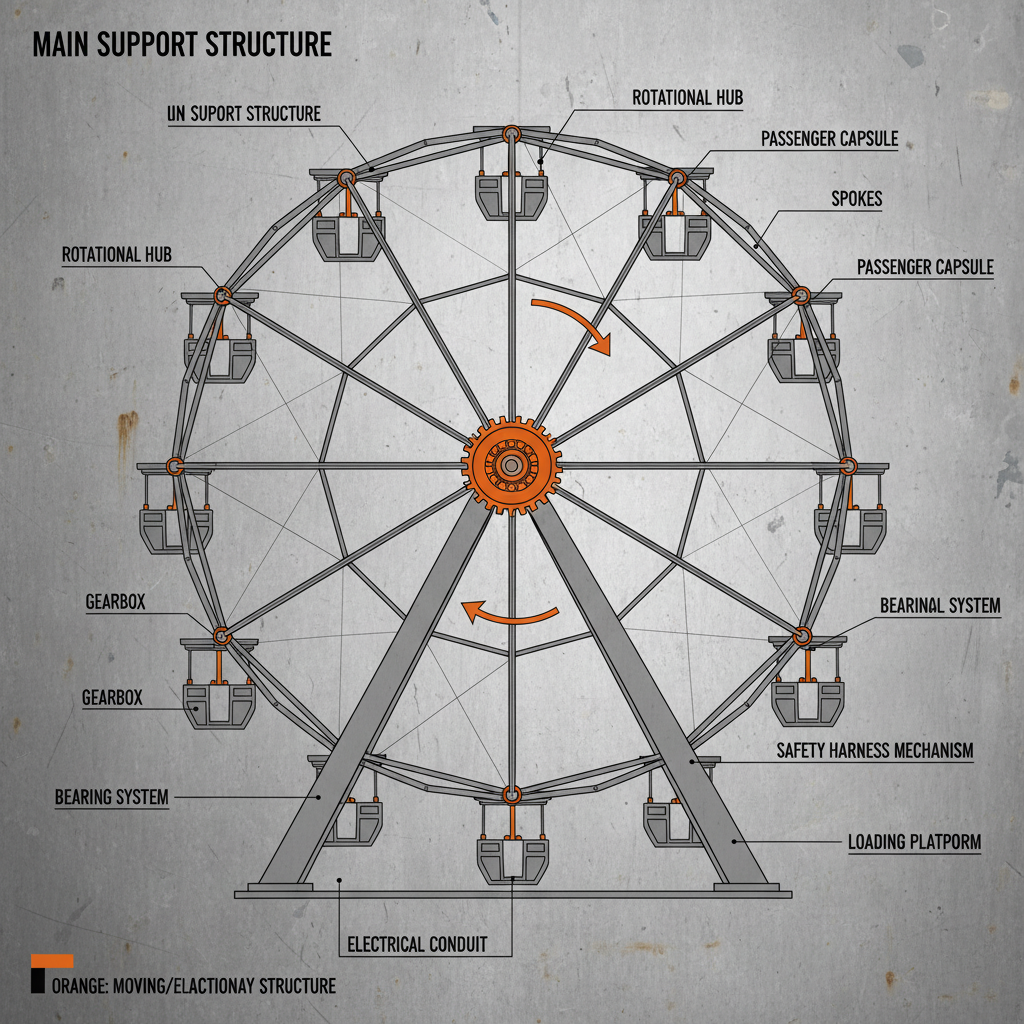
At its core, the amusement park ferris wheel operates on fundamental principles of rotational mechanics and structural engineering. The design must carefully distribute weight and stress to ensure stability and prevent catastrophic failure, especially considering the dynamic loads imposed by passenger movement and wind forces. These principles involve balancing the torque and moment of inertia across the structure.
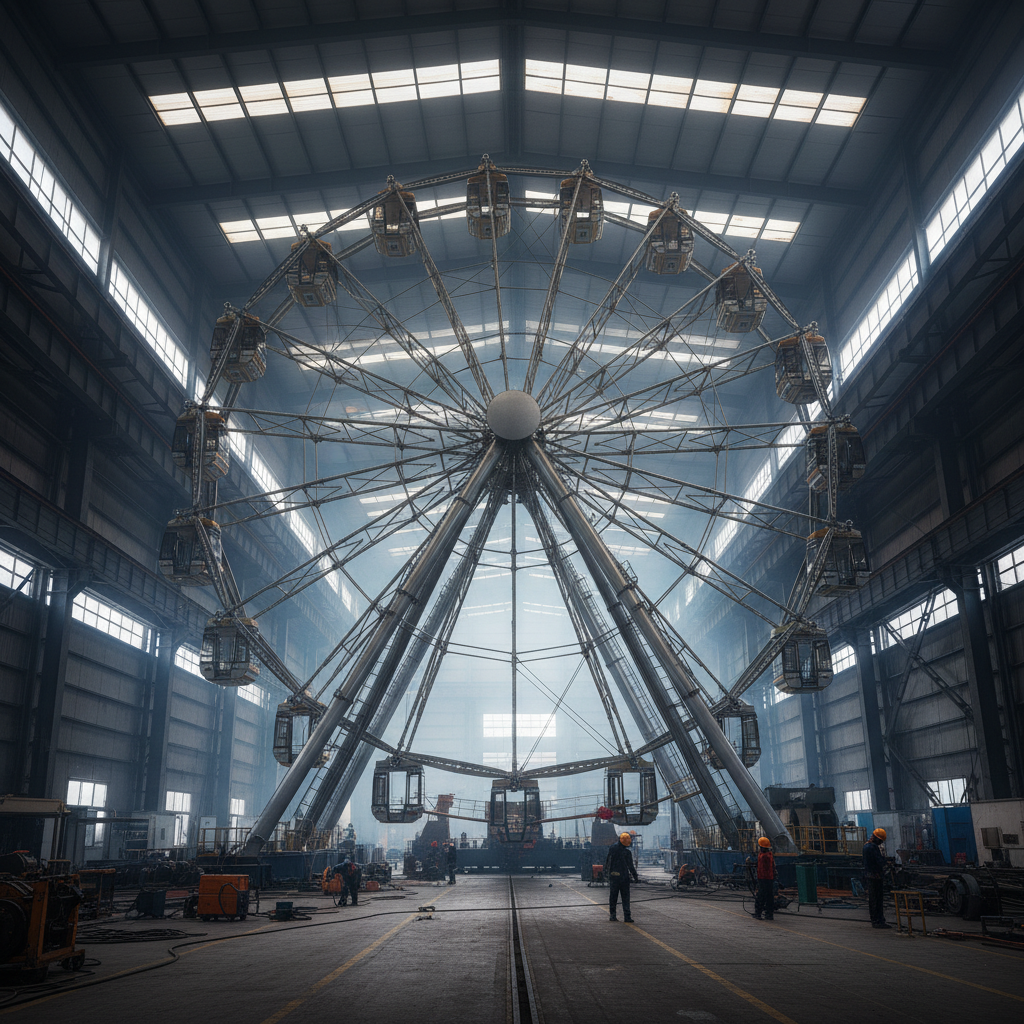
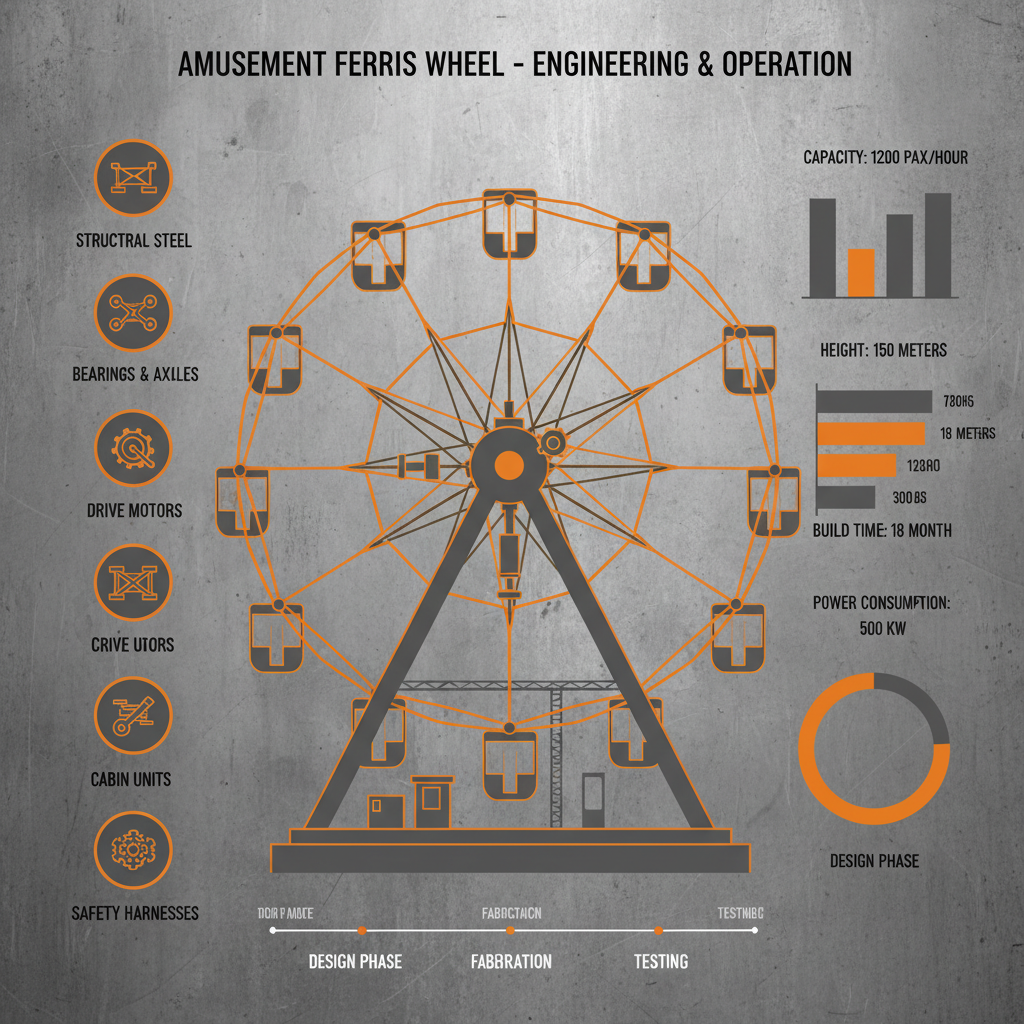
Central to the ferris wheel's functionality is a robust central hub, which houses the motor, gearbox, and braking systems. The hub supports the rotating structure via a series of spokes or arms, each connected to a passenger car or gondola. Precise calculations are vital to ensure even weight distribution and minimize stress on individual components.
Furthermore, the engineering encompasses considerations for passenger comfort and safety, including smooth rotation speed, effective braking mechanisms, and secure gondola attachments. The entire structure relies on redundancy and multiple safety features to mitigate potential risks.
Materials and Construction Techniques for amusement park ferris wheel
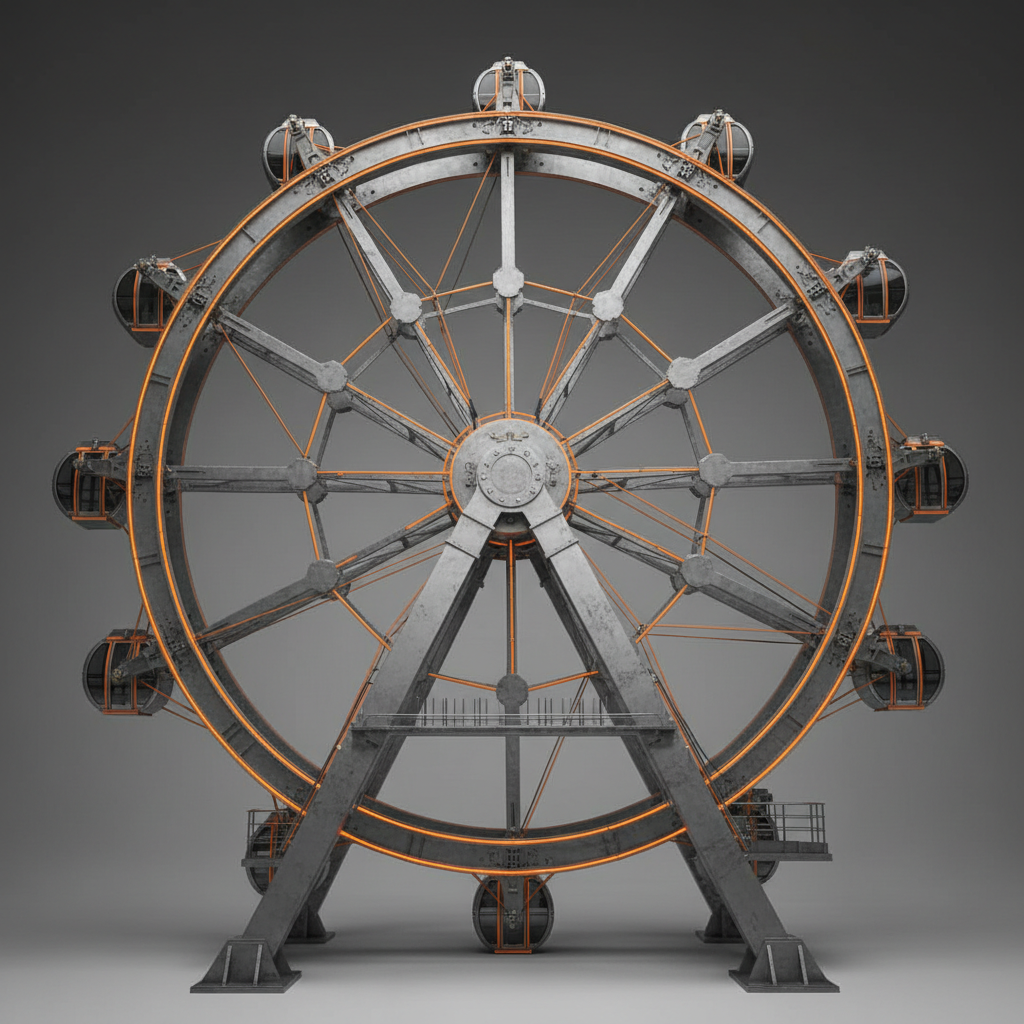
The construction of an amusement park ferris wheel has evolved significantly, moving from predominantly steel construction to incorporating high-strength alloys and composite materials. Modern ferris wheels frequently utilize tubular steel for the main structural components, offering a high strength-to-weight ratio.
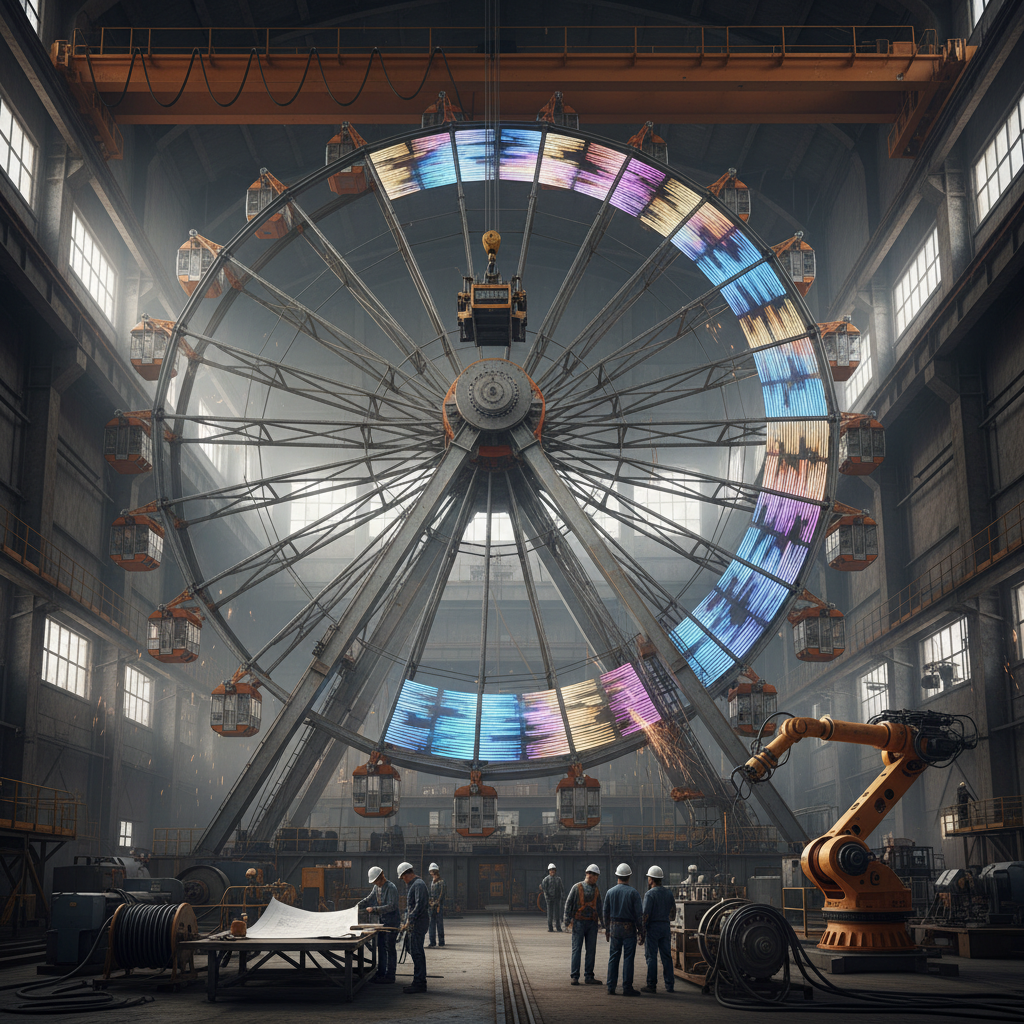
Gondolas are often constructed from lightweight materials like aluminum or fiberglass, enhancing passenger comfort and reducing the overall load on the structure. Advanced welding techniques, such as submerged arc welding, are employed to create strong, durable joints. Furthermore, rigorous quality control measures are implemented throughout the manufacturing and assembly process to ensure structural integrity.
The selection of materials considers factors like corrosion resistance, fatigue strength, and environmental impact. Protective coatings and regular maintenance are crucial for preventing deterioration and extending the lifespan of the ferris wheel.
Safety and Regulatory Standards of amusement park ferris wheel
Safety is paramount in the design and operation of any amusement park ferris wheel. Stringent safety standards are enforced by regulatory bodies like the American Society for Testing and Materials (ASTM) and regional governmental agencies. These standards cover every aspect of the ride, from structural design to operational procedures.
Critical safety features include redundant braking systems, emergency stop mechanisms, and comprehensive monitoring systems that track stress levels, wind speed, and other vital parameters. Regular inspections, maintenance checks, and operator training are essential for ensuring continued safe operation.
amusement park ferris wheel Safety Feature Effectiveness Ratings
Global Distribution and Market Trends of amusement park ferris wheel
The market for amusement park ferris wheels is truly global, with installations found in theme parks, entertainment complexes, and tourist destinations across every continent. Asia, particularly China, has seen significant investment in large-scale observation wheels in recent years.
North America and Europe remain key markets, driven by a demand for iconic attractions and tourist draws. Emerging markets in South America and the Middle East are also witnessing increased interest in these structures.
Economic Impact of amusement park ferris wheel
The economic impact of an amusement park ferris wheel extends beyond direct ticket revenue. These attractions often serve as catalysts for regional economic growth, boosting tourism, creating jobs, and stimulating related industries like hospitality and retail.
The construction phase generates employment opportunities for engineers, technicians, and construction workers. Once operational, the ferris wheel provides ongoing employment for ride operators, maintenance personnel, and support staff. Furthermore, the presence of a prominent ferris wheel can enhance a city’s image and attract further investment.
The revenue generated from ticket sales, concessions, and related services contributes to local tax revenues, supporting public services and infrastructure. The overall economic multiplier effect can be significant, benefiting the entire surrounding community.
Future Innovations in amusement park ferris wheel Technology
The future of the amusement park ferris wheel promises exciting innovations. We are already seeing a trend towards enclosed, climate-controlled gondolas offering enhanced comfort and year-round operation. Integration of augmented reality (AR) and virtual reality (VR) technologies is poised to transform the passenger experience.
Sustainable design principles are also gaining traction, with developers exploring the use of renewable energy sources and eco-friendly materials. Smart sensors and data analytics will play a crucial role in optimizing performance, predicting maintenance needs, and enhancing safety.
Furthermore, advancements in structural engineering and materials science will enable the construction of even taller, more visually striking, and structurally resilient ferris wheels.
Table Summarizing Future Amusement Park Ferris Wheel Trends
| Innovation Category |
Technology/Material |
Impact on Experience |
Implementation Timeline |
| Passenger Comfort |
Climate-Controlled Gondolas |
Year-Round Operation, Enhanced Enjoyment |
Currently Implemented |
| Immersive Entertainment |
Augmented/Virtual Reality Integration |
Interactive and Engaging Ride Experience |
2024-2026 |
| Sustainability |
Renewable Energy Integration |
Reduced Carbon Footprint, Eco-Friendly Operation |
2025-2028 |
| Operational Efficiency |
Smart Sensor Technology |
Predictive Maintenance, Optimized Performance |
2026-2030 |
| Structural Engineering |
Advanced Composite Materials |
Taller Structures, Increased Stability |
2030+ |
| Safety & Security |
AI-Powered Monitoring Systems |
Real-Time Anomaly Detection, Enhanced Passenger Safety |
2028-2032 |
FAQS
Modern amusement park ferris wheels prioritize safety with features like redundant braking systems—often incorporating both mechanical and electronic brakes—to ensure controlled stopping in emergencies. Comprehensive monitoring systems continually assess structural stress, wind speed, and gondola load distribution. Emergency stop mechanisms are readily accessible to operators, and regular, rigorous inspections and maintenance checks are mandated by regulatory standards to guarantee continued operational safety and passenger well-being.
Wind is a critical factor in ferris wheel operation. High winds can create excessive stress on the structure and potentially compromise safety. Most ferris wheels have sensors that monitor wind speed, and operation is typically suspended when winds exceed pre-defined limits, usually around 30-40 mph. The structural design also accounts for wind resistance, and gondolas may be adjusted or stopped mid-rotation to minimize wind exposure during fluctuating conditions.
Regular maintenance is crucial. This includes daily inspections of gondolas, cables, and structural components. Annual non-destructive testing (NDT) of critical welds and steel structures is vital to detect any micro-fractures or fatigue. Lubrication of bearings and moving parts is essential for smooth operation. Comprehensive overhauls involving complete disassembly and inspection are typically performed every 5-10 years to guarantee long-term reliability.
Regulatory bodies like ASTM International and local governmental agencies establish stringent safety standards for amusement park ferris wheels. These standards cover design, construction, operation, and inspection procedures. Regular inspections are conducted by authorized inspectors to ensure compliance. Failure to adhere to these standards can result in fines, operational suspensions, or even closure of the attraction. The goal is to ensure passenger safety and mitigate potential risks.
Advancements in materials science are revolutionizing ferris wheel construction. High-strength alloys and composite materials are replacing traditional steel in certain applications, offering improved strength-to-weight ratios and corrosion resistance. These materials allow for the construction of taller, more lightweight structures with enhanced durability. Furthermore, self-healing materials are being explored to reduce maintenance requirements and extend the lifespan of components.
Key trends include the integration of immersive technologies like VR and AR to enhance the passenger experience, a growing focus on sustainability through the use of renewable energy and eco-friendly materials, and the development of ‘smart’ ferris wheels equipped with sensors and data analytics for predictive maintenance. There is also a trend towards larger, more iconic structures that serve as landmarks and attract tourists. Lastly, there is a continued drive to improve passenger comfort and safety.
Conclusion
The amusement park ferris wheel, from its humble beginnings as a feat of engineering at the 1893 World's Columbian Exposition, has evolved into a globally recognized symbol of entertainment and innovation. Its enduring appeal lies in its ability to offer breathtaking views, a sense of wonder, and a unique perspective on the world. The ongoing advancements in materials science, safety technology, and immersive experiences promise to continue shaping the future of these iconic structures.
Looking ahead, we can expect to see even taller, more sustainable, and technologically advanced ferris wheels becoming increasingly popular tourist attractions. Investing in research and development, prioritizing safety, and embracing innovative design principles will be crucial for ensuring the continued success and relevance of the amusement park ferris wheel in the years to come. Visit our website at www.zprollercoaster.com to learn more.