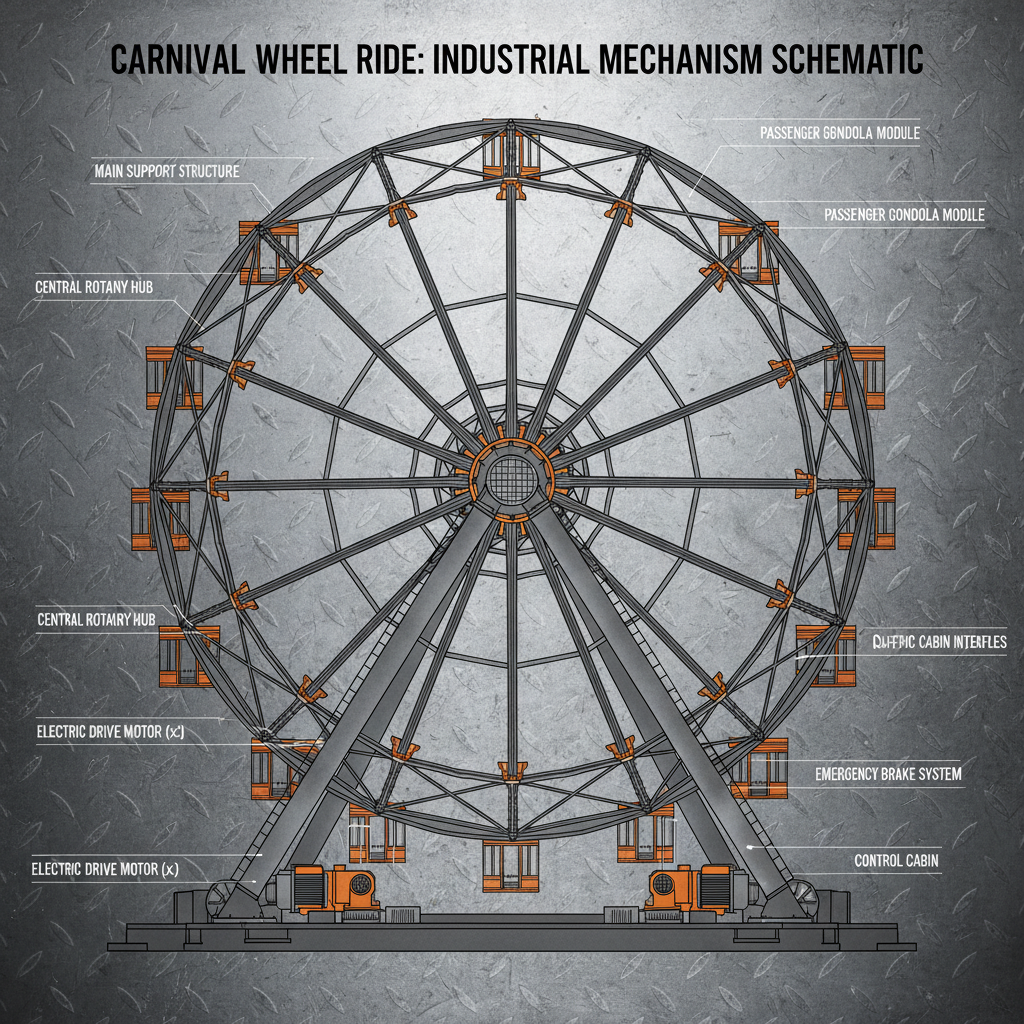
The amusement wheel, a captivating symbol of leisure and excitement, has evolved from simple fairground attractions to sophisticated engineering marvels. Its global impact extends beyond entertainment, influencing architectural design, urban planning, and even psychological studies of human perception. Understanding the principles behind these structures – from their structural integrity to their operational safety – is crucial for innovators, engineers, and the public alike, fostering a safer and more enjoyable experience for millions worldwide.
Globally, the amusement wheel industry contributes significantly to tourism and local economies. With a market value reaching billions of dollars annually, it supports jobs in manufacturing, operation, maintenance, and hospitality. Innovations in materials science and construction techniques continually push the boundaries of what’s possible, leading to taller, more comfortable, and more sustainable wheels. However, challenges remain regarding safety regulations, accessibility, and environmental impact, prompting a need for ongoing research and development.
At its core, the amusement wheel represents a triumph of engineering, offering a unique perspective and exhilarating experience. Its continued evolution promises even more innovative and awe-inspiring attractions in the future, solidifying its place as a cornerstone of modern entertainment and a testament to human ingenuity.
The Global Significance of amusement wheel
The amusement wheel is instantly recognizable around the globe, representing not just entertainment but also feats of engineering and cultural landmarks. From the iconic London Eye to the High Roller in Las Vegas, these structures draw millions of visitors annually, generating significant revenue for local economies and providing employment opportunities. The International Association of Amusement Parks and Attractions (IAAPA) reports consistent growth in the attractions industry, with observation wheels playing an increasingly prominent role.
The demand for unique and memorable experiences fuels the continued development of new and innovative amusement wheel designs. This demand extends beyond traditional tourist destinations, with new wheels emerging in emerging markets as symbols of progress and modernity. The growing emphasis on sustainable tourism also encourages the development of environmentally friendly designs and operating practices within the industry.
Defining the amusement wheel
An amusement wheel, often referred to as an observation wheel or Ferris wheel, is a large, non-rotating vertical wheel with passenger-carrying cabins attached to its rim. Passengers board these cabins for a slow-paced, panoramic view of the surrounding area. While historical Ferris wheels were primarily associated with carnivals and fairs, modern amusement wheels have evolved into sophisticated attractions offering a luxurious and comfortable experience.
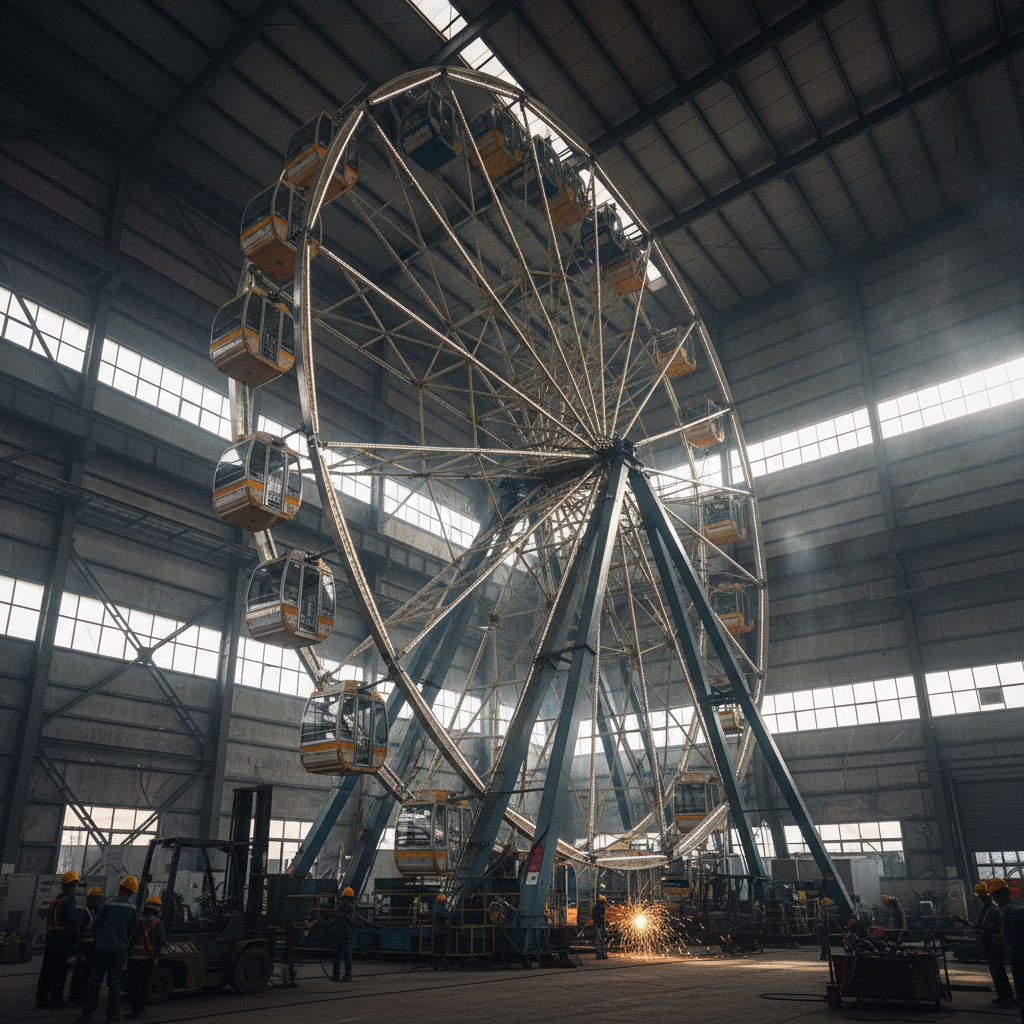
The connection to modern industry lies in the advanced engineering and construction techniques required to build these structures. They demand expertise in structural mechanics, materials science, and electrical engineering. The design and operation of an amusement wheel require adherence to stringent safety standards and regulations, ensuring the well-being of passengers.
Furthermore, amusement wheel construction often stimulates economic growth in the surrounding area, creating jobs and attracting investment. The principles of physics and engineering utilized in their construction also contribute to advancements in other fields, showcasing the broad applicability of the underlying technologies.
Core Components of amusement wheel Design
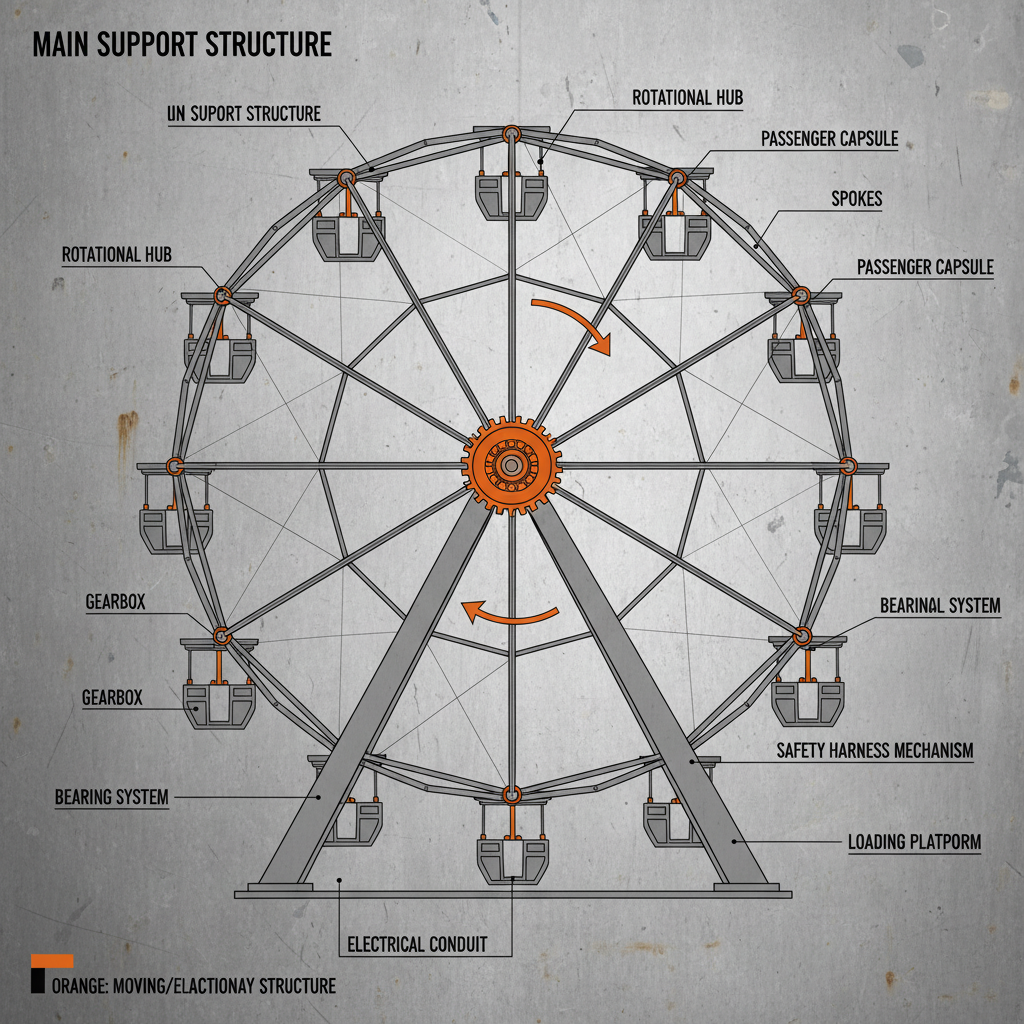
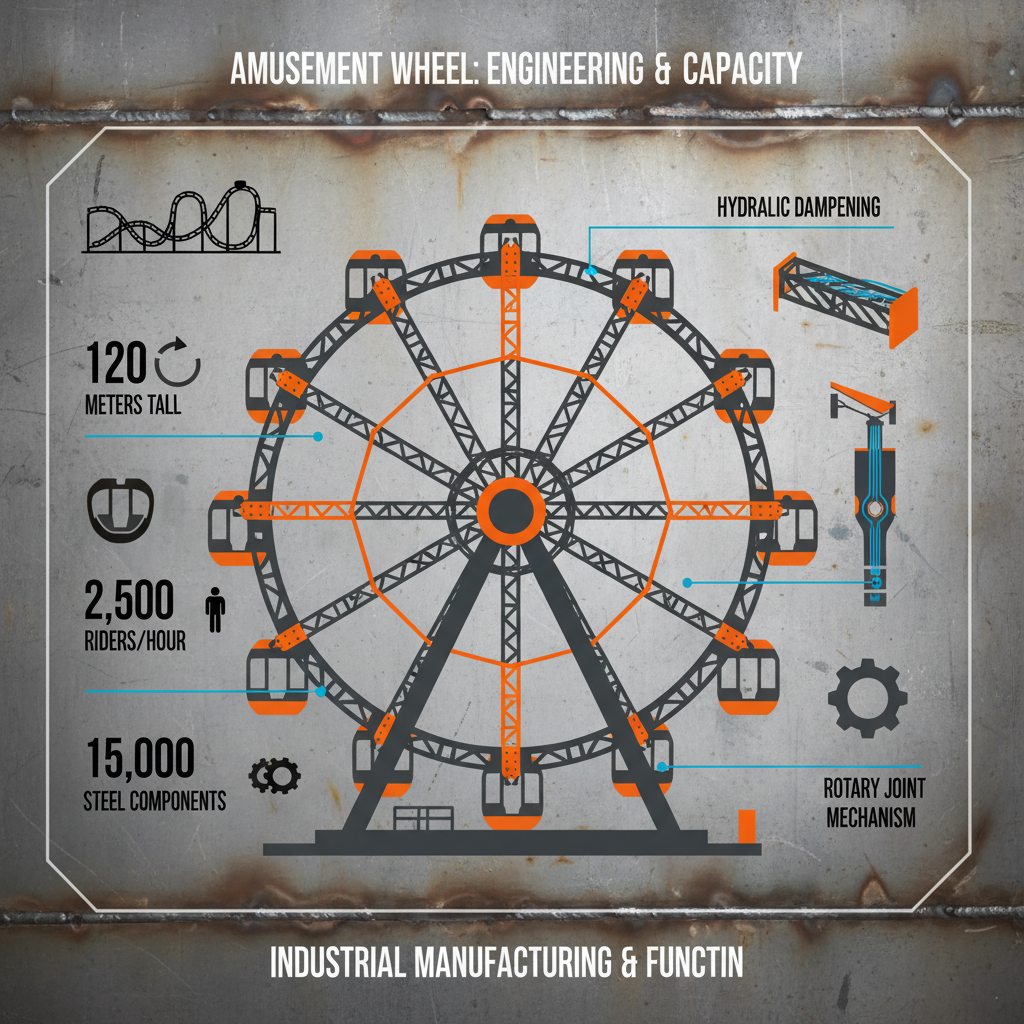
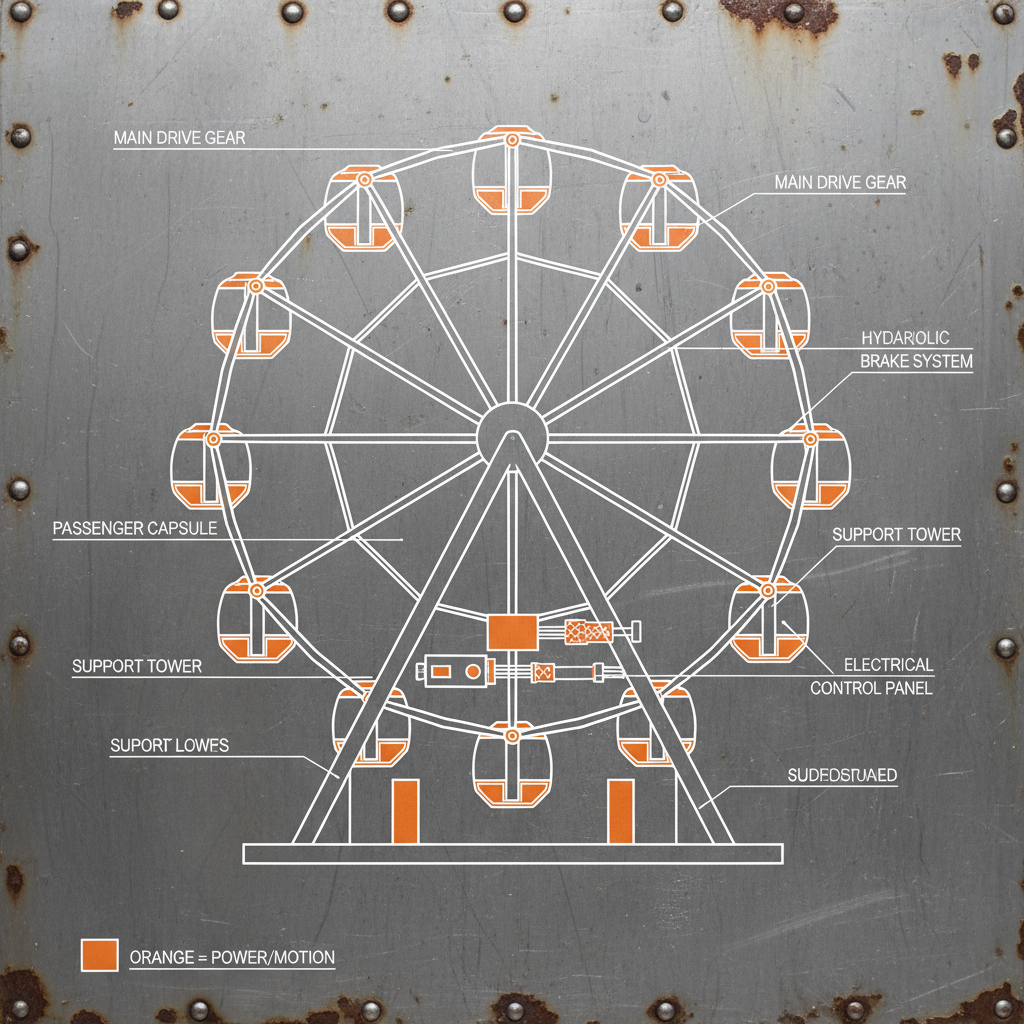
A successful amusement wheel design relies on several crucial components working in harmony. First, the structural framework, typically constructed from high-strength steel, must withstand immense stresses and ensure stability. Second, the passenger cabins are engineered for comfort, safety, and visibility, often incorporating features like climate control and panoramic windows.
Third, the drive system, responsible for smoothly rotating the wheel, requires powerful motors, precise control systems, and reliable braking mechanisms. Fourth, the lighting system not only enhances the aesthetic appeal but also plays a crucial role in safety and visibility, particularly during nighttime operation.
Finally, safety systems, including emergency brakes, redundant sensors, and comprehensive monitoring, are paramount to preventing accidents and ensuring passenger security. Careful consideration of these components, and their integration, is critical to the overall performance and safety of any amusement wheel.
Key Factors Influencing amusement wheel Performance
Durability is a paramount concern, ensuring the wheel can withstand environmental factors like wind, rain, and temperature fluctuations for decades. Scalability, the ability to adapt the design to different sizes and capacities, is essential for meeting diverse market demands. Cost efficiency, encompassing both initial construction costs and ongoing maintenance expenses, influences the overall economic viability of the project.
Accessibility is crucial, providing equitable access to all passengers, including those with disabilities. Reliability, minimizing downtime and ensuring consistent operation, is vital for maintaining passenger satisfaction and profitability. These factors are not independent but rather interconnected, requiring careful optimization to achieve the best possible overall performance for any amusement wheel.
amusement wheel Performance Metrics
Global Applications and the Rise of amusement wheel
In major tourist destinations like London, Las Vegas, and Dubai, amusement wheels serve as iconic landmarks and major attractions, drawing millions of visitors and boosting local economies. In post-disaster relief operations, mobile amusement wheel units can be deployed to provide a sense of normalcy and psychological support to affected communities.
Furthermore, amusement wheels are increasingly being integrated into urban redevelopment projects, revitalizing waterfront areas and creating vibrant public spaces. In remote industrial zones, they provide recreational opportunities for workers and contribute to improved quality of life. The adaptability of these structures makes them suitable for a wide range of applications beyond simple entertainment.
Organizations like IAAPA actively promote the responsible development and operation of amusement wheels worldwide, advocating for safety standards and best practices. Government agencies also play a crucial role in regulating the industry and ensuring public safety.
Advantages and Long-Term Value of amusement wheel
The tangible benefits of investing in an amusement wheel are numerous. Reduced operational costs due to efficient designs and automated systems contribute to long-term profitability. Sustainability initiatives, like the use of renewable energy sources and eco-friendly materials, minimize environmental impact. The social impact, providing recreational opportunities and enhancing community pride, is equally significant.
Beyond the economic and environmental advantages, amusement wheels foster a sense of safety and security, offering a controlled and enjoyable experience for visitors. The innovative engineering behind these structures inspires trust and showcases human ingenuity. The long-term value extends beyond immediate financial returns, creating lasting memories and positive associations.
Future Trends and Innovations in amusement wheel Technology
The future of amusement wheel technology is poised for significant advancements. The integration of virtual reality (VR) and augmented reality (AR) experiences within passenger cabins promises immersive and interactive entertainment. The development of more sustainable materials and energy-efficient drive systems will further reduce the environmental footprint of these structures.
Digital transformation, encompassing predictive maintenance, remote monitoring, and personalized passenger experiences, will enhance operational efficiency and customer satisfaction. Automation, particularly in areas like loading and unloading, will streamline processes and improve accessibility. These innovations will collectively shape the next generation of amusement wheel attractions.
Furthermore, exploration of new structural designs, such as fully enclosed, climate-controlled wheels, is gaining momentum, allowing for year-round operation in diverse climates. These advancements, coupled with ongoing research and development, will continue to push the boundaries of what’s possible in the amusement wheel industry.
Challenges and Solutions
One common limitation is the high initial investment cost, which can be a barrier to entry for smaller operators. This can be addressed through innovative financing models and modular construction techniques. Another challenge is ensuring accessibility for all passengers, requiring careful consideration of cabin design and boarding procedures. Redundancy in critical systems, like braking and power supply, is essential for minimizing downtime and ensuring safety.
Furthermore, mitigating the environmental impact of amusement wheel construction and operation is crucial. Utilizing sustainable materials, minimizing energy consumption, and implementing responsible waste management practices are key solutions. Collaboration between engineers, architects, and environmental experts is essential for developing eco-friendly designs.
Expert insights emphasize the importance of rigorous safety inspections and adherence to industry standards. Innovative approaches, such as using advanced sensors and predictive analytics, can proactively identify potential issues and prevent accidents. Addressing these challenges proactively will ensure the continued success and sustainability of the amusement wheel industry.
Table Summarizing Amusement Wheel Challenges and Solutions
| Challenge |
Impact Level (1-5) |
Proposed Solution |
Implementation Cost (1-5) |
| High Initial Investment |
4 |
Modular Construction, Innovative Financing |
3 |
| Accessibility Concerns |
3 |
Accessible Cabin Designs, Boarding Assistance |
2 |
| System Downtime |
3 |
Redundant Systems, Predictive Maintenance |
4 |
| Environmental Impact |
4 |
Sustainable Materials, Renewable Energy |
3 |
| Safety Regulations Compliance |
5 |
Rigorous Inspections, Advanced Sensors |
2 |
| Weather Dependency |
2 |
Enclosed Cabins, Weather Monitoring |
3 |
FAQs
Modern amusement wheels prioritize passenger safety through multiple redundant systems. These include multiple braking systems (mechanical, electrical, and emergency), comprehensive sensor networks that monitor stress levels and cabin position, and redundant power supplies to prevent shutdowns. Regular inspections and adherence to strict international safety standards (like those set by IAAPA) are also crucial components of maintaining a safe operation. Furthermore, advanced cabin locking mechanisms and evacuation procedures are implemented to ensure passenger security in any situation.
The cost of building an amusement wheel is typically higher than that of many other large-scale attractions like roller coasters or water parks, primarily due to the complex engineering involved and the high-strength materials required. Costs can range from $20 million to over $100 million depending on the size, features, and location. However, the potential return on investment is also significant, as amusement wheels tend to attract a large and diverse audience, generating substantial revenue through ticket sales and ancillary services.
With proper maintenance and adherence to safety standards, an amusement wheel can have a lifespan of 50 years or more. Regular maintenance is essential and includes daily inspections of cabins, mechanical components, and electrical systems. More comprehensive inspections are conducted annually or bi-annually, involving non-destructive testing of structural elements and replacement of worn parts. Predictive maintenance, utilizing sensor data to anticipate potential failures, is becoming increasingly common.
Amusement wheels are engineered to withstand a range of extreme weather conditions. The structural framework is designed to resist high wind loads, and cabins are often equipped with climate control systems to maintain comfortable temperatures. Sensors monitor wind speed and automatically stop operation if conditions exceed safe limits. Furthermore, corrosion-resistant materials are used to protect against rain and humidity. Regular inspections and maintenance are crucial for identifying and addressing any weather-related damage.
Several environmental concerns are associated with amusement wheel operation, including energy consumption, noise pollution, and visual impact. To mitigate these, operators are increasingly adopting sustainable practices such as using renewable energy sources, implementing energy-efficient lighting, and minimizing noise levels. The selection of construction materials and responsible waste management also play a role in reducing the environmental footprint. Proper planning and landscaping can help minimize visual impact.
Several technological advancements are poised to revolutionize the amusement wheel experience. Virtual and augmented reality integrations will offer immersive entertainment options, while advanced sensor technologies will enable predictive maintenance and personalized cabin experiences. The use of sustainable materials and energy-efficient drive systems will reduce the environmental impact. Furthermore, smart control systems and automation will streamline operations and enhance safety. The integration of data analytics will also provide valuable insights into passenger behavior and preferences.
Conclusion
The amusement wheel stands as a remarkable feat of engineering, blending entertainment with innovation and captivating audiences worldwide. Its enduring popularity stems from the unique perspective it offers, the sense of wonder it inspires, and the economic benefits it brings to communities. From its foundational principles of structural integrity and safety to its embrace of cutting-edge technologies, the amusement wheel represents a continuous journey of improvement and adaptation.
Looking ahead, the future of the amusement wheel is bright. By embracing sustainability, enhancing accessibility, and leveraging technological advancements, the industry can further elevate the passenger experience and solidify the wheel’s position as a global icon. We encourage you to explore the possibilities and discover how the amusement wheel can contribute to your own ventures. Visit our website to learn more: amusement wheel