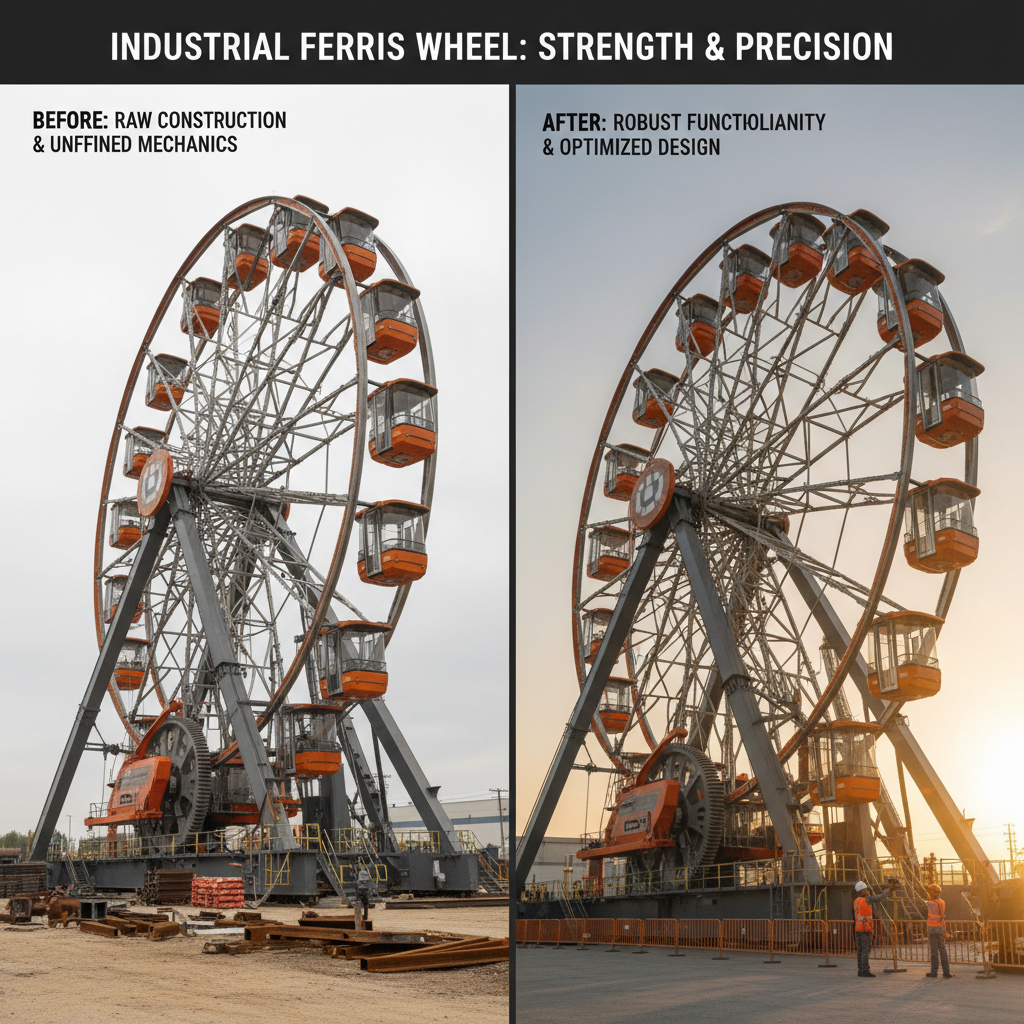
The captivating world of amusement park wheel rides offers more than just thrills; it represents a fascinating intersection of engineering, entertainment, and human experience. From the iconic Ferris wheel to more modern iterations, these structures have become synonymous with leisure and spectacle worldwide. Understanding the design, safety, and technological advancements behind an amusement park wheel ride is crucial for both industry professionals and enthusiasts alike, driving innovation and ensuring memorable experiences for millions annually.
Globally, the amusement park industry contributes significantly to tourism and economic growth. A recent report by the International Association of Amusement Parks and Attractions (IAAPA) indicated a multi-billion dollar market with continual expansion, particularly in emerging economies. The enduring popularity of the amusement park wheel ride stems from its ability to provide a unique perspective and a sense of wonder. However, this growth necessitates a constant focus on safety regulations and innovative design to meet evolving consumer expectations.
At its core, an amusement park wheel ride, also commonly known as a Ferris wheel, is a non-rotating, continuously moving vertical wheel with passenger-carrying cars attached to the rim. These rides have evolved from primarily steel structures to incorporating advanced materials and computerized control systems. This evolution directly parallels advancements in structural engineering and safety standards, shaping the modern amusement park experience.
The Evolution of Amusement Park Wheel Rides
The history of the amusement park wheel ride is a testament to human ingenuity. Originating with the first Ferris wheel, built for the 1893 World's Columbian Exposition in Chicago by George Washington Gale Ferris Jr., these rides were initially conceived as engineering marvels to showcase industrial progress. This original wheel, standing at 264 feet, captivated attendees and set the stage for the modern amusement park wheel ride.
Over the subsequent decades, the design of amusement park wheel rides evolved from simple steel structures to more sophisticated, enclosed cabins and automated control systems. Innovations in metallurgy and structural engineering allowed for taller, more stable, and safer rides, while advancements in electric motors and braking systems enhanced the passenger experience. Today, variations include observation wheels offering panoramic views and climate-controlled cabins for year-round operation.
Core Engineering Principles
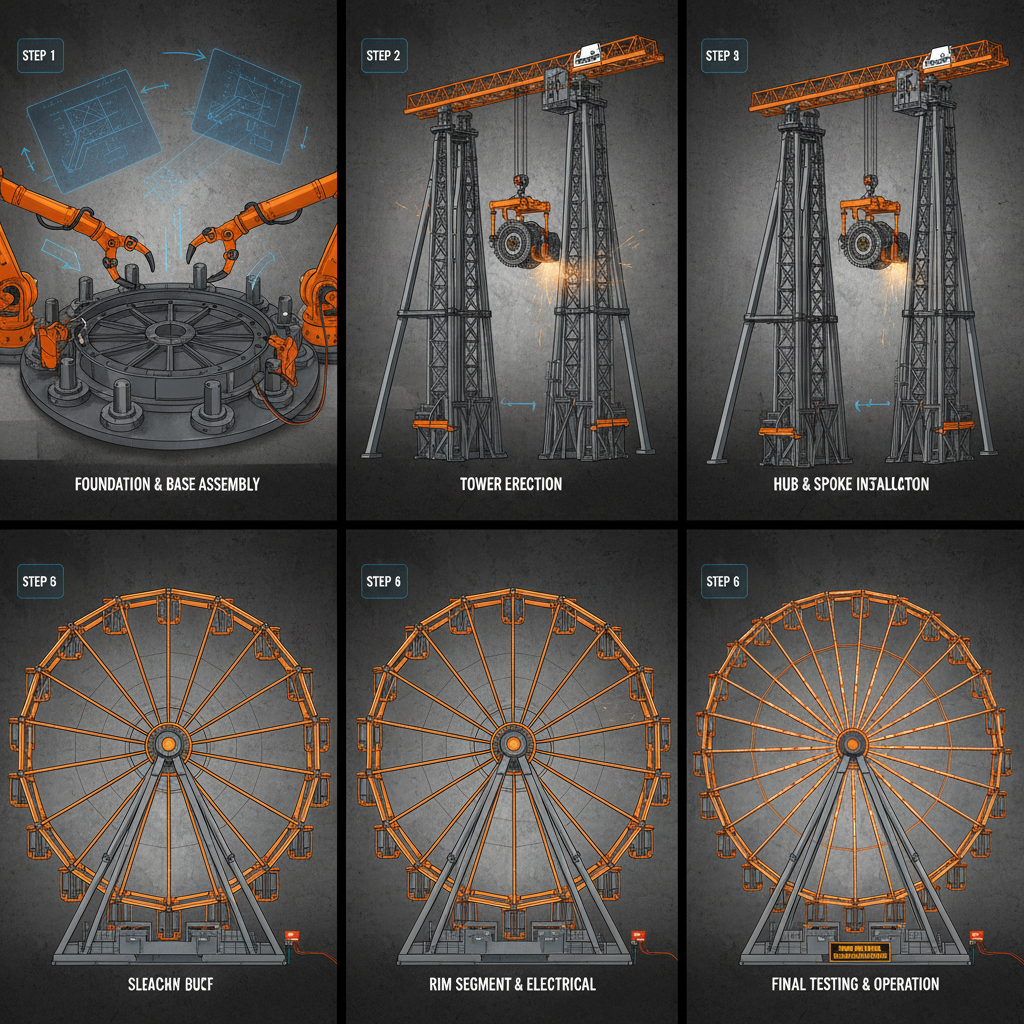
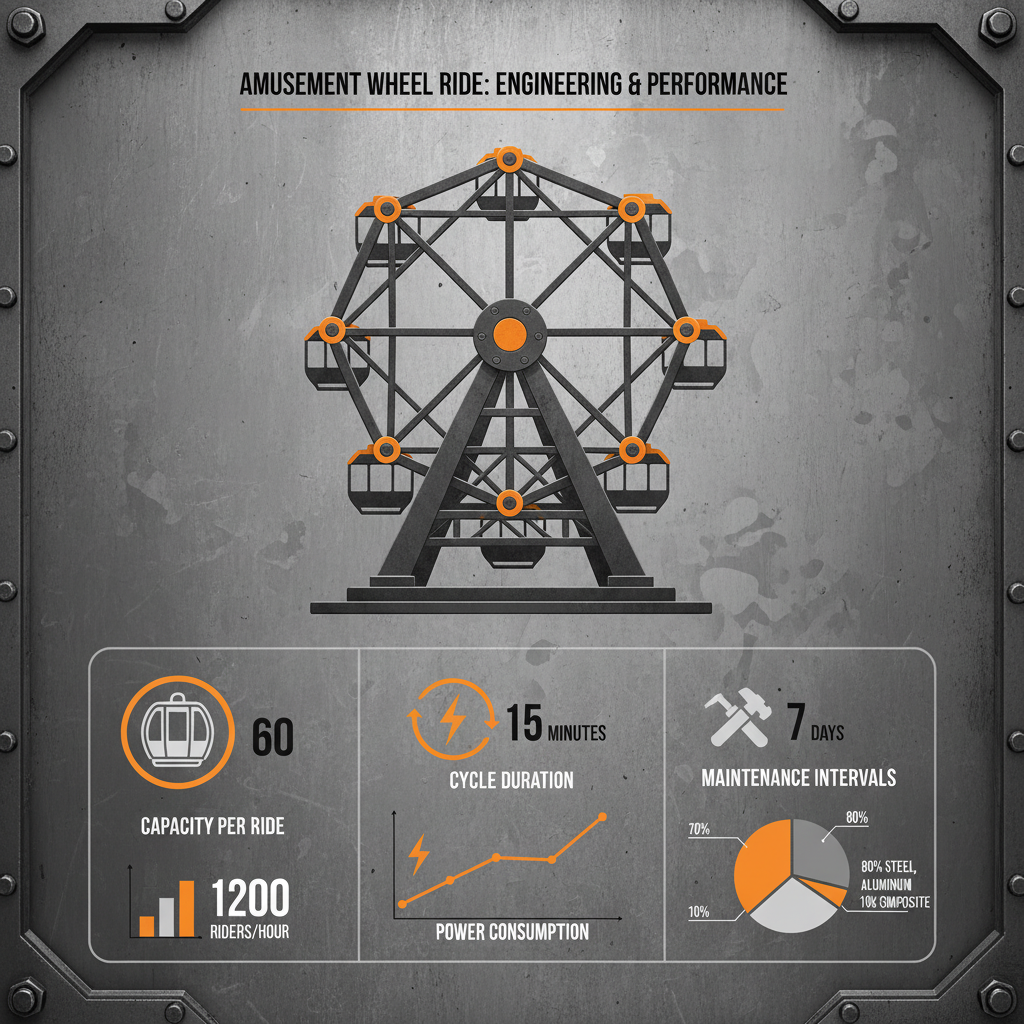
The structural integrity of an amusement park wheel ride relies heavily on fundamental engineering principles. The primary load-bearing components are the central hub, spokes, and rim, all meticulously designed to distribute weight evenly and withstand significant stresses. Precise calculations of load distribution, wind resistance, and dynamic forces are essential during the design phase. This ensures the ride can safely accommodate a maximum number of passengers and operate reliably in various weather conditions.
Beyond structural mechanics, understanding the principles of rotational motion and inertia is crucial. The design of the wheel's rotation mechanism, including the drive system and braking system, must account for these factors to ensure smooth acceleration, deceleration, and consistent speed. Furthermore, the placement and design of passenger cabins are optimized to minimize sway and maximize passenger comfort.
Finite element analysis (FEA) is now a standard practice in the design process. Engineers use FEA software to simulate stress distribution and identify potential weak points in the structure, allowing for proactive reinforcement and ensuring long-term reliability.
Material Science and Durability
The choice of materials significantly impacts the durability, lifespan, and safety of an amusement park wheel ride. Historically, steel was the primary material of construction due to its high strength and relatively low cost. However, modern designs increasingly incorporate high-strength, low-alloy steels and advanced composite materials to reduce weight and enhance corrosion resistance.
The application of specialized coatings and corrosion protection techniques is also critical. Galvanizing, epoxy coatings, and regular inspections are employed to prevent rust and maintain structural integrity, especially in harsh marine or industrial environments. The longevity of an amusement park wheel ride depends heavily on a proactive maintenance schedule and the use of materials capable of withstanding cyclical stress and environmental factors.
Advanced composite materials, such as carbon fiber reinforced polymers (CFRPs), offer a compelling alternative to traditional steel in certain applications. CFRPs provide exceptional strength-to-weight ratios, reducing the overall load on the supporting structure and potentially lowering energy consumption. However, the higher cost of these materials and the need for specialized manufacturing techniques currently limit their widespread adoption.
Safety Systems and Regulations
Safety is paramount in the design and operation of an amusement park wheel ride. Multiple redundant safety systems are integrated into the ride's control system to prevent accidents and ensure passenger protection. These include emergency braking systems, anti-rollback devices, overspeed governors, and cabin restraint systems. Regular inspections and maintenance are mandated by industry standards and government regulations.
Safety Feature Effectiveness in Amusement Park Wheel Rides
Global Implementation and Case Studies
Amusement park wheel rides are a global phenomenon, appearing in theme parks, tourist attractions, and urban landscapes worldwide. Notable examples include the High Roller in Las Vegas, the London Eye in the United Kingdom, and the Singapore Flyer. Each of these rides represents a unique design and operational approach, often tailored to the specific context and target audience.
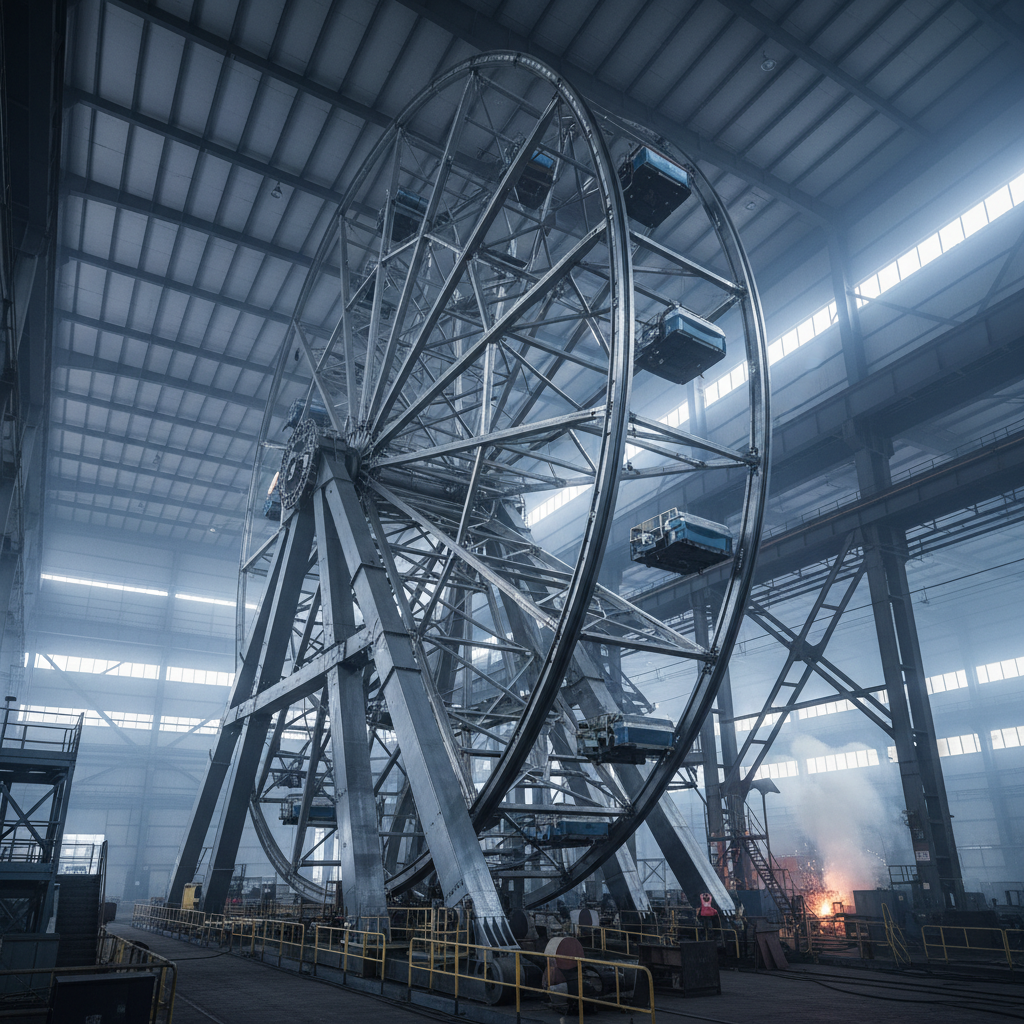
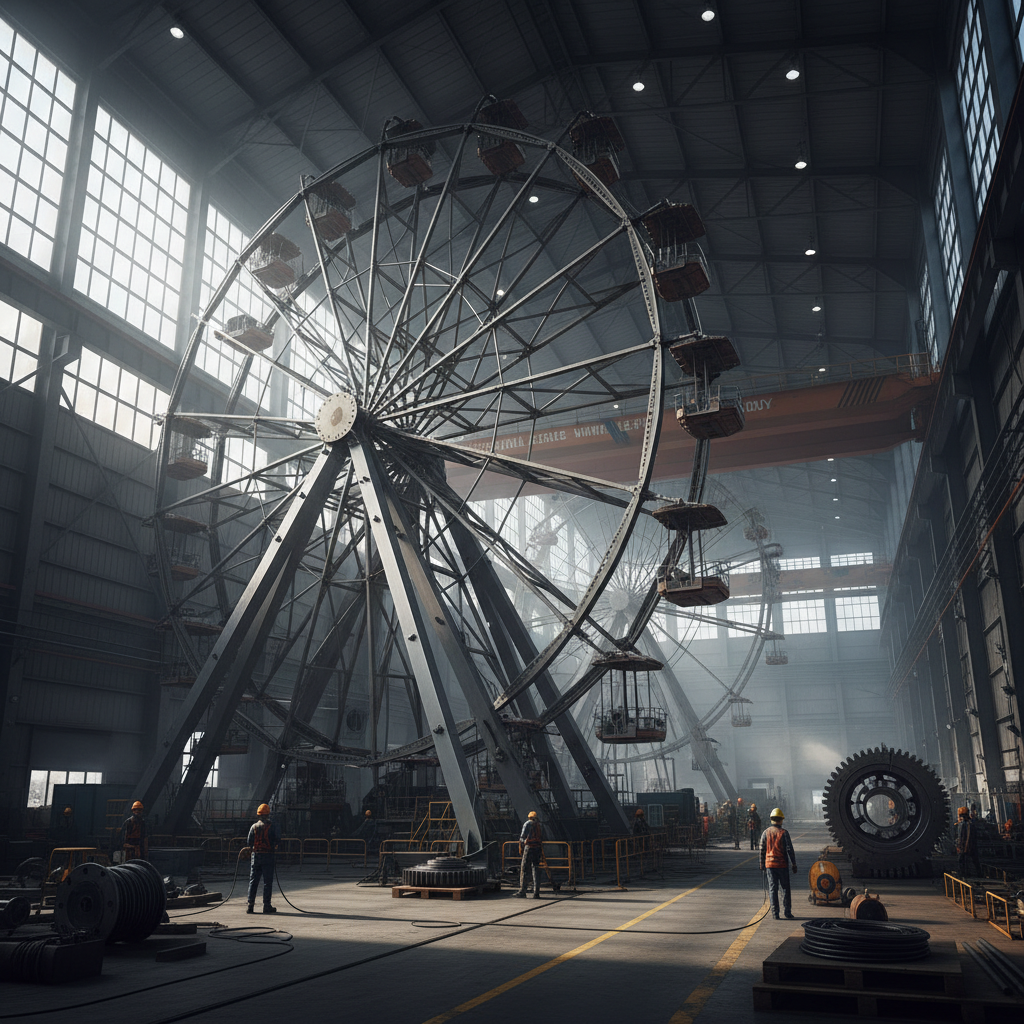
The successful implementation of these rides requires careful consideration of local regulations, environmental factors, and logistical challenges. For instance, the London Eye was assembled in sections on the banks of the River Thames before being lifted into its final position. Similarly, the High Roller's construction involved complex engineering solutions to overcome the challenges of building a large structure in a densely populated urban area.
Long-Term Operational Benefits
Beyond the initial investment, an amusement park wheel ride offers significant long-term operational benefits. The rides often serve as iconic landmarks, attracting tourists and boosting local economies. Their relatively low operating costs, compared to other thrill rides, contribute to profitability. Moreover, the adaptability of these rides allows for seasonal variations and special events, maximizing revenue potential.
The continued maintenance and refurbishment of an amusement park wheel ride also create skilled employment opportunities. Specialized technicians are required to inspect, repair, and upgrade the ride's components, ensuring its continued safety and reliability. This sustained economic impact further enhances the long-term value of the investment.
Future Innovations and Sustainability
The future of the amusement park wheel ride is poised for exciting innovations. Sustainable materials, such as recycled steel and bio-based composites, are gaining traction as manufacturers seek to reduce the environmental footprint of their products. Energy-efficient drive systems and regenerative braking technologies are also being explored to minimize energy consumption.
Furthermore, the integration of smart technologies, such as sensors and data analytics, is enabling predictive maintenance and optimized operations. Real-time monitoring of structural health and performance allows for proactive interventions, preventing costly downtime and enhancing safety. The development of virtual reality (VR) and augmented reality (AR) experiences within the ride cabins promises to further enhance the passenger experience.
Table Summarizing Future Trends in Amusement Park Wheel Ride Technology
| Trend Category |
Technological Advancement |
Impact on Sustainability |
Expected Implementation Timeline |
| Materials Science |
Use of Recycled Steel and Bio-Composites |
Reduced Carbon Footprint & Waste |
Short-Term (1-3 years) |
| Energy Efficiency |
Regenerative Braking Systems |
Reduced Energy Consumption |
Medium-Term (3-5 years) |
| Smart Technologies |
Sensor-Based Structural Health Monitoring |
Proactive Maintenance & Reduced Waste |
Medium-Term (3-5 years) |
| Passenger Experience |
Integrated VR/AR Experiences |
Minimal Direct Environmental Impact |
Short-Term (1-3 years) |
| Automation |
Automated Inspection & Maintenance Robots |
Increased Efficiency & Reduced Labor Costs |
Long-Term (5+ years) |
| Design Innovation |
Modular Wheel Designs for Easier Transport & Assembly |
Reduced Transportation Emissions |
Medium-Term (3-5 years) |
FAQS
Modern amusement park wheel rides utilize multiple redundant safety systems, including emergency braking, anti-rollback mechanisms, and secure cabin restraint systems. Regular inspections following stringent guidelines and adherence to standards set by organizations like the IAAPA are critical. Automated monitoring of structural components and constant load distribution checks also contribute to passenger safety. These measures minimize risks and ensure reliable operation, offering peace of mind to both operators and riders.
Adverse weather conditions, such as high winds, lightning, and extreme temperatures, can significantly impact the operation and safety of amusement park wheel rides. Rides typically have predefined wind speed limits, and operation is suspended during thunderstorms. Extreme temperatures can affect material properties and the performance of lubrication systems, necessitating adjustments and inspections. Operators employ weather monitoring systems and implement strict shutdown procedures to mitigate risks during inclement weather.
A comprehensive maintenance schedule is vital for the longevity and safety of an amusement park wheel ride. This typically includes daily visual inspections, weekly thorough checks of mechanical components, and annual detailed structural assessments. Lubrication of moving parts, cable tension adjustments, and non-destructive testing of critical welds are crucial. Manufacturers provide detailed maintenance manuals and recommend certified technicians to perform specialized repairs.
Selecting appropriate materials involves balancing strength, weight, corrosion resistance, and cost. High-strength steel alloys remain the workhorse for primary structural components, while aluminum alloys are used for lighter elements. Modern designs explore composite materials like carbon fiber for weight reduction. Factors like exposure to weather, salt spray, and UV radiation dictate the need for protective coatings and corrosion-resistant alloys.
Sustainability is increasingly integrated into amusement park wheel ride design and operation. Utilizing recycled materials, implementing energy-efficient drive systems, and reducing waste during maintenance all contribute to a lower environmental impact. Some rides incorporate regenerative braking to capture and reuse energy. Smart monitoring systems optimize operation and minimize downtime, further enhancing sustainability.
The design and operation of amusement park wheel rides are governed by a combination of international standards, national regulations, and local building codes. The International Association of Amusement Parks and Attractions (IAAPA) provides guidelines for safety and best practices. National authorities, such as the ASTM International and various governmental inspection bodies, enforce safety regulations and oversee ride inspections to ensure compliance.
Conclusion
In conclusion, the amusement park wheel ride stands as a remarkable feat of engineering, seamlessly blending safety, entertainment, and innovation. From its humble beginnings as a spectacle at the 1893 World's Fair to its current status as a global attraction, the ride continues to evolve, incorporating advanced materials, intelligent technologies, and sustainable practices. Understanding the core principles of its design, operation, and maintenance is crucial for ensuring a safe and enjoyable experience for millions.
Looking ahead, the future of amusement park wheel rides promises even greater excitement. The integration of virtual reality, augmented reality, and sustainable materials will redefine the passenger experience and minimize environmental impact. By embracing continuous innovation and adhering to the highest safety standards, the industry can ensure that the amusement park wheel ride remains a beloved and iconic symbol of leisure for generations to come. Visit our website to learn more: amusement park wheel ride