0%

Table of Contents

The amusement park wheel, a ubiquitous feature of modern entertainment, represents far more than just a thrilling ride. It embodies engineering ingenuity, a commitment to safety, and a continuous pursuit of innovation within the leisure industry. Understanding the principles behind these towering structures, from their complex mechanics to their aesthetic design, is crucial for professionals in engineering, entertainment, and even urban planning. The global market for amusement park attractions is booming, driven by increasing disposable incomes and a growing demand for unique experiences, making a thorough understanding of elements like the amusement park wheel vital for future development and success.

Globally, the amusement park industry contributes billions to the economy, attracting tourists and generating employment. According to the International Association of Amusement Parks and Attractions (IAAPA), the industry directly employs over 2.5 million people worldwide. This demonstrates the significant economic impact of attractions such as the amusement park wheel. However, the construction and operation of these wheels present unique challenges regarding safety regulations, material science, and structural integrity. Addressing these challenges through continuous improvement and innovative design is paramount to ensuring the sustainability of the industry.

The amusement park wheel, often referred to as a Ferris wheel, is a non-rotating, continuous display of capsules, gondolas, or cars attached to a rotating wheel. Passengers enjoy panoramic views as the wheel turns. These structures are now increasingly sophisticated, featuring enclosed, climate-controlled cabins and advanced lighting systems. Their versatility extends beyond simple entertainment; they often serve as iconic landmarks and focal points for urban development, contributing to a city's identity and attractiveness.
The Engineering Marvel of the Amusement Park Wheel and Its Global Impact

Introduction to the Amusement Park Wheel

The Engineering Marvel of the Amusement Park Wheel and Its Global Impact

The modern amusement park wheel is a testament to advanced engineering and design. Beyond providing breathtaking views, these structures showcase innovations in materials science, structural analysis, and passenger safety. The evolution of the amusement park wheel has paralleled advancements in the broader engineering field, pushing boundaries in what's structurally and aesthetically possible.

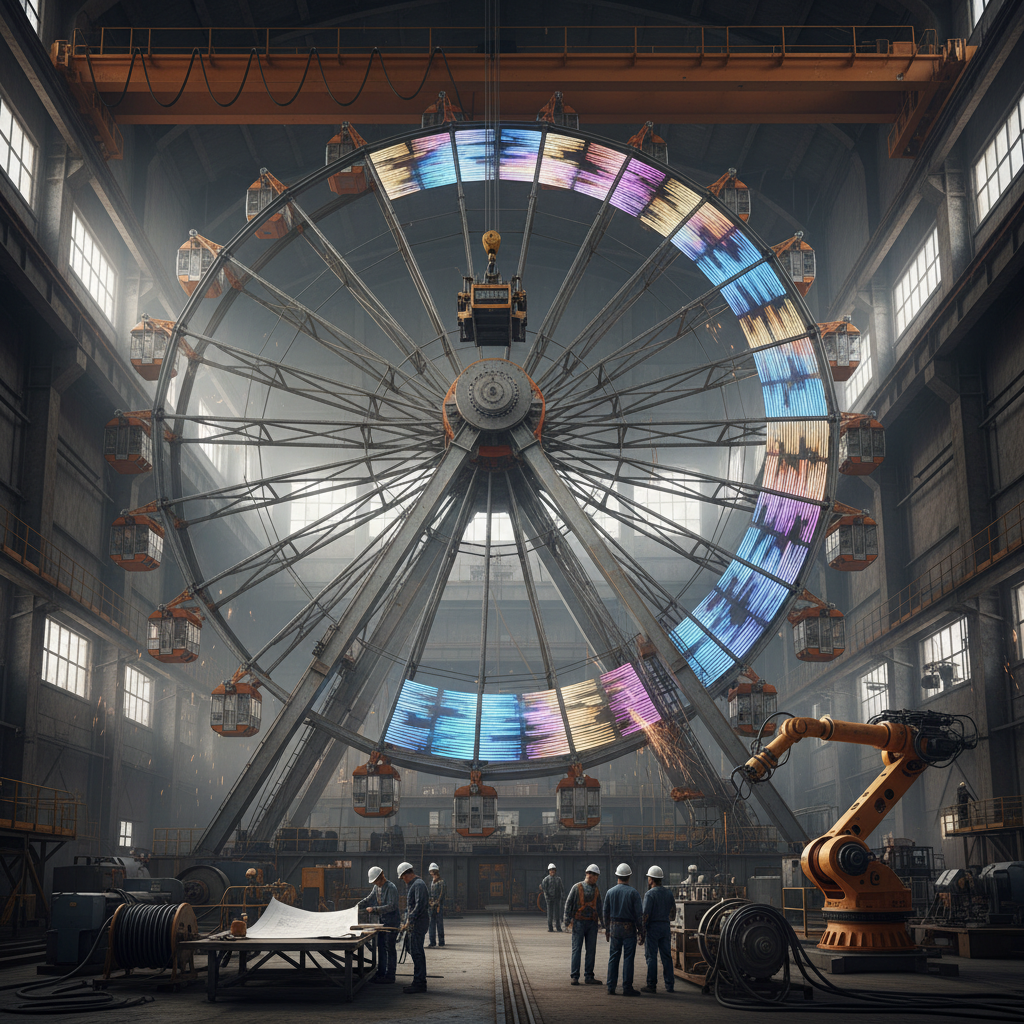
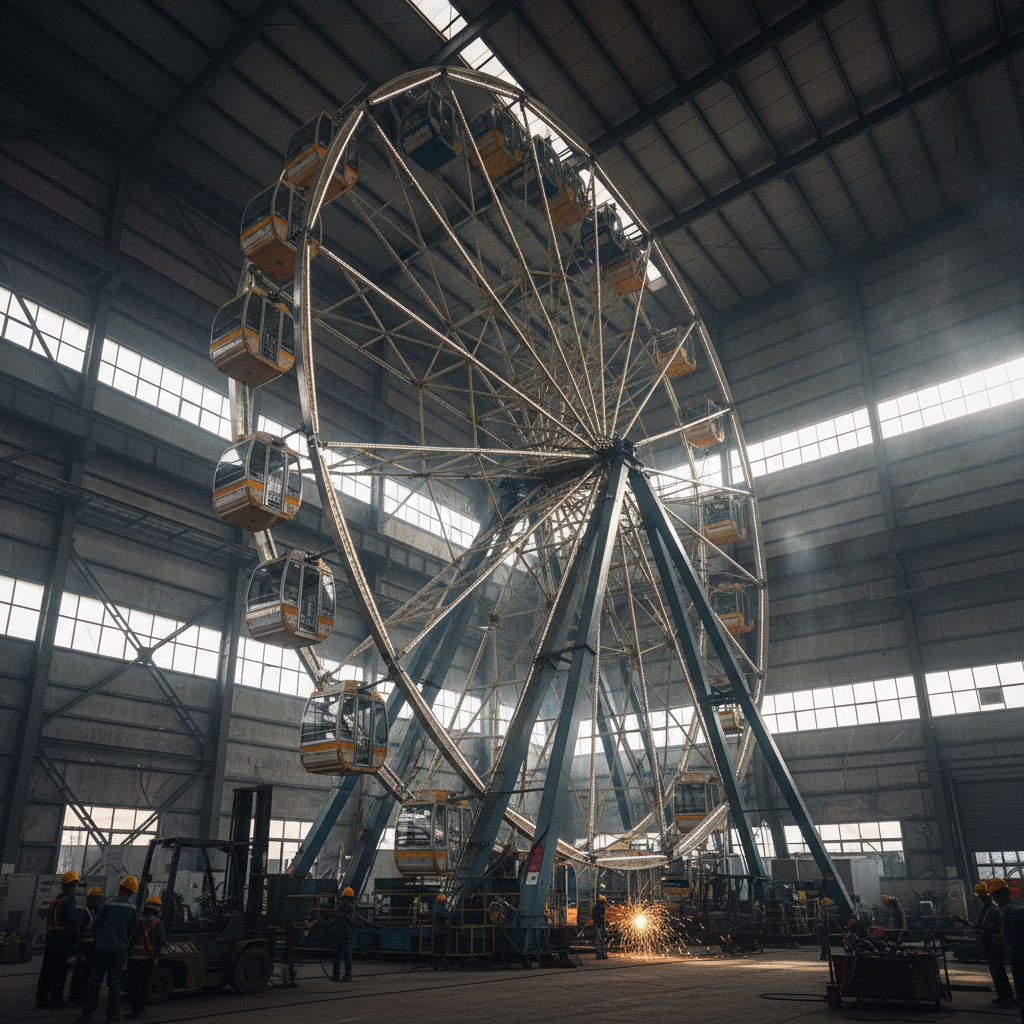
These iconic structures contribute significantly to the economies of the regions where they are located, acting as powerful tourism magnets and creating numerous jobs. The construction and operation of an amusement park wheel require careful planning and a multi-disciplinary approach, involving civil engineers, mechanical engineers, architects, and safety specialists.

Defining the Amusement Park Wheel

An amusement park wheel, fundamentally, is a large, vertically oriented rotating wheel with passenger cabins or gondolas attached to its circumference. Unlike traditional rotating rides focused on speed or g-forces, the primary function of the amusement park wheel is to provide a slow, stable, and elevated viewing experience. Its design prioritizes passenger comfort and panoramic visibility.

The concept has roots in the late 19th century with the original Ferris Wheel, built for the 1893 World's Columbian Exposition in Chicago. However, modern amusement park wheels have dramatically evolved, incorporating advanced materials like high-strength steel and composite materials, sophisticated control systems, and enhanced safety features.

Its connection to modern needs extends beyond entertainment. Increasingly, amusement park wheels are being integrated into urban landscapes as architectural landmarks and observation platforms, contributing to the aesthetic appeal and tourism potential of cities. They represent a fusion of engineering, art, and leisure.

Core Components of Amusement Park Wheel Design

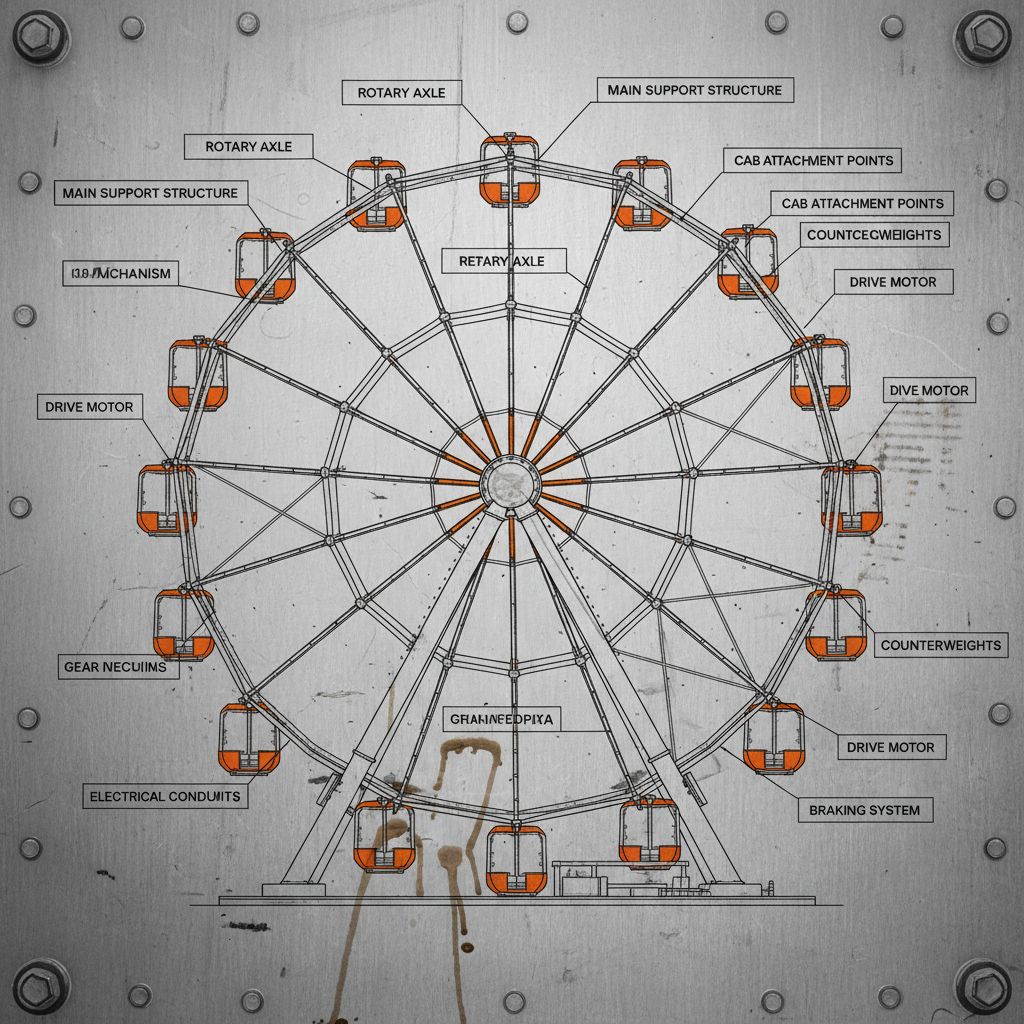
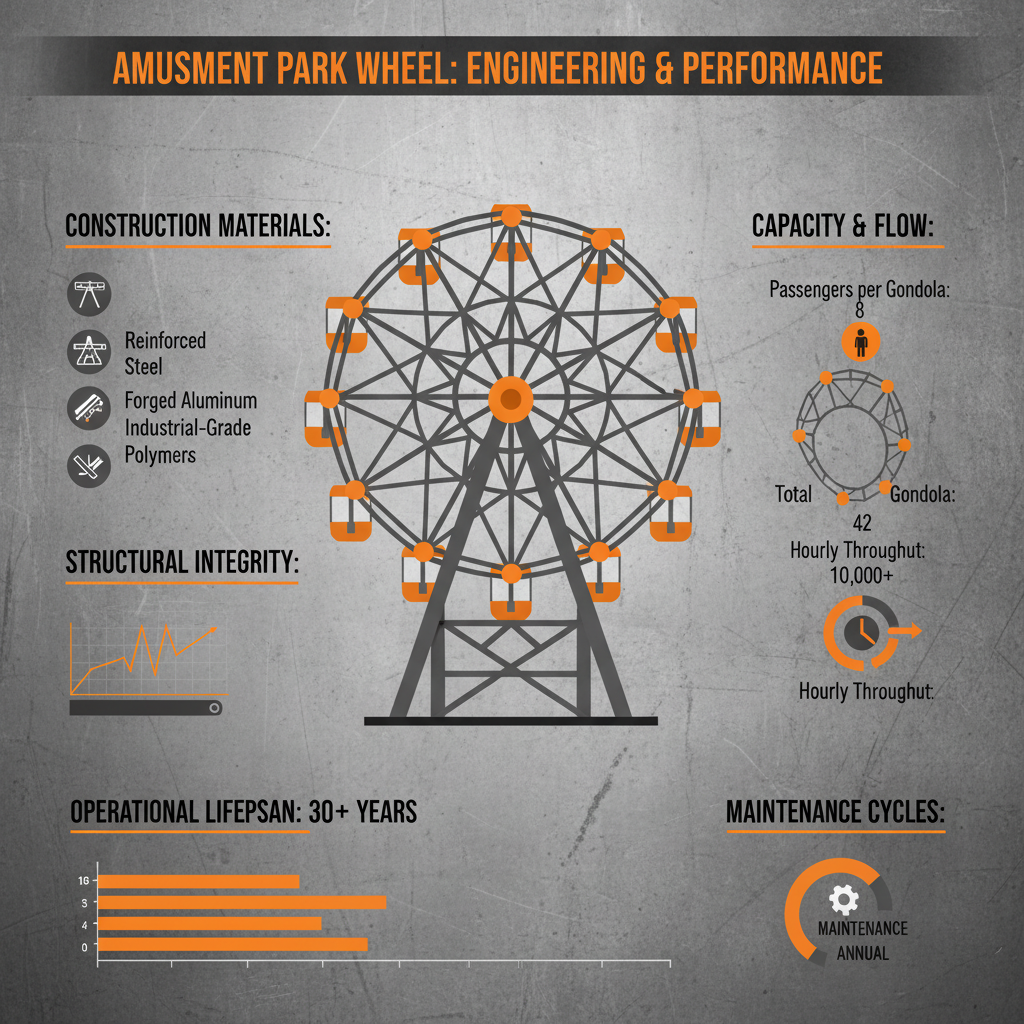
Several key factors contribute to the successful design and operation of an amusement park wheel. One crucial aspect is Structural Integrity. The wheel must withstand significant dynamic loads, including the weight of passengers, wind forces, and the stress of continuous rotation. This requires meticulous structural analysis and the use of high-quality materials.

Safety Systems are paramount. Modern amusement park wheels incorporate multiple layers of redundancy, including fail-safe braking systems, anti-rollback devices, and comprehensive monitoring systems to detect and address potential issues. Regular inspections and maintenance are also essential for ensuring continued safe operation.

Another vital component is Ride Comfort and Passenger Experience. This encompasses factors like cabin design, noise reduction, climate control, and smooth rotation. Advances in cabin technology now allow for fully enclosed, air-conditioned compartments offering a comfortable experience in all weather conditions. Energy Efficiency is also a growing concern, with designers exploring ways to reduce the energy consumption of the wheel’s drive and lighting systems. Finally, Aesthetic Integration is critical, ensuring the wheel complements its surroundings and contributes positively to the urban landscape.

Global Applications and Use Cases

The applications of amusement park wheels extend far beyond traditional amusement parks. In major cities like London, Las Vegas, and Dubai, they serve as prominent landmarks and tourist attractions, offering unparalleled views of the cityscape. In Las Vegas, for example, the High Roller observation wheel draws millions of visitors annually.

These structures are also increasingly popular in coastal resorts and entertainment complexes around the world. In Asia, countries like China and Singapore have seen a surge in the construction of large-scale amusement park wheels as part of their efforts to attract tourists and develop their leisure industries.

Furthermore, amusement park wheel technology has been adapted for specialized applications. Smaller, portable wheels are used at festivals and temporary events, while custom-designed wheels are incorporated into unique architectural projects. The versatility of the amusement park wheel continues to drive its global adoption.

Amusement Park Wheel Performance Metrics


Advantages and Long-Term Value

The advantages of investing in an amusement park wheel are multifaceted. Economically, these structures generate substantial revenue through ticket sales, concessions, and associated tourism. They also create long-term employment opportunities in construction, operation, and maintenance.

From a sustainability perspective, advancements in materials and energy-efficient technologies are reducing the environmental impact of amusement park wheels. Furthermore, these structures often become iconic symbols of a city, enhancing its brand image and attracting further investment. The long-term value extends beyond monetary gains, contributing to a city’s cultural identity and quality of life.

Future Trends and Innovations

The future of amusement park wheel technology is likely to be shaped by several key trends. One is the integration of augmented reality (AR) and virtual reality (VR) experiences within the cabins, enhancing the passenger experience and providing interactive entertainment. Another is the development of more sustainable materials and energy-efficient designs.

We can also expect to see more wheels incorporating smart technologies, such as real-time monitoring systems and predictive maintenance algorithms, to optimize performance and minimize downtime. The incorporation of renewable energy sources, such as solar power, to reduce the wheel’s carbon footprint is another emerging trend.

Challenges and Solutions in Amusement Park Wheel Implementation

Despite their numerous benefits, the implementation of amusement park wheels presents several challenges. High initial investment costs, complex engineering requirements, and stringent safety regulations can pose significant barriers. Furthermore, securing appropriate permits and navigating local zoning laws can be a lengthy and complex process.

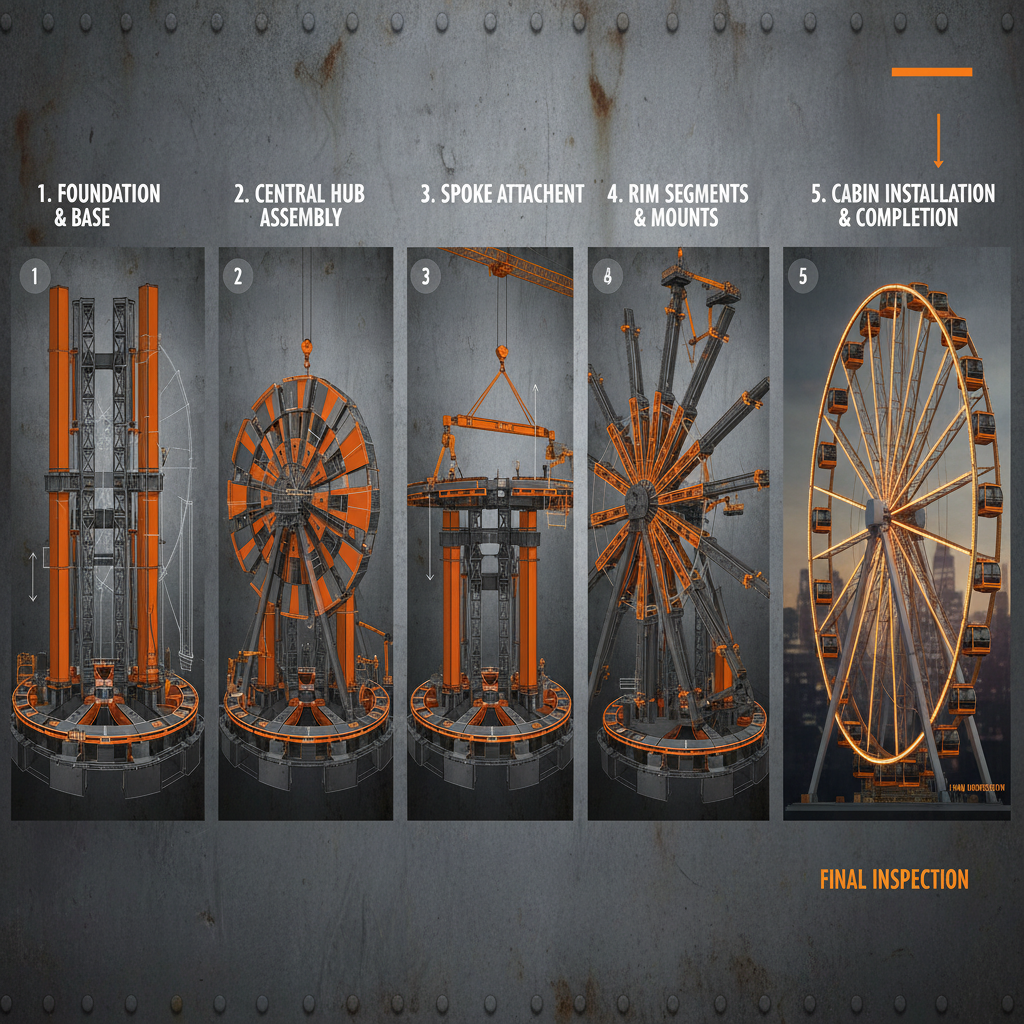
However, these challenges can be addressed through careful planning, innovative financing models, and close collaboration with regulatory authorities. Utilizing modular construction techniques can reduce construction time and costs, while adopting advanced modeling and simulation tools can optimize design and enhance safety.

Investing in comprehensive training programs for operators and maintenance personnel is also crucial for ensuring safe and reliable operation. By proactively addressing these challenges, developers can maximize the long-term value of their investment.

Core Analysis of Amusement Park Wheel Implementation Challenges and Solutions

Challenge Area Severity (1-10) Proposed Solution Implementation Cost (USD)
High Initial Investment 9 Phased Construction & Public-Private Partnerships $5M - $10M
Complex Engineering & Safety 8 Advanced Modeling & Redundant Safety Systems $2M - $5M
Permitting & Zoning Regulations 7 Early Stakeholder Engagement & Streamlined Processes $500K - $1M
Material Supply Chain Disruptions 6 Diversified Sourcing & Strategic Stockpiling $200K - $500K
Skilled Labor Shortage 5 Industry Training Programs & Apprenticeships $100K - $300K
Long-Term Maintenance Costs 7 Predictive Maintenance & Durable Materials $1M - $3M (over 20 years)

FAQS

What are the primary safety considerations when designing an amusement park wheel?

Safety is paramount in amusement park wheel design. This includes redundant braking systems, rigorous structural analysis to withstand dynamic loads and extreme weather, and comprehensive passenger restraint systems. Regular inspections, non-destructive testing, and detailed operating procedures are also critical components of ensuring passenger safety. Engineers must adhere to stringent international safety standards and conduct thorough risk assessments throughout the design and operational phases.

How does wind resistance impact the structural design of an amusement park wheel?

Wind resistance is a significant factor in amusement park wheel design. The wheel must be engineered to withstand high wind speeds and minimize aerodynamic drag. This typically involves aerodynamic shaping of the wheel structure and passenger cabins, as well as robust structural support systems. Wind tunnel testing and computational fluid dynamics (CFD) simulations are often used to assess wind loads and optimize the design for stability and safety. The design must also consider potential vortex shedding and its impact on the wheel’s dynamic response.

What is the typical lifespan of an amusement park wheel, and what maintenance is required?

With proper maintenance, an amusement park wheel can have a lifespan of 50 years or more. Regular maintenance includes routine inspections of structural components, bearings, electrical systems, and safety devices. Lubrication, corrosion protection, and component replacements are also essential. Non-destructive testing (NDT) methods, such as ultrasonic testing and radiography, are used to detect hidden flaws or fatigue cracks. A comprehensive maintenance schedule and trained personnel are crucial for maximizing the wheel’s lifespan and ensuring continued safe operation.

What are the cost factors involved in building a new amusement park wheel?

The cost of building a new amusement park wheel varies widely depending on its size, complexity, and location. Major cost factors include design and engineering fees, materials (steel, cabins, electrical components), foundation construction, transportation, assembly, safety systems, and permitting. Labor costs, insurance, and contingency funds also contribute to the overall cost. Generally, costs can range from $10 million for a smaller wheel to over $100 million for a large, technologically advanced structure.

How are amusement park wheels made more environmentally sustainable?

Sustainability is becoming increasingly important in amusement park wheel design. Efforts to reduce environmental impact include using recycled materials, incorporating energy-efficient lighting and drive systems, and minimizing waste during construction and operation. Utilizing renewable energy sources, such as solar power, to offset energy consumption is also becoming common. Designing for disassembly and component reuse at the end of the wheel’s lifespan further contributes to sustainability.

Can amusement park wheels be customized to fit specific architectural themes?

Yes, amusement park wheels are often customized to complement the architectural style of their surroundings. This can involve unique cabin designs, custom lighting schemes, and integration of themed elements into the overall structure. The wheel’s color scheme, materials, and even the shape of the spokes can be tailored to match the aesthetic of the location. These customizations enhance the wheel’s visual appeal and make it a more integral part of the surrounding environment.

Conclusion

In conclusion, the amusement park wheel represents a remarkable achievement in engineering, combining structural integrity, safety innovation, and captivating passenger experiences. From its historical roots to its modern iterations, the amusement park wheel continues to evolve, driven by technological advancements and a commitment to sustainability. Its global presence as a landmark attraction underscores its enduring appeal and economic significance.

Looking ahead, the integration of smart technologies, sustainable materials, and immersive experiences will further enhance the appeal of the amusement park wheel. Continued collaboration between engineers, architects, and operators is essential to address future challenges and unlock new opportunities. For further information and exploration of amusement park wheel solutions, visit our website: www.zprollercoaster.com


William Johnson

William Johnson

William Johnson is the Quality Control Manager at Zhipao Group, responsible for maintaining the integrity of the company’s products throughout the entire manufacturing process. He has been with Zhipao for ten years, starting as a quality inspector and working his way up. William has a deep understanding of materials science
Previous Exploring the Engineering and Innovation of the Amusement Park Wheel Ride Experience
Next The Enduring Appeal of the Amusement Park Ferris Wheel and its Evolution