0%

Table of Contents

The allure of a city ferris wheel extends far beyond a simple amusement ride; it’s a symbol of urban innovation, a beacon for tourism, and a unique vantage point offering breathtaking cityscapes. Globally, these structures have become iconic landmarks, representing progress and a vibrant city life. With increasing urbanization, the demand for unique entertainment experiences within city limits is soaring, driving the growth of the city ferris wheel market. The benefits are multifaceted, boosting local economies, enhancing city branding, and providing memorable experiences for residents and visitors alike.

In today’s competitive landscape, cities are actively seeking ways to differentiate themselves and attract investment. A well-designed and strategically located city ferris wheel presents an excellent opportunity to achieve this. Furthermore, advancements in engineering and materials are making these structures safer, more sustainable, and more visually appealing. The rising trend of experiential tourism, where travelers prioritize immersive experiences over traditional sightseeing, further solidifies the importance of attractions like the city ferris wheel.

The growth of the themed entertainment industry, coupled with a desire for iconic structures within urban environments, positions the city ferris wheel as a key element in modern city planning and leisure offerings. This makes understanding the nuances of design, construction, and operation critical for developers, city planners, and investors.
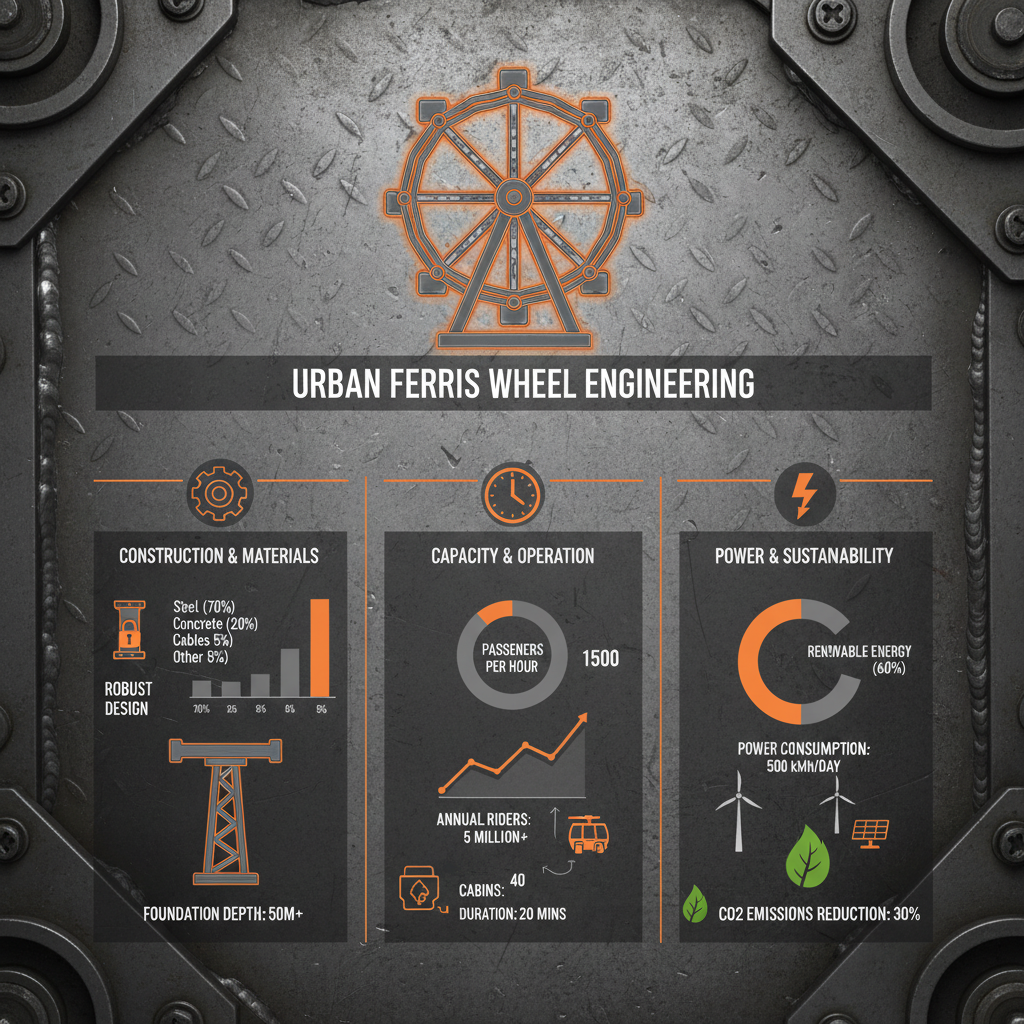
Exploring the Rise of the City Ferris Wheel as a Modern Urban Landmark

The Global Significance of City Ferris Wheels

Exploring the Rise of the City Ferris Wheel as a Modern Urban Landmark

The modern city ferris wheel represents a significant cultural and economic asset, transcending its purely entertainment function. Driven by the United Nations Sustainable Development Goals (SDGs), specifically those relating to sustainable cities and communities (SDG 11), cities increasingly seek iconic and sustainable attractions. Data indicates a steady rise in global tourism, with a preference for unique, Instagrammable experiences – a niche perfectly filled by the visually striking city ferris wheel.

The challenge lies in balancing the aesthetic appeal with structural integrity, safety, and environmental responsibility. The International Organization for Standardization (ISO) standards for amusement park equipment play a critical role in ensuring the safety and reliability of these structures. Ignoring these standards can lead to costly delays, safety concerns, and reputational damage, making adherence crucial for successful implementation of any city ferris wheel project.

Defining the City Ferris Wheel

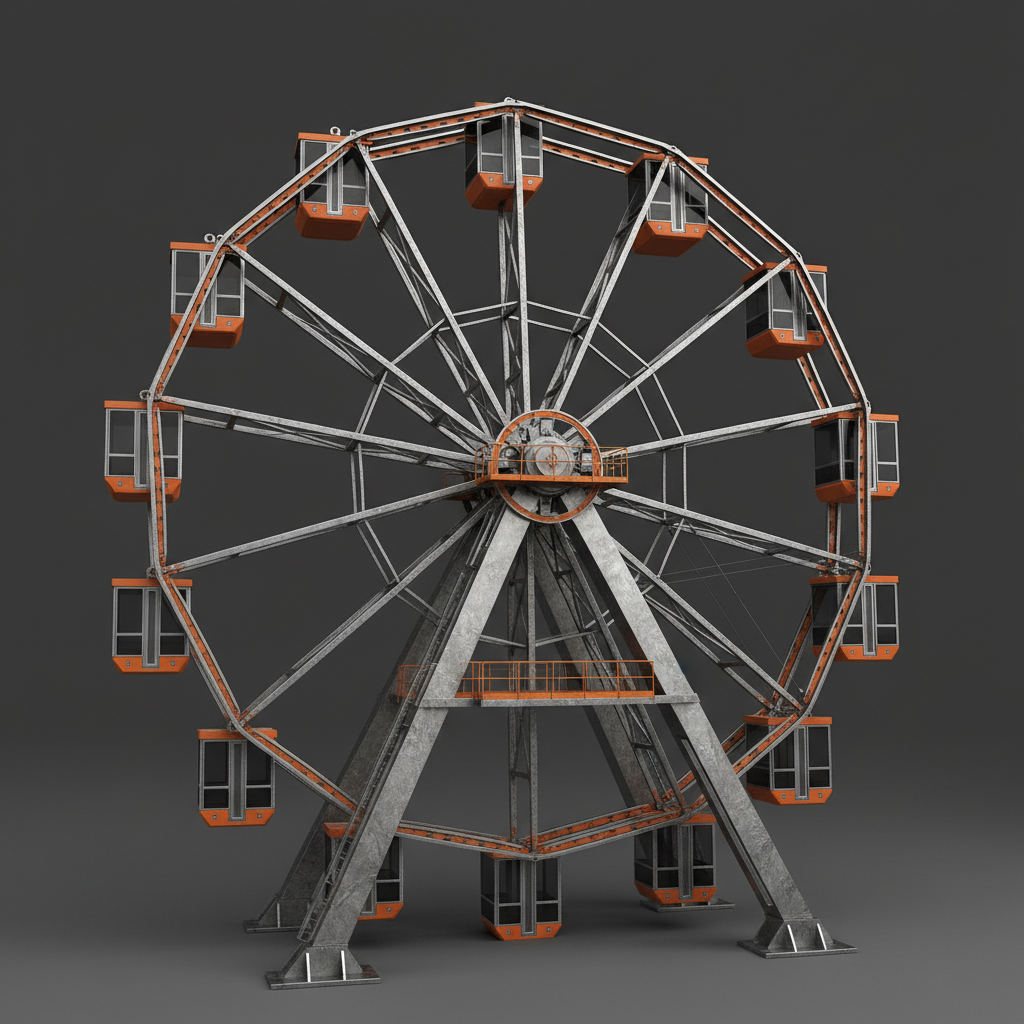
A city ferris wheel, in its simplest form, is a non-rotating vertical wheel with passenger-carrying cabins attached to the rim. However, the modern iteration is far more sophisticated, often incorporating climate-controlled capsules, advanced lighting systems, and sometimes even bars or dining facilities. Unlike traditional fairground wheels, city ferris wheels are designed as permanent attractions, integrated into the urban landscape.

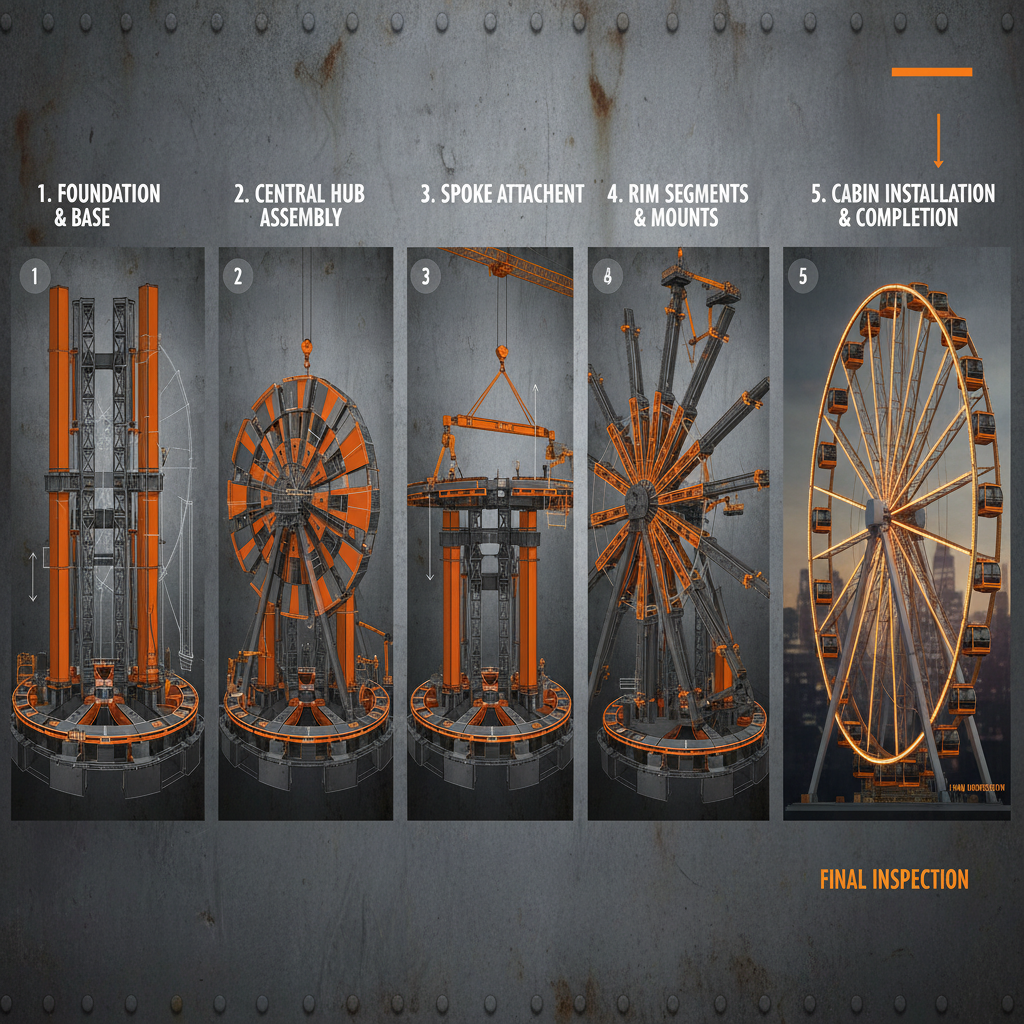
Its connection to modern industry stems from the integration of advanced engineering principles, including structural mechanics, materials science, and control systems. The construction demands precision and expertise in steel fabrication, electrical engineering, and safety systems.

More importantly, a city ferris wheel addresses a growing need for unique and accessible experiences within urban centers. It offers a compelling alternative to traditional sightseeing, appealing to a broad demographic, and contributing to the overall vibrancy of the city.

Core Components of a Modern City Ferris Wheel

Several key components define the functionality and success of a city ferris wheel. Firstly, Structural Integrity is paramount, utilizing high-strength steel and robust engineering designs to withstand varying weather conditions and passenger loads. Secondly, Capsule Design impacts passenger comfort and experience, with features like climate control, seating, and panoramic views.

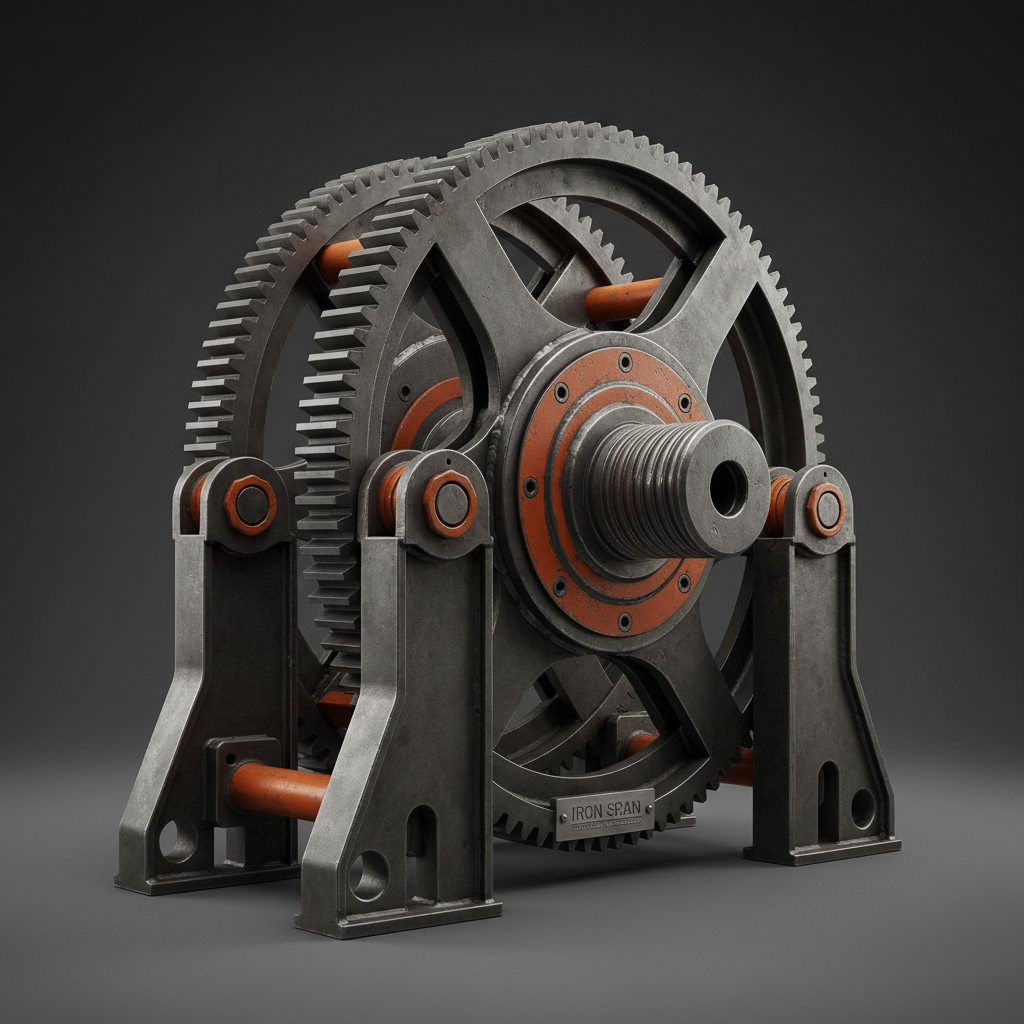
Thirdly, Drive and Control Systems ensure smooth and safe rotation, often employing variable frequency drives for precise speed control and emergency braking systems. Fourthly, Lighting and Aesthetics contribute significantly to the visual appeal, enhancing the structure's presence within the cityscape, often incorporating dynamic lighting displays.

Finally, Safety Systems are non-negotiable, including redundant braking systems, emergency evacuation procedures, and continuous monitoring of structural health. These components work in harmony to deliver a safe, comfortable, and memorable experience for all passengers of the city ferris wheel.

Global Applications and Use Cases

City ferris wheels are increasingly deployed in diverse urban contexts globally. In Las Vegas, the High Roller serves as a major tourist attraction and entertainment hub. In London, the London Eye has become an iconic symbol of the city, drawing millions of visitors annually. In Orlando, the Wheel at ICON Park offers stunning views of the entertainment complex.

Beyond tourism, city ferris wheels also find application in urban renewal projects, serving as catalysts for development and attracting investment to previously neglected areas. In several European cities, these structures are integrated into waterfront developments, enhancing the appeal of the promenade.

They are also being explored as potential solutions for providing temporary or semi-permanent observation platforms during large-scale events, such as festivals or sporting competitions, offering unique vantage points for spectators.

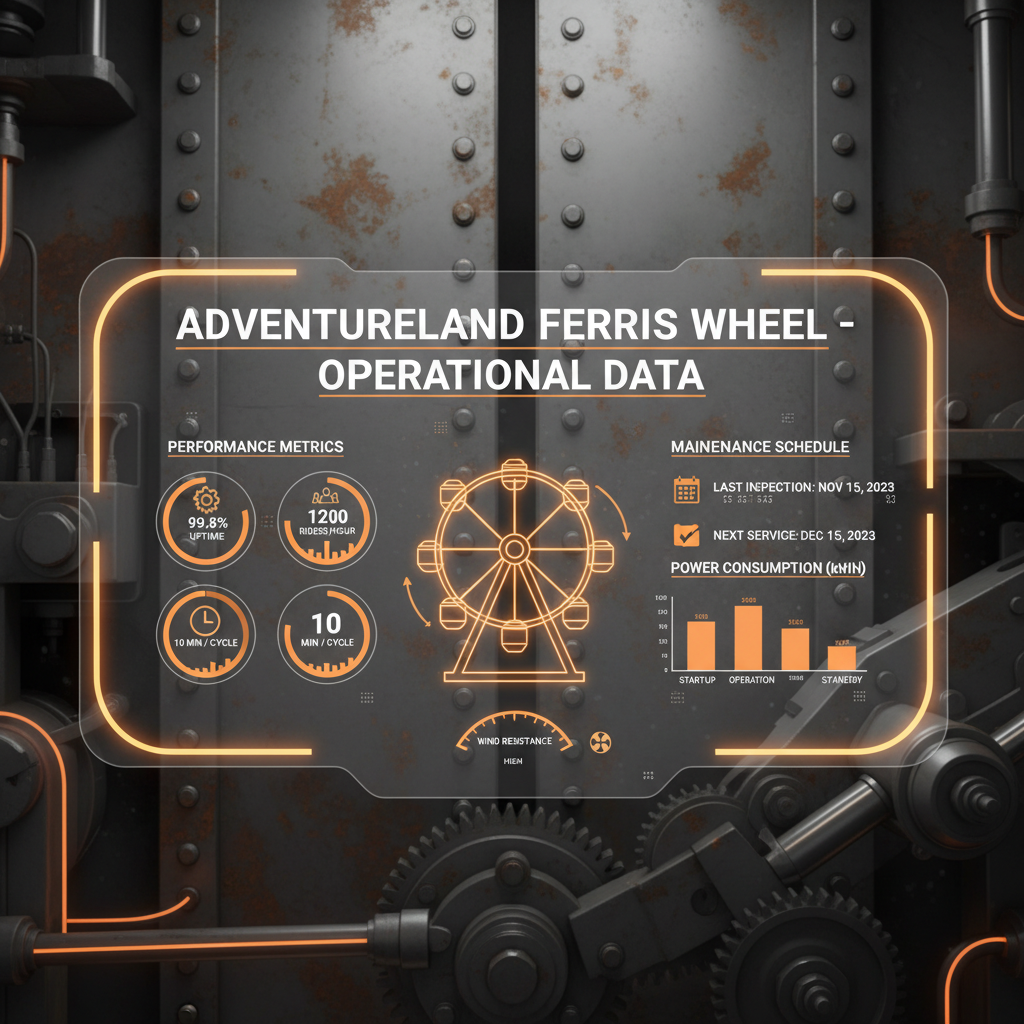
city ferris wheel Operational Efficiency Comparison


Advantages and Long-Term Value

The advantages of investing in a city ferris wheel are numerous. Economically, it generates revenue through ticket sales, concessions, and increased tourism spending. It stimulates job creation in construction, operation, and related industries. The long-term value extends beyond direct economic benefits, enhancing the city’s image and brand recognition.

From a sustainability perspective, modern designs incorporate energy-efficient lighting, renewable energy sources, and minimal land usage. Socially, the city ferris wheel provides a unique and accessible form of entertainment, fostering a sense of community and offering a safe and memorable experience for families and individuals.

Future Trends and Innovations

The future of city ferris wheels is poised for exciting advancements. Integration with virtual reality (VR) and augmented reality (AR) technologies will offer immersive experiences, transforming the ride into a dynamic and interactive adventure. Sustainable materials and designs, including the use of recycled steel and renewable energy sources, will become increasingly prevalent.

Furthermore, smart technologies, such as predictive maintenance and real-time monitoring, will enhance operational efficiency and safety. The rise of “smart cities” and the Internet of Things (IoT) will likely lead to greater integration of city ferris wheels with urban infrastructure.

Challenges and Solutions

Despite the numerous benefits, several challenges remain. High initial investment costs can be a barrier to entry. Securing permits and navigating regulatory hurdles can be complex and time-consuming. Public perception and concerns regarding safety and visual impact must be addressed proactively.

Solutions include exploring innovative financing models, such as public-private partnerships. Transparent communication with local communities and addressing their concerns through careful planning and design are crucial. Employing advanced engineering techniques and adhering to strict safety standards can mitigate safety risks.

Developing a comprehensive operational plan that prioritizes sustainability and minimizes environmental impact will enhance the long-term viability of the city ferris wheel.

Key Performance Indicators for City Ferris Wheel Success

Operational Category Key Performance Indicator (KPI) Target Value Measurement Frequency
Revenue Generation Ticket Sales Revenue $5 Million Annually Monthly
Customer Satisfaction Net Promoter Score (NPS) 75 or Higher Quarterly
Operational Efficiency Average Ride Capacity per Hour 600 Passengers Weekly
Safety Performance Number of Safety Incidents Zero Continuous Monitoring
Marketing Effectiveness Social Media Engagement Rate 5% or Higher Monthly
Environmental Impact Energy Consumption per Rider 0.5 kWh Annually

FAQS

What is the typical lifespan of a city ferris wheel?

A well-maintained city ferris wheel can have a lifespan of 50-75 years. Regular inspections, preventative maintenance, and component replacements are crucial. Modern designs utilizing corrosion-resistant materials and advanced coatings contribute to longevity. Factors like environmental exposure and usage frequency also play a role. Careful planning for future upgrades and renovations is essential for maximizing the asset's value and ensuring continued safe operation. Consideration of structural health monitoring systems can also provide early warnings of potential issues, extending the operational life of the city ferris wheel.

How do city ferris wheels impact local property values?

City ferris wheels often positively impact local property values, particularly in surrounding areas. The attraction draws increased foot traffic, boosting local businesses and creating a more vibrant atmosphere. Improved infrastructure and aesthetic enhancements associated with the project can also contribute to increased property values. However, potential concerns regarding noise and visual impact need to be addressed through careful planning and community engagement to mitigate any negative effects. Studies suggest a potential property value increase of 5-15% within a 1-kilometer radius.

What are the key safety regulations for city ferris wheel operation?

Stringent safety regulations govern city ferris wheel operation, primarily based on ISO 13814 standards for amusement park equipment. These regulations cover design, construction, inspection, maintenance, and operational procedures. Regular inspections by qualified engineers are mandatory, along with thorough operator training and emergency preparedness plans. Redundant safety systems, including multiple braking mechanisms and emergency evacuation procedures, are essential. Compliance with local building codes and fire safety regulations is also required.

What is the environmental impact of building and operating a city ferris wheel?

The environmental impact can be minimized through careful planning and sustainable practices. Construction should prioritize the use of recycled materials and minimize land disturbance. Energy-efficient lighting, renewable energy sources (such as solar power), and water conservation measures can reduce operational emissions. Noise pollution can be mitigated through soundproofing and strategic placement. A thorough environmental impact assessment is crucial before construction begins, identifying potential risks and outlining mitigation strategies.

How does weather affect city ferris wheel operation?

Weather significantly impacts city ferris wheel operation. High winds are a primary concern, typically requiring temporary closure of the ride. Extreme temperatures (both hot and cold) can affect mechanical components and passenger comfort. Lightning strikes pose a safety hazard, requiring automatic shutdown of the system. Modern city ferris wheels are equipped with sophisticated weather monitoring systems and automated shutdown procedures to ensure passenger safety during adverse weather conditions. Regular maintenance and weatherproofing of components are also crucial.

What is the ROI (Return on Investment) for a city ferris wheel project?

The ROI for a city ferris wheel project varies significantly based on location, scale, and operational efficiency. Typically, a well-managed project can achieve an ROI within 5-10 years. Key factors influencing ROI include ticket prices, visitor numbers, concession revenue, and operating expenses. A comprehensive feasibility study is crucial for accurately projecting ROI, considering market demand, competition, and potential risks. Securing sponsorships and partnerships can also enhance revenue streams and improve overall profitability.

Conclusion

The city ferris wheel represents more than just an amusement ride; it's a dynamic urban landmark capable of generating significant economic, social, and environmental benefits. Through careful planning, innovative design, and a commitment to sustainability, these structures can transform cityscapes, boost tourism, and enhance the quality of life for residents. From the initial conceptualization to long-term operation, a holistic approach is essential for maximizing the value and ensuring the enduring success of the investment.

Looking ahead, advancements in technology and a growing focus on experiential tourism will continue to drive innovation in the city ferris wheel industry. By embracing sustainable practices, prioritizing safety, and fostering community engagement, cities can leverage the power of these iconic structures to create vibrant, memorable, and economically thriving urban environments. Visit our website at city ferris wheel to learn more.


David Miller

David Miller

David Miller is the Lead Mechanical Engineer at Zhipao Group, overseeing the design and fabrication of core amusement park ride components. With over 15 years of experience in mechanical engineering, specializing in dynamic systems, David brings a wealth of knowledge to the company. He joined Zhipao five years ago, drawn
Previous Exploring the Engineering and Impact of the City Star Ferris Wheel
Next The Enduring Appeal of the Chance Giant Wheel A Classic Ride's Resilience