0%

Table of Contents

The captivating allure of the giant ferris wheel transcends mere amusement; it’s a global symbol of celebration, progress, and architectural ingenuity. From the iconic London Eye to the High Roller in Las Vegas, these towering structures draw millions of visitors annually, contributing significantly to tourism and local economies. The very design and engineering of a giant ferris wheel represent a pinnacle of modern construction, demanding innovative solutions in materials science, structural integrity, and passenger safety.

Globally, the demand for experiential tourism is surging, and giant ferris wheels perfectly cater to this trend. According to the World Tourism Organization, international tourist arrivals reached 935 million in the first half of 2023. These attractions serve as focal points for city skylines, bolstering brand recognition and fostering a sense of community. However, the increasing scale and complexity of these projects present significant challenges, demanding stringent safety regulations and sustainable construction practices as outlined by the ISO standards.

These architectural marvels are more than just rides; they represent aspirations for innovation and a desire to push the boundaries of what’s possible. Understanding the intricacies of giant ferris wheel design, construction, and operation is vital for engineers, architects, tourism professionals, and urban planners alike.
The Allure and Engineering of the Giant Ferris Wheel A Global Perspective

The Historical Development of giant ferris wheel

The Allure and Engineering of the Giant Ferris Wheel A Global Perspective

The concept of the giant ferris wheel traces its roots back to the late 19th century with the original Ferris Wheel, designed by George Washington Gale Ferris Jr. for the 1893 Chicago World's Fair. This initial structure, standing at 264 feet tall, captivated the public and sparked a wave of similar, albeit smaller, attractions worldwide. It wasn’t simply an engineering feat, but a cultural moment, establishing a precedent for large-scale observation wheels.

However, the evolution didn’t stop there. The 20th century saw incremental advancements in materials and design, but true innovation accelerated in the early 2000s with the development of enclosed, climate-controlled capsules and the introduction of far larger, more technologically advanced structures like the London Eye (2000) and the Star of Nanchang (2006), pushing the boundaries of height and passenger capacity.

The Engineering Principles of giant ferris wheel

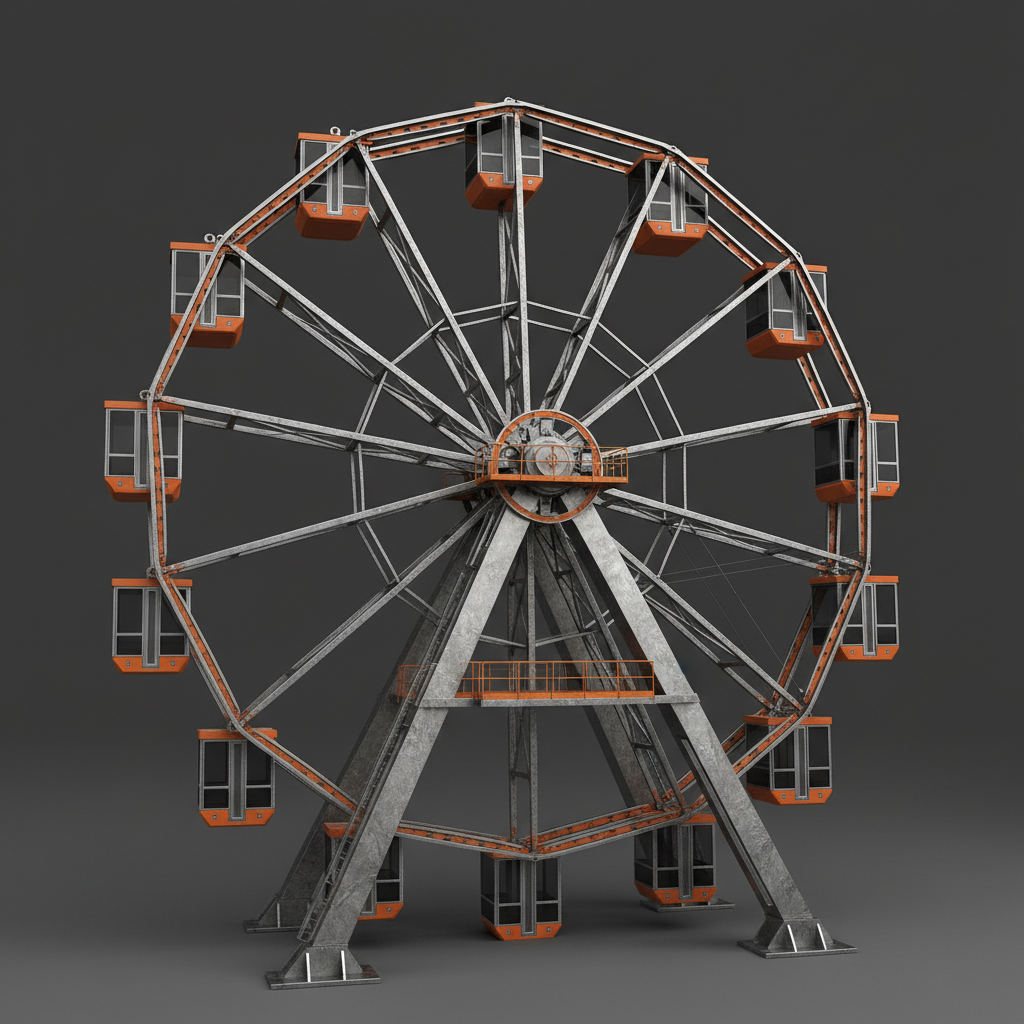
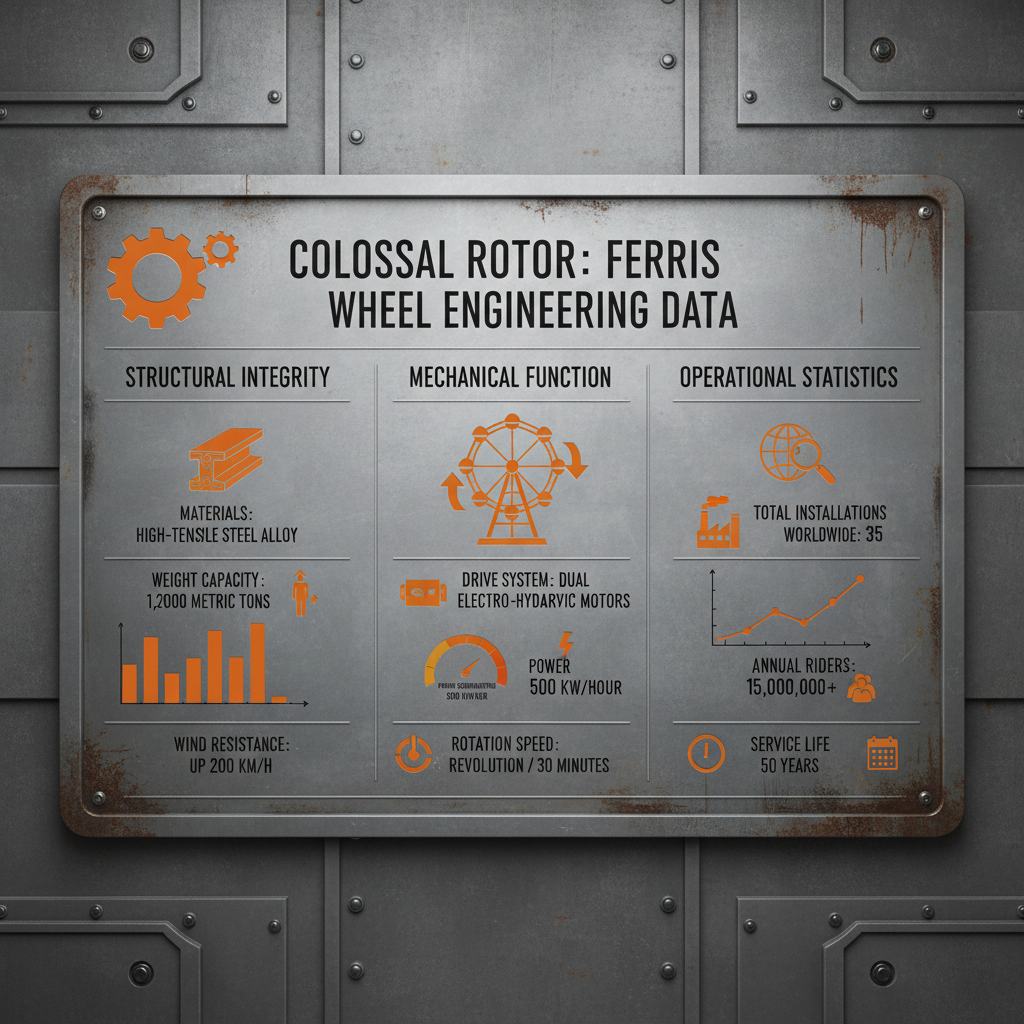
The engineering behind a giant ferris wheel is a complex interplay of structural mechanics, load distribution, and rotational dynamics. The wheel itself typically consists of a large steel frame supporting numerous passenger capsules or cars. The key challenge lies in ensuring the structure can withstand immense static and dynamic loads, including the weight of the passengers, wind forces, and the stresses induced by continuous rotation.

Finite Element Analysis (FEA) plays a crucial role in the design process, allowing engineers to model and simulate the stresses on every component. A carefully designed hub and spoke system ensures even distribution of weight, while counterweights help maintain balance and minimize the torque required to rotate the wheel. Redundancy in critical components is also a standard practice to enhance safety and prevent catastrophic failure.

Furthermore, the rotational speed is meticulously calculated to provide a smooth and comfortable ride for passengers, considering factors like gravitational forces and potential acceleration/deceleration discomfort. The entire system is designed to operate reliably under varying weather conditions and maintain a consistent speed.

Materials and Construction of giant ferris wheel

Modern giant ferris wheels predominantly utilize high-strength steel alloys for the primary structural components. These materials offer an optimal balance of strength, ductility, and weldability, crucial for withstanding the immense stresses associated with the structure's scale and operation. High-tensile steel cables are also critical components, supporting the capsules and transferring loads to the main frame.

The construction process is a logistical undertaking. Large steel sections are often prefabricated offsite and then transported to the installation location for assembly. Heavy-lift cranes are essential for positioning and connecting these massive components. Welding is a critical aspect of the construction, requiring highly skilled welders and rigorous quality control procedures to ensure the integrity of the joints. Non-destructive testing methods, such as ultrasonic and radiographic inspection, are employed to identify any potential flaws.

Capsules themselves are often constructed from a combination of steel, acrylic, and glass, offering panoramic views while ensuring passenger safety and comfort. Advanced glazing techniques are used to minimize distortion and maximize clarity. Climate control systems are integrated into the capsules to maintain a comfortable temperature regardless of external weather conditions.

Operational and Safety Aspects of giant ferris wheel

The safe operation of a giant ferris wheel relies on a robust suite of safety systems and operational procedures. Redundant braking systems, emergency power backups, and sophisticated sensor networks are standard features. Real-time monitoring of wind speed, structural stress, and cabin occupancy is crucial for maintaining a safe operating environment.

Operational Efficiency Metrics for giant ferris wheel


Global Economic Impact of giant ferris wheel

Giant ferris wheels generate significant economic benefits for the cities that host them. They attract both domestic and international tourists, boosting revenue for local hotels, restaurants, and other businesses. The construction phase itself creates employment opportunities, and the ongoing operation requires a skilled workforce for maintenance and operation.

Beyond direct revenue, these structures often act as catalysts for urban revitalization, spurring investment in surrounding areas. They become iconic landmarks, enhancing a city’s brand image and attracting further development. The presence of a prominent attraction like a giant ferris wheel can also raise property values in the vicinity.

Sustainability and Future Trends of giant ferris wheel

Sustainability is becoming an increasingly important consideration in the design and operation of giant ferris wheels. Efforts are being made to reduce energy consumption through the use of energy-efficient lighting, regenerative braking systems (which capture energy during deceleration), and optimized cabin climate control.

Future trends point towards even more innovative designs, including the incorporation of renewable energy sources like solar panels and wind turbines. The use of lightweight, high-performance materials, such as carbon fiber composites, could also reduce the overall weight of the structure and improve energy efficiency. Smart technology, including AI-powered monitoring systems, will play a greater role in optimizing operations and predicting maintenance needs.

Maintenance and Lifecycle of giant ferris wheel

Maintaining a giant ferris wheel is a continuous and demanding process. Regular inspections of all structural components, cables, and mechanical systems are essential. Non-destructive testing methods are used to detect any signs of fatigue or corrosion.

Lubrication of bearings and other moving parts is crucial for smooth operation. The lifecycle of a giant ferris wheel is typically estimated at 50-75 years, but this can be extended through proactive maintenance and timely repairs. Major components may require refurbishment or replacement after several decades of operation.

A Comparative Analysis of Maintenance Strategies for giant ferris wheel

Maintenance Strategy Initial Cost Long-Term Cost Operational Impact
Reactive Maintenance Low (1/10) High (8/10) Significant Downtime (6/10)
Preventive Maintenance Medium (5/10) Medium (5/10) Moderate Downtime (4/10)
Predictive Maintenance High (8/10) Low (3/10) Minimal Downtime (2/10)
Condition-Based Monitoring Medium (6/10) Medium (4/10) Low Downtime (3/10)
Remote Diagnostics Medium (7/10) Low (3/10) Minimal Downtime (1/10)
Automated Inspection High (9/10) Very Low (2/10) No Downtime (0/10)

FAQS

What are the primary safety features incorporated into modern giant ferris wheel designs?

Modern giant ferris wheels prioritize safety with multiple redundant systems. These include multiple independent braking systems, automated cabin locking mechanisms, robust structural monitoring sensors, comprehensive emergency power backups, and sophisticated wind speed monitoring that automatically halts operations when thresholds are exceeded. Regular inspections, strict adherence to ISO standards, and rigorous maintenance schedules further ensure passenger safety and operational reliability.

How does the height of a giant ferris wheel affect its structural integrity and engineering challenges?

Increasing height significantly amplifies the engineering challenges. Greater height means increased wind loads, greater stress on structural components, and a larger potential energy hazard in case of failure. This necessitates the use of stronger, more durable materials, more complex structural designs, and more sophisticated control systems to maintain stability and safety. The design requires meticulous analysis of wind dynamics and potential sway to ensure a comfortable and secure ride.

What materials are commonly used in the construction of giant ferris wheel cabins, and why?

Giant ferris wheel cabins are typically constructed using a combination of high-strength steel for the structural frame, acrylic or laminated glass for panoramic viewing panels, and durable, weather-resistant materials for the interior. Steel provides the necessary structural integrity, while acrylic and glass offer exceptional clarity and visibility. The materials are chosen to withstand varying weather conditions and ensure passenger comfort and safety.

How is the weight distribution managed in a giant ferris wheel to ensure smooth rotation?

Weight distribution is critical for smooth operation. Engineers employ a carefully balanced design, utilizing counterweights and strategically positioning the hub and spoke system to distribute loads evenly. The capsules are designed to accommodate a similar maximum weight, minimizing imbalances. Sophisticated control systems constantly monitor and adjust for minor weight shifts due to passenger movement, ensuring a consistent rotational speed and a comfortable ride.

What role does technology play in the real-time monitoring and maintenance of a giant ferris wheel?

Technology is integral to modern giant ferris wheel monitoring and maintenance. Sensor networks continuously monitor structural stress, wind speed, cabin occupancy, and mechanical system performance. This data is analyzed in real-time, allowing for predictive maintenance and early detection of potential issues. Remote diagnostic systems enable engineers to troubleshoot problems remotely, minimizing downtime and enhancing operational efficiency.

What are the key sustainability considerations in the design and operation of these structures?

Sustainability is increasingly vital. Designs prioritize energy efficiency through LED lighting, regenerative braking, and optimized HVAC systems. Materials selection favors those with a lower environmental impact. The integration of renewable energy sources, like solar panels, is gaining traction. Furthermore, waste reduction and responsible water management are incorporated into operational procedures, reducing the environmental footprint of these large structures.

Conclusion

In conclusion, the giant ferris wheel stands as a testament to human ingenuity, blending engineering prowess with architectural artistry. From its humble beginnings in Chicago to the modern marvels gracing skylines worldwide, it continues to captivate audiences and contribute significantly to the global tourism industry. Understanding the intricacies of its design, construction, operation, and sustainability is crucial for continued innovation and responsible development.

Looking ahead, the future of giant ferris wheels promises even more exciting advancements. We can expect to see greater integration of renewable energy, smarter monitoring systems, and more sustainable materials. These innovations will not only enhance the experience for visitors but also ensure that these iconic structures remain safe, reliable, and environmentally responsible for generations to come. Visit our website at www.zprollercoaster.com to learn more.


Michael Evans

Michael Evans

Michael Evans is a Senior Design Engineer at Zhipao Group, specializing in track glide systems and dynamic cinema technology. He’s been with the company for three years and brings a fresh perspective to innovative ride design. Michael’s background is in aerospace engineering, lending his expertise in structural analysis and motion
Previous Comprehensive Analysis of Ferris Wheel Cost Factors and Project Considerations
Next The High Roller Ferris Wheel A Modern Engineering and Tourism Icon