Understanding the ferris wheel cost is crucial for developers, amusement park operators, and city planners alike. Accurate cost assessment influences project feasibility, return on investment, and ultimately, the public's access to these iconic attractions. The complexities surrounding this cost extend beyond simple material expenses, encompassing design, engineering, installation, safety certifications, and ongoing maintenance. This knowledge allows for optimized budgeting and strategic decision-making throughout the lifecycle of a ferris wheel project.
Globally, the demand for amusement park rides, including ferris wheels, continues to grow, driven by tourism and leisure spending. Emerging markets are particularly keen on establishing modern entertainment venues, creating significant opportunities for manufacturers and suppliers. However, fluctuating material prices, evolving safety regulations, and the need for innovative designs present ongoing challenges to managing ferris wheel cost effectively. Careful consideration of these factors is essential for successful projects.
Analyzing ferris wheel cost offers valuable insights into the broader manufacturing and construction industries. It demands a comprehensive understanding of material science, structural engineering, and logistics. Furthermore, it underscores the importance of risk management and meticulous planning to mitigate potential cost overruns and ensure project completion within budget. A thorough grasp of these elements translates to more efficient and sustainable development of large-scale attractions.
Defining Ferris Wheel Cost
Ferris wheel cost isn’t simply the price tag for the steel and gondolas. It's a composite figure encompassing all expenditures associated with bringing a ferris wheel from concept to operation. This includes detailed design work, sourcing of materials (steel, acrylic, lighting), manufacturing, transportation to the installation site, assembly, rigorous safety testing, and obtaining necessary permits and certifications.
In modern industry, accurately calculating ferris wheel cost is paramount for ensuring profitable ventures. It affects capital budgeting, investor confidence, and the overall financial viability of entertainment projects. Understanding these costs allows for better risk assessment and the development of competitive pricing strategies for operation.
Global Relevance and Challenges
The demand for amusement park attractions, particularly ferris wheels, is a global phenomenon. From iconic landmarks like the High Roller in Las Vegas to smaller installations in local fairs, these structures draw tourists and enhance community entertainment options. According to the International Association of Amusement Parks and Attractions (IAAPA), the global attractions industry generates billions in revenue annually, a significant portion of which is tied to ride construction and operation.
However, several challenges impact ferris wheel cost. Fluctuations in steel prices, driven by global economic factors, can significantly increase project expenses. Supply chain disruptions, as witnessed in recent years, can lead to delays and increased material costs. Furthermore, increasingly stringent safety regulations require advanced engineering and testing, adding to the overall investment.
A key problem facing the industry is the need to balance cost-effectiveness with innovation and sustainability. Customers are increasingly demanding more eco-friendly attractions, pushing manufacturers to explore greener materials and energy-efficient designs, which can often come with a higher initial cost. Effective cost management requires a holistic approach, considering both immediate expenses and long-term sustainability.
Core Components of Ferris Wheel Cost
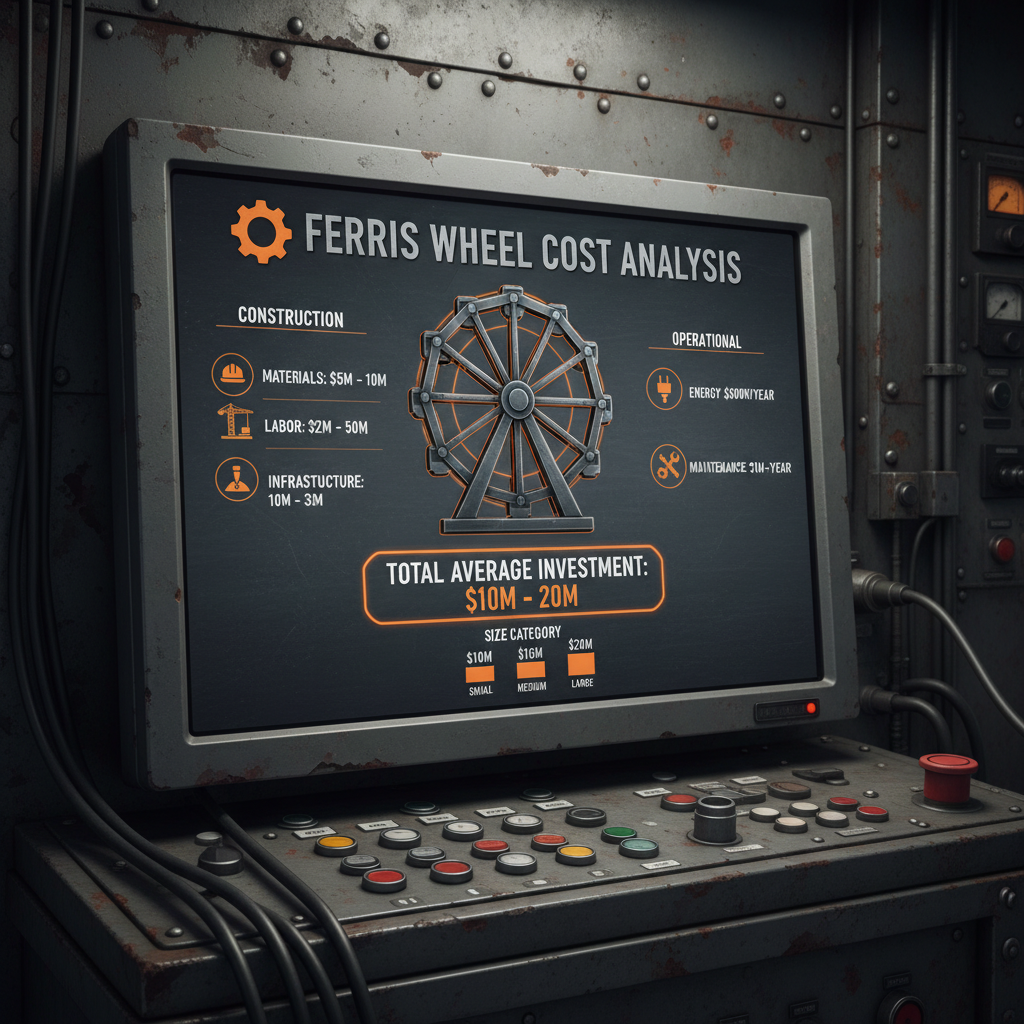
The total ferris wheel cost can be broken down into several key components. First, there's the engineering and design phase, which includes detailed structural analysis, ride dynamics calculations, and aesthetic design. This can represent a significant portion of the budget, especially for custom designs. Second, material costs - primarily steel, but also acrylic for gondolas, and electrical components - significantly influence the overall price.
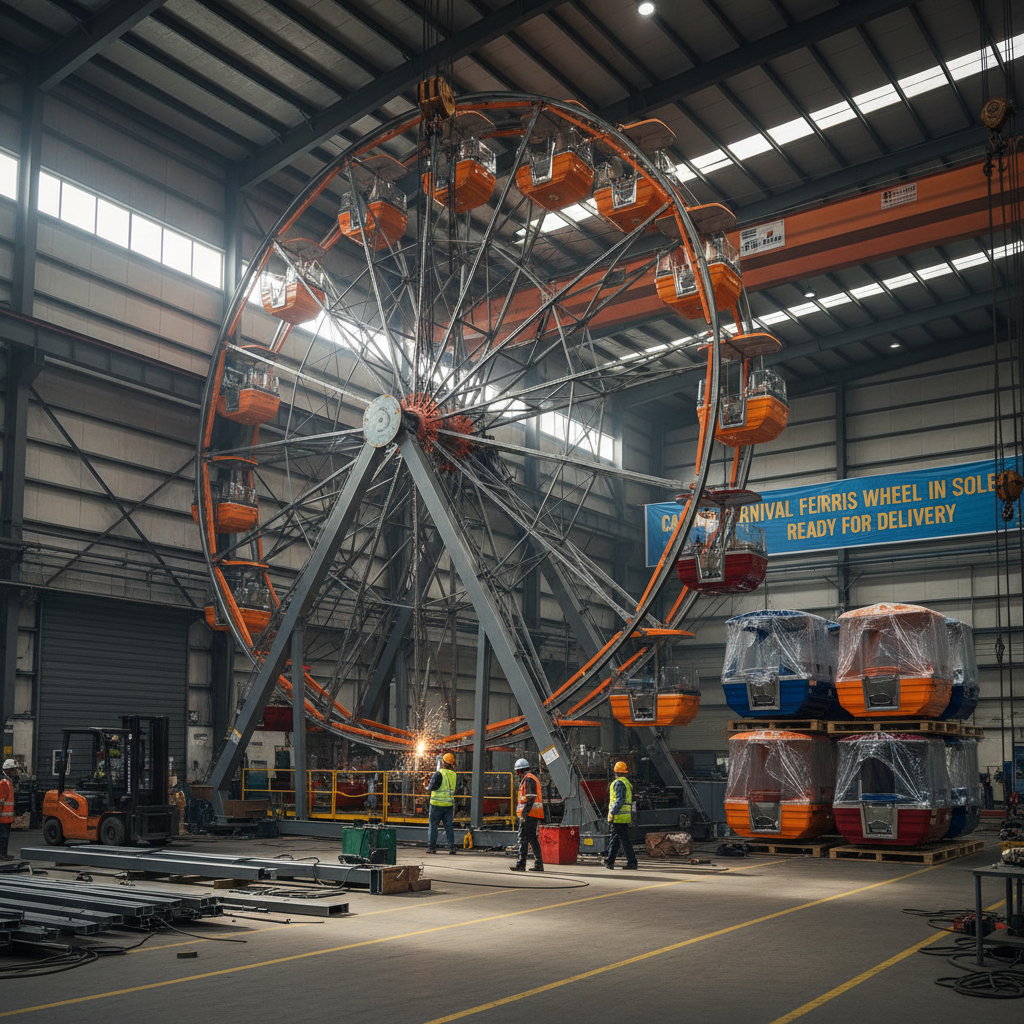
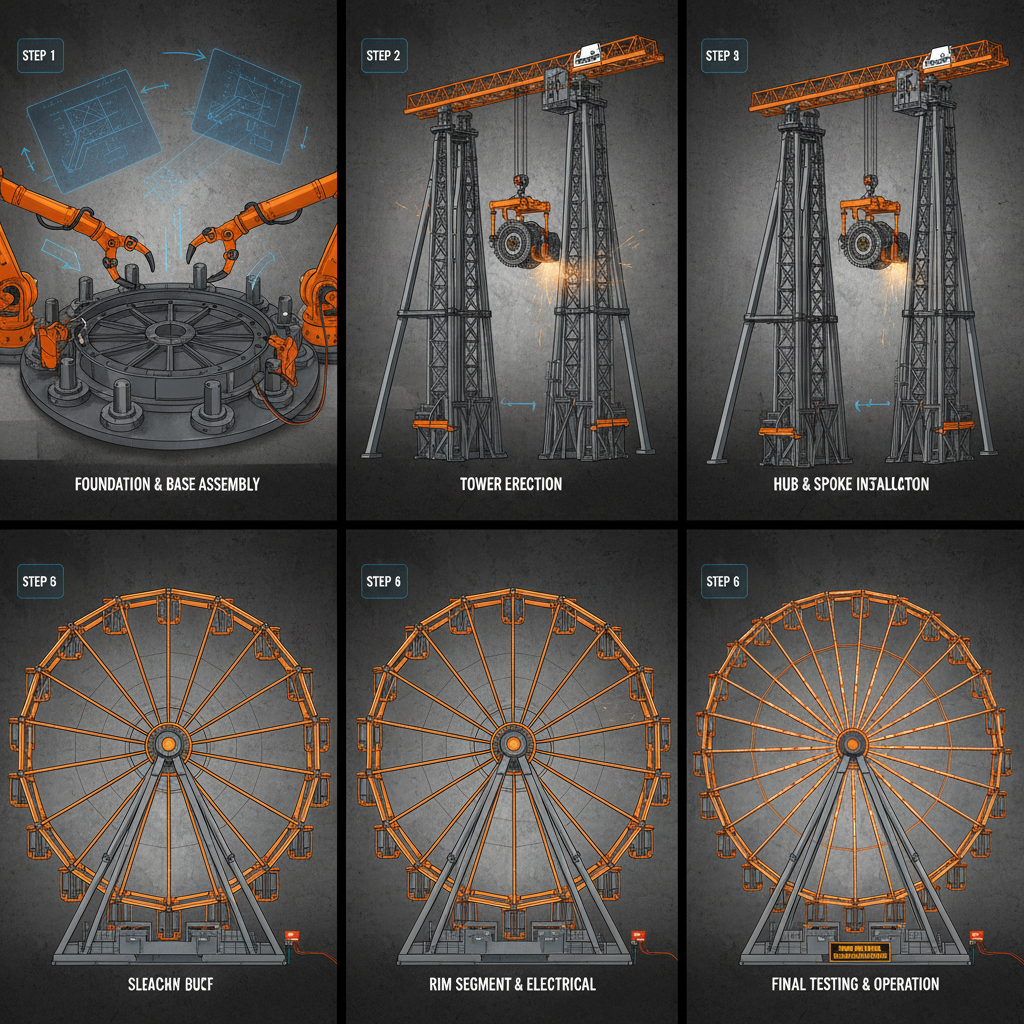
Manufacturing and fabrication represent another major expense. This encompasses the actual construction of the wheel structure, gondolas, and supporting components. Labor costs, specialized equipment, and quality control procedures all contribute to this phase's expense. Transportation and installation represent a substantial financial hurdle, especially for large ferris wheels requiring specialized cranes and skilled assembly teams.
Finally, ongoing maintenance and operational costs must be factored in. Regular inspections, lubrication, parts replacement, and safety certifications contribute to the long-term cost of ownership. These costs are often underestimated in initial budget projections.
Factors Influencing Ferris Wheel Cost
Several factors can significantly impact the final ferris wheel cost. The size and height of the wheel are primary determinants, as larger structures require more materials, more complex engineering, and more robust support systems. The complexity of the design also plays a role – unique or custom designs are generally more expensive than standardized models.
Location and site conditions can add substantial costs. Difficult terrain, limited access, or the need for extensive site preparation can increase installation expenses. Permitting and regulatory requirements vary significantly by region, and compliance with local safety standards can drive up costs.
Ferris Wheel Cost Breakdown by Method
Global Applications of Ferris Wheels
Ferris wheels have become a staple in amusement parks, theme parks, and entertainment complexes around the globe. Cities often utilize them as iconic landmarks, attracting tourists and boosting local economies. For instance, the London Eye provides panoramic views of the city and draws millions of visitors annually.
Beyond permanent installations, portable ferris wheels play a crucial role in traveling carnivals and fairs, providing entertainment to communities in diverse locations. They are also increasingly used as temporary attractions at festivals and special events. Furthermore, developers are exploring innovative applications, such as incorporating ferris wheels into mixed-use developments and creating enclosed, climate-controlled cabins for year-round operation.
Long-Term Value and Benefits
Investing in a ferris wheel offers significant long-term value. Beyond the direct revenue generated through ticket sales, these attractions enhance the overall appeal of a destination, attracting visitors and stimulating local economic growth. A well-maintained ferris wheel can serve as a long-lasting landmark, becoming synonymous with a city or resort.
The social impact of ferris wheels is also considerable. They provide a unique and memorable experience for families and individuals, fostering a sense of community and creating lasting memories. From a sustainability perspective, modern ferris wheel designs are increasingly incorporating energy-efficient technologies and environmentally friendly materials, minimizing their ecological footprint.
Future Trends in Ferris Wheel Development
The future of ferris wheel development is focused on innovation and sustainability. We are seeing a trend towards larger, more technologically advanced wheels, incorporating features such as LED lighting displays, climate-controlled cabins, and interactive entertainment systems. The use of advanced materials, such as carbon fiber composites, is being explored to reduce weight and improve structural efficiency.
Furthermore, developers are exploring the integration of renewable energy sources, such as solar panels, to power ferris wheel operations, reducing reliance on traditional energy grids. Digitalization is also playing a role, with the development of mobile apps and online ticketing systems to enhance the customer experience and streamline operations.
The rise of “observation wheels” – enclosed, air-conditioned capsules offering panoramic views – is a significant trend. These provide a more comfortable and weather-independent experience, expanding the operational season and attracting a wider range of visitors.
Key Factors in Assessing Future Ferris Wheel Development
| Technological Advancement |
Sustainability Impact |
Cost-Effectiveness Score (1-10) |
Market Demand |
| Advanced Materials (Carbon Fiber) |
Reduced Weight, Enhanced Durability |
7 |
High |
| LED Lighting & Interactive Displays |
Energy Efficiency, Enhanced Aesthetics |
8 |
Medium-High |
| Solar Power Integration |
Reduced Carbon Footprint |
6 |
Medium |
| Climate-Controlled Capsules |
Extended Operational Season |
9 |
High |
| Digital Ticketing & Mobile Apps |
Improved Customer Experience |
7 |
Medium-High |
| Automated Maintenance Systems |
Reduced Downtime & Maintenance Costs |
6 |
Medium |
FAQS
A well-maintained modern ferris wheel typically has a lifespan of 50-75 years. However, this can vary depending on factors such as environmental conditions, frequency of use, and the quality of materials and construction. Regular inspections and preventative maintenance are crucial for maximizing lifespan and ensuring safety.
Land preparation costs can vary dramatically, ranging from 5% to 20% of the total ferris wheel cost. This depends heavily on site conditions. Difficult terrain, the need for extensive excavation, soil stabilization, and utility relocation can all significantly increase these expenses. A thorough site assessment is essential for accurate budgeting.
Ferris wheel operation requires compliance with stringent safety regulations and certifications. These typically include standards set by organizations like ASTM International and local governing bodies. Regular inspections by certified engineers are mandatory, alongside ongoing operator training and safety protocols. Failure to comply can result in hefty fines and operational shutdowns.
The height of a ferris wheel is a major cost driver. Taller wheels require stronger materials, more complex engineering, and larger, more powerful motors. Installation costs also increase significantly with height, as specialized cranes and skilled labor are needed. Roughly, each incremental increase in height can add tens of millions to the overall project cost.
The Return on Investment (ROI) period for a large ferris wheel can range from 7 to 15 years, depending on factors like location, attendance rates, ticket prices, and operating costs. Prime locations with high tourist traffic typically achieve faster ROI. Effective marketing and ancillary revenue streams (restaurants, shops) can further accelerate profitability.
Environmental regulations can significantly impact ferris wheel cost. Requirements for environmental impact assessments, noise mitigation, and waste management can add to project expenses. Increasingly, there's pressure to use sustainable materials and reduce energy consumption, which may involve higher upfront costs but offer long-term benefits.
Conclusion
In conclusion, understanding ferris wheel cost is a multifaceted endeavor that extends beyond simple material expenses. It requires careful consideration of design, engineering, installation, maintenance, and evolving regulatory standards. A thorough assessment of these factors is crucial for ensuring project feasibility, maximizing return on investment, and delivering a safe and enjoyable experience for visitors. Investing in proper planning and utilizing innovative technologies can significantly mitigate risks and optimize costs throughout the lifecycle of a ferris wheel project.
Looking ahead, the future of ferris wheel development will be driven by sustainability, innovation, and enhanced customer experiences. By embracing new materials, energy-efficient designs, and digital technologies, developers can create iconic attractions that not only entertain but also contribute to a more sustainable and vibrant future. We encourage you to explore further insights and potential collaborations by visiting our website: ferris wheel cost.