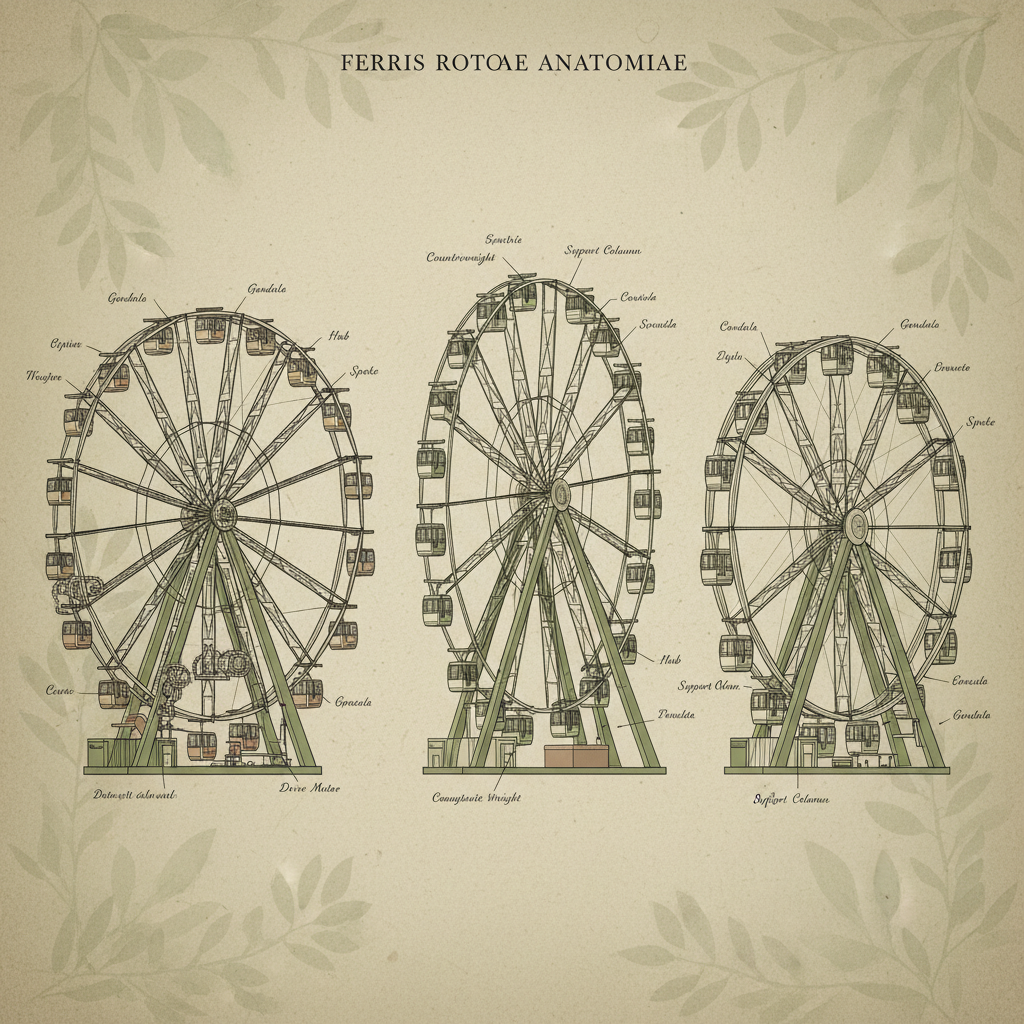
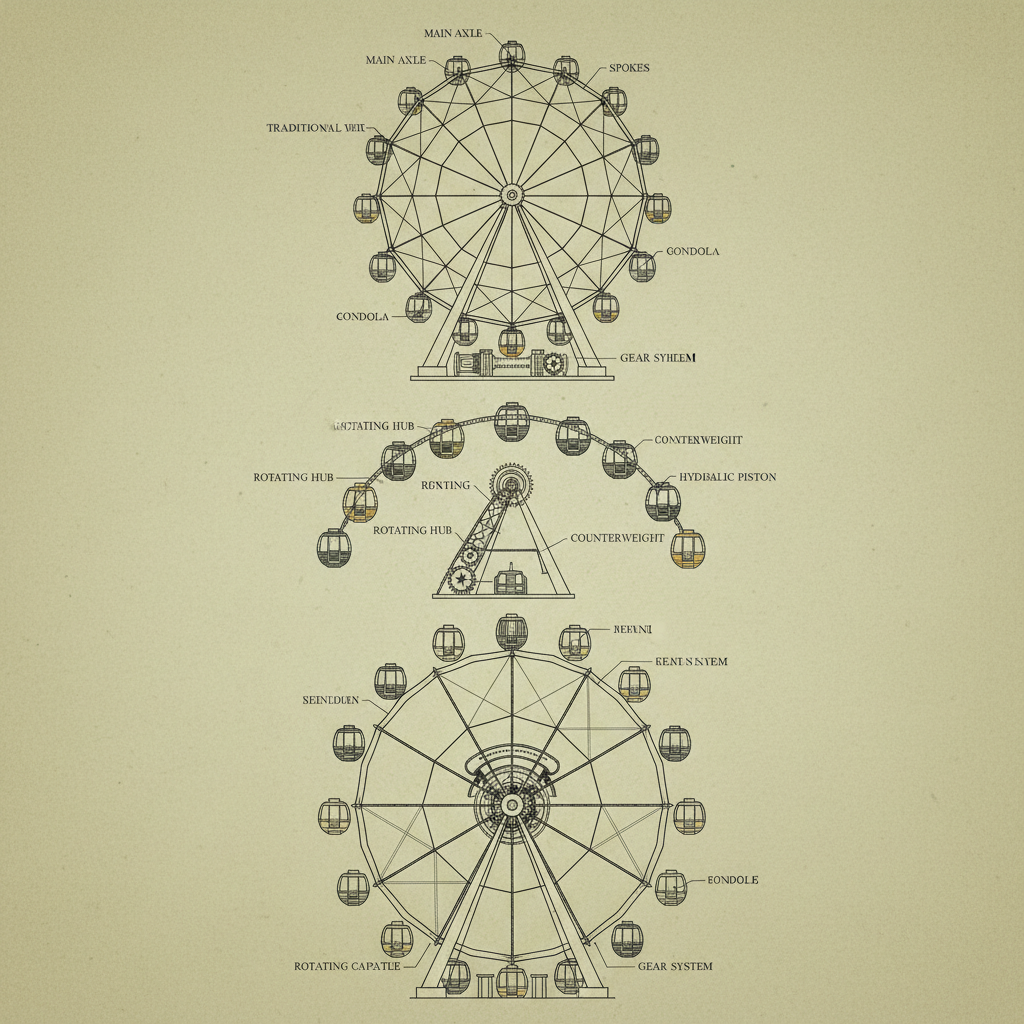
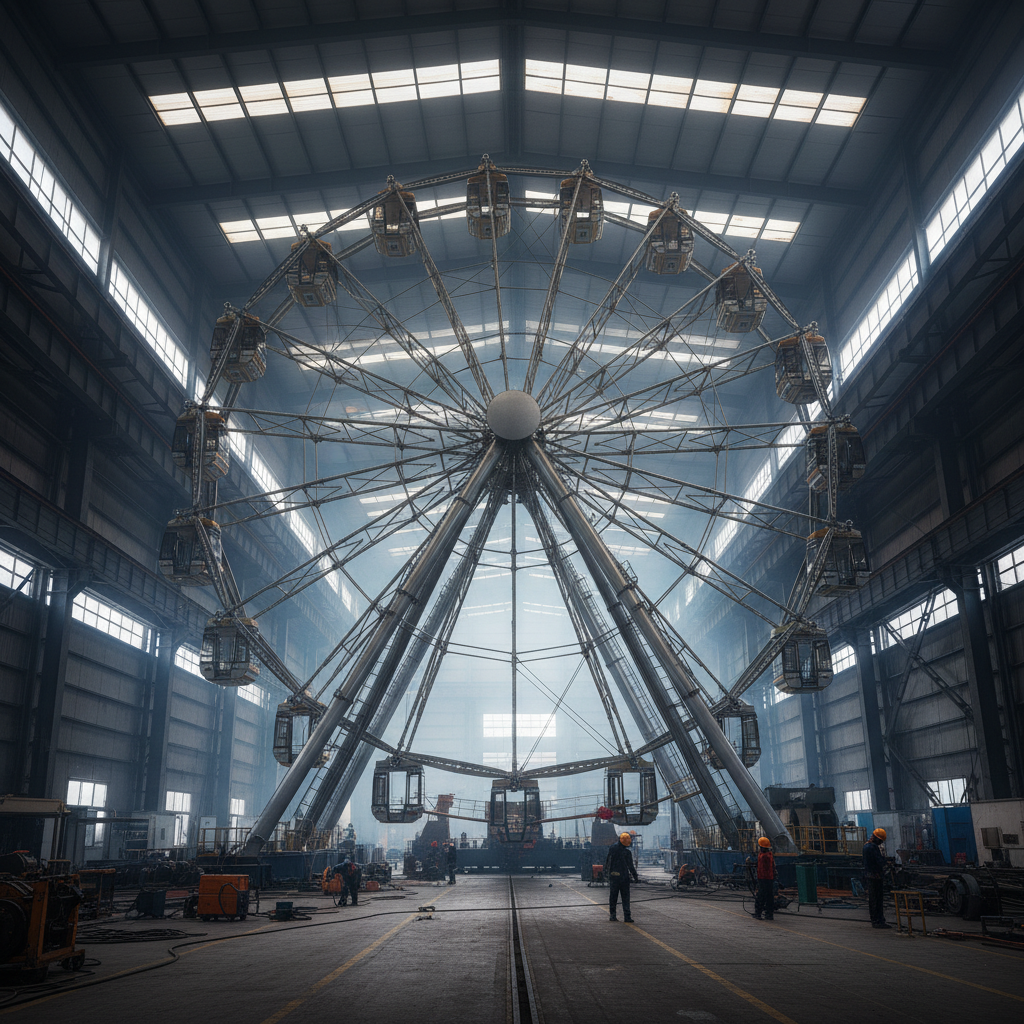
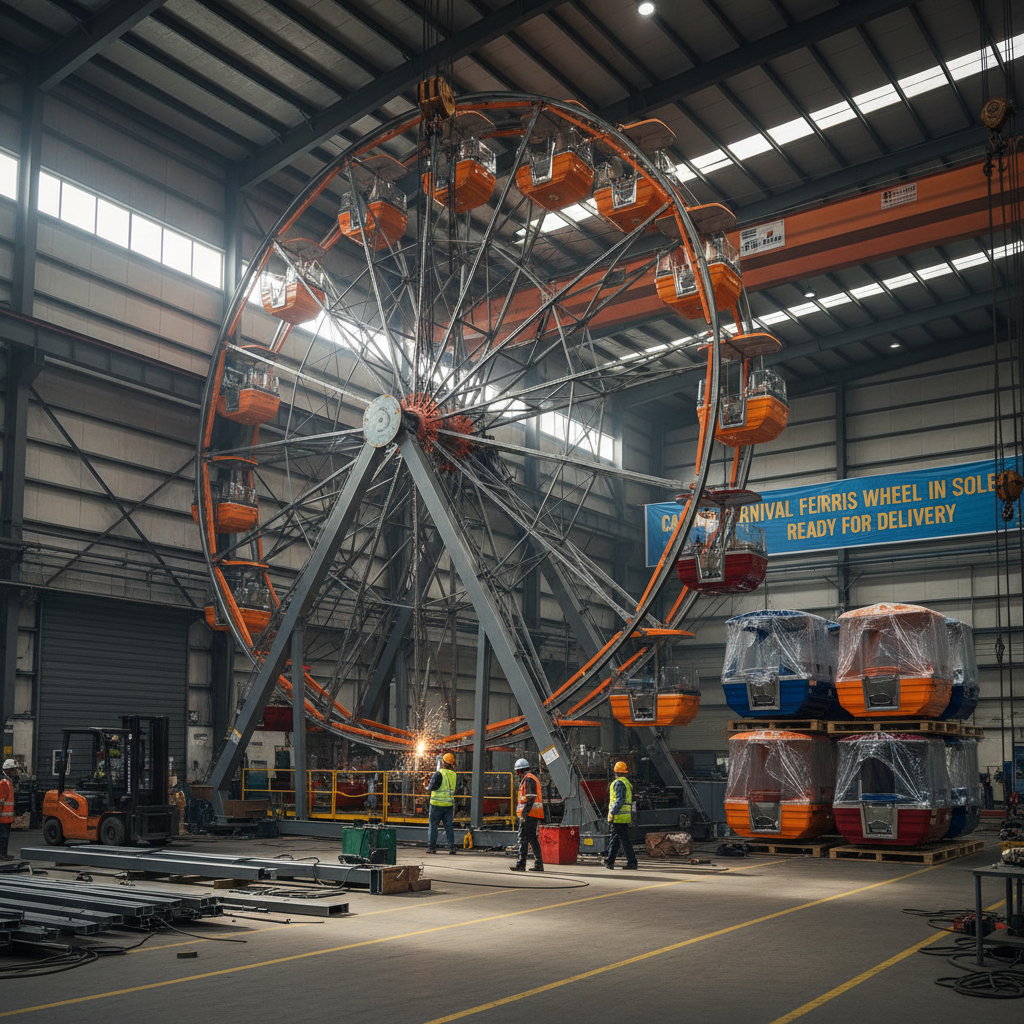
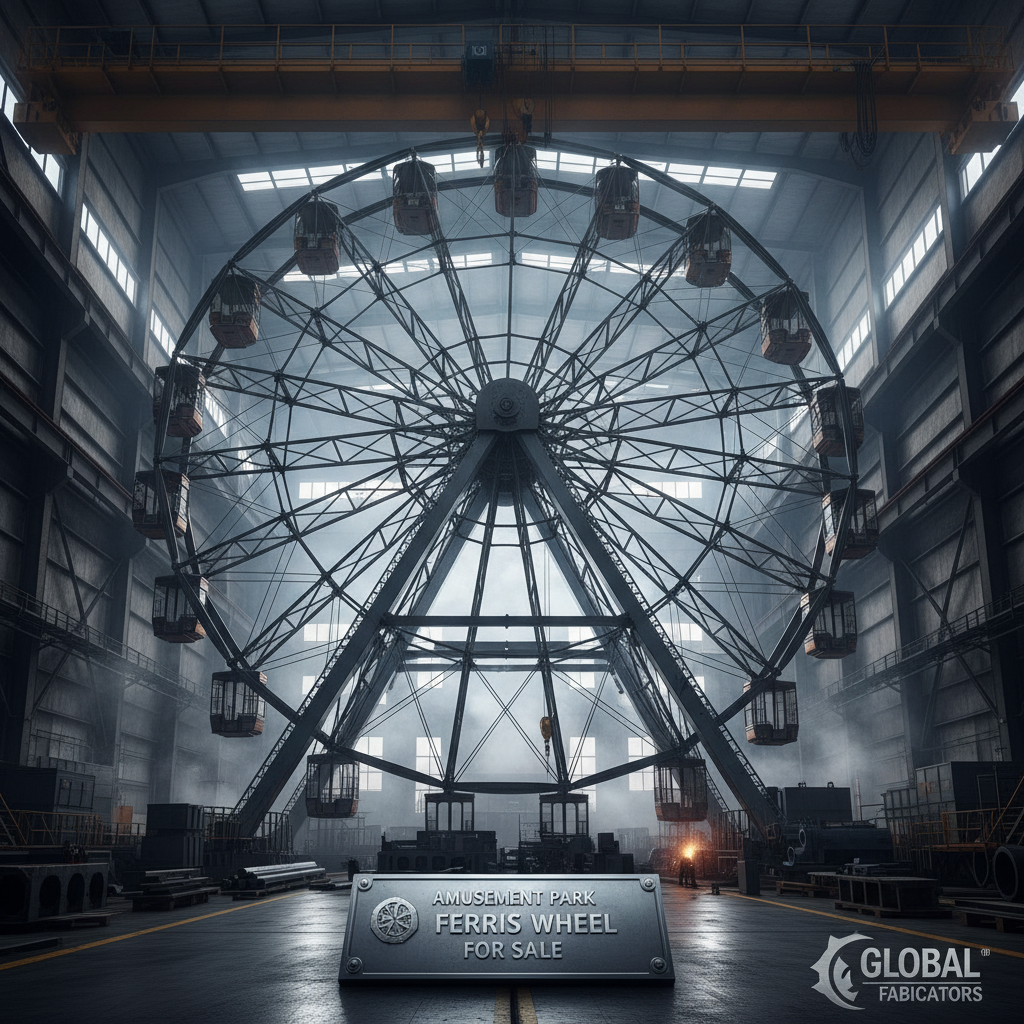
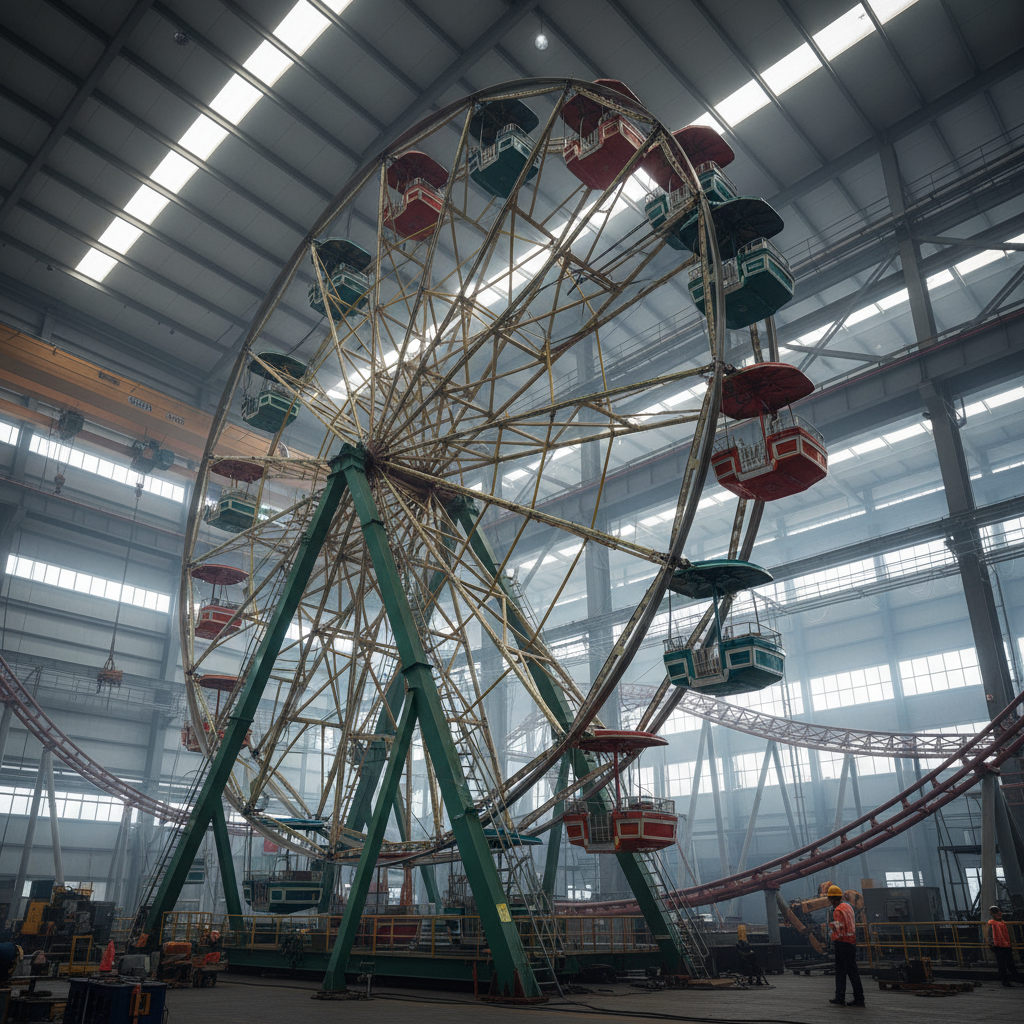
Look, these days everyone’s talking about modular ferris wheels, right? It's all the rage. Seems like every trade show has three or four companies pushing ‘em. Frankly, I’m a little tired of the hype. But… it's not all hype. There’s a reason they’re getting attention. I've spent the last fifteen years crawling around construction sites, and I've seen what works, and what’s just… well, pretty pictures. What people often don't realize is how deceptively simple these things look. Designing a ferris wheel that actually stays up, doesn't wobble, and can handle a decent gust of wind? That's where it gets tricky.
To be honest, the biggest headache I see is folks getting hung up on aesthetics before they nail the fundamentals. They want fancy gondolas, LED lighting, the whole shebang. It's like building a house and picking out the wallpaper before you lay the foundation. A disaster waiting to happen. You've got to get the core structure right, the load-bearing capacity, the safety factors… everything. Then you can add the bells and whistles. I encountered this at a factory in Tianjin last time, they were so focused on making it ‘Instagrammable’ that they forgot to properly weld a critical support beam. Scared the heck out of me.
Anyway, I think what makes these modular designs tick is the materials. They’re mostly using high-strength steel, obviously. It smells… well, like steel, you know? That metallic tang. But it’s the grade of steel that matters. It needs to be properly galvanized too, or you're looking at rust issues within a year, especially near the coast. And the connections… those are crucial. I’ve seen too many using cheap bolts that shear under stress. They're switching to high-tensile alloy bolts with locking washers, which is a good sign. But you really need to inspect those connections yourself, don't just trust the paperwork. You feel it, you tap it, you make sure it’s solid.
The Rise of Modular Ferris Wheels
Honestly, you're seeing more and more of these pop up. The big driver is speed of deployment. Traditional ferris wheels? Weeks, months to install. These modular ones? A few days, if everything goes smoothly. That's a huge selling point for amusement parks and event organizers. And transport is easier, too. Strangely, a lot of these manufacturers are coming out of China. Not that that's a bad thing, just... noticeable.
It's not just about speed, either. Modular designs allow for easier maintenance and repairs. If a section gets damaged, you can swap it out without taking the whole thing down. Which, believe me, saves a lot of money and hassle. But it also means you need a good inventory of spare parts. I've seen sites shut down for days just waiting for a replacement gondola.
Design Pitfalls and Common Mistakes
Okay, so what are the things that keep me up at night when I’m inspecting these things? One big one is underestimating the wind load. You gotta factor in the maximum expected wind speed for the location, plus a safety margin. A big safety margin. I’ve seen designs where the calculations were… optimistic, let's say. And another is neglecting the dynamic loads. It's not just the weight of the gondolas and passengers, it’s the movement, the swaying, the vibrations. That all adds up.
Another thing? Connection points. The joints are where everything falls apart, literally. The way they're welded, the type of bolts used, the amount of torque applied… it all matters. I had a situation last year where a joint failed on a brand new wheel during a test run. Turns out the welders weren't properly certified. A real headache.
And for goodness sake, don’t skimp on the safety features. Redundancy is key. Multiple braking systems, emergency descent mechanisms, fail-safe mechanisms… you name it. It’s better to over-engineer than to risk a catastrophe.
Material Matters: Steel, Bolts, and Beyond
Let’s talk materials. High-strength steel is the workhorse, obviously. But it's not all the same. You want something with good weldability and corrosion resistance. And the thickness… that's critical. Too thin, and you're asking for trouble. Too thick, and you’re adding unnecessary weight and cost. It's a balancing act. I've noticed a trend towards using more lightweight alloys, which can be good, but you need to be careful about fatigue resistance.
Then there are the bolts. Don't even get me started on the bolts. You want high-tensile alloy steel, grade 8.8 or higher. And they need to be properly tightened to the specified torque. I’ve seen guys using impact wrenches and just winging it. That's a recipe for disaster. And locking washers are essential to prevent them from loosening over time. Seriously, pay attention to the bolts. They’re the small things that make a big difference.
The gondolas themselves? Fiberglass is common, but you also see aluminum and composite materials. Fiberglass is relatively cheap and lightweight, but it can be prone to cracking. Aluminum is more durable but more expensive. Composites are the high-end option, offering the best strength-to-weight ratio, but they're also the most costly. It really depends on the budget and the intended use.
Real-World Testing and Load Capacity
Lab tests are fine, but nothing beats real-world testing. I want to see a prototype wheel subjected to simulated wind loads, dynamic loads, and a full complement of passengers. They need to stress test it to the max, and then some. And it’s not just about the structure itself. You’ve got to test the braking systems, the emergency descent mechanisms, the control systems… everything.
Load capacity is another critical factor. You need to know exactly how much weight the wheel can safely carry. And that includes not just the passengers, but also the weight of the gondolas, the structure, and any additional equipment. Overloading a ferris wheel is just… asking for trouble. You'd be surprised how many operators try to sneak extra passengers on board.
Ferris Wheel Component Strength Ratings
How People Actually Use Them
You know, it’s funny. You design these things with a certain use in mind, but people always find ways to surprise you. I've seen couples propose marriage in the gondolas, families celebrating birthdays, kids just being kids. They even try to sneak pets on board sometimes. Later… forget it, I won’t mention it.
What I've noticed is people love the view. That’s the main draw. They want to see the city from a different perspective. And they want to share that experience with their friends and family. That's why the gondolas are often decorated with lights and sound systems. It's all about creating a memorable experience.
Advantages, Disadvantages, and Customization Options
The big advantage of these modular ferris wheels, as we've said, is the speed of deployment and the ease of maintenance. They're also generally cheaper to build than traditional wheels, especially for smaller sizes. But they're not without their drawbacks. They can be less visually impressive than traditional wheels, and they may not be able to handle the same level of traffic.
Customization is where things get interesting. You can change the number of gondolas, the height of the wheel, the lighting, the sound system, the color scheme… you name it. I had a client who wanted a gondola shaped like a giant pineapple. It was… unusual. But hey, if they're willing to pay for it, who am I to argue?
A Case Study: The Shenzhen Smart Home Boss
Last month, that small boss in Shenzhen who makes smart home devices insisted on changing the interface to , and the result was… a complete nightmare. He wanted to control the wheel’s lighting and sound system through his proprietary app, and he insisted on using a connection for everything. We tried to explain that it wasn’t practical, that it would be unreliable, but he wouldn’t listen.
He ended up blowing out the control board twice, and we had to scramble to find a replacement. It delayed the whole project by a week. He learned a valuable lesson, though. Sometimes, sticking with standard interfaces is the best approach. You don't mess with things you don't understand.
The wheel's now running smoothly, thankfully, using good old-fashioned Ethernet. And the boss? He's a bit more humble these days.
Ferris Wheel Component Quality Control Summary
| Component |
Inspection Criteria |
Severity of Failure |
Recommended Action |
| Steel Frame Sections |
Weld Integrity, Material Grade |
Critical (Immediate Shutdown) |
Complete Re-weld, Material Certification |
| Gondola Connections |
Bolt Torque, Locking Washer Presence |
High (Restricted Operation) |
Re-torque All Bolts, Inspect Washers |
| Braking System |
Response Time, Pad Wear |
Critical (Immediate Shutdown) |
Full System Overhaul, Pad Replacement |
| Gondola Shells |
Crack Detection, Structural Integrity |
Medium (Limited Capacity) |
Repair or Replace Damaged Shells |
| Control System |
Software Version, Error Logs |
Medium (Monitoring Required) |
Software Update, Log Analysis |
| Emergency Descent |
Activation Test, Cable Tension |
Critical (Immediate Shutdown) |
Full System Inspection & Reset |
FAQS
That really depends on the location and how well it's maintained, but generally you're looking at a major overhaul every 10-15 years. Coastal locations with high salt content will need more frequent attention. And honestly, it's not just about time, it's about usage. A wheel that runs constantly will wear out faster than one that's only used seasonally. Regular inspections are key - checking for corrosion, fatigue cracks, and loose connections. You can't skip those.
The biggest ones are structural failure, mechanical failure, and electrical hazards. Structural failure could be caused by corrosion, fatigue, or improper design. Mechanical failure could be related to the braking system, the drive mechanism, or the gondola connections. And electrical hazards can come from faulty wiring or lightning strikes. Redundancy in all critical systems is absolutely essential, and regular inspections by qualified personnel are a must.
You can customize them a fair bit, but there are limitations. You can change the color, the upholstery, the lighting, and the sound system. You can even add windows or screens. But you can’t drastically alter the shape or the weight of the gondolas without affecting the overall balance of the wheel. And anything you do has to meet strict safety standards. That pineapple wheel I mentioned earlier? It took a lot of engineering to make sure it was safe.
Generally, modular wheels are cheaper to build, especially for smaller sizes. The cost savings come from the simplified design, the use of standardized components, and the faster construction time. But the long-term costs can be higher if you have to replace parts frequently or perform major repairs. It really depends on the quality of the materials and the workmanship. You get what you pay for, as they say.
The foundation is critical. You typically need a reinforced concrete foundation that's designed to withstand the weight of the wheel, the wind loads, and the dynamic forces. The size and depth of the foundation will depend on the size of the wheel and the soil conditions. You’ll need to get a geotechnical engineer involved to assess the site and design the foundation properly. Don't skimp on the foundation – it's the base of everything.
Absolutely. You want to look for compliance with ISO 8957 and EN 13814. These standards cover the design, manufacture, and testing of fairground equipment. Also, make sure the manufacturer has a quality management system in place, such as ISO 9001. And don't be afraid to ask for references and inspect their facilities. Due diligence is key.
Conclusion
So, modular ferris wheels. They're not a silver bullet, but they offer a lot of advantages – speed, flexibility, and cost-effectiveness. But they also come with their own set of challenges. You need to pay attention to the details, from the materials to the connections to the safety features. Don’t get caught up in the hype; focus on the fundamentals.
Ultimately, whether this thing works or not, the worker will know the moment he tightens the screw. If it feels right, it probably is. If it doesn’t… well, that’s when you start asking questions. And remember, a well-built ferris wheel isn't just about engineering; it’s about creating a safe and enjoyable experience for people. That's what really matters.