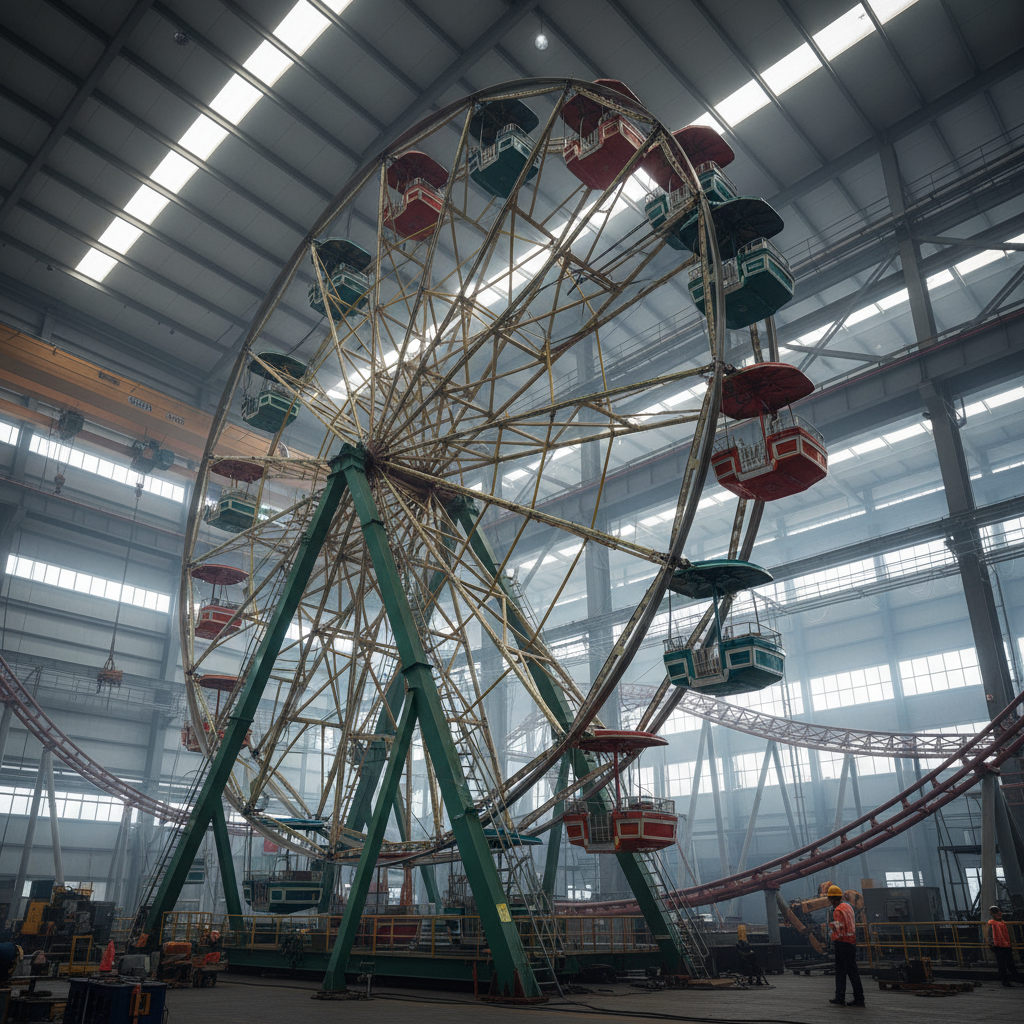
The allure of a colorful ferris wheel extends far beyond its visual appeal; it serves as a gravitational center for urban tourism and community engagement. In the competitive landscape of the amusement industry, the integration of vibrant aesthetics and precision engineering creates an emotional landmark that defines a city's skyline and attracts diverse demographics.
From a commercial perspective, investing in a colorful ferris wheel is not merely about installing a ride, but about creating a "destination" effect. The psychological impact of bright, strategic lighting combined with the thrill of height transforms a simple mechanical rotation into a memorable sensory experience, driving foot traffic and increasing the dwell time of visitors in entertainment districts.
Understanding the technical nuances behind these vibrant structures—from UV-resistant coatings to synchronized LED programmable systems—is essential for operators. By balancing structural integrity with artistic expression, developers can ensure that their colorful ferris wheel remains a sustainable, safe, and high-yield asset for decades to come.
Global Significance of the Colorful Ferris Wheel
Across the globe, the colorful ferris wheel has evolved from a fairground staple into a symbol of urban prosperity and architectural ambition. In accordance with international leisure trends and urban planning standards, these structures are now utilized as catalysts for economic revitalization in cities ranging from London to Singapore. The ability of a brightly lit wheel to act as a beacon attracts millions of tourists annually, contributing significantly to the local GDP through secondary spending in hospitality and retail.
However, the challenge lies in maintaining this visual splendor against harsh environmental conditions. The industry now adheres to strict ISO standards for structural safety and material durability to ensure that the "colorful" aspect doesn't fade under intense UV exposure or corrode in coastal saline air. The marriage of aesthetic vibrancy and rigorous engineering is what allows these wheels to remain operational and attractive for over 25 years.
Defining the Modern Colorful Ferris Wheel
At its core, a colorful ferris wheel is a giant vertical rotating wheel with passenger gondolas, distinguished by its integrated artistic lighting and high-saturation color schemes. Unlike traditional wheels, the modern iteration utilizes programmable LED matrices and advanced powder-coating technologies to create a dynamic visual experience that can change based on seasons, holidays, or city events.
This equipment bridges the gap between heavy machinery and public art. By employing sophisticated control systems, the wheel becomes a digital canvas capable of displaying complex patterns and colors, which is essential for meeting the expectations of the "Instagram generation." This shift toward visual storytelling ensures the ride is as much about the view from the top as it is about the appearance from the ground.
In terms of humanitarian and social needs, these structures often serve as symbols of hope and resilience in post-industrial cities. The installation of a colorful ferris wheel often signals a transition from a manufacturing-based economy to a service- and experience-based economy, providing jobs and restoring civic pride to neglected urban corridors.
Core Components for Maximum Visual Impact
To achieve the legendary status of a colorful ferris wheel, the choice of structural coatings is paramount. High-performance fluorocarbon paints are typically used to ensure that the vivid reds, blues, and yellows do not peel or fade under extreme weather, maintaining the attraction's "fresh" look without requiring monthly repainting.
The heart of the visual experience lies in the LED lighting system of the colorful ferris wheel. Modern installations use RGBW (Red, Green, Blue, White) pixels that are synchronized via DMX512 protocols, allowing operators to create seamless color gradients and flashing sequences that can be seen from miles away, effectively turning the wheel into a city-wide lighthouse.
Beyond the lights, the design of the gondolas plays a critical role in the colorful ferris wheel aesthetic. Transparent acrylics combined with internal ambient lighting ensure that the pods themselves glow, creating a "pearl necklace" effect when the wheel rotates, which adds a layer of sophistication to the overall architectural silhouette.
Key Performance Metrics and Efficiency
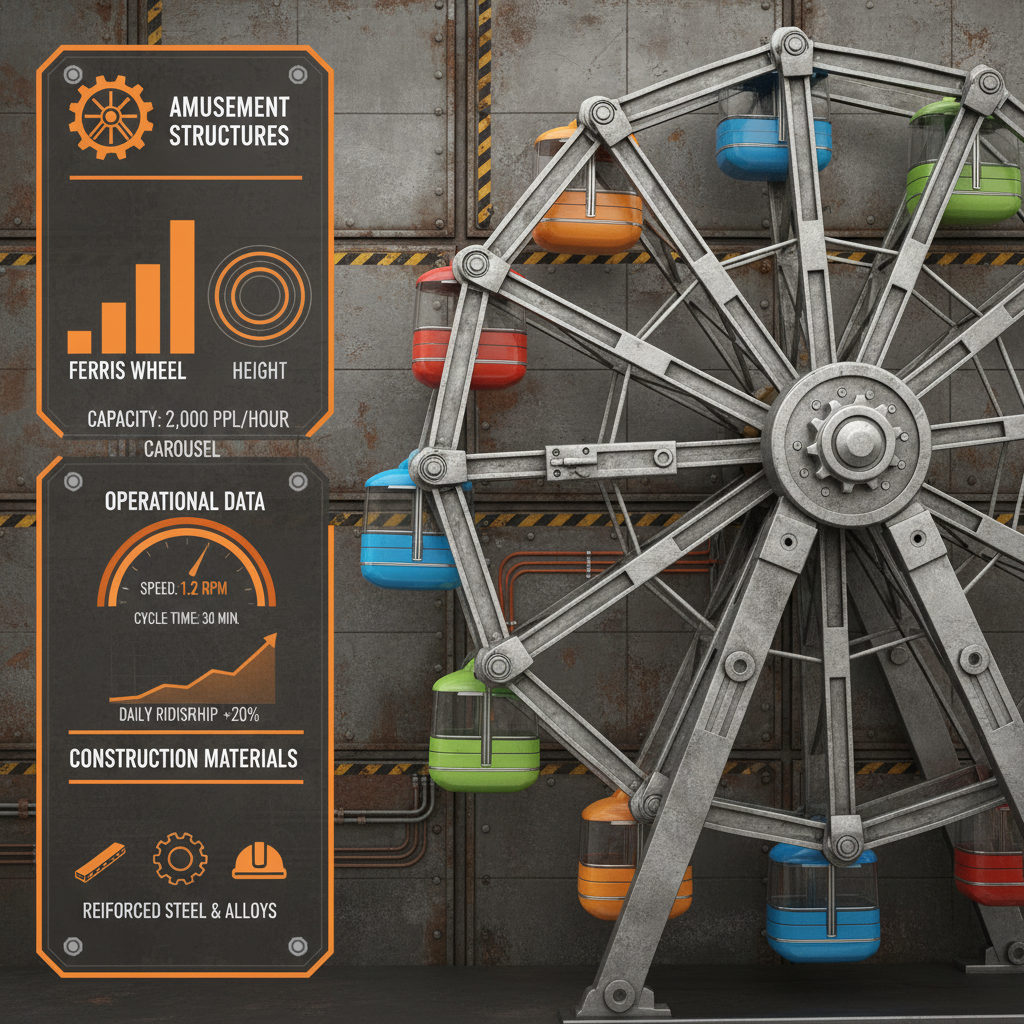
When evaluating the success of a colorful ferris wheel, operators look at the balance between energy consumption and visual output. The transition from traditional halogen lamps to smart LED systems has reduced power costs by up to 70% while increasing the color gamut available for display.
Furthermore, the operational efficiency is measured by the "Turnaround Time per Cycle," ensuring that the visual spectacle does not compromise the throughput of passengers. High-capacity loading systems allow for a steady stream of visitors, maximizing revenue without overcrowding the boarding area.
Visual and Operational Performance of Colorful Ferris Wheel Variants
Global Applications and Urban Use Cases
The application of the colorful ferris wheel varies significantly by region. In Southeast Asian hubs, these wheels are often integrated into massive shopping complexes, serving as a vertical extension of the retail experience. In Europe, they are frequently deployed as seasonal centerpieces for Christmas markets, where the colors are programmed to reflect festive themes, driving massive short-term tourist spikes.
Beyond traditional tourism, some municipal governments use the colorful ferris wheel as a tool for "City Branding." By creating a unique lighting signature that is recognizable in aerial photography, a city can enhance its global visibility. For instance, in emerging industrial zones, the installation of a vibrant wheel provides a psychological break for workers and a social gathering point for residents, improving the overall quality of urban life.
Long-Term Value and Social Impact
Investing in a colorful ferris wheel yields tangible long-term benefits that go beyond ticket sales. The primary value lies in "Anchor Attraction" logic; the wheel draws people to an area, and those people then spend money at surrounding cafes, hotels, and shops. This symbiotic relationship creates a sustainable economic ecosystem that can support hundreds of local small businesses.
From an emotional perspective, these wheels provide a sense of dignity and wonder. The act of rising above the city in a brightly lit, safe environment offers a meditative experience that reduces stress and fosters a sense of connection with the urban environment. It becomes a place for first dates, family reunions, and celebratory moments, embedding the structure into the emotional fabric of the community.
Furthermore, the reliability of modern manufacturing ensures that these assets do not become liabilities. With predictive maintenance sensors and modular lighting components, the cost of upkeep is minimized while the perceived value remains high. The trust established through a safe, visually stunning ride translates into brand loyalty for the entire amusement park or city district.
Future Trends in Colorful Ferris Wheel Innovation
The future of the colorful ferris wheel is leaning heavily toward the "Green Revolution." We are seeing the emergence of kinetic energy recovery systems where the descent of the gondolas helps power the lighting for the next cycle. Additionally, the integration of transparent solar films on the gondola glass is turning these wheels into self-sustaining power plants.
Digital transformation is also redefining the experience. Augmented Reality (AR) is being integrated into the pods, allowing riders to see historical overlays of the city through their phones, synchronized with the colors of the wheel. This turns a simple ride into an educational journey, expanding the target audience from thrill-seekers to history buffs and students.
Automation in maintenance is the final frontier. Drone-based inspections of the colorful ferris wheel's paint and lighting are replacing dangerous manual climbs, ensuring that the structure is always in pristine condition. These innovations ensure that the wheel remains not just a piece of equipment, but a cutting-edge technological marvel.
Comparative Analysis of Colorful Ferris Wheel Technical Specifications
|
Wheel Model Type
|
Lighting Technology
|
Paint Durability (Years)
|
Energy Efficiency Score (1-10)
|
| Standard Urban Wheel |
Basic RGB LED |
5-8 Years |
6 |
| Premium Landmark Wheel |
Smart DMX Matrix |
12-15 Years |
8 |
| Eco-Friendly Edition |
Solar-Powered LED |
10-12 Years |
10 |
| Mobile Carnival Wheel |
Standard Neon/LED |
3-5 Years |
5 |
| Luxury Boutique Wheel |
Fiber-Optic Ambient |
15+ Years |
7 |
| Hyper-Modern Tech Wheel |
AI-Adaptive Lighting |
10-15 Years |
9 |
FAQS
Maintenance is achieved through a combination of high-grade fluorocarbon coatings that resist UV degradation and the use of modular LED systems. Because LEDs have a long lifespan and can be replaced individually without dismantling the entire lighting array, the wheel maintains its vibrant glow with minimal downtime.
While the initial investment in programmable lighting is higher, the long-term operational costs are often lower. Modern LED technology is far more energy-efficient than old-school lighting, and the increased attraction power usually leads to higher ticket sales, offsetting the initial cost quickly.
Yes, most modern colorful ferris wheels use DMX-controlled lighting systems. This allows operators to change the entire color palette of the wheel via software in seconds, making it possible to match national holidays, corporate branding, or special city festivals effortlessly.
They must adhere to strict international standards such as ISO and ASTM. This includes rigorous testing for wind load, structural fatigue, and electrical safety for the lighting systems. The "colorful" elements are designed to be non-obstructive to the mechanical safety components of the wheel.
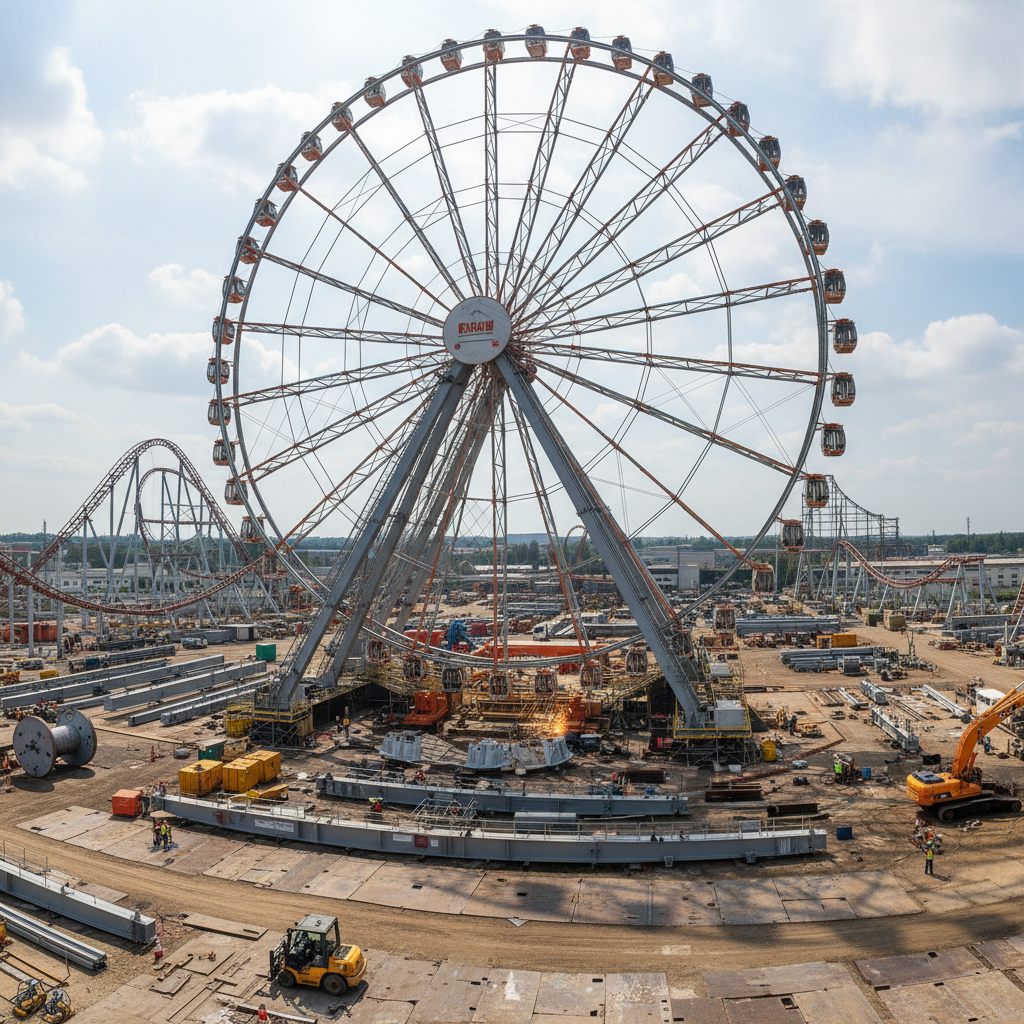
Depending on the size, installation can range from a few weeks for portable models to several months for permanent landmark wheels. This process includes foundation pouring, structural assembly, and the intricate wiring of the LED systems to ensure a flawless visual result.
Absolutely. By acting as a "visual magnet," it can transform a quiet area into a tourist destination. The social impact of providing a communal landmark often outweighs the costs, provided the wheel is marketed as part of a broader urban development strategy.
Conclusion
The colorful ferris wheel represents the perfect intersection of mechanical engineering and artistic vision. By integrating advanced LED technology, durable materials, and strategic urban placement, these structures do more than just provide a ride—they create an identity for the cities they inhabit and a lasting memory for the visitors they serve.
Looking forward, the evolution toward sustainable energy and augmented reality will only enhance the value of these attractions. For developers and city planners, the recommendation is clear: prioritize quality in lighting and coating to ensure longevity, and leverage the visual power of the wheel to drive broader economic growth. To explore the best options for your next landmark project, visit our website: www.zprollercoaster.com.