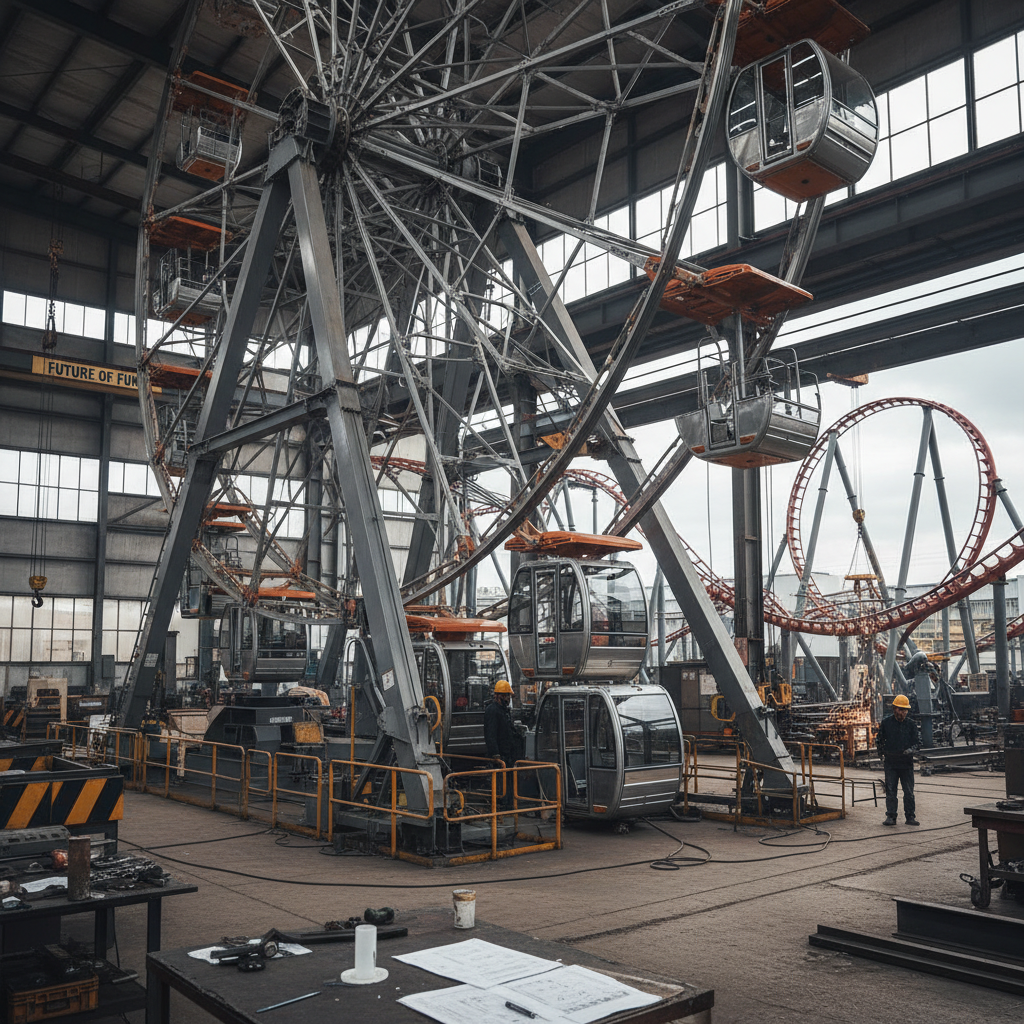
The city star ferris wheel represents more than just an amusement ride; it’s a symbol of modern engineering, a beacon of entertainment, and a testament to human ingenuity. Globally, Ferris wheels are integral to the leisure and tourism industries, attracting millions of visitors annually and contributing significantly to local economies. They serve as iconic landmarks, shaping city skylines and providing unique vantage points for experiencing urban landscapes. Understanding the intricacies of a city star ferris wheel, from its structural components to its operational considerations, is crucial for developers, operators, and anyone involved in the planning and execution of large-scale entertainment projects.
Within the specialized equipment manufacturing sector, particularly for amusement facilities, the demand for sophisticated and safe Ferris wheel technology continues to rise. The industry is evolving, driven by innovations in materials science, safety protocols, and passenger comfort. City star ferris wheels, distinguished by their unique designs and often offering advanced features, are becoming increasingly popular in urban entertainment hubs. The ability to provide a reliable, visually stunning, and economically viable Ferris wheel solution is a key differentiator for manufacturers.
The significance of the city star ferris wheel extends beyond simple recreation. It offers a unique experience for individuals and families, fosters community gathering, and boosts local tourism. Modern Ferris wheel designs are also incorporating sustainable practices, minimizing environmental impact and maximizing energy efficiency. The pursuit of innovation in this field is driving the development of new technologies and pushing the boundaries of what’s possible in large-scale amusement equipment.
The Core Principles of city star ferris wheel Design
A fundamental principle in the design of a city star ferris wheel is structural integrity. The wheel must withstand immense forces from wind, passenger load, and dynamic movement. This necessitates the use of high-strength materials, precise engineering calculations, and rigorous testing. Ensuring a smooth and comfortable ride experience is also paramount, achieved through careful consideration of gondola design, rotation speed, and vibration dampening.
Beyond structural and mechanical considerations, aesthetic design plays a critical role. A city star ferris wheel often serves as a visual landmark, and its appearance should be harmonious with the surrounding urban environment. Lighting, color schemes, and overall form factor contribute to the wheel’s impact and appeal, enhancing its value as an entertainment attraction.
The Global Market Landscape for city star ferris wheel
The global market for amusement rides, including city star ferris wheels, is experiencing consistent growth, driven by rising disposable incomes, increasing tourism, and a growing demand for unique entertainment experiences. Key markets include North America, Europe, and Asia-Pacific, with China emerging as a particularly significant growth driver. Competition among manufacturers is intense, focusing on innovation, safety, and cost-effectiveness.
The demand for customized city star ferris wheels is also on the rise, as developers seek to create unique attractions that reflect the character of their specific locations. This trend necessitates a flexible manufacturing approach, capable of accommodating diverse design requirements and operational constraints. Regulatory standards and safety certifications also play a crucial role in market access, ensuring compliance with local and international guidelines.
The rise of ‘experiential tourism’ is significantly impacting the city star ferris wheel market. Operators are increasingly seeking to integrate Ferris wheels with other attractions, creating comprehensive entertainment destinations. This includes incorporating themed gondolas, interactive displays, and dining options within the Ferris wheel experience, boosting revenue streams and enhancing visitor engagement.
Key Engineering Considerations in city star ferris wheel Construction
A crucial engineering consideration in city star ferris wheel construction is wind load analysis. The wheel's structure must be designed to withstand extreme wind conditions, ensuring passenger safety and preventing structural failure. This involves sophisticated aerodynamic modeling and the use of robust materials capable of resisting bending, torsion, and shear forces.
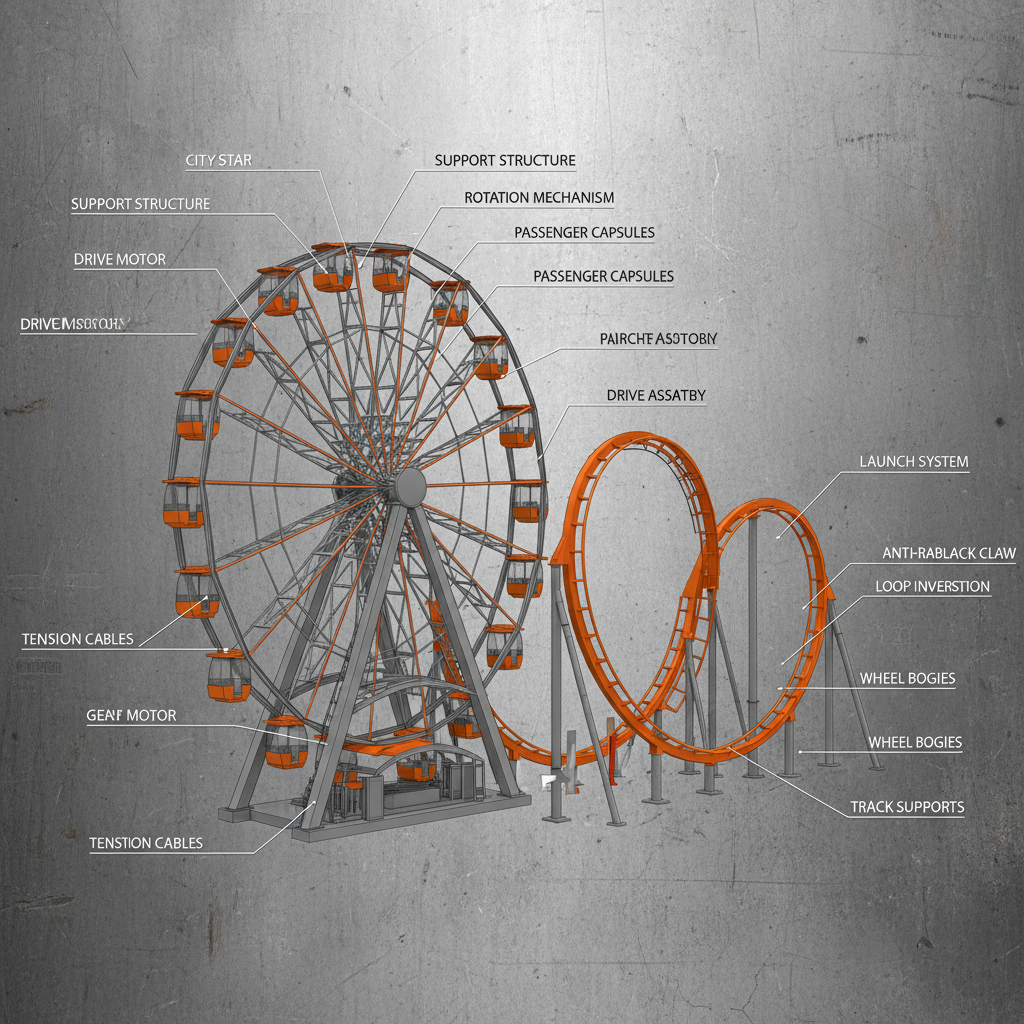
Another critical aspect is the design of the wheel's hub and spoke system. This component bears the entire weight of the gondolas and passengers, requiring meticulous engineering to ensure load distribution and minimize stress concentration. Advanced materials like high-strength steel alloys and composite materials are often employed to optimize performance and reduce weight.
The braking system is also paramount, requiring multiple layers of redundancy to ensure reliable operation in all conditions. Electro-mechanical brakes, combined with emergency fail-safe systems, are commonly used to provide precise control over the wheel's rotation and stopping power. Regular maintenance and inspection are essential to ensure the ongoing effectiveness of the braking system.
Performance Metrics and Safety Standards for city star ferris wheel
Key performance metrics for a city star ferris wheel include passenger capacity, rotation speed, uptime, and energy efficiency. Operators track these metrics to optimize performance, minimize operating costs, and maximize revenue. Regular monitoring of structural health is also crucial, utilizing sensors and data analytics to detect potential issues before they escalate.
Safety standards for city star ferris wheels are governed by international organizations such as ISO and local regulatory bodies. These standards cover all aspects of design, construction, operation, and maintenance, ensuring the safety of passengers and personnel. Compliance with these standards is mandatory for manufacturers and operators.
city star ferris wheel Safety Assessment
Applications of city star ferris wheel in Urban Development
City star ferris wheels are increasingly being integrated into urban development projects as iconic attractions that enhance a city's appeal and boost tourism. They are often strategically positioned in waterfront areas, parks, or entertainment districts, serving as focal points for leisure and recreation.
Beyond their entertainment value, city star ferris wheels can also contribute to urban revitalization efforts, attracting investment and creating new job opportunities. Their visibility and landmark status can help to raise a city's profile and attract visitors from around the world.
Long-Term Operational Benefits of city star ferris wheel
The long-term operational benefits of a city star ferris wheel extend beyond revenue generation. They include enhanced brand recognition, increased foot traffic to surrounding businesses, and a positive impact on local tourism. A well-maintained Ferris wheel can become a symbol of a city, attracting visitors for decades.
Regular maintenance and upgrades are crucial for maximizing the lifespan and profitability of a city star ferris wheel. Implementing a preventative maintenance program, utilizing advanced monitoring technologies, and investing in periodic refurbishment can significantly reduce downtime and ensure ongoing safety.
The data collected from operational systems, such as passenger counts and ride times, can be analyzed to optimize performance and improve the visitor experience. This data-driven approach allows operators to identify areas for improvement and make informed decisions about pricing, staffing, and marketing.
Future Trends and Technological Advancements in city star ferris wheel
Future trends in city star ferris wheel technology include the integration of virtual reality (VR) and augmented reality (AR) experiences within the gondolas. This will allow passengers to enhance their ride with immersive digital content, creating a more engaging and memorable experience.
The development of sustainable energy solutions, such as solar power and wind turbines, is also gaining momentum. Integrating these technologies into the Ferris wheel's design can reduce its environmental impact and lower operating costs.
Advanced sensor technologies and data analytics will play an increasingly important role in monitoring structural health, predicting maintenance needs, and optimizing performance. This will enable operators to proactively address potential issues and ensure the long-term reliability of the wheel.
Core Engineering Aspects of city star ferris wheel Design
| Structural Component |
Material Used |
Key Performance Indicator |
Maintenance Frequency |
| Wheel Hub |
High-Strength Steel Alloy |
Load Capacity (tons) |
Annual Inspection |
| Spokes |
Carbon Fiber Composite |
Flexural Strength (MPa) |
Semi-Annual Inspection |
| Gondola Frame |
Aluminum Alloy |
Weight-to-Strength Ratio |
Bi-Annual Inspection |
| Rotation Mechanism |
Precision Bearings |
Operational Efficiency (%) |
Monthly Lubrication |
| Braking System |
Electro-Mechanical Brakes |
Stopping Distance (meters) |
Quarterly Testing |
| Lighting System |
LED Lighting |
Energy Consumption (kWh) |
Annual Replacement |
FAQS
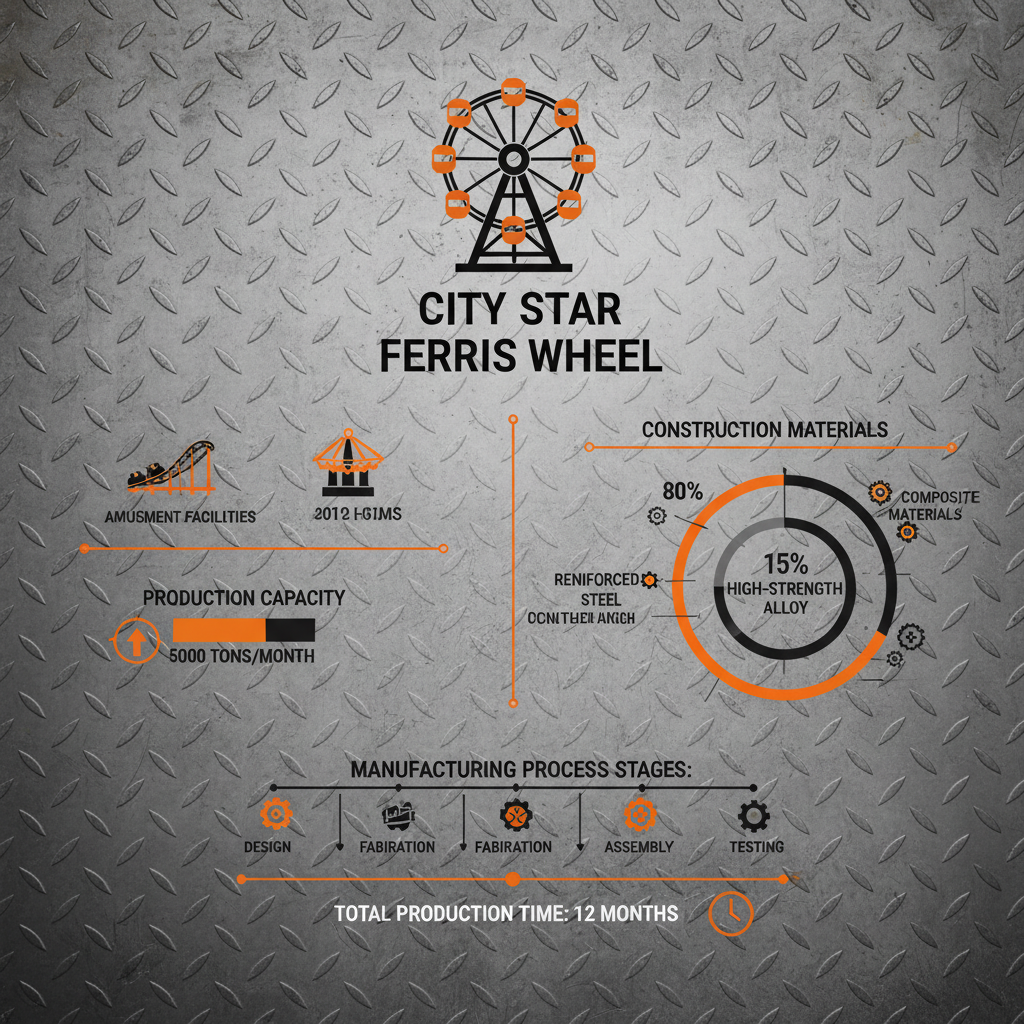
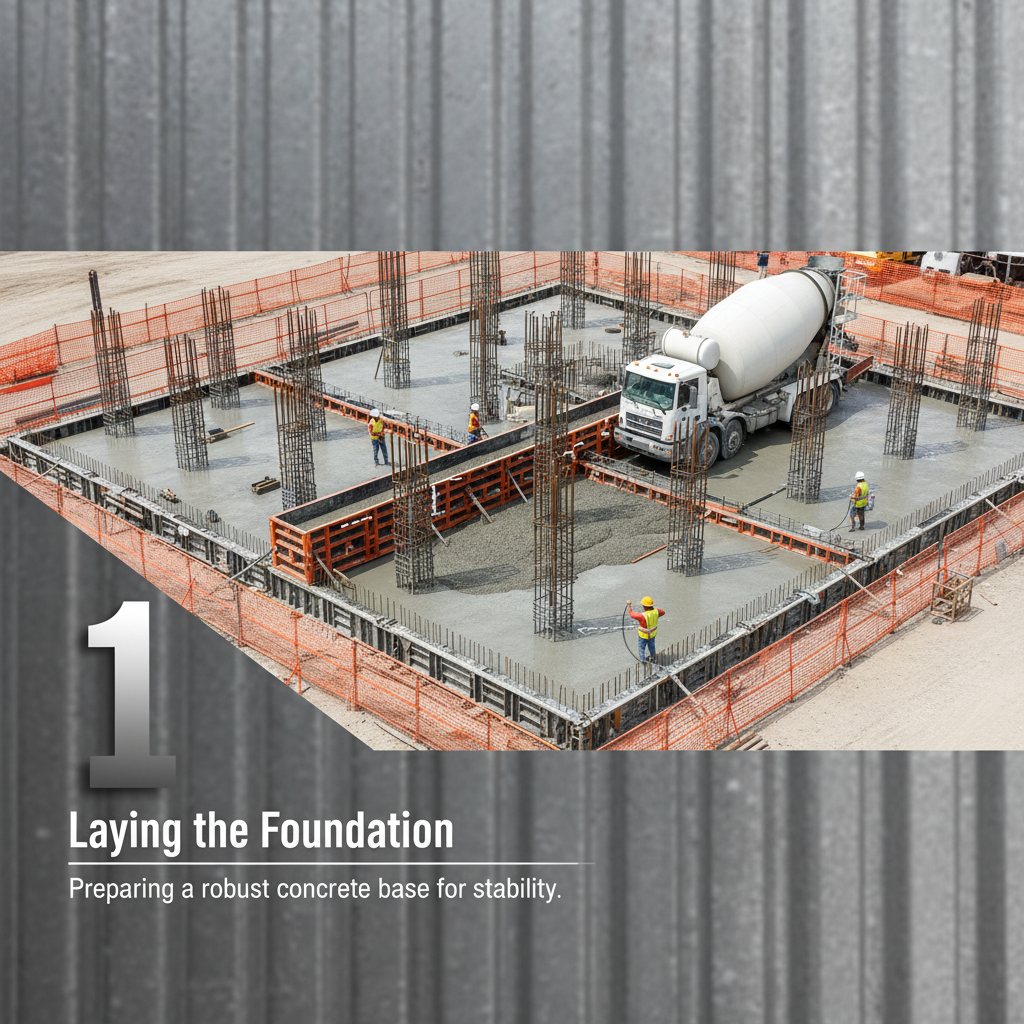
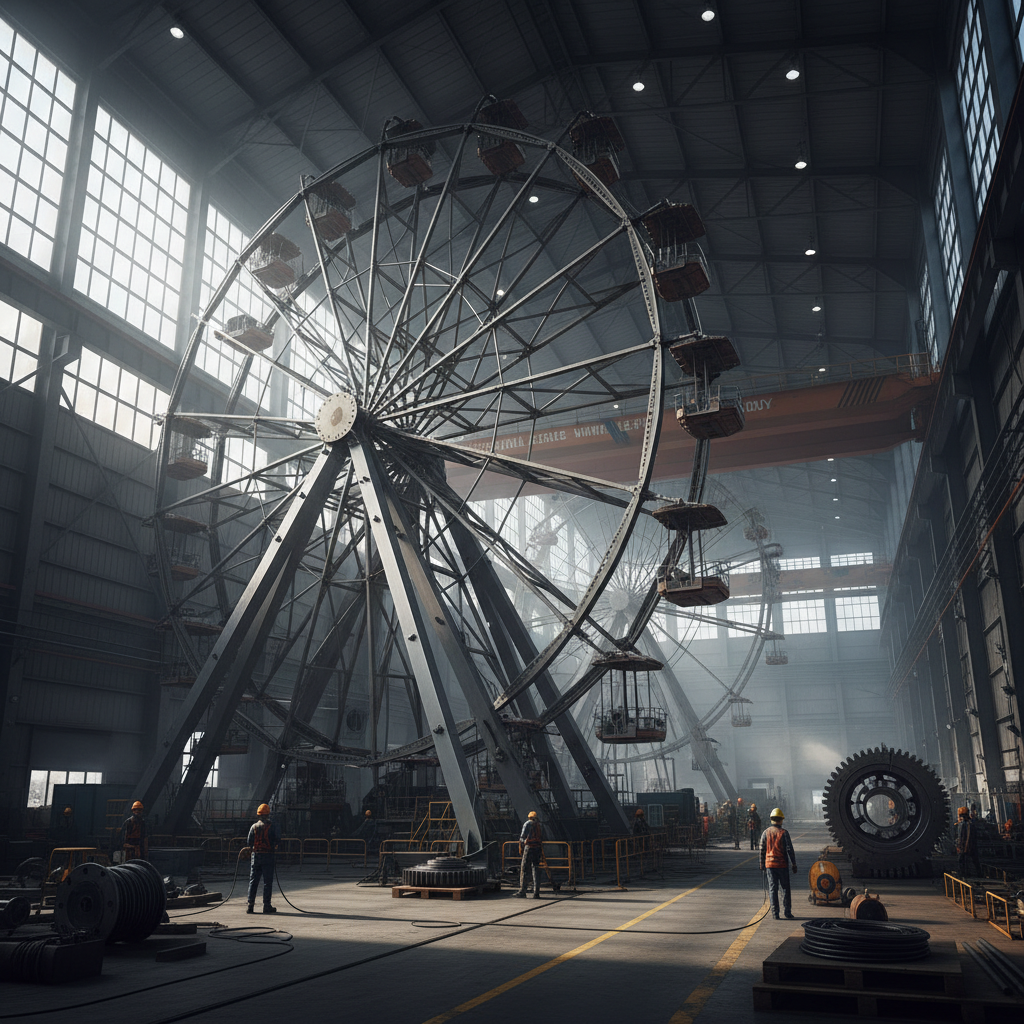
The construction timeline for a custom city star ferris wheel can vary significantly depending on the complexity of the design, the size of the wheel, and the site conditions. However, a typical project can take anywhere from 12 to 24 months from initial design to final installation. This includes engineering design, fabrication, transportation, and on-site assembly. Careful planning and coordination are crucial to ensure timely completion.
Modern city star ferris wheels incorporate numerous safety features, including redundant braking systems, automated emergency shutdown mechanisms, comprehensive structural monitoring systems, and secure gondola restraints. All designs adhere to stringent international safety standards (such as ISO) and undergo rigorous testing and certification processes. Regular inspections and maintenance are also essential for maintaining optimal safety.
The design of a city star ferris wheel prioritizes wind resistance through aerodynamic shaping, robust structural engineering, and sophisticated wind monitoring systems. The wheel’s structure is designed to withstand specified wind loads, and automated systems can adjust operation, including slowing or stopping the wheel, in response to high wind speeds. Sensors continually monitor wind conditions, ensuring passenger safety.
With proper maintenance, a city star ferris wheel can have a lifespan of 50 years or more. Regular maintenance includes inspections of structural components, lubrication of moving parts, testing of safety systems, and periodic replacement of worn parts. A comprehensive preventative maintenance program is crucial for maximizing the wheel's lifespan and ensuring ongoing safety and reliability.
Yes, sustainability can be incorporated into the design of a city star ferris wheel through various measures, including the use of energy-efficient lighting (LEDs), integration of renewable energy sources (solar panels), and the use of sustainable materials in construction. Furthermore, optimizing operational efficiency and minimizing waste can further reduce the wheel's environmental footprint.
The ROI for a city star ferris wheel depends on several factors, including location, ticket pricing, operating costs, and visitor volume. However, a well-managed Ferris wheel can generate a substantial return on investment, attracting significant tourism revenue and boosting the local economy. Careful market analysis and financial planning are essential for maximizing profitability.
Conclusion
In conclusion, the city star ferris wheel is a sophisticated piece of engineering that represents a significant investment in entertainment and urban development. Its design demands a holistic approach, prioritizing structural integrity, safety, aesthetic appeal, and operational efficiency. The ongoing evolution of this technology, driven by innovation in materials science, automation, and sustainable practices, promises to further enhance the experience and expand the applications of city star ferris wheels in the years to come.
Looking ahead, the future of city star ferris wheel design will likely be shaped by a growing emphasis on immersive experiences, sustainable practices, and data-driven optimization. Integrating virtual reality, augmented reality, and renewable energy technologies will create more engaging and environmentally responsible attractions. Manufacturers and operators who embrace these trends will be well-positioned to capitalize on the continued growth of the global amusement ride market. For more information and to explore our range of Ferris wheel solutions, visit our website: city star ferris wheel.