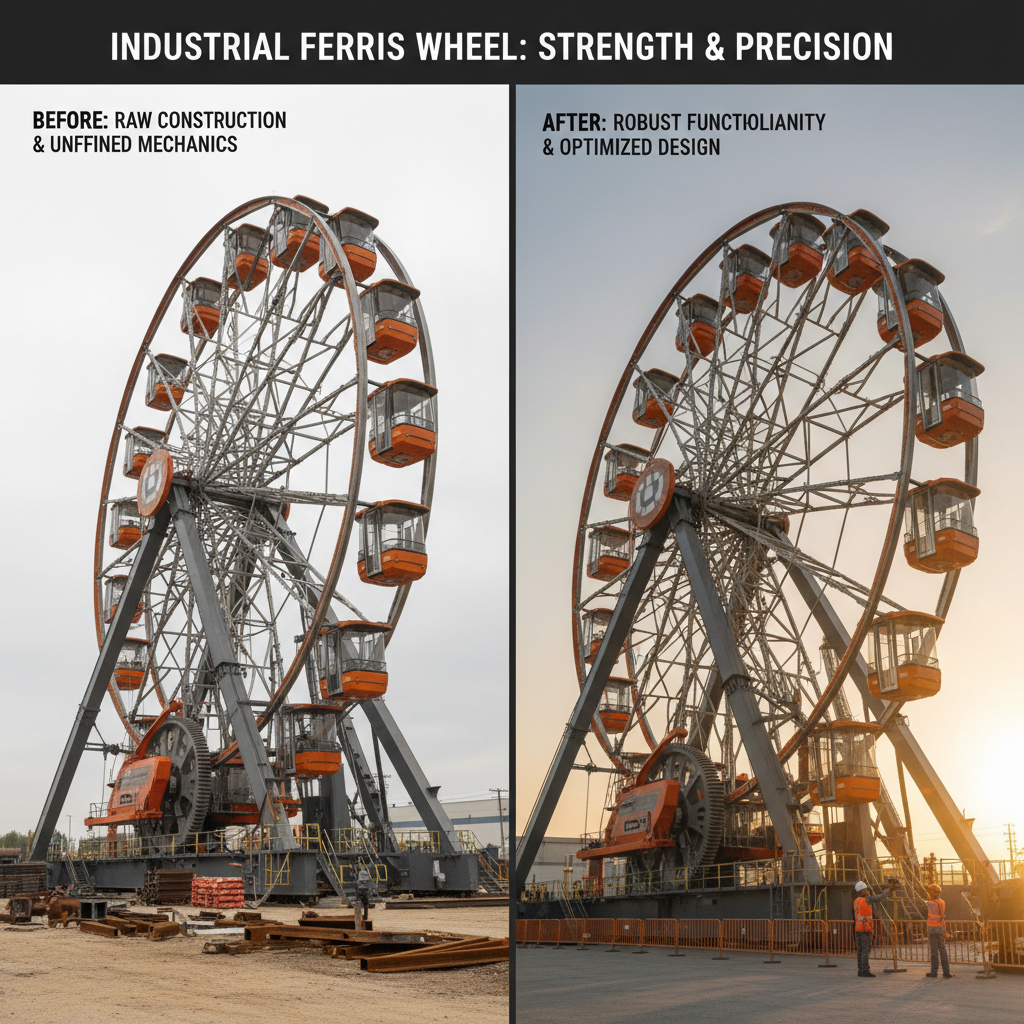
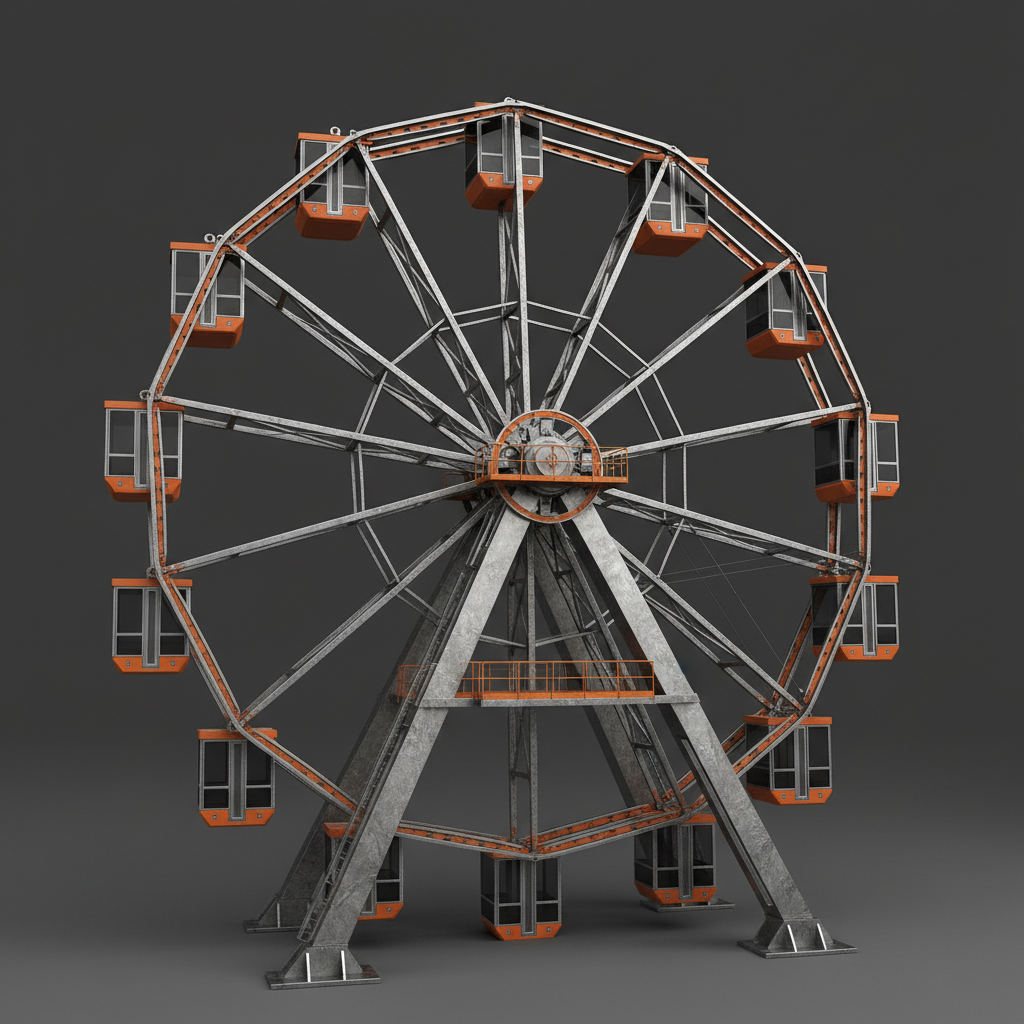
A ferris wheel, a towering symbol of amusement and engineering prowess, transcends mere entertainment. Globally recognized as a centerpiece of fairs, parks, and even city skylines, it represents human innovation and a desire for uplifting experiences. These structures aren’t just about the thrill of the ride; they’ve become cultural icons, drawing tourists and fostering community spirit across the world. The enduring popularity of a ferris wheel speaks to a fundamental human need for perspective and shared moments of joy.
The economic impact of a ferris wheel extends beyond tourism. Manufacturing, construction, and maintenance create numerous jobs, stimulating local economies. Furthermore, modern ferris wheel designs often incorporate sustainable technologies and materials, contributing to environmentally responsible development. The recent trend of observation wheels – enclosed, climate-controlled ferris wheels offering panoramic views – highlights a continued evolution in both design and functionality.
Understanding the principles behind a ferris wheel – from structural engineering to safety protocols – is crucial not only for the amusement park industry but also for fields like materials science and mechanical engineering. The ongoing improvements in ferris wheel technology have implications for other large-scale rotating structures, pushing the boundaries of what’s possible in design and construction.
The Global Significance of a ferris wheel
Across the globe, a ferris wheel consistently ranks as one of the most popular attractions at amusement parks and events. According to the International Association of Amusement Parks and Attractions (IAAPA), parks with large observation wheels see attendance increases of up to 20%. This demonstrates the significant draw these structures have on both local and international visitors. The United Nations World Tourism Organization (UNWTO) also highlights the role of iconic landmarks, such as a ferris wheel, in driving tourism revenue and creating jobs within communities.
However, the construction and operation of a ferris wheel also present challenges. Ensuring structural integrity, managing maintenance costs, and prioritizing passenger safety are paramount concerns. The industry is continually evolving to address these challenges, adopting advanced materials and technologies to improve performance and reduce risks. The demand for innovative and sustainable ferris wheel designs is increasing, reflecting a growing awareness of environmental responsibility.
Defining the Ferris Wheel Experience
At its core, a ferris wheel is a non-rotating vertical wheel with passenger-carrying cabins attached to its circumference. As the wheel rotates, the cabins rise and descend, offering riders a panoramic view of the surrounding area. The experience is unique due to the slow, deliberate pace, allowing passengers to fully appreciate the scenery and enjoy a sense of calm and wonder. Unlike high-speed thrill rides, a ferris wheel focuses on providing a relaxing and visually stimulating experience.
The modern a ferris wheel has evolved significantly from its origins in the late 19th century. Early designs were primarily constructed from wood and relied on steam power. Today, steel is the dominant material, and electric motors provide smooth, efficient operation. The addition of enclosed, climate-controlled cabins has further enhanced the riding experience, making a ferris wheel enjoyable year-round.
Beyond the ride itself, a ferris wheel often serves as a central focal point for entertainment and community gatherings. They are frequently illuminated with dazzling light displays, adding to the festive atmosphere of parks and events. The simple act of riding a ferris wheel can become a cherished memory, symbolizing fun, connection, and a unique perspective on the world.
Core Components and Engineering Principles
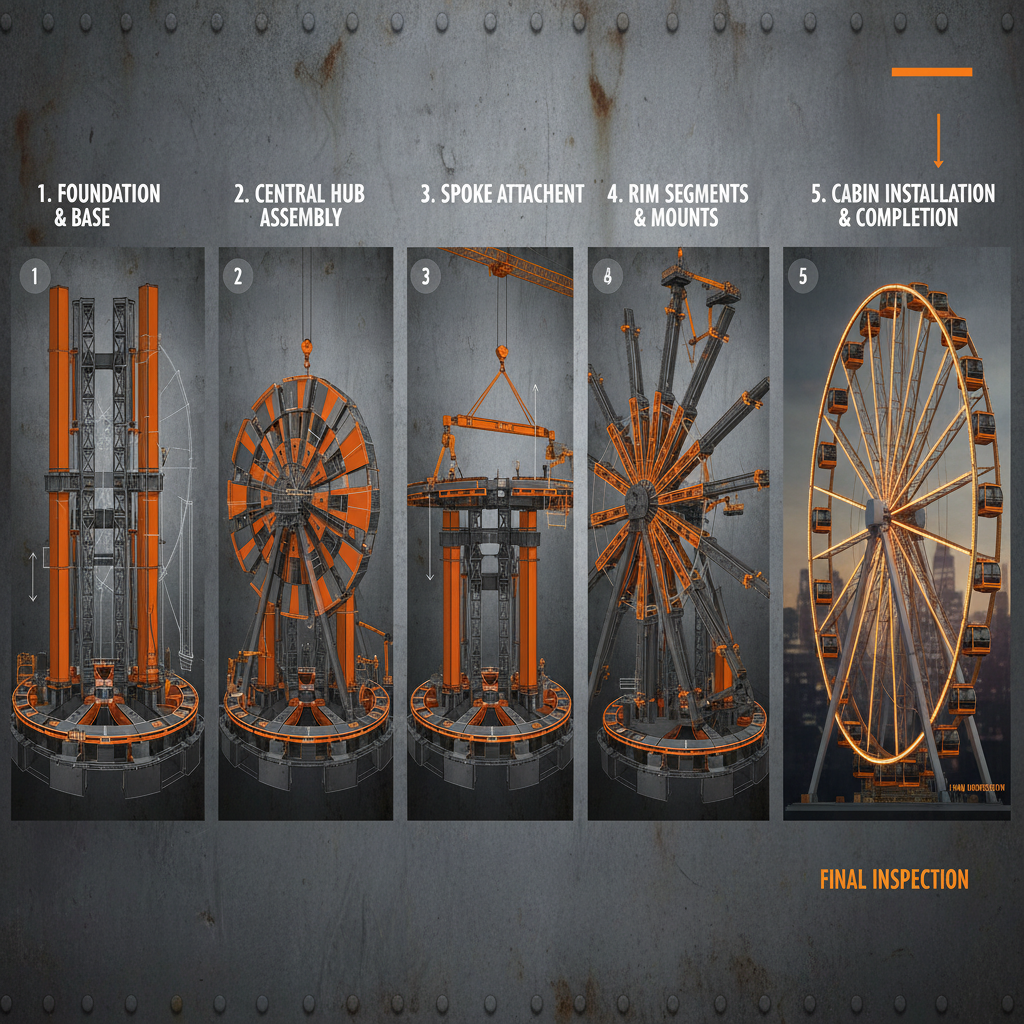
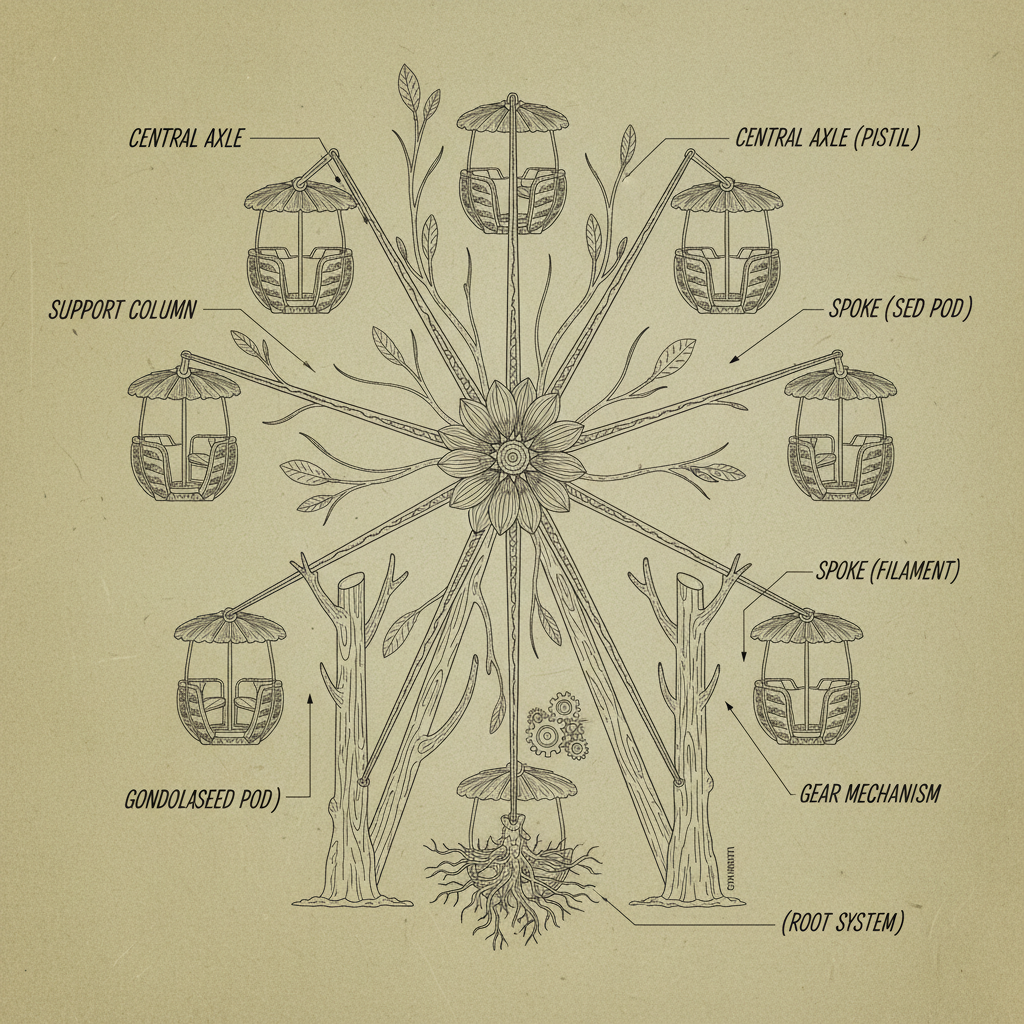
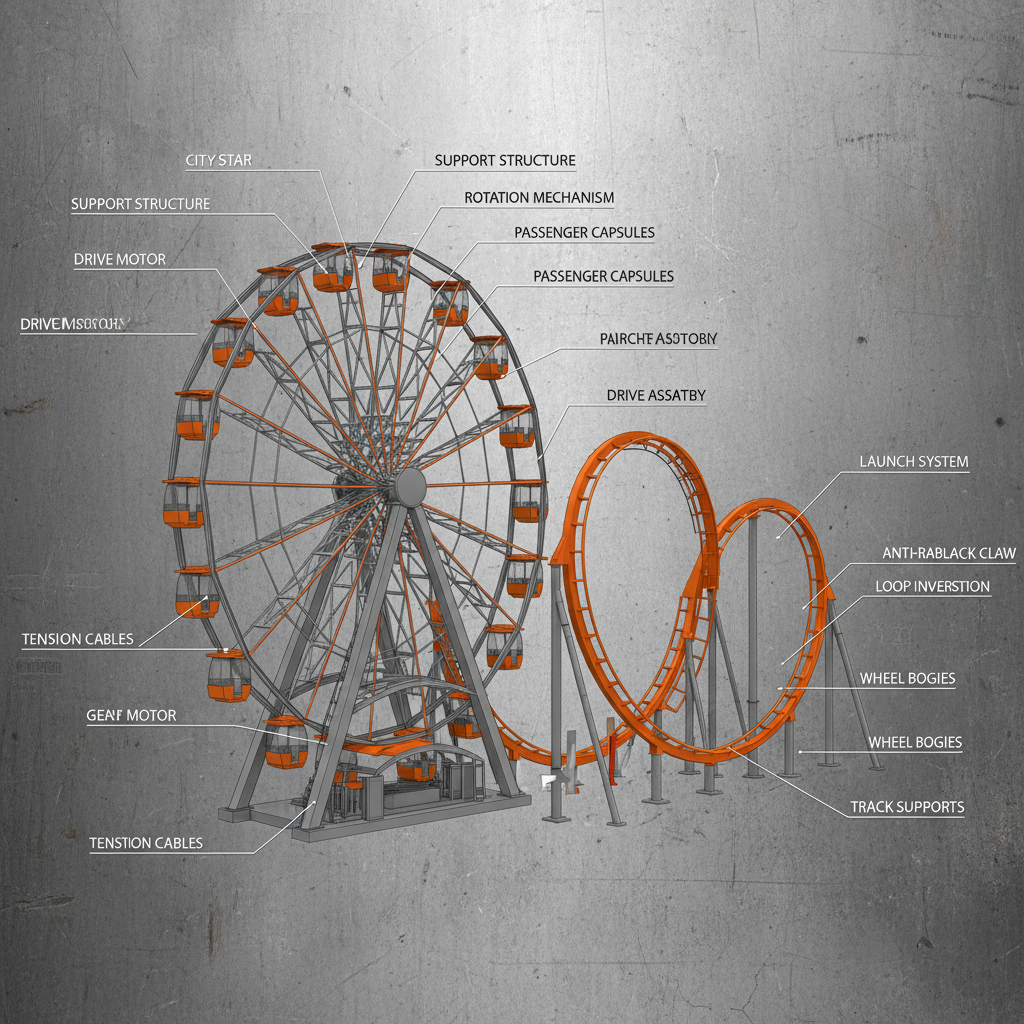
The successful operation of a ferris wheel relies on a complex interplay of engineering principles. The primary structural elements include the central hub, spokes, rim, and supporting towers. The hub houses the main axle and drive mechanism, while the spokes distribute the load from the cabins to the rim. The towers provide vertical support and stability. These components must be meticulously designed and constructed to withstand significant stress and fatigue.
Key engineering considerations include material selection, load distribution, and dynamic analysis. High-strength steel is typically used to ensure durability and resistance to corrosion. Finite element analysis (FEA) is employed to simulate stress concentrations and optimize the structural design. Furthermore, advanced control systems are essential for maintaining smooth rotation, monitoring cabin positions, and ensuring passenger safety.
The gondolas themselves are designed for both passenger comfort and safety. They often feature cushioned seating, transparent enclosures for optimal viewing, and emergency braking systems. Regular inspections and maintenance are critical to identify and address any potential issues with these components. The design of the gondola attachment points to the wheel rim is another crucial aspect of safety engineering, preventing detachment during operation.
Safety and Reliability Considerations
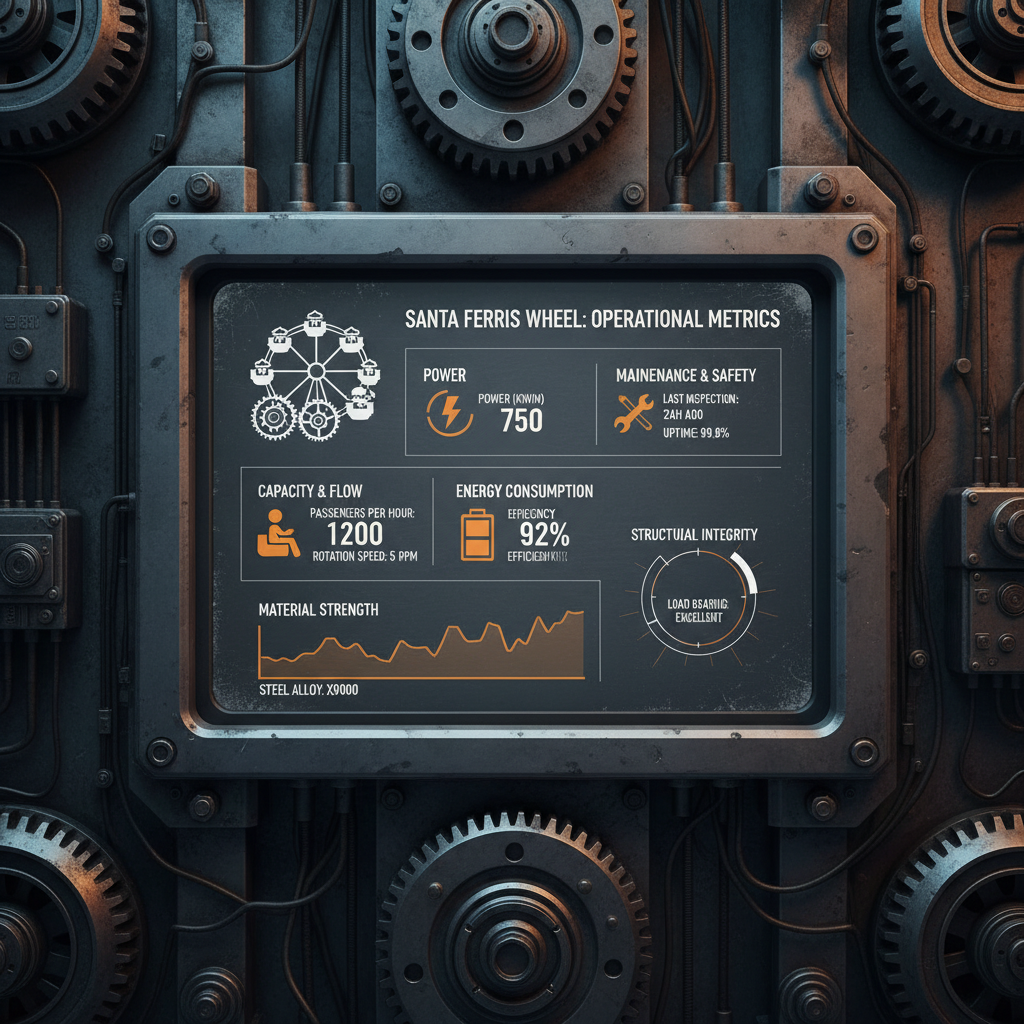
Safety is the paramount concern in the design, construction, and operation of a ferris wheel. Rigorous safety standards, such as those established by ASTM International, are followed to minimize risks. Regular inspections by qualified engineers are mandated to identify and address potential hazards. These inspections cover everything from structural integrity to electrical systems and braking mechanisms.
Redundancy is a key principle in a ferris wheel’s safety systems. Multiple braking systems, backup power supplies, and emergency evacuation procedures are implemented to ensure that the ride can be safely stopped and passengers evacuated in the event of a malfunction. Advanced sensor technologies are increasingly being used to monitor the performance of critical components and provide early warning of potential failures.
a ferris wheel Safety Component Reliability Ratings
Global Applications of Ferris Wheel Technology
While traditionally associated with amusement parks, a ferris wheel's applications are diversifying. Large-scale observation wheels are increasingly being used as tourist attractions in major cities, offering breathtaking views and becoming iconic landmarks. Examples include the High Roller in Las Vegas and the London Eye, which attract millions of visitors each year.
The technology behind a ferris wheel is also finding applications in other fields. The principles of rotational mechanics and structural engineering are relevant to the design of wind turbines, large cranes, and other rotating machinery. Furthermore, the control systems developed for ferris wheels can be adapted for use in other automated systems.
The Economic and Social Value of a ferris wheel
A ferris wheel serves as a significant economic driver for the surrounding community. It creates jobs in construction, operation, maintenance, and related industries. The influx of tourists attracted by the wheel boosts local businesses, including hotels, restaurants, and retail stores. The revenue generated from ticket sales and ancillary services contributes to local tax revenues.
Beyond its economic impact, a ferris wheel offers substantial social benefits. It provides a shared experience that brings people together, fostering a sense of community and belonging. The panoramic views offered by the wheel can promote civic pride and appreciation for the local landscape. It serves as a safe and accessible form of entertainment for people of all ages and abilities.
The presence of a ferris wheel can also enhance the cultural vibrancy of a city. It often becomes a symbol of the city's identity and is featured in promotional materials and media coverage. The festive atmosphere surrounding a ferris wheel contributes to a positive image and attracts further investment and development.
Future Innovations in Ferris Wheel Design
The future of a ferris wheel design is focused on sustainability, enhanced passenger experience, and increased efficiency. The use of lightweight, high-strength materials, such as carbon fiber composites, is expected to reduce the overall weight of the structure and lower energy consumption. Integration of renewable energy sources, such as solar panels, can further minimize the environmental impact.
Advanced control systems and sensor technologies will enable more precise monitoring and adjustment of the wheel’s operation, optimizing energy efficiency and improving safety. Virtual reality (VR) and augmented reality (AR) technologies could be incorporated into the cabins to enhance the riding experience, providing passengers with interactive entertainment and educational content.
The development of fully autonomous maintenance systems, utilizing drones and robotic inspection tools, will reduce downtime and lower maintenance costs. Furthermore, modular designs, allowing for easy assembly and disassembly, will facilitate transportation and installation in diverse locations.
Summary of Emerging Ferris Wheel Technologies
| Technology Area |
Innovation |
Potential Impact |
Implementation Timeline |
| Materials Science |
Carbon Fiber Composites |
Reduced weight, increased strength |
5-10 years |
| Energy Systems |
Solar Panel Integration |
Reduced energy consumption, lower carbon footprint |
2-5 years |
| Control Systems |
AI-Powered Optimization |
Improved efficiency, enhanced safety |
3-7 years |
| Passenger Experience |
VR/AR Integration |
Immersive entertainment, educational opportunities |
1-3 years |
| Maintenance |
Drone-Based Inspections |
Reduced downtime, lower maintenance costs |
2-5 years |
| Construction |
Modular Design |
Faster assembly, easier transportation |
3-7 years |
FAQS
Modern ferris wheels prioritize safety through multiple redundant systems. These include multiple independent braking systems, advanced sensors monitoring structural integrity and cabin positions, and automated shutdown procedures in case of malfunctions. Regular inspections, adhering to strict industry standards like those set by ASTM International, are also crucial. Emergency evacuation plans are also in place, with trained personnel to assist passengers if needed. Continuous monitoring of weather conditions also helps to avoid operation during hazardous situations.
With proper maintenance and regular inspections, a ferris wheel can have a lifespan of 50-75 years or even longer. Key to longevity is addressing corrosion, fatigue in structural components, and ensuring the continued functionality of electrical and mechanical systems. Major components may require refurbishment or replacement after 20-30 years, but the overall structure can remain in operation with ongoing care. The material used also dramatically impacts lifespan, with steel structures generally being more durable.
The construction of a ferris wheel requires significant energy and resources, including steel and concrete. However, modern designs are increasingly incorporating sustainable practices to minimize environmental impact. This includes using recycled materials, optimizing energy efficiency through LED lighting and regenerative braking systems, and integrating renewable energy sources like solar power. Operating a ferris wheel also produces some noise pollution, which can be mitigated through careful design and soundproofing measures.
Wind is a critical factor in ferris wheel operation. Wheels are designed to withstand specific wind loads, and operation is typically suspended when wind speeds exceed safe limits. Advanced anemometers and wind sensors continuously monitor wind conditions, triggering automatic shutdowns if necessary. The structural design incorporates aerodynamic principles to minimize wind resistance and reduce stress on the structure. Regular inspection of the structural components for wind-related damage is also essential.
Ferris wheel maintenance is extensive and requires a team of qualified engineers and technicians. Daily inspections of cabins, safety restraints, and control systems are essential. Regular lubrication of moving parts, inspections of structural welds, and testing of braking systems are also critical. More comprehensive inspections are conducted annually or bi-annually, involving non-destructive testing of metal components and thorough review of all safety systems. Record-keeping of all maintenance activities is crucial for ensuring ongoing safety and reliability.
The cost of building a ferris wheel varies significantly depending on its size, features, and location. A smaller, standard ferris wheel can cost several million dollars, while a large observation wheel can easily exceed $100 million. Ongoing maintenance costs also vary, but typically represent 5-10% of the initial construction cost per year. These costs include labor, parts replacement, inspections, and insurance. Energy consumption is another significant operational expense.
Conclusion
In conclusion, a ferris wheel represents more than just a thrilling ride; it is a symbol of engineering ingenuity, a driver of economic growth, and a source of shared joy for communities worldwide. From its humble beginnings to its modern, technologically advanced iterations, a ferris wheel continues to evolve, embracing sustainability and innovation. Understanding its core principles, applications, and future trends is crucial for professionals in a variety of fields.
Looking ahead, the future of a ferris wheel promises even greater innovation and accessibility. By embracing new materials, technologies, and design concepts, we can create even more spectacular and sustainable structures that will continue to captivate and inspire generations to come. Visit our website at www.zprollercoaster.com to learn more about the latest advancements in amusement park technology.