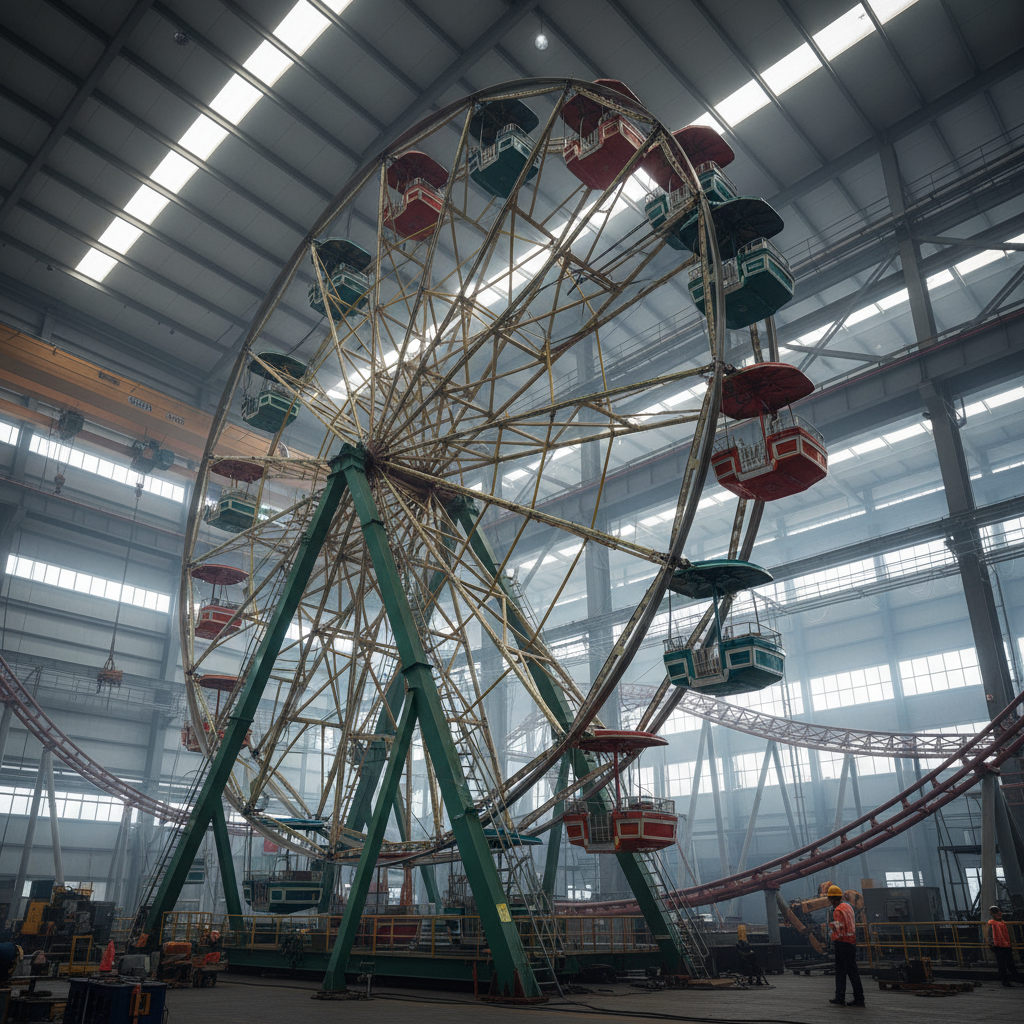
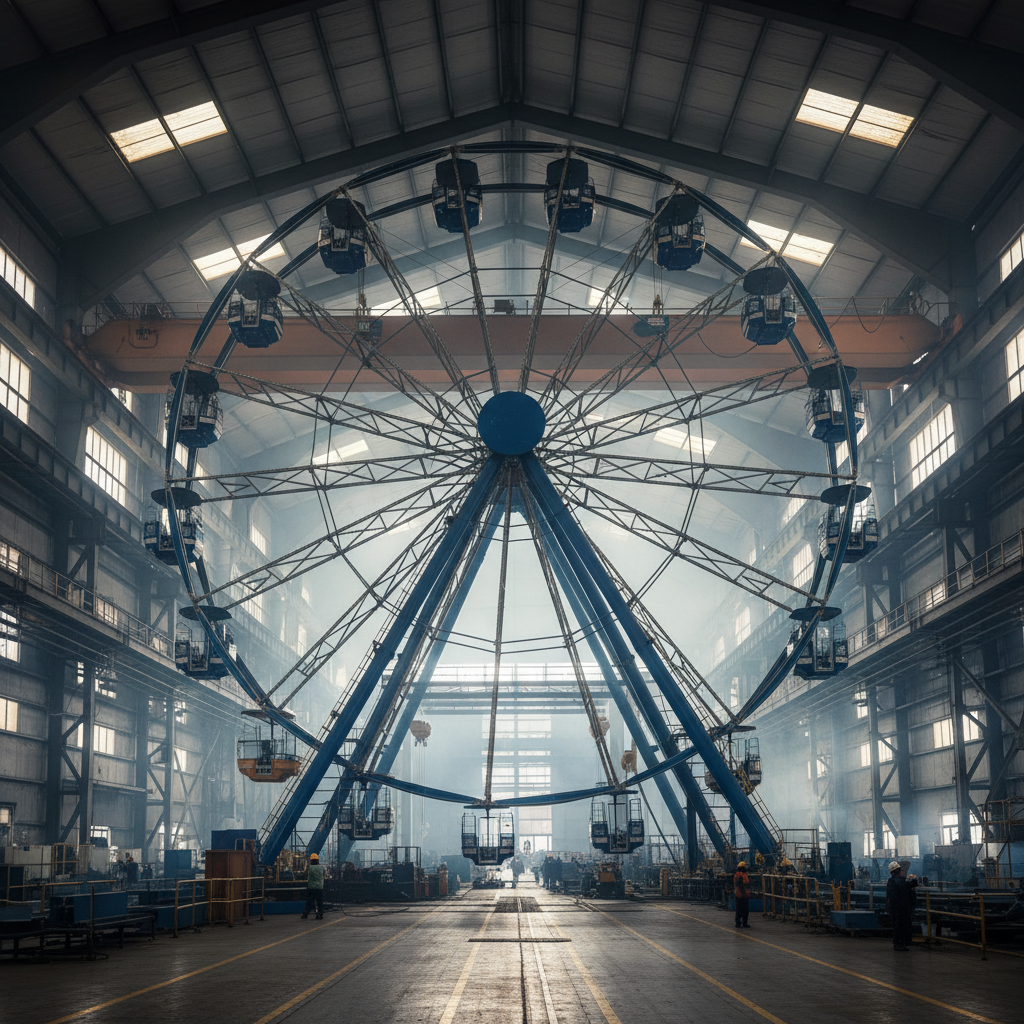
The eye ferris wheel, a globally recognized symbol of modern leisure and urban landscapes, has evolved from a simple amusement ride into a sophisticated feat of engineering and a powerful tool for tourism and city branding. These colossal structures, now found in cities worldwide, offer breathtaking panoramic views, attracting millions of visitors annually. Their impact extends beyond mere entertainment, contributing significantly to local economies and shaping the skylines of prominent urban centers.
The prevalence of the eye ferris wheel is deeply intertwined with the growth of experiential tourism and the desire for unique urban experiences. Data from the World Tourism Organization indicates a consistent upward trend in city tourism, driven by attractions offering immersive and visually stunning encounters. This demand has fueled the development of increasingly ambitious and innovative ferris wheel designs, pushing the boundaries of structural engineering and aesthetic appeal.
Understanding the intricacies of the eye ferris wheel – from its structural mechanics and operational safety standards to its economic impact and cultural significance – is crucial for urban planners, engineers, tourism professionals, and investors alike. Its continued success demonstrates the enduring appeal of combining innovation, entertainment, and the human desire for perspective.
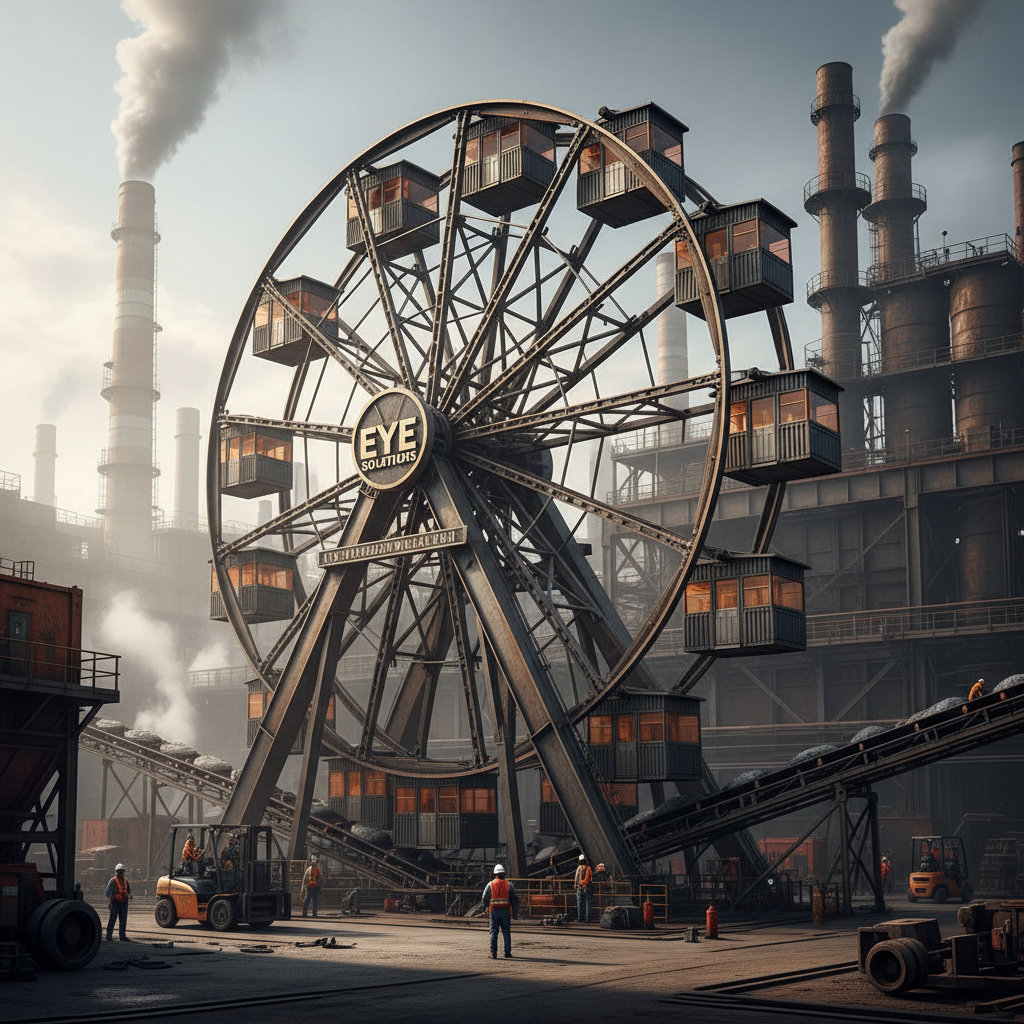
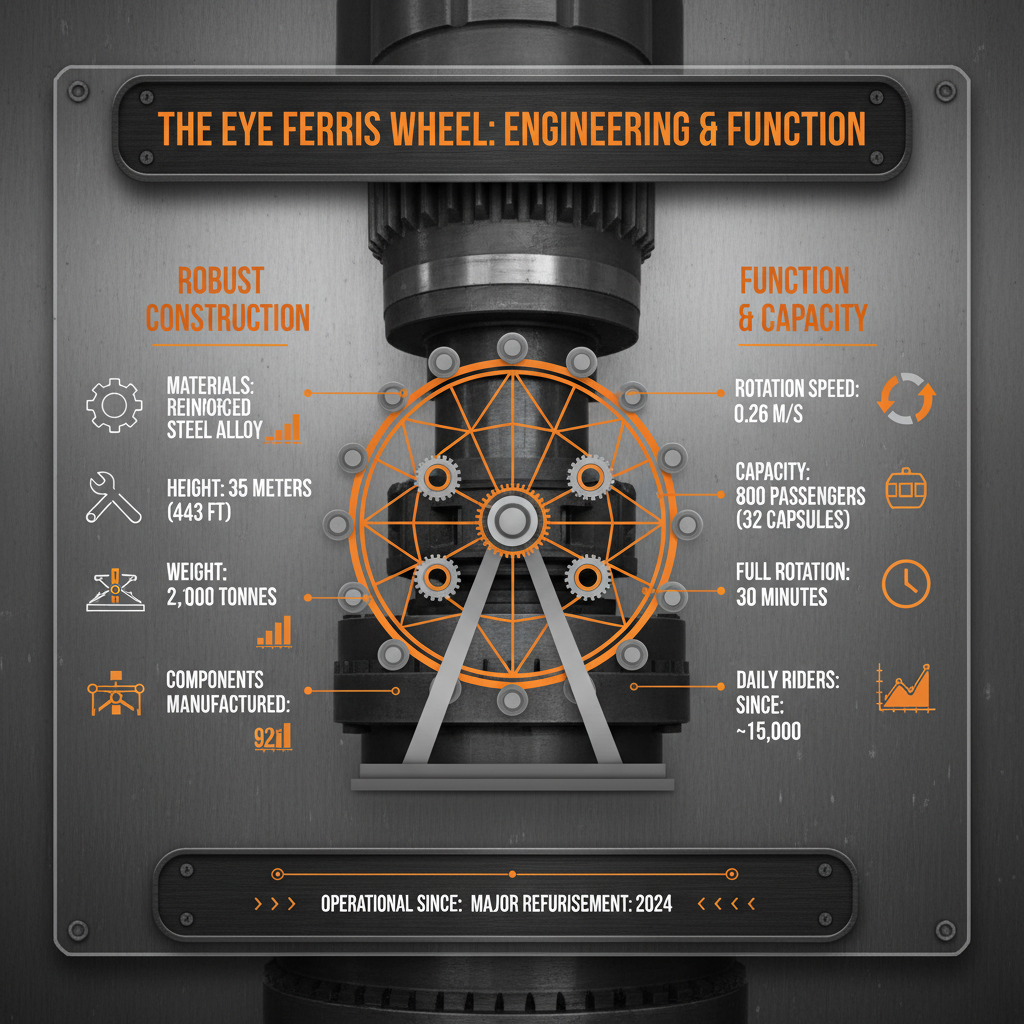
The genesis of the eye ferris wheel lies in the ingenuity of late 19th and early 20th-century engineers seeking to create breathtaking new forms of entertainment. While not directly descended from the original Ferris wheel designed for the 1893 Chicago World’s Fair, modern large-scale observation wheels draw inspiration from its pioneering spirit. The evolution has been driven by advancements in materials science, structural engineering, and a desire to provide increasingly immersive and visually stunning experiences.
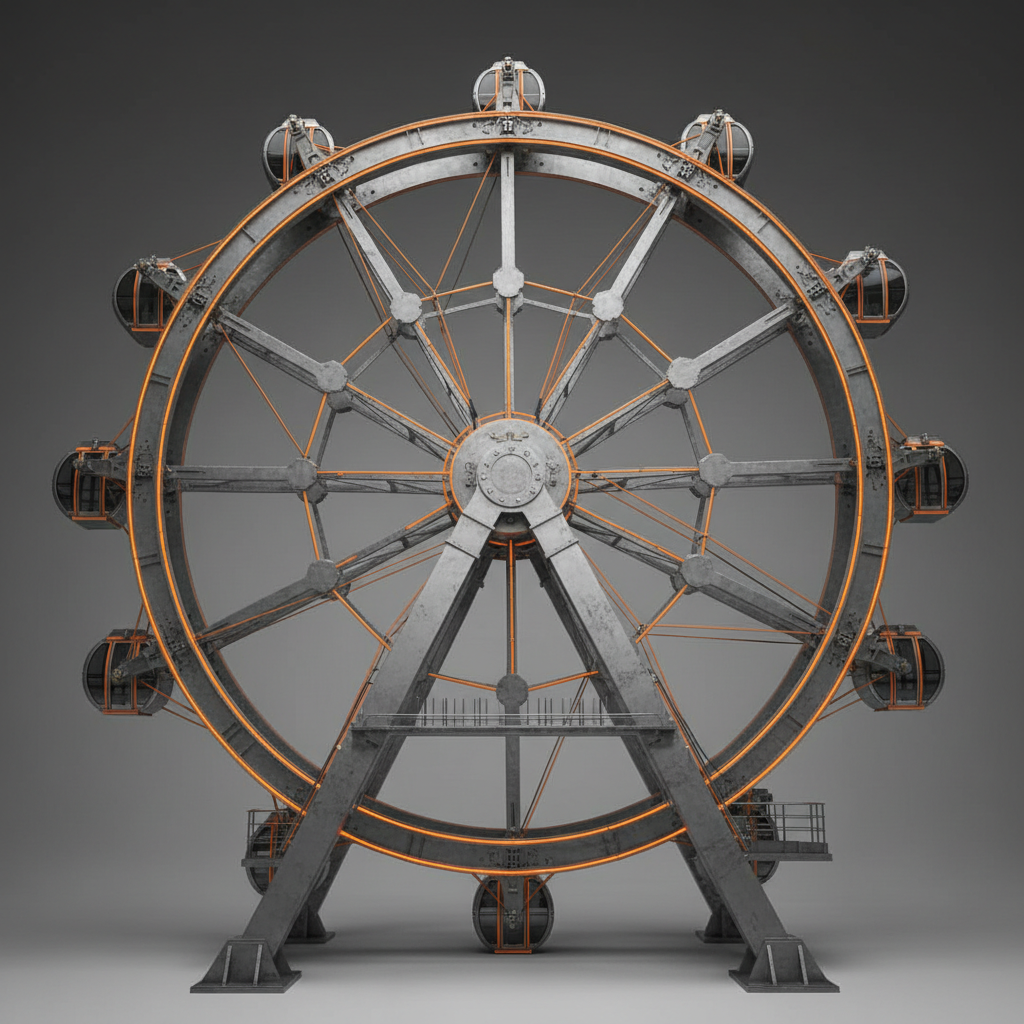
The core principle behind the eye ferris wheel’s functionality revolves around a centrally mounted rotating structure supported by massive, robust pillars. Careful attention is paid to weight distribution, counterbalancing, and the utilization of high-strength materials to ensure structural stability and passenger safety. These factors, combined with sophisticated control systems, are vital for a smooth and reliable operational experience.
The economic impact of the eye ferris wheel extends far beyond ticket sales. These structures act as significant tourist magnets, attracting visitors to the surrounding areas and boosting local businesses. Hotels, restaurants, shops, and other entertainment venues all benefit from the increased foot traffic generated by the eye ferris wheel.
Construction of the eye ferris wheel itself creates employment opportunities in engineering, construction, and related industries. Ongoing operation and maintenance further contribute to job creation. Moreover, the eye ferris wheel often serves as a catalyst for urban regeneration, revitalizing neglected areas and attracting investment.
The eye ferris wheel has become a ubiquitous feature of the urban landscape across the globe. Major cities in North America, Europe, Asia, and Australia boast these iconic structures, reflecting their widespread appeal. London's London Eye, Las Vegas' High Roller, and Singapore Flyer are prime examples of the eye ferris wheel’s popularity.
Their distribution is often linked to cities with high tourism rates and a desire to create distinctive landmarks. The choice of location is also influenced by factors such as available space, accessibility, and the surrounding urban context. The eye ferris wheel serves not only as an attraction but also as a symbol of a city's modernity and ambition.
Increasingly, sustainability is becoming a key consideration in the design and operation of the eye ferris wheel. Efforts are being made to reduce energy consumption through the use of energy-efficient lighting, regenerative braking systems, and optimized operational procedures.
Furthermore, the use of sustainable materials and responsible construction practices are gaining prominence. Some eye ferris wheel operators are exploring the potential of solar power to offset their energy needs. As environmental awareness grows, sustainable design and operation will become even more crucial for the long-term viability of the eye ferris wheel.
The future of the eye ferris wheel promises exciting advancements in technology and design. Innovations in materials science, such as the development of lighter and stronger composite materials, could lead to even taller and more daring structures. The integration of augmented reality (AR) and virtual reality (VR) technologies could enhance the passenger experience, providing interactive and immersive views.
Smart control systems, powered by artificial intelligence (AI), could optimize energy efficiency, predict maintenance needs, and enhance safety. The incorporation of dynamic lighting displays and interactive features could transform the eye ferris wheel into a truly captivating spectacle.
The integration of renewable energy sources, like wind and solar power, will also play a pivotal role in reducing the environmental footprint of these iconic structures. Ultimately, the eye ferris wheel is poised to evolve into a more sustainable, immersive, and technologically advanced attraction.
| Feature Category | Development Stage | Potential Impact | Implementation Cost (Scale 1-10) |
|---|---|---|---|
| AR/VR Integration | Prototype Testing | Enhanced Passenger Experience | 6 |
| Smart Control Systems | Pilot Project | Optimized Efficiency & Safety | 8 |
| Lightweight Materials | Research & Development | Increased Height & Reduced Cost | 9 |
| Renewable Energy Integration | Feasibility Study | Reduced Carbon Footprint | 7 |
| Dynamic Lighting Displays | Initial Deployment | Enhanced Aesthetic Appeal | 5 |
| Predictive Maintenance | Data Collection Phase | Reduced Downtime & Cost | 7 |
The eye ferris wheel prioritizes safety through redundant systems, including multiple braking mechanisms, robust structural materials, and continuous monitoring of stress and strain. Regular inspections adhering to international standards (ISO, etc.) are crucial. Furthermore, emergency evacuation procedures are meticulously planned and practiced. Cabins are designed with safety restraints and communication systems to ensure passenger security. Finally, sophisticated control systems prevent overspeeding and ensure smooth operation.
The eye ferris wheel acts as a significant tourist magnet, attracting visitors who then spend money on accommodation, dining, shopping, and other local attractions. It increases foot traffic in the surrounding area, boosting business for local retailers and service providers. The eye ferris wheel also enhances a city’s brand image, making it a more desirable tourist destination. The increase in tourism often leads to job creation in the hospitality sector.
Maintaining the eye ferris wheel involves a rigorous schedule of inspections and repairs. Daily checks are conducted on all critical components. Monthly and quarterly maintenance includes lubrication, cable inspections, and bearing checks. Annual inspections involve comprehensive structural assessments. Non-destructive testing methods are used to identify potential issues. A dedicated team of trained engineers and technicians is essential for ensuring the wheel's continued safe and reliable operation.
Modern eye ferris wheel designs increasingly incorporate sustainable practices. This includes using energy-efficient lighting, regenerative braking systems, and exploring renewable energy sources like solar power. Construction materials are chosen for their durability and environmental impact. Operational procedures are optimized to minimize energy consumption. Noise pollution is also considered in the design and placement of the wheel.
With proper maintenance and regular inspections, the lifespan of the eye ferris wheel can exceed 50 years, and even reach 75 to 100 years. The key to longevity lies in using high-quality materials, adhering to stringent engineering standards, and conducting proactive maintenance to address any potential issues before they escalate. Periodic upgrades and replacements of components may be required over time to ensure continued safe and reliable operation.
Construction in urban areas presents challenges such as limited space, traffic disruptions, and noise pollution. Obtaining the necessary permits and approvals can be complex and time-consuming. Careful planning is required to minimize disruptions to residents and businesses. Foundation work can be particularly challenging in areas with unstable soil conditions. Logistics of transporting and assembling large components also requires significant coordination.
The eye ferris wheel stands as a testament to human ingenuity, combining engineering excellence with the desire for breathtaking experiences. Its global prevalence demonstrates its enduring appeal as a tourist attraction, a symbol of urban pride, and a driver of economic growth. The continuous pursuit of innovation in areas such as sustainability and technological integration promises an even brighter future for these iconic structures.
As cities continue to evolve and seek distinctive landmarks, the eye ferris wheel will undoubtedly remain a prominent feature of the urban landscape. By embracing sustainable practices, prioritizing safety, and pushing the boundaries of design, the eye ferris wheel can continue to captivate and inspire for generations to come. Visit our website to learn more about the possibilities: the eye ferris wheel.