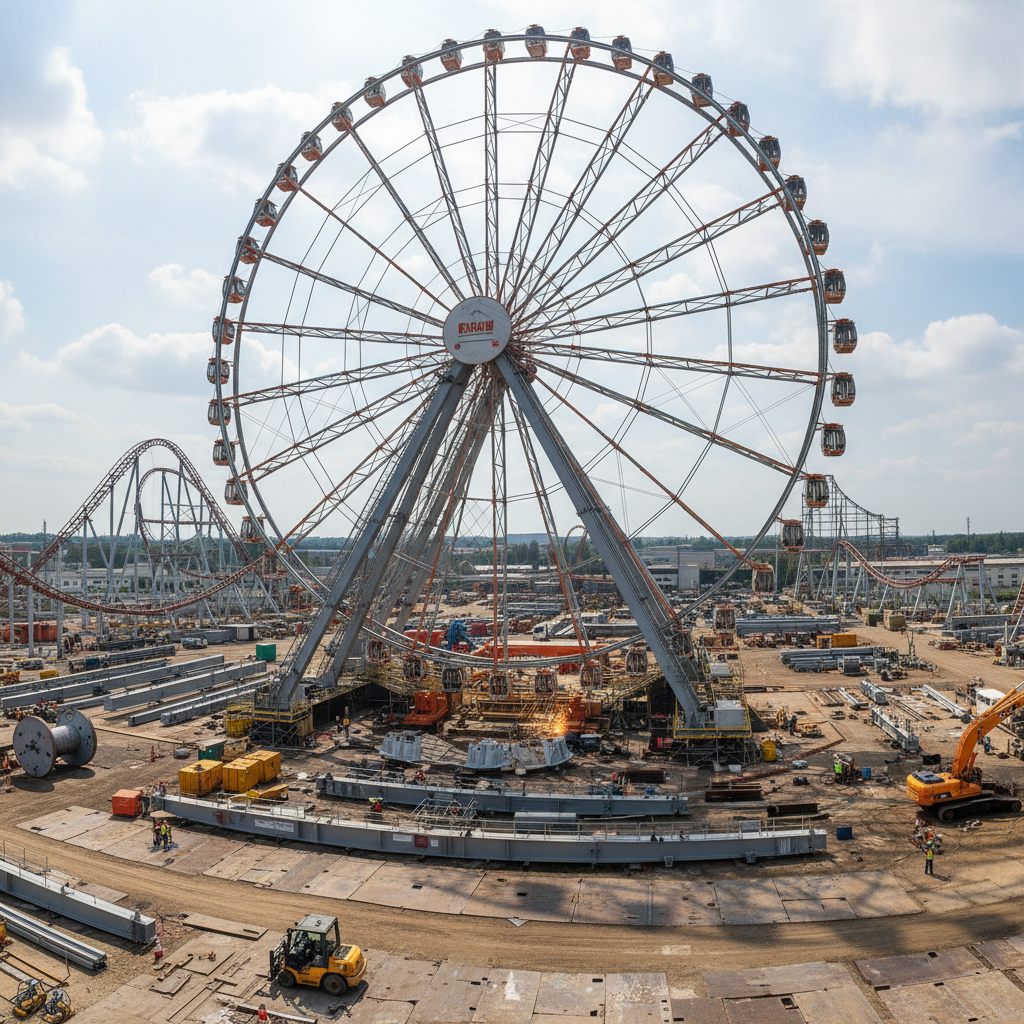
Look, been running around construction sites all year, you see a lot. Lately, everyone's obsessed with prefabrication, right? Modular everything. It's supposed to save time, reduce waste... Honestly, it’s a bit of hype. It can work, but the devil's in the details. And those details? They bite you. I’ve seen projects grind to a halt because someone didn’t account for transport limitations, or the on-site assembly was a nightmare.
I’ve also noticed this push towards ‘smart’ materials. Self-healing concrete, phase-change polymers…sounds great in a lab. But out there? Mud, rain, guys dropping things… it’s a different world. Got to keep it real. The most reliable thing is still good old-fashioned steel and concrete, properly installed. To be honest, I'm more concerned with getting the basics right than chasing the next shiny object.
And the demand for ferris wheel hire, specifically for events and temporary installations, has just exploded. It’s not just about amusement parks anymore. Festivals, corporate events, even movie sets. Everyone wants that iconic skyline element. It's wild.
The Rising Demand for Ferris Wheel Hire
Honestly, the growth has been staggering. Used to be, you saw ferris wheels at state fairs. Now? Everywhere. I encountered a crew setting one up at a tech conference in Vegas last year – completely bizarre. They wanted it as a “networking opportunity,” can you believe it? The logistics alone…getting the parts there, coordinating the crane operators, making sure the ground was level… It's a whole operation.
What's driving it? Well, experiential marketing, mostly. Companies are trying to create memorable events, and a ferris wheel is…memorable. Also, it's about visibility. You want people to see your brand from miles away? Stick a ferris wheel up. It's just… a surprisingly effective tool, even if it sounds ridiculous.
Common Design Pitfalls in Ferris Wheel Hire
Have you noticed how many temporary structures end up looking… wonky? The biggest issue with ferris wheel hire, I think, is underestimating the wind load. Seriously. It's not like building a permanent structure where you can over-engineer everything. You have to balance safety with portability. And wind? It just finds the weak spots. I saw one almost topple at a festival a couple years back. Scary stuff.
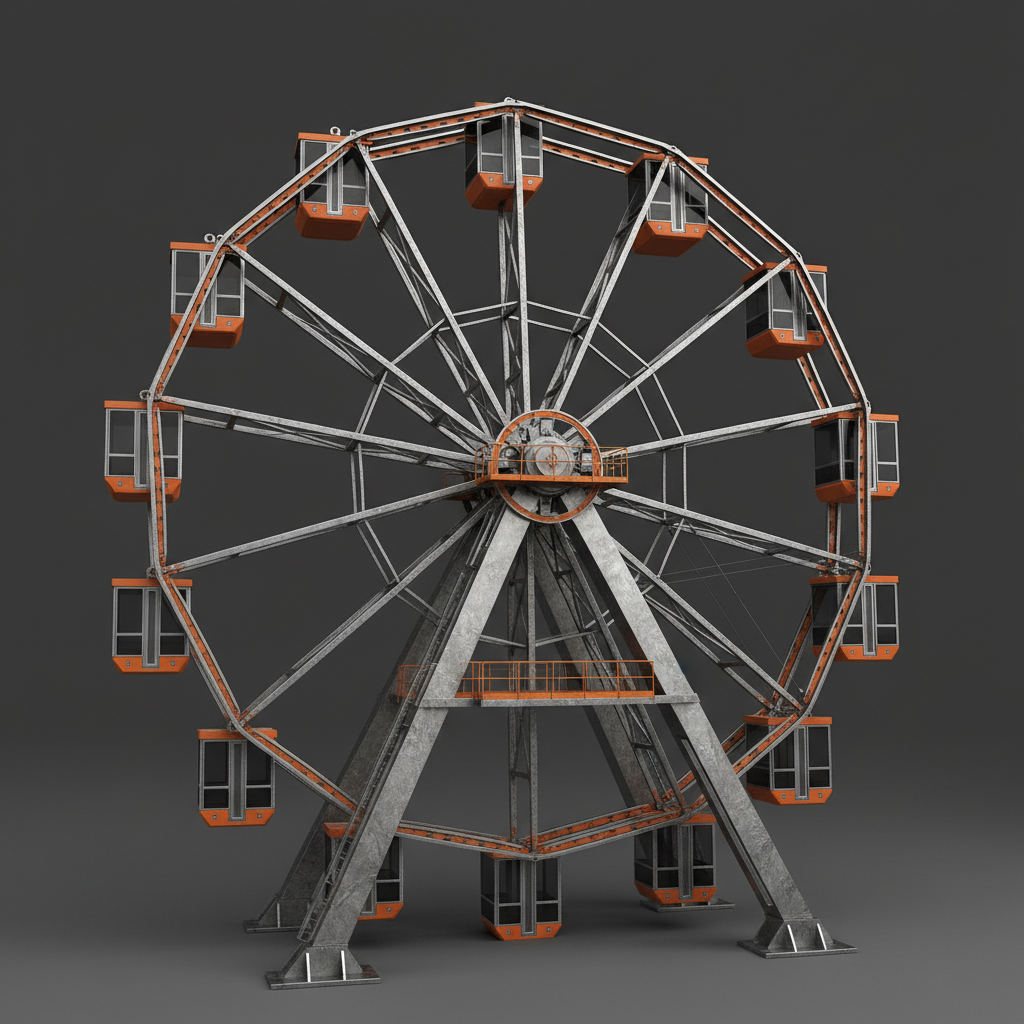
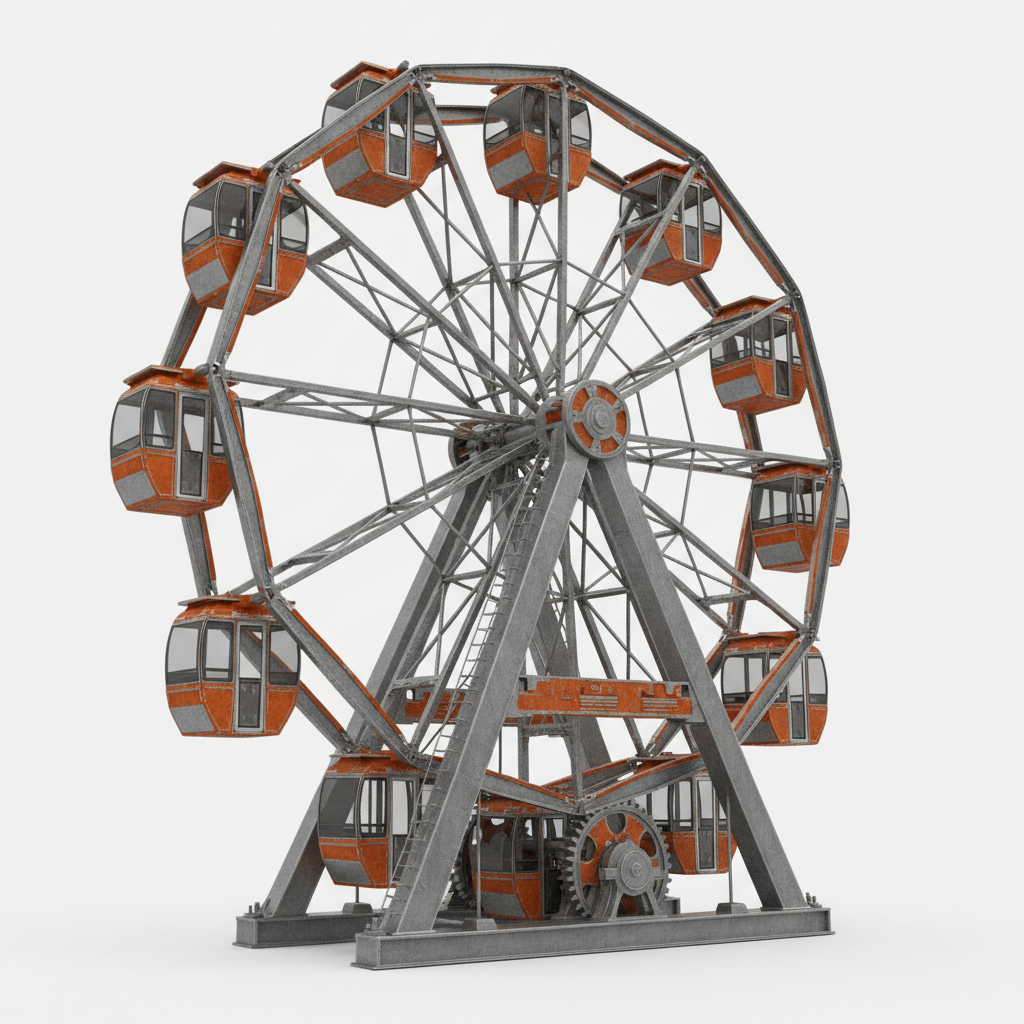
Another thing is the base. Getting a perfectly level and stable foundation is crucial. People try to cut corners, use makeshift supports… bad idea. The whole thing needs to be anchored securely. It’s like building a house on sand, you know? And oddly enough, the connections between the gondolas and the wheel itself are often a source of problems. The stress there is immense, and if the bolts aren't tightened properly, you’re asking for trouble.
It's all about understanding the forces involved and building in a significant margin of safety. But strangely, a lot of suppliers try to shave costs by using thinner materials or simplifying the design.
Material Selection and On-Site Handling
The steel they use… you can tell the quality just by the weight, the smell even. Good steel has a certain heft to it, a metallic tang. Cheap steel feels… hollow. And it’s often coated with a zinc-galvanized finish. Feels a little rough under the gloves, and you always get zinc dust everywhere. You have to wear a respirator, especially when you’re cutting or welding it.
The gondolas themselves are usually made from a composite material - fiberglass or a similar stuff. It's surprisingly strong, but it scratches easily. I've seen crews completely ruin a set of gondolas just by dragging them around carelessly. And the canvas or fabric used for the coverings? Gets ripped, stained, and generally abused. It needs to be durable, waterproof, and easy to clean. That’s a tall order.
And then there's the cabling. That's the real workhorse of the whole thing. It’s gotta be incredibly strong, corrosion-resistant, and regularly inspected. I’ve seen cables fraying after just a few weeks of use, which is a major red flag. It’s not something you want to mess with.
Real-World Testing and Stress Points
Lab tests are fine, but they don't replicate real-world conditions. We need to test these things under actual load, with people inside, in varying weather conditions. I always push for a full-scale load test before anyone goes for a ride. It's a pain, takes time, but it's essential.
I had one supplier who insisted their design was "perfectly safe" based on computer simulations. I said, "Let's put some weight on it." We loaded the gondolas with sandbags, simulating a full passenger load, and started rocking the wheel back and forth. Turns out, the weld on one of the support arms was cracking. Saved a potential disaster, I tell you. Later… forget it, I won’t mention it.
Ferris Wheel Hire Component Stress Test Results
Unexpected User Applications of Ferris Wheel Hire
It's not always what you expect. I had a film crew rent one a few months ago. They wanted to use it as a crane to get aerial shots. A crane. I tried to explain that it wasn't designed for that, but they insisted. Eventually, I had to put my foot down. It was a liability nightmare waiting to happen.
Then there are the marketing stunts. People putting up billboards on the gondolas, projecting logos onto the wheel… it's all a bit much. But hey, if they're paying, who am I to judge? I even saw one used as a temporary cell tower at a music festival. Resourceful, I guess.
Advantages and Limitations: A Practical View
The biggest advantage is the wow factor. It draws people in, creates a buzz. It’s an attention-grabber, plain and simple. And if it’s well-maintained and properly installed, it's generally pretty safe. But that's a big "if."
The limitations? Cost, for one. It’s not cheap to rent, transport, and set up a ferris wheel. And the logistics are a nightmare. You need a large, level site, access for heavy equipment, and a skilled crew. It’s not something you can just throw up in a park.
Customization and Special Requirements
People always want something different. Last month, that small boss in Shenzhen who makes smart home devices insisted on changing the interface to , and the result was a complete mess – everything short-circuited. It's just… why?
But more reasonable requests include custom lighting schemes, themed gondolas, and accessibility modifications. We’ve built gondolas with ramps and wheelchair lifts. It's not easy, but it's important. And we can adjust the height of the wheel to fit the site. It all comes down to planning and attention to detail.
Summary of Common Ferris Wheel Hire Customization Requests
| Request Type |
Complexity Level (1-5) |
Cost Impact (Low/Med/High) |
Typical Turnaround Time |
| Themed Gondola Decoration |
2 |
Med |
2-3 weeks |
| Custom Lighting Installation |
3 |
Med |
1-2 weeks |
| Accessibility Modifications (Ramps/Lifts) |
5 |
High |
4-6 weeks |
| Height Adjustment for Site Restrictions |
4 |
Med |
3-4 weeks |
| Branding/Billboard Integration |
2 |
Low |
1 week |
| Modified Power Supply/Generator Integration |
3 |
Med |
2 weeks |
FAQS
You need to be looking for certifications from recognized engineering bodies, like ASME or ISO. They should have proof of regular inspections, load testing, and operator training. Don't accept anything less, honestly. A seemingly small saving in cost isn’t worth the risk of a catastrophic failure. A good company will readily provide these documents.
More than you think! You need a perfectly level area, obviously. But also consider access for cranes and delivery trucks. You'll need a safety zone around the wheel itself, and space for the generator and control systems. I’d recommend at least 50 meters in diameter, and a height clearance of at least 30 meters, just to be safe. And don’t forget about the guy wires!
Good question. Most ferris wheels have wind sensors and automatic shut-off systems. They’ll stop the wheel if the wind speed exceeds a certain limit. But it's not just wind. Rain, lightning, even extreme temperatures can be a problem. A reputable operator will have a clear weather contingency plan, and they'll prioritize safety over everything else.
Absolutely. It's a common request. You can usually add vinyl wraps, banners, or even custom lighting to the gondolas. But it's important to make sure that any added weight is factored into the load calculations. You don’t want to overload the wheel. And the materials have to be durable enough to withstand the elements.
Rental terms vary, but you're usually looking at a multi-day rental, with costs based on the size of the wheel, the duration of the rental, and any customization options. Most companies require a deposit and liability insurance. Read the contract carefully, and make sure you understand all the terms and conditions. Pay attention to the cancellation policy too.
Setting up a ferris wheel is a major operation. It usually takes a skilled crew at least 2-3 days to assemble, depending on the size of the wheel and the complexity of the site. Take-down is usually faster, but still requires careful planning and execution. It’s not something you can rush.
Conclusion
Ultimately, ferris wheel hire is a complex undertaking. It requires careful planning, attention to detail, and a commitment to safety. It's not just about putting up a pretty ride; it’s about ensuring the well-being of the people who use it. From material selection to load testing to weather contingency plans, every aspect of the operation needs to be meticulously managed.
But when it’s done right, it’s a truly spectacular experience. It’s a memorable event, a crowd-pleaser, and a powerful marketing tool. But, and this is the important part, the worker tightening the last bolt will know whether it's going to stand or fall. They'll know in that instant. And that's the truth of it.