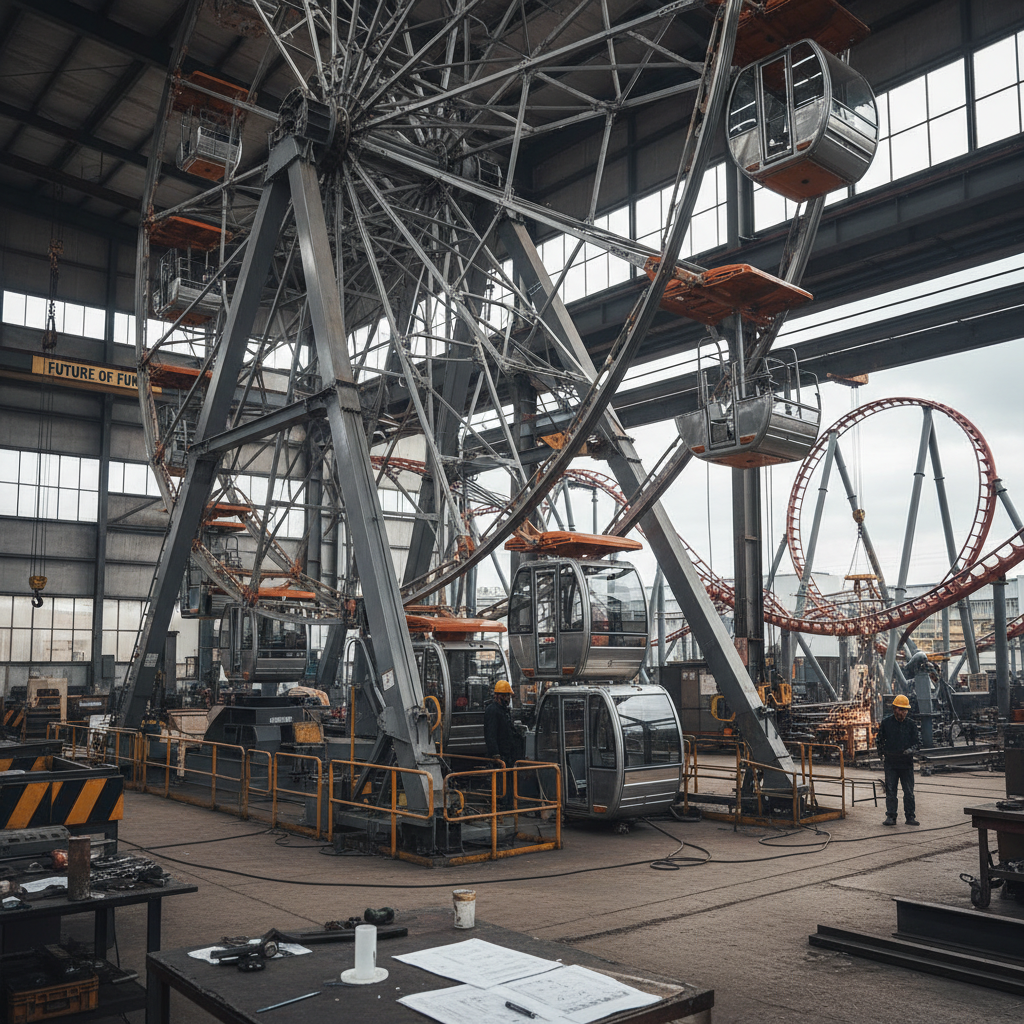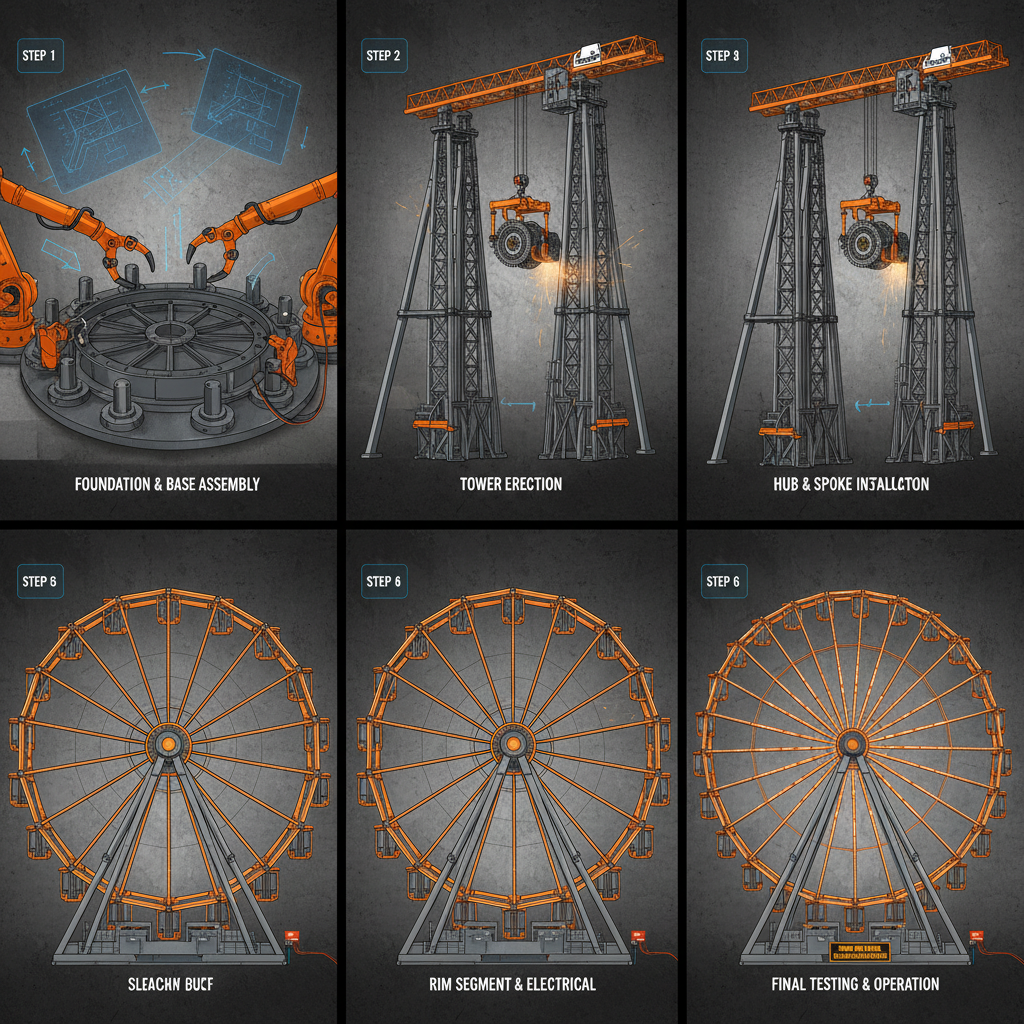
Amusement park operators are increasingly moving away from generic ride layouts in favor of bespoke engineering that maximizes limited plot space and creates unique guest experiences. The shift toward tailored attraction design allows parks to integrate storytelling directly into the physical structure of the ride, transforming a standard thrill into a destination landmark.
Achieving this requires a deep integration of structural physics, safety certification, and aesthetic vision. When a park invests in custom roller coasters, they are not just purchasing equipment; they are commissioning a piece of kinetic architecture designed to drive ticket sales and repeat visitation through exclusivity.
This analysis examines the critical technical considerations, design frameworks, and operational trade-offs involved in developing custom amusement installations, providing a guide for stakeholders evaluating the transition from off-the-shelf models to specialized engineering.


Early amusement rides were largely standardized, offering predictable layouts that prioritized ease of installation over uniqueness. However, as the global market became more saturated, the demand for "signature attractions" rose. This drove the industry toward professional large-scale manufacturing where research, development, and installation are integrated into a single pipeline.
Today, the focus has shifted to high-altitude rotation and complex track glides. This evolution is supported by advanced automatic blanking workshops and specialized mold production for vertical rings and track segments, allowing manufacturers to create geometries that were previously impossible or cost-prohibitive.
The engineering of custom roller coasters begins with a rigorous analysis of G-force distribution and kinematic flow. Unlike standard models, a custom design must account for specific environmental variables, including wind loads at high altitudes and the soil composition of the installation site, which dictates the foundation's depth and reinforcement requirements.
Key components such as the drive device, post brackets, and the electrical control system must be synchronized to ensure smooth transitions. The precision of the shaft sleeves and core mechanical parts is critical; even a millimeter of deviation in a high-speed turn can lead to increased vibration and accelerated wear on the track.
Furthermore, the integration of dynamic cinema elements or hybrid rotation systems adds layers of complexity. These require a multidisciplinary approach involving structural engineers, software developers for the control systems, and safety auditors to ensure the ride remains stable under maximum capacity loads.
A significant challenge in large-scale ride design is the tension between structural integrity and aesthetic lightness. Heavy-duty supports provide safety but can create a "wall of steel" effect that obstructs the guest's view and makes the attraction feel imposing rather than inviting.
The adoption of full-spoke structures and double-column supports allows for an optimal ratio of stability to permeability, ensuring that high-altitude rides provide unobstructed panoramic views without compromising the structural safety of the installation.
This design philosophy is evident in high-reach installations, such as 120-meter Ferris wheels, where the use of two-sided double columns enhances the ride's reliability while maintaining a serene visual profile. By distributing the load across a sophisticated spoke network, engineers can reduce the bulk of the central supports.
Different amusement categories prioritize different performance indices. While coasters focus on kinetic energy and thrill, high-altitude rotation equipment focuses on endurance and the quality of the observation experience. A balanced portfolio for an amusement park typically blends these high-energy attractions with serene, panoramic experiences to attract a wider demographic.
Comparing these categories requires a relative assessment of throughput, maintenance frequency, and guest psychological impact. The following framework illustrates how different ride types scale in terms of technical complexity and visual appeal.
Integrating a custom ride into an existing park layout often presents geometric constraints. A typical industrial setting might require a ride to weave around existing structures or adhere to strict height restrictions imposed by local aviation laws. This necessitates a non-linear design process where the track layout is adjusted iteratively based on 3D site mapping.
Operational considerations also play a role. The flow of guests from the entrance to the loading platform must be optimized to prevent bottlenecks. For larger installations, the placement of electrical systems and drive devices must be strategically hidden or integrated into the theme to avoid detracting from the guest's immersive experience.
The industry is moving toward "intelligent" ride systems that can adjust speed and intensity based on real-time sensor data. This transition involves incorporating more sophisticated automation into the mechanical processing workshops, where components are machined to tighter tolerances to support higher speeds and more abrupt directional changes.
We are seeing a rise in hybrid attractions that combine traditional track glides with virtual reality or cinematic elements. These systems require a seamless bridge between the physical movement of the ride and the digital synchronization of the media, demanding a higher level of electronic integration than standard coasters.
Ultimately, the trend is toward sustainability. This includes the use of energy-recovery braking systems and materials that reduce the overall carbon footprint of the fabrication process, without compromising the extreme safety standards required for high-altitude rotation equipment.
Selecting the right partner for a custom project requires an evaluation of their end-to-end capabilities. A manufacturer that handles everything from R&D and planning to installation and marketing reduces the risk of communication gaps that often lead to costly design changes during the construction phase.
The decision-making process should be based on a trade-off analysis between the desired thrill level, the available budget, and the projected maintenance costs. While highly complex custom roller coasters offer the highest marketing value, they also require more rigorous inspection schedules and specialized staff for operation.
The following table provides a comparative framework for evaluating different ride installation strategies based on typical park requirements and operational limitations.
| Evaluation Factor | Standard Model | Custom Engineered | Hybrid Integration |
|---|---|---|---|
| Spatial Flexibility | Low (Fixed Footprint) | High (Bespoke Fit) | Medium (Modular) |
| Market Exclusivity | Low (Common Design) | Very High (Unique) | High (Mixed Media) |
| Installation Time | Fast (Pre-fab) | Extended (Site-specific) | Moderate |
| Maintenance Complexity | Standardized | Specialized | High (Digital+Mech) |
| Initial CAPEX | Predictable | Variable/Higher | Moderate to High |
| Guest Throughput | Optimized/Fixed | Customizable | Variable |
Standard models are pre-engineered for efficiency and rapid deployment, meaning the footprint and ride experience are fixed. Custom engineering involves a collaborative process where the ride's geometry, thrill profile, and aesthetic are tailored to the specific constraints of the site and the branding of the park. This results in a unique attraction that cannot be replicated by competitors, though it requires a more intensive R&D phase and specialized installation.
Safety for high-altitude rides centers on structural stability against wind loads and the reliability of the drive system. Engineers use double-column supports and full-spoke structures to distribute stress evenly. Rigorous testing of the electrical system and mechanical components, such as shaft sleeves and bearings, is mandatory to prevent fatigue. Additionally, redundant safety brakes and real-time monitoring systems are integrated to ensure guest peace of mind during ascent and descent.
The primary cost drivers are the complexity of the track geometry, the materials used for the supports, and the sophistication of the control systems. Bespoke designs that require non-standard molds for vertical rings or specialized automatic blanking for unique track segments increase fabrication costs. Site-specific foundation work also contributes significantly, as unstable soil may require deeper piling or reinforced concrete bases to support the dynamic loads of the ride.
Yes, that is one of the primary advantages of custom engineering. By using 3D site mapping and iterative design, manufacturers can create "interweaving" track layouts that navigate around existing buildings, trees, or other rides. This approach allows parks to increase their attraction density and upgrade their offerings without the need for massive land clearing or disruptive demolition, effectively maximizing the utility of the available square footage.
Maintenance cycles for custom equipment are generally more rigorous than for standard rides. They typically involve daily visual inspections, weekly lubrication of mechanical joints, and monthly deep-dives into the electrical control systems. Annual structural audits, often involving non-destructive testing (NDT) of critical welds and supports, are essential for ensuring long-term safety. The use of high-precision machined parts helps extend these intervals by reducing vibration and friction.
Full-spoke designs provide a dual benefit: they enhance the structural stability of the ride while creating a "lighter" visual appearance. For the guest, this means fewer steel beams obstructing their view as they reach the peak of the ride. This increased permeability creates a more serene and breathtaking experience, especially in observation rides like large Ferris wheels, where the primary draw is the panoramic perspective of the surrounding landscape.
The transition toward custom amusement installations reflects a broader industry trend toward personalization and experiential value. By prioritizing bespoke engineering over standardized layouts, park operators can create genuine landmarks that offer unique thrills and breathtaking vistas, effectively differentiating their brand in a competitive global market.
Success in this endeavor depends on the synergy between innovative design and uncompromising manufacturing standards. When technical precision in the workshop meets a deep understanding of guest psychology and site constraints, the result is an attraction that is not only a feat of engineering but a sustainable driver of long-term growth.