
Exploring the Thrilling History and Modern Innovations of the Ferris Ride
Exploring the Thrilling World of the Ferris Ride
The ferris ride, a timeless amusement park staple, continues to captivate audiences of all ages. From its humble beginnings to the modern, technologically advanced versions we see today, the ferris ride embodies a sense of wonder and provides breathtaking panoramic views. This article will delve into the history, mechanics, safety features, and modern innovations of the ferris ride, providing a comprehensive overview for enthusiasts and industry professionals alike. We'll also explore why choosing a reputable manufacturer, like Z Prollercoaster, is paramount when considering a ferris ride for your park.
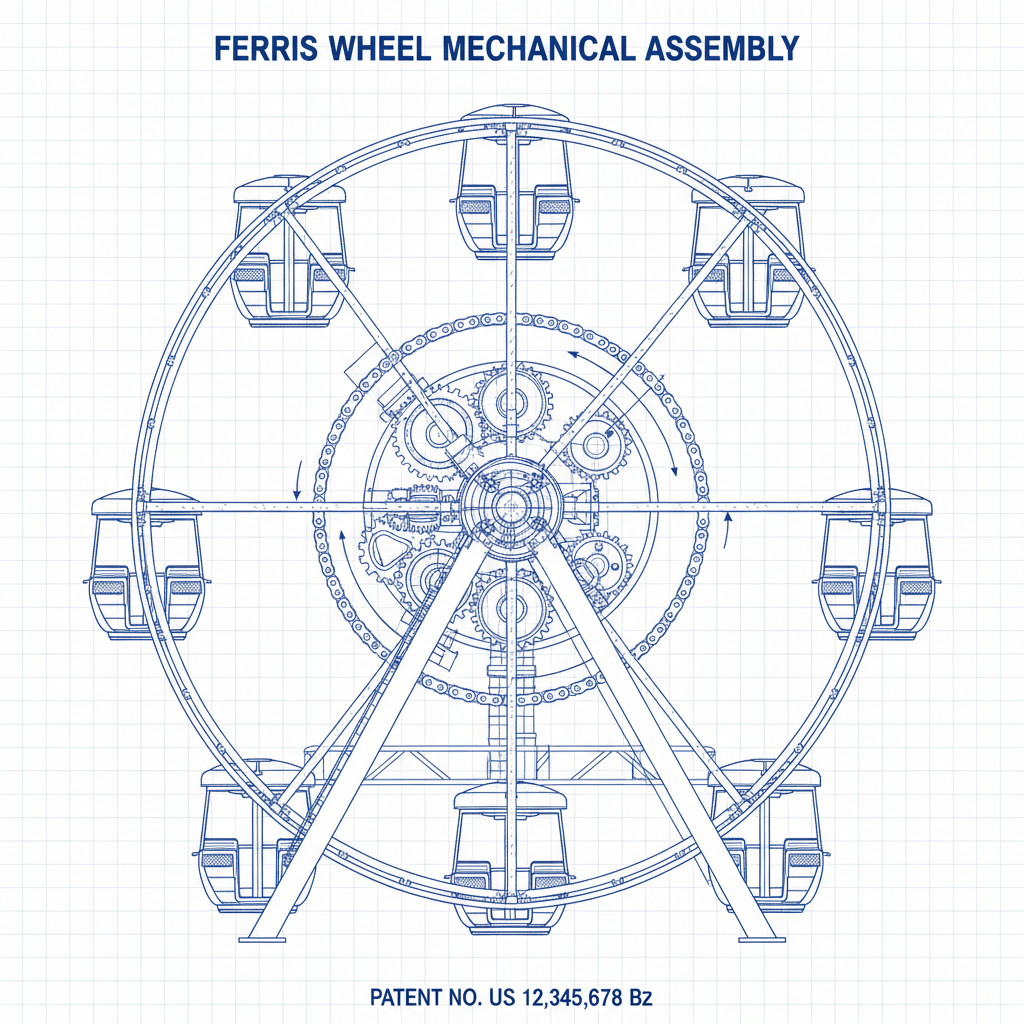
A Historical Journey: The Evolution of the Ferris Ride
The genesis of the ferris ride can be traced back to the 1893 World's Columbian Exposition in Chicago. Engineer George Washington Gale Ferris Jr. was tasked with creating a landmark attraction to rival the Eiffel Tower, recently showcased at the 1889 Paris Exposition. The resulting Ferris Wheel, standing at 264 feet tall, was a monumental engineering achievement and instantly became a sensation. Initially intended as a temporary attraction, its popularity led to the widespread adoption of ferris rides across the globe. Early ferris rides relied heavily on steam power and featured relatively simple designs. Over time, electric motors, improved steel construction, and sophisticated control systems revolutionized the ride, increasing its safety, capacity, and overall experience.
Key Milestones: The 1893 Chicago World's Fair marked the birth of the ferris ride. Subsequent innovations focused on increasing height, capacity, and safety through the adoption of electric motors and improved materials.
Understanding the Mechanics: How a Ferris Ride Works
At its core, a ferris ride operates on a relatively simple principle: rotational motion. A large wheel is supported by a central axle and frame, powered by electric motors that drive the rotation. Passenger cabins, or gondolas, are attached to the wheel’s circumference, typically via spokes or supporting arms. The gondolas are designed to remain level throughout the rotation, providing a comfortable ride. Modern ferris rides utilize sophisticated control systems to manage speed, braking, and safety features. Sensors monitor the wheel’s position, cabin load, and other critical parameters, ensuring a smooth and safe operation. Regular maintenance and inspections are vital to ensure the continued reliability of these complex machines.
Key Mechanical Components:
• Central Axle and Frame
• Electric Motors
• Gondolas/Passenger Cabins
• Control Systems and Sensors
Ferris Ride Safety: A Top Priority
Safety is paramount in the design and operation of any amusement park ride, and the ferris ride is no exception. Modern ferris rides incorporate multiple safety features, including redundant braking systems, emergency stop mechanisms, and robust structural engineering. Each gondola is equipped with restraints, such as lap bars or seatbelts, to secure passengers. Regular inspections, conducted by qualified technicians, are essential to identify and address potential issues. Furthermore, strict operational procedures, including weight limits and passenger loading protocols, are enforced to ensure a safe and enjoyable experience. Manufacturers like Z Prollercoaster adhere to stringent safety standards and provide comprehensive training for operators.
Modern Innovations in Ferris Ride Technology
The ferris ride continues to evolve with advancements in technology. Modern designs incorporate LED lighting systems, creating stunning visual displays. Climate-controlled gondolas enhance passenger comfort, allowing for year-round operation. Some ferris rides even feature onboard entertainment systems, providing music and information during the ride. Manufacturers like Z Prollercoaster are at the forefront of these innovations, pushing the boundaries of what's possible in ferris ride design. Sustainable materials and energy-efficient systems are also becoming increasingly prevalent, reflecting a growing commitment to environmental responsibility.
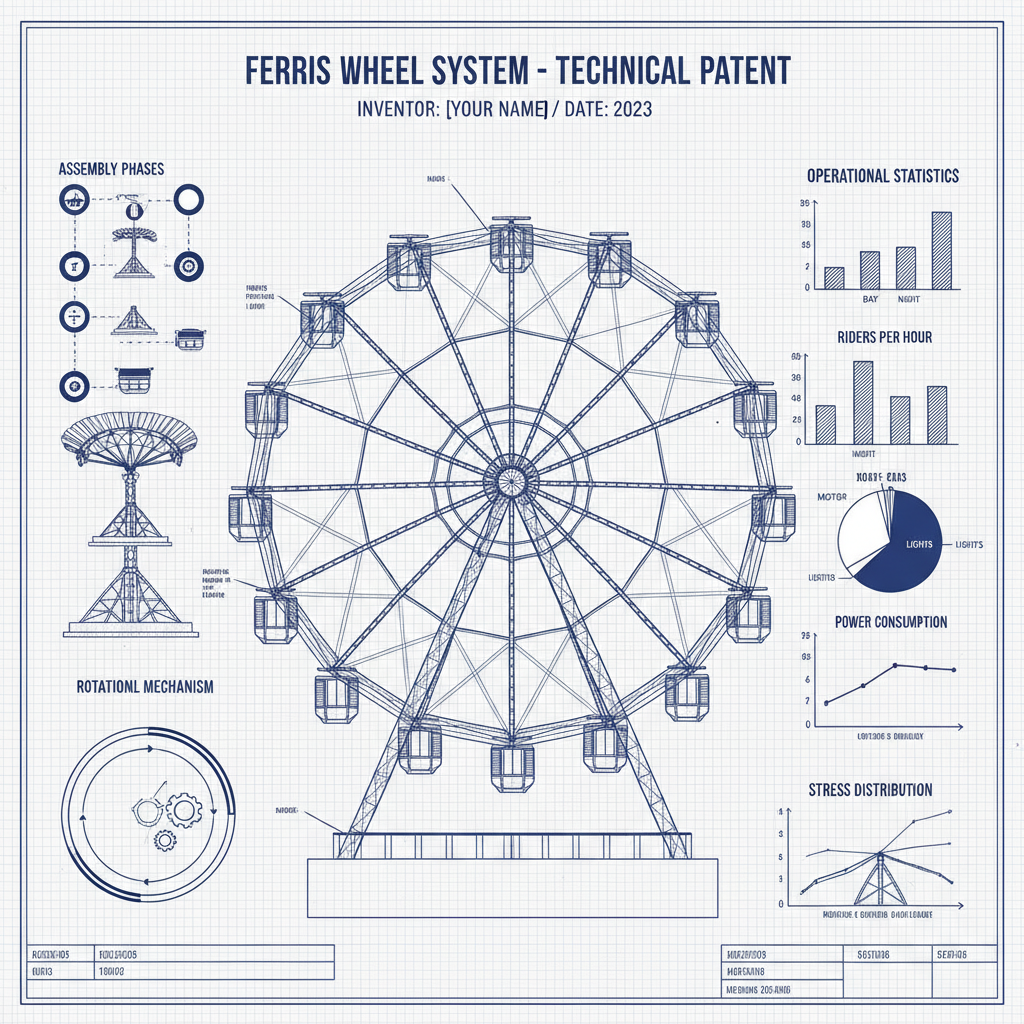
Choosing the Right Ferris Ride Manufacturer
Selecting a reputable ferris ride manufacturer is crucial for ensuring quality, safety, and long-term reliability. Look for a company with a proven track record, a commitment to safety standards, and a comprehensive range of services, including design, manufacturing, installation, and maintenance. Z Prollercoaster offers customized ferris ride solutions tailored to meet the specific needs of your park. Their experienced team of engineers and technicians can guide you through every step of the process, from initial design to final installation. Prioritize manufacturers who offer ongoing support and maintenance services to ensure the continued safe and efficient operation of your ferris ride.
Conclusion: The Enduring Appeal of the Ferris Ride
The ferris ride remains a beloved amusement park attraction, offering a unique blend of thrill, relaxation, and breathtaking views. By understanding its history, mechanics, safety features, and modern innovations, you can appreciate the engineering marvel and enduring appeal of this iconic ride. Investing in a high-quality ferris ride from a trusted manufacturer like Z Prollercoaster will ensure a safe, enjoyable, and memorable experience for your guests.
Frequently Asked Questions (FAQs)
What is the typical height of a modern ferris ride?
The height of a modern ferris ride can vary significantly, ranging from around 80 feet to over 550 feet for the tallest examples. Smaller, portable ferris rides are common at fairs and carnivals, typically ranging from 65 to 150 feet in height. Larger, permanent installations at amusement parks often exceed 200 feet, offering more spectacular views. The High Roller in Las Vegas is currently the world’s tallest observation wheel, standing at 550 feet tall. The height impacts the capacity and overall thrill of the ride, influencing its appeal to different audiences.
How long does a typical ferris ride cycle last?
A typical ferris ride cycle lasts between 5 to 10 minutes. This duration allows for a comfortable number of rotations, providing passengers with ample time to enjoy the views. The speed of rotation is carefully controlled to ensure a smooth and enjoyable experience. Some ferris rides offer variable speed settings, adjusting the rotation time based on passenger preferences or operational needs. The cycle time also considers loading and unloading procedures, ensuring efficient operation.
What type of maintenance is required for a ferris ride?
Ferris rides require regular and comprehensive maintenance to ensure safe and reliable operation. This includes daily inspections of gondolas, restraints, and structural components. Lubrication of moving parts is crucial to prevent wear and tear. Periodic inspections by qualified technicians are required to assess the condition of the wheel, axle, motors, and control systems. Non-destructive testing methods, such as ultrasonic inspection, may be used to detect hidden flaws. Annual overhauls are typically performed to replace worn components and ensure the ride meets all safety standards. Z Prollercoaster provides comprehensive maintenance packages.
Are ferris rides affected by weather conditions?
Yes, ferris rides are significantly affected by weather conditions. Strong winds are a primary concern, as they can cause excessive swaying and instability. Most ferris rides have wind speed sensors that automatically shut down the ride when wind speeds exceed a predetermined threshold. Rain and lightning also pose risks, potentially causing electrical hazards and reducing visibility. Ice buildup can affect the operation of moving parts and increase the weight on the structure. Operators typically follow strict weather protocols, suspending operation during adverse conditions to ensure passenger safety.
-
Ethiopian governmentApr.12,2024
-
On March 20-22Apr.12,2024
-
Comprehensive Guide to Choosing the Perfect sightseeing wheelApr.16,2026
-
Guide to Choosing a Roller Coaster and Ferris Wheel for Your ParkApr.09,2026
-
Find Your Perfect Portable Ferris Wheel for Sale and Elevate EntertainmentApr.07,2026
-
The Captivating World of Portable Ferris Wheels and Event EntertainmentApr.04,2026