
The Thrill and History of the Funfair Wheel Ride Experience
The Thrill of the Heights: A Guide to the Funfair Wheel Ride
The funfair wheel ride, also known as a Ferris wheel, is a classic attraction that continues to captivate audiences of all ages. Its majestic stature and breathtaking views offer a unique entertainment experience. This article delves into the world of funfair wheel rides, exploring their history, mechanics, safety features, and the growing demand in the amusement park industry. Whether you're an enthusiast, a park operator, or simply curious, this guide will provide a comprehensive overview. We'll look at how ZPROllerCoaster contributes to building quality and safe funfair rides.
A Brief History of the Funfair Wheel Ride
The origins of the Ferris wheel can be traced back to the 1893 World's Columbian Exposition in Chicago. Engineer George Washington Gale Ferris Jr. designed the wheel as a response to the Eiffel Tower showcased at the 1889 Paris Exposition. The original wheel stood at 264 feet tall and featured 36 passenger cars, each capable of holding 60 people. It quickly became the most popular attraction at the exposition, drawing over 1.4 million visitors. Since then, the funfair wheel ride has evolved significantly, with advancements in engineering and safety leading to increasingly impressive and sophisticated designs. Today's models boast larger capacities, enhanced comfort, and stunning visual effects.
Key Highlight: From its humble beginnings at the 1893 World's Columbian Exposition, the funfair wheel ride has become a symbol of amusement and innovation, consistently evolving to meet the demands of a modern audience.
Understanding the Mechanics of a Funfair Wheel Ride
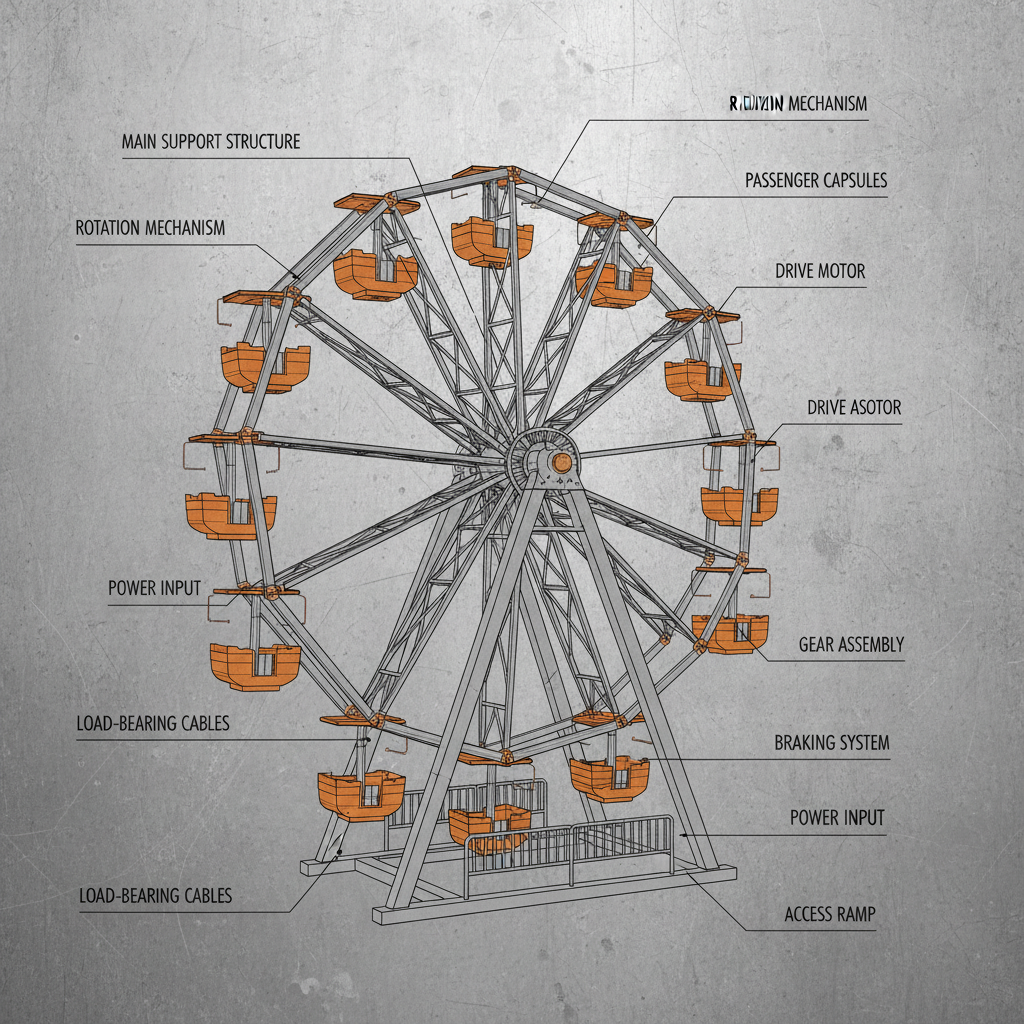
The mechanics behind a funfair wheel ride are a fascinating blend of engineering principles. The central structure typically consists of a large steel frame supporting the wheel itself. The wheel rotates on a series of bearings, powered by electric motors and a sophisticated gear system. Passenger cars, often referred to as gondolas or cabins, are attached to the wheel’s perimeter via spokes or arms. Safety features, such as redundant braking systems and automated shutdown mechanisms, are integral to the design. Modern funfair wheel rides also incorporate advanced control systems for smooth operation and precise speed regulation. The careful balance of these components ensures a safe and enjoyable experience for riders. ZPROllerCoaster ensures that all aspects of these mechanics are accounted for in their designs.
Key Mechanical Components:
• Steel Frame: Provides structural support.
• Bearings: Enable smooth rotation.
• Electric Motors & Gear System: Power the wheel’s rotation.
• Gondolas/Cabins: Carry passengers.
Fulfilling the demand: Funfair Wheel Ride Size and Capacity Comparison
The demand for funfair wheel rides is increasing globally, with parks seeking to offer ever-more impressive attractions. Wheel size and passenger capacity vary significantly. Here’s a comparison of common types:
Safety Features in Modern Funfair Wheel Rides
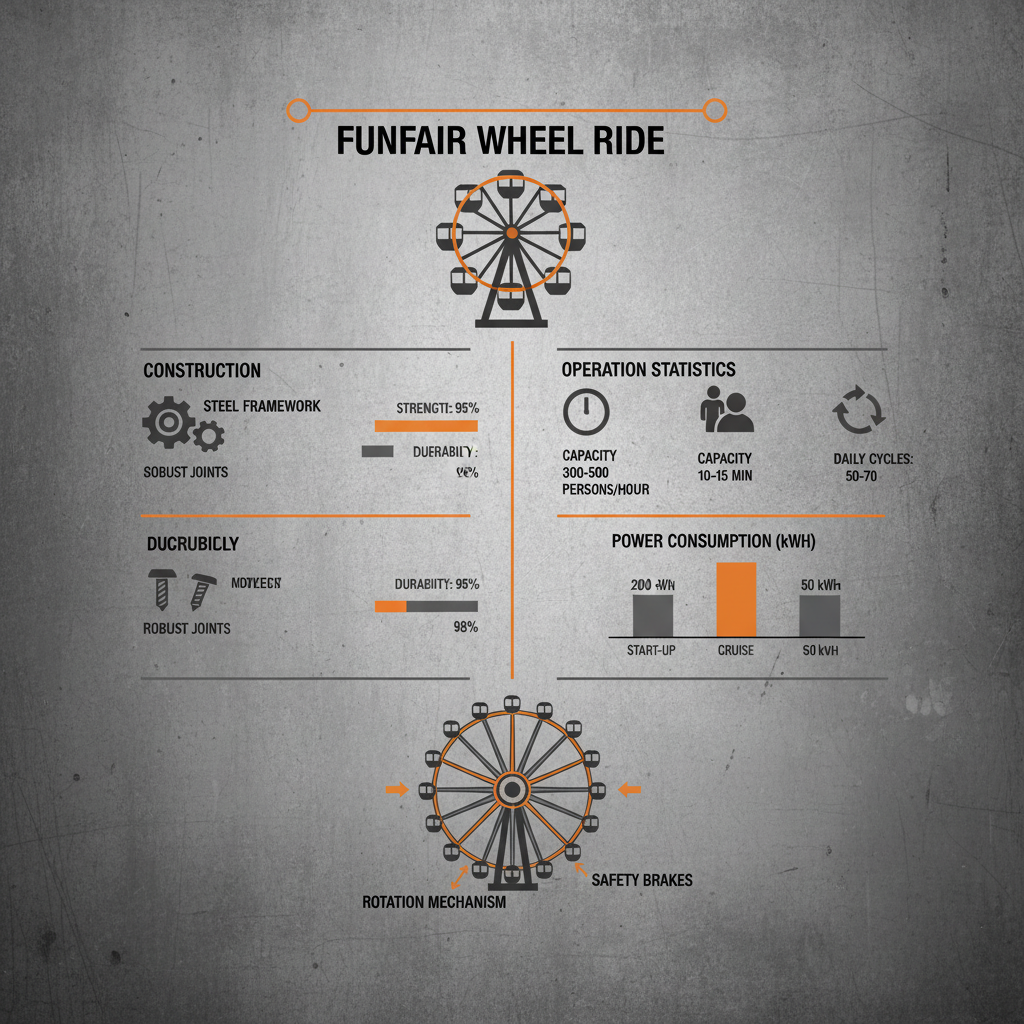
Safety is paramount in the design and operation of funfair wheel rides. Modern models incorporate a multitude of features to minimize risk. These include redundant braking systems, automated shutdown procedures, anti-rollback mechanisms, and robust structural engineering. Passenger cabins are equipped with safety restraints, such as lap bars and seatbelts. Regular inspections and maintenance are also crucial, with qualified technicians meticulously examining all components for wear and tear. ZPROllerCoaster prioritizes rigorous testing and adherence to international safety standards in every ride they manufacture.
The Future of Funfair Wheel Ride Technology
The future of funfair wheel rides is bright, with ongoing innovation promising even more thrilling and immersive experiences. Emerging technologies include LED lighting systems for spectacular visual displays, climate-controlled cabins for enhanced comfort, and virtual reality integration for interactive entertainment. Sustainable designs, utilizing energy-efficient motors and eco-friendly materials, are also gaining traction. As demand continues to grow, we can expect to see even larger and more ambitious funfair wheel rides pushing the boundaries of engineering and entertainment. ZPROllerCoaster is at the forefront of this innovation, developing cutting-edge rides that redefine the amusement park experience.
Conclusion: A Timeless Attraction
The funfair wheel ride remains a beloved attraction, captivating generations with its breathtaking views and timeless appeal. Continued innovation in safety, comfort, and technology will ensure its enduring popularity in amusement parks around the world. The future of this classic ride is bright, promising even more thrilling experiences for years to come.
Frequently Asked Questions (FAQs)
What safety measures are in place on a funfair wheel ride?
Funfair wheel rides employ multiple safety features, including redundant braking systems that ensure the wheel can be stopped even in the event of a motor failure. Anti-rollback mechanisms prevent the ride from moving backward, and robust structural engineering ensures the wheel can withstand significant stress. Passenger cabins are equipped with secure restraints, and regular inspections are conducted by qualified technicians to identify and address any potential issues. Modern rides also incorporate automated shutdown procedures triggered by abnormal conditions.
How often are funfair wheel rides inspected?
Funfair wheel rides undergo regular inspections, typically daily, weekly, monthly, and annually. Daily checks are performed by ride operators to visually inspect components and ensure proper functioning. Weekly and monthly inspections are conducted by trained maintenance personnel, involving more detailed examinations. Annual inspections are carried out by certified engineers, often in conjunction with regulatory authorities, to ensure compliance with safety standards and identify any potential structural issues.
What are the height and weight restrictions for riding a funfair wheel ride?
Height and weight restrictions vary depending on the specific ride and park operator. Generally, riders must be at least 40 inches tall to ride. Weight limits are typically around 300-350 pounds per passenger. These restrictions are in place to ensure the safety and comfort of all riders, as well as to prevent overloading the ride’s capacity. Always check the specific guidelines posted at the ride entrance.
Can funfair wheel rides operate in inclement weather?
The operation of funfair wheel rides in inclement weather depends on the severity of the conditions and the ride's specific safety protocols. Generally, rides are shut down during thunderstorms, high winds, and heavy rain. High winds pose a significant risk due to the wheel’s height and potential for instability. Rain can also affect braking systems and visibility. Parks prioritize safety and will temporarily suspend operations until conditions improve.
-
Ethiopian governmentApr.12,2024
-
On March 20-22Apr.12,2024
-
Comprehensive Guide to Choosing the Perfect sightseeing wheelApr.16,2026
-
Guide to Choosing a Roller Coaster and Ferris Wheel for Your ParkApr.09,2026
-
Find Your Perfect Portable Ferris Wheel for Sale and Elevate EntertainmentApr.07,2026
-
The Captivating World of Portable Ferris Wheels and Event EntertainmentApr.04,2026