
The Magical Funfair Ferris Wheel A Timeless Attraction
The Magic of Funfair Ferris Wheels
Fulfilling dreams and creating unforgettable memories, the funfair ferris wheel stands as an iconic symbol of amusement and joy. More than just a ride, it offers breathtaking panoramic views and a sense of wonder for all ages. From local fairs to large-scale carnivals, these towering structures captivate audiences worldwide. This article explores the history, technology, safety, and appeal of the ferris wheel, alongside insights into choosing the perfect one for your event or park. Discover why this classic attraction continues to be a crowd-pleaser.
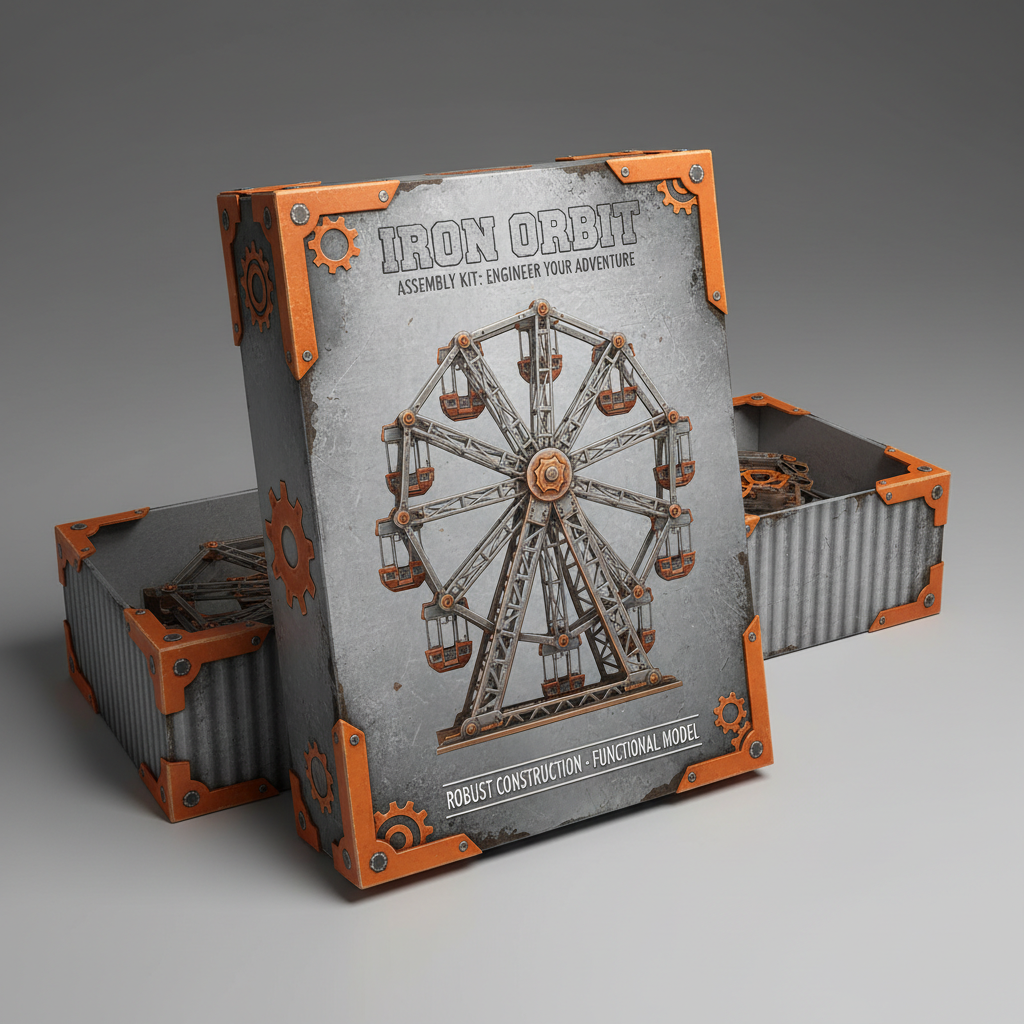
A Brief History of the Ferris Wheel
The story of the ferris wheel begins with George Washington Gale Ferris Jr., who designed and built the original Ferris wheel for the 1893 World's Columbian Exposition in Chicago. Inspired by the Eiffel Tower in Paris, Ferris aimed to create an attraction that would rival it in scale and impressiveness. His invention quickly became a sensation, attracting over 1.4 million passengers during the exposition. This success sparked a worldwide fascination with ferris wheels, leading to their adoption at fairs and amusement parks globally. Today, modern ferris wheels retain the charm of the original while incorporating advanced engineering and safety features.
Key Highlights: The original Ferris wheel in 1893 was 264 feet (80.4 m) high, with 36 passenger cars each capable of holding 60 people. It was a marvel of engineering for its time and set the stage for the evolution of this iconic attraction.
Modern Ferris Wheel Technology & Types
Modern funfair ferris wheels boast advancements in engineering, materials, and safety. Traditional models often used steel frames with wooden cabins, but today’s designs commonly incorporate steel or composite materials for increased strength and durability. There are several key types of ferris wheels, including:
- Traditional Ferris Wheels: These feature a central hub with spokes radiating outward to support the passenger cars.
- Observation Wheels: Larger in scale, these offer enclosed, climate-controlled cabins and provide panoramic views.
- Portable Ferris Wheels: Designed for easy transport and assembly, ideal for traveling fairs and events.
Ferris Wheel Types:
• Traditional: Classic design, suitable for smaller events.
• Observation: Large-scale, enclosed cabins with climate control.
• Portable: Easy to transport and assemble for traveling events.
Ferris Wheel Safety Features
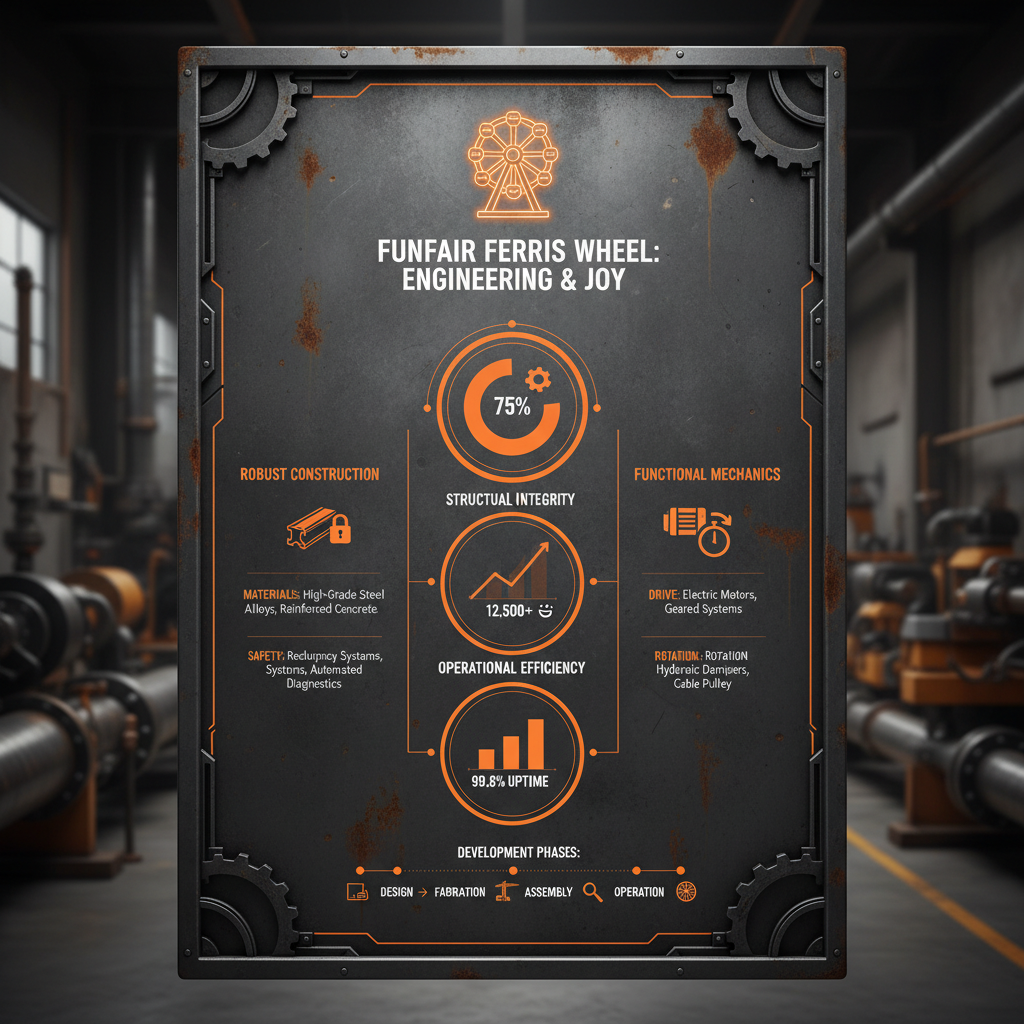
Safety is paramount in the design and operation of ferris wheels. Modern ferris wheels incorporate multiple layers of safety features, including: redundant braking systems, anti-rollback devices, sophisticated sensors to monitor stress and load, and automated shutdown mechanisms. Regular inspections and maintenance are crucial to ensure the continued safe operation of these attractions. Furthermore, operator training is essential, focusing on emergency procedures and passenger safety protocols. The industry adheres to strict safety standards set by organizations like ASTM International.
Choosing the Right Funfair Ferris Wheel for Your Needs
Selecting the appropriate ferris wheel depends on factors such as event size, budget, available space, and desired aesthetic. Portable ferris wheels are ideal for traveling fairs and smaller events, while larger observation wheels are better suited for permanent installations in amusement parks or tourist destinations. Consider the capacity of the wheel, the height it offers, and any additional features like enclosed cabins or lighting. Partnering with a reputable manufacturer like Zprollercoaster ensures quality, safety, and reliable service.
The Enduring Appeal of the Ferris Wheel
The enduring appeal of the funfair ferris wheel lies in its ability to offer a unique and memorable experience. The combination of breathtaking views, a gentle ride, and a sense of childlike wonder makes it a favorite attraction for people of all ages. It's a timeless symbol of fun, romance, and unforgettable moments. Whether it’s a first date, a family outing, or a solo adventure, the ferris wheel continues to captivate and delight.
Conclusion: A Timeless Classic
The ferris wheel remains a beloved attraction, blending history, technology, and pure enjoyment. Choosing a high-quality ferris wheel from a reputable supplier ensures a safe and captivating experience for your audience. Embrace the magic and create lasting memories with this iconic ride.
Frequently Asked Questions (FAQs)
What is the typical height of a funfair ferris wheel?
The height of funfair ferris wheels varies greatly depending on their portability and intended use. Smaller, portable wheels often range from 30 to 80 feet, while larger, permanent installations can exceed 200 feet. The world’s tallest ferris wheel, the High Roller in Las Vegas, reaches a staggering 550 feet. Height is a significant factor in the overall experience, offering more expansive views but also requiring more robust safety measures. When considering a ferris wheel for an event, it’s important to assess the available space and desired impact.
How much does a funfair ferris wheel cost?
The cost of a funfair ferris wheel depends on several factors, including its size, type, and features. Portable wheels typically range from $50,000 to $200,000, while larger observation wheels can cost millions of dollars. Additional expenses include transportation, installation, maintenance, and insurance. It's crucial to obtain quotes from multiple suppliers and carefully consider the long-term operational costs before making a purchase. Zprollercoaster can provide detailed cost estimations tailored to your specific requirements.
What maintenance is required for a ferris wheel?
Regular maintenance is critical for ensuring the safe and reliable operation of a ferris wheel. This includes daily inspections of mechanical components, lubrication of moving parts, and periodic checks of the structural integrity. Annual inspections by qualified engineers are essential to identify potential issues and prevent failures. Replacement of worn parts, such as bearings and cables, is also necessary over time. Maintaining detailed maintenance records is crucial for tracking repairs and ensuring compliance with safety regulations.
Are ferris wheels weather dependent?
Yes, ferris wheels are often weather-dependent. Strong winds, heavy rain, lightning, and extreme temperatures can pose safety risks and necessitate temporary closures. Most ferris wheels have specific wind speed limits, beyond which operation is prohibited. Operators closely monitor weather conditions and adhere to strict safety protocols to ensure passenger safety. Modern observation wheels with enclosed cabins offer greater protection from the elements, allowing for operation in a wider range of conditions.
-
Ethiopian governmentApr.12,2024
-
On March 20-22Apr.12,2024
-
Comprehensive Guide to Choosing the Perfect sightseeing wheelApr.16,2026
-
Guide to Choosing a Roller Coaster and Ferris Wheel for Your ParkApr.09,2026
-
Find Your Perfect Portable Ferris Wheel for Sale and Elevate EntertainmentApr.07,2026
-
The Captivating World of Portable Ferris Wheels and Event EntertainmentApr.04,2026