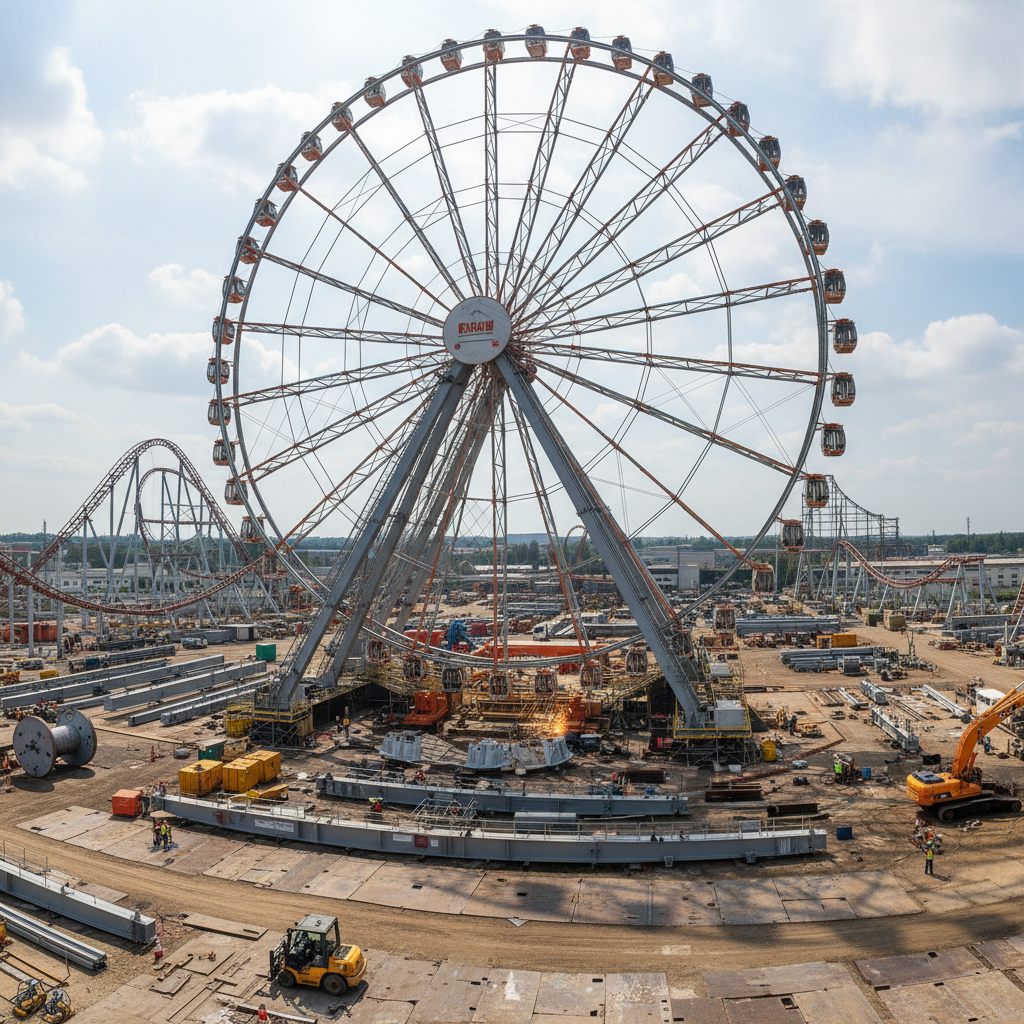
The carnival wheel ride – it’s more than just flashing lights and thrills. It's a testament to engineering, a symbol of community, and a surprisingly complex beast to get right. I’ve spent years walking ride sites, smelling the steel, feeling the vibrations, and talking to the crews who build and maintain these things. What strikes me isn’t just the height or the speed, but the sheer precision required to make it all safe and enjoyable. From the meticulous welding of the frame to the sophisticated control systems, every detail matters. It’s a fascinating intersection of physics, artistry, and good old-fashioned hard work.
We often think of carnival wheel ride as purely entertainment, and it is, absolutely. But it's also a significant economic driver for communities, providing jobs and attracting tourism. The industry is constantly evolving, incorporating new technologies and materials to enhance safety and the overall experience. As someone who's dealt with logistical nightmares getting parts delivered to remote fairgrounds, I can tell you the supply chain is critical, and improvements there directly impact the bottom line for operators.
And beyond the economics, a well-maintained carnival wheel ride provides a unique sense of joy and wonder. Seeing the smiles on people’s faces as they take that first spin – that’s what makes all the hard work worthwhile. It’s a simple pleasure, but it’s one that connects generations and creates lasting memories. It’s a reminder that, sometimes, the most rewarding experiences are the ones that lift us up, both literally and figuratively.
The Fundamentals of carnival wheel ride
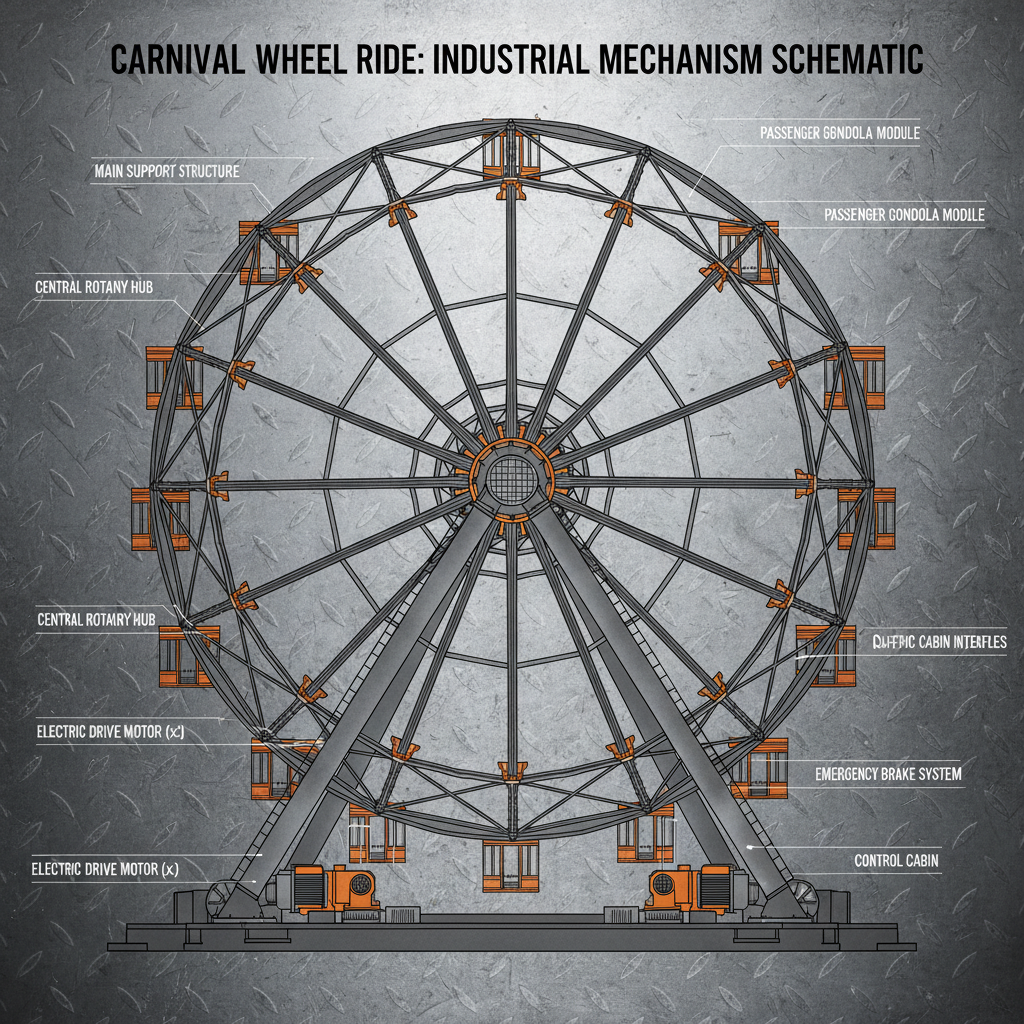
At its core, a carnival wheel ride is a mechanically rotated vertical wheel with passenger-carrying compartments attached to the rim. But that description doesn't capture the complexities involved. From the robust steel framework designed to withstand enormous stress to the precision-engineered braking systems, every component has a critical role. We’re talking about substantial dynamic loads – the weight of passengers, the centrifugal force, wind resistance – all needing to be carefully calculated and accounted for.
What I've learned on the ground is that the devil’s in the details. Proper foundation design is paramount – you can have the best ride in the world, but it won’t matter if it’s sitting on unstable ground. Regular inspections, meticulous maintenance, and adherence to stringent safety standards are non-negotiable. You see shortcuts taken, and you know it's only a matter of time before something goes wrong. It’s about respecting the physics, respecting the engineering, and, most importantly, respecting the people who ride them.
Global Significance and Industry Landscape
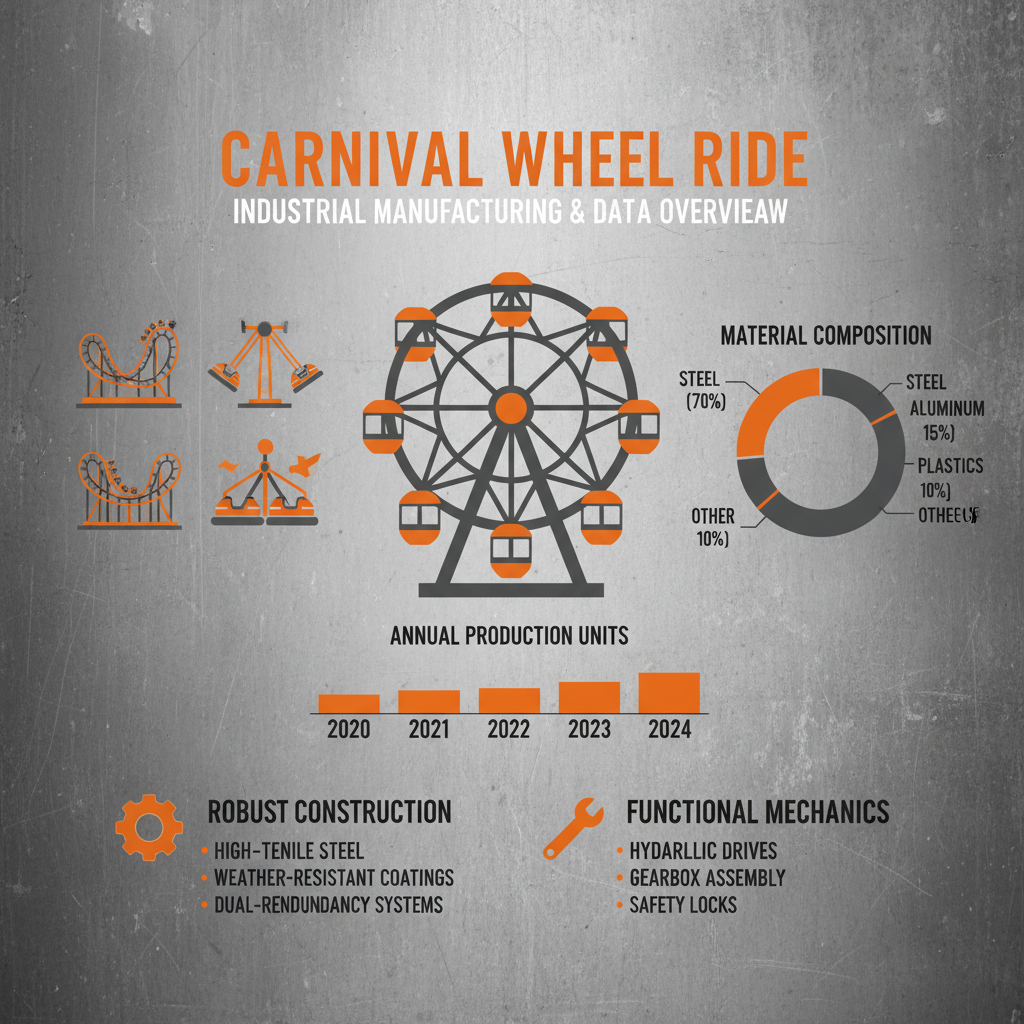
The carnival wheel ride industry is a multi-billion dollar global market, deeply interwoven with the entertainment, tourism, and event management sectors. You'll find these rides at traveling carnivals, amusement parks, and even as permanent fixtures in some cityscapes. According to industry reports, the global amusement park market alone is projected to reach over $60 billion by 2028, with rides like the wheel contributing significantly to revenue. It's a competitive landscape, with manufacturers constantly vying for market share and innovating to attract customers.
But it’s not just about profits. These rides are cultural icons. They’re often the centerpiece of local festivals and celebrations, bringing communities together. In many parts of the world, particularly developing nations, carnival wheel rides provide affordable entertainment options for families. The industry faces the challenge of balancing profitability with affordability and accessibility, ensuring that the joy of a carnival experience isn’t limited to the privileged few.
We’re also seeing increased scrutiny regarding safety regulations and environmental impact. The International Organization for Standardization (ISO) and various national regulatory bodies are continually updating standards to ensure passenger safety. And there’s a growing demand for more sustainable ride designs and operations, reducing energy consumption and minimizing waste.
Defining the carnival wheel ride Experience
The carnival wheel ride experience isn't just about the physical sensation of being lifted and rotated. It's about the anticipation as you queue up, the shared excitement with friends and family, the panoramic views from the top, and the overall atmosphere of fun and festivity. It's a sensory experience – the bright lights, the lively music, the smells of popcorn and cotton candy – all contributing to a unique and memorable event. The experience has to feel safe and reassuring while still being stimulating.
From a design perspective, this means creating a ride that’s visually appealing, comfortable, and accessible to people of all ages and abilities. Smooth operation is vital – no one wants a jerky or uncomfortable ride. Lighting plays a huge role, creating a sense of excitement and wonder, especially at night. And the cabin design itself is crucial, providing adequate space, ventilation, and safety features.
It's also about the little things: clean and well-maintained cabins, friendly and attentive ride operators, and a seamless boarding and disembarking process. These seemingly minor details can make all the difference between a good experience and a great one. I’ve seen operators go the extra mile, offering blankets on chilly nights or providing assistance to passengers with mobility issues, and those are the moments that truly stand out.
Core Components and Quality Factors
Several key components contribute to the performance and safety of a carnival wheel ride. The structural framework, typically constructed from high-strength steel, is the foundation of the entire ride. Then you've got the drive system – the motors, gears, and transmission – which provide the rotational power. The braking system is absolutely critical, ensuring smooth and controlled stops. And of course, the control system – the computer and sensors – which monitors and regulates all aspects of the ride’s operation.
Quality factors are paramount. Durability, ensuring the ride can withstand years of heavy use and exposure to the elements, is essential. Reliability, minimizing downtime and maintenance requirements, is also key. And of course, safety – the ride must meet or exceed all relevant safety standards. But it’s not just about the components themselves; it’s about the quality of the manufacturing process, the materials used, and the level of quality control.
carnival wheel ride Component Performance Ratings
Real-World Applications and Global Presence
You'll find carnival wheel ride gracing amusement parks across North America, Europe, and Asia. They're staples at traveling fairs and festivals worldwide, bringing a touch of excitement to communities large and small. In some regions, like Southeast Asia, these rides are often the main attraction at night markets, drawing huge crowds. In the Middle East, you'll see them incorporated into large-scale entertainment complexes.
The application isn't limited to permanent installations. Companies specializing in mobile amusement parks can quickly set up and dismantle rides, bringing the fun to a wide range of events. In post-disaster relief operations, carnival wheel rides have even been used to provide a brief respite and a sense of normalcy for affected communities. It's a small thing, but a little joy can go a long way in times of hardship.
Long-Term Advantages and Value Proposition
Investing in a high-quality carnival wheel ride offers significant long-term advantages. Reduced maintenance costs, thanks to durable components and robust design, translate into higher profitability. Increased rider capacity, achieved through optimized cabin design and efficient loading/unloading procedures, boosts revenue potential. And a strong safety record builds trust with customers, attracting repeat business.
Beyond the financial benefits, there’s a significant social impact. These rides create jobs, support local economies, and provide entertainment for families. They contribute to a sense of community and offer a positive and memorable experience for riders. And in an increasingly digital world, they provide a tangible, real-world form of entertainment that can't be replicated online.
Future Trends and Innovation in carnival wheel ride
The future of carnival wheel ride is all about pushing the boundaries of technology and sustainability. We're seeing a trend towards larger, more elaborate rides with integrated light shows and immersive experiences. Virtual reality and augmented reality are also starting to play a role, enhancing the ride experience with digital overlays and interactive elements.
Energy efficiency is another key focus. Manufacturers are exploring the use of more efficient motors, regenerative braking systems, and renewable energy sources to reduce the environmental impact of these rides. Smart sensors and data analytics are being used to optimize ride operation, predict maintenance needs, and improve safety.
And we're also seeing a growing emphasis on accessibility, with designers creating rides that are more inclusive and accommodating to people of all abilities. The goal is to create a carnival experience that is enjoyable and accessible to everyone.
Summary of Key Trends in carnival wheel ride
| Technology Integration |
Sustainability Initiatives |
Accessibility Improvements |
Material Science Advances |
| VR/AR Integration |
Energy-Efficient Motors |
Wheelchair Accessibility |
Lightweight Composites |
| Smart Sensors |
Renewable Energy Sources |
Adjustable Cabin Sizes |
Corrosion-Resistant Alloys |
| Automated Control Systems |
Waste Reduction Programs |
Enhanced Safety Features |
Self-Healing Materials |
| Predictive Maintenance |
Carbon Footprint Reduction |
Universal Design Principles |
Biodegradable Components |
| Data Analytics |
Circular Economy Models |
Accessible Control Panels |
Advanced Polymer Blends |
| Remote Monitoring |
Sustainable Sourcing |
Intuitive Interfaces |
Nanomaterial Reinforcement |
FAQS
A well-maintained carnival wheel ride can realistically last 25-50 years. However, this heavily depends on factors like the quality of materials, the frequency of use, the climate it operates in, and the thoroughness of regular maintenance. Replacement of critical components, like the drive system or braking system, will be necessary over time. Routine inspections and adherence to manufacturer recommendations are paramount in maximizing the ride's lifespan.
Major maintenance is typically required every 5-10 years, depending on usage. This includes a complete inspection of the structural framework, overhaul of the drive and braking systems, and replacement of any worn or damaged components. Non-destructive testing methods, like ultrasonic inspection, are used to identify potential cracks or flaws. Preventative maintenance, performed annually or semi-annually, is crucial to prevent more costly repairs down the line.
Operators must comply with both national and local safety regulations. Common certifications include those from the American Society for Testing and Materials (ASTM) and the International Organization for Standardization (ISO). Regular inspections by certified inspectors are mandatory, and operators must maintain detailed records of all maintenance and repair work. Operator training is also critical, ensuring they understand proper procedures for operation, emergency stops, and passenger evacuation.
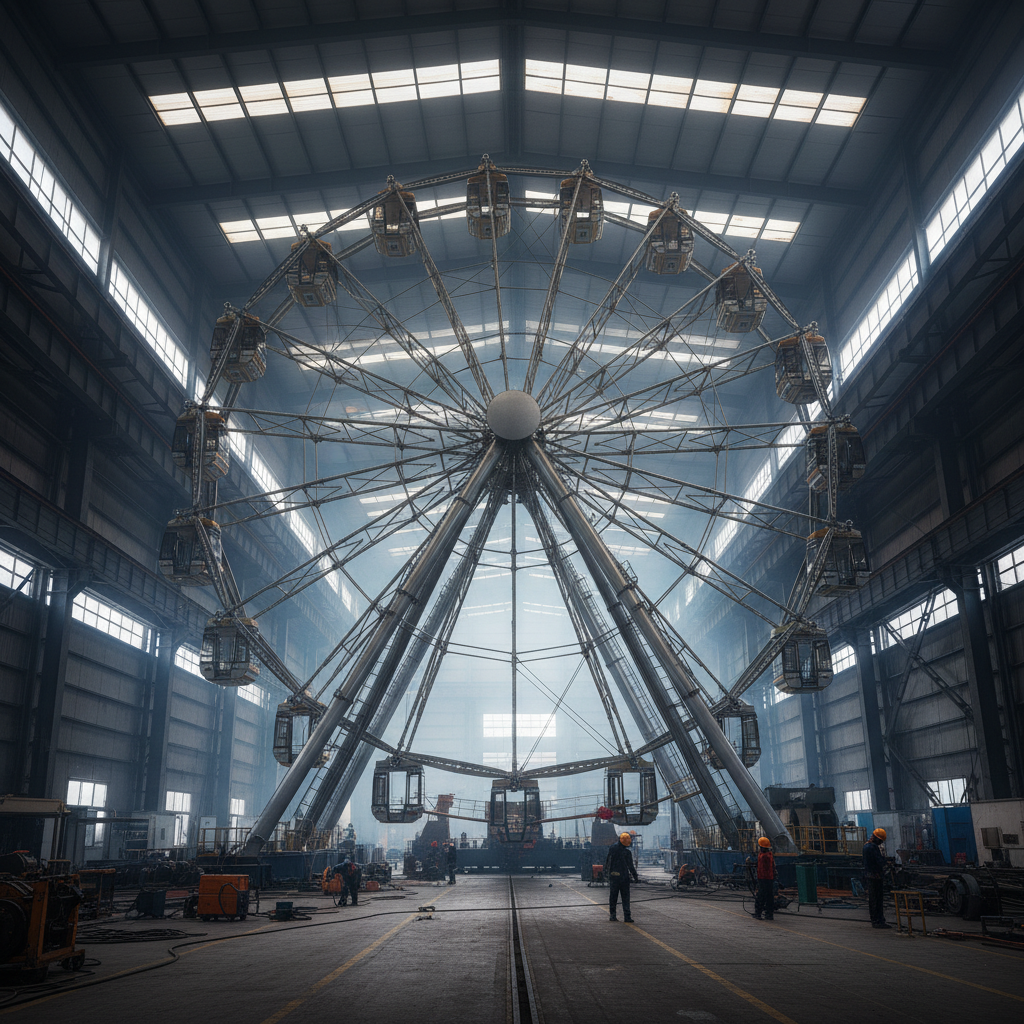
Transportation is a logistical nightmare, requiring specialized trailers and permits. Assembling the ride on-site demands skilled labor, heavy-lifting equipment, and precise alignment. Weather conditions can significantly delay the process, and site accessibility can be a major issue. Proper planning, detailed blueprints, and experienced crews are essential to overcome these challenges. We often need to navigate tight spaces and work around existing infrastructure.
Absolutely. Increasingly, operators are exploring renewable energy sources, such as solar power, to offset electricity consumption. Energy-efficient motors and regenerative braking systems can significantly reduce energy usage. Some manufacturers are also experimenting with biodegradable materials for cabin construction. While the initial investment may be higher, the long-term environmental and economic benefits are substantial.
We're seeing a move towards more immersive experiences, with integrated lighting, sound, and even virtual reality elements. Smart sensors and data analytics are being used to optimize ride performance and predict maintenance needs. Modular designs allow for easier transportation and assembly. And there’s a growing focus on accessibility, ensuring rides are inclusive for people of all abilities. The future of the carnival wheel ride is about enhancing the experience, improving safety, and reducing environmental impact.
Conclusion
The carnival wheel ride is far more than just a fleeting amusement. It represents a fascinating intersection of engineering, entertainment, and community. From its intricate mechanics to its enduring cultural significance, it’s a testament to human ingenuity and our innate desire for joy and wonder. Prioritizing safety, sustainability, and innovation will be crucial for ensuring its continued success in the years to come.
Looking ahead, the industry must embrace new technologies, prioritize accessibility, and strive for greater environmental responsibility. By investing in research and development, fostering collaboration between manufacturers and operators, and upholding the highest safety standards, we can ensure that the carnival wheel ride remains a cherished and iconic experience for generations to come.