
Exploring the Wonders and History of a Large Ferris Wheel
Exploring the Wonders of a Large Ferris Wheel
A large ferris wheel is more than just an amusement park ride; it’s an iconic symbol of fun, excitement, and unforgettable views. These towering structures offer a unique perspective of the surrounding landscape, attracting tourists and locals alike. From the historic charm of traditional wheels to the modern innovations of enclosed, climate-controlled cabins, a large ferris wheel provides an experience for all ages. This article will delve into the history, design, and benefits of these spectacular attractions, showcasing why they continue to captivate audiences worldwide. Whether you're planning a visit or simply curious about these engineering marvels, read on to discover everything you need to know.
A Brief History of the Ferris Wheel
The story of the ferris wheel begins with George Washington Gale Ferris Jr., an American civil engineer. He designed the first large ferris wheel for the 1893 World's Columbian Exposition in Chicago, as a response to the Eiffel Tower unveiled in Paris in 1889. Initially, many engineers doubted its feasibility, but Ferris persevered, creating a 250-foot-tall wheel with 36 cars, each capable of holding 60 people. The wheel proved immensely popular, offering breathtaking views of the city and attracting over 1.4 million riders during the exposition. This initial success sparked a global fascination with the ferris wheel, leading to the construction of numerous versions around the world.
Key Takeaway: The original Ferris Wheel was built to rival the Eiffel Tower and quickly became a symbol of American ingenuity and entertainment.
The Engineering Behind a Large Ferris Wheel
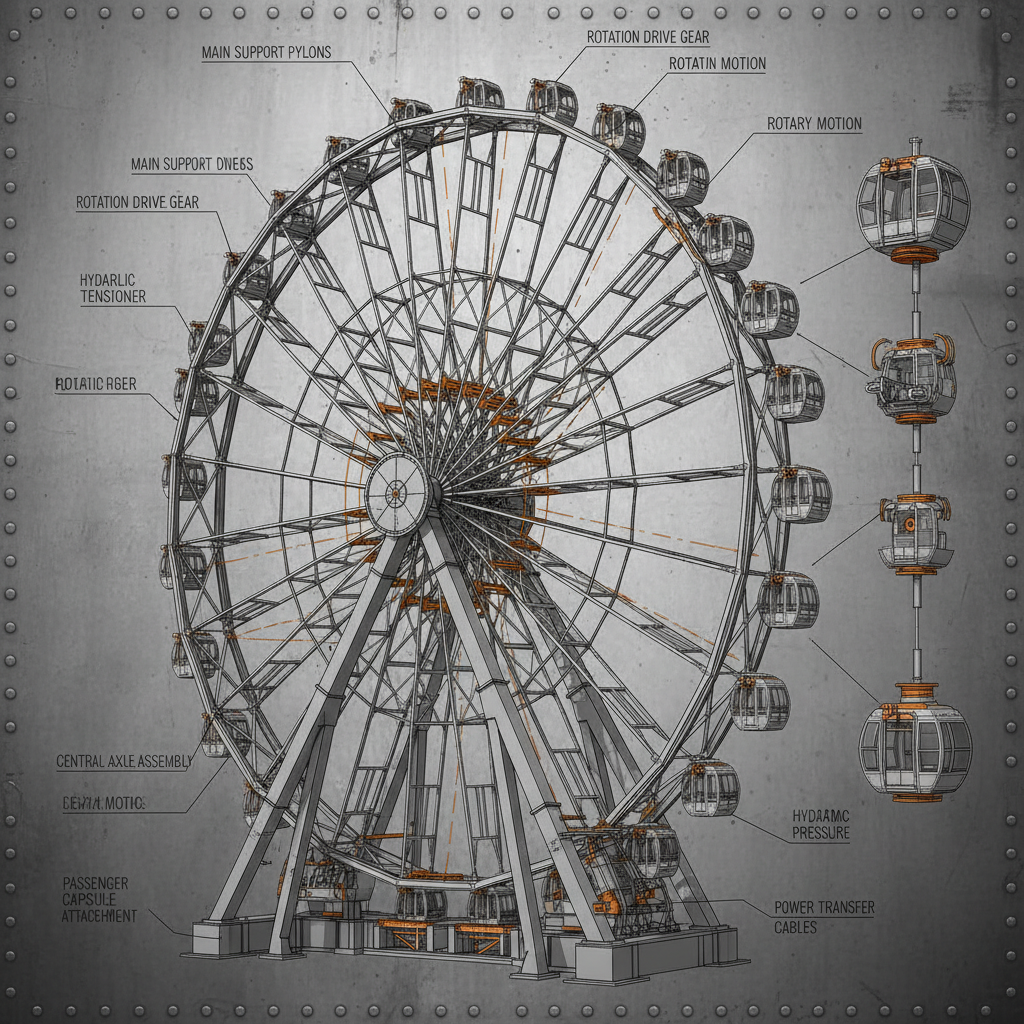
Designing and constructing a large ferris wheel is a complex engineering feat. These structures must withstand immense forces, including the weight of the cars and passengers, wind loads, and the stresses of constant rotation. The main components include a central hub, spokes, and a rotating rim. Modern ferris wheels often utilize high-strength steel for the structural components and employ advanced computer modeling to ensure stability and safety. Safety features like redundant braking systems, emergency evacuation procedures, and regular inspections are essential for maintaining operational reliability. The latest models often incorporate fully enclosed, climate-controlled cabins to provide a comfortable experience regardless of the weather.
Key Engineering Challenges:
• Maintaining structural integrity under extreme loads
• Ensuring smooth and reliable rotation
• Implementing robust safety systems
• Designing comfortable and secure passenger cabins
Comparing Ferris Wheel Types: Traditional vs. Modern
Over the years, ferris wheel designs have evolved. Traditional wheels feature open-air cars suspended from the rim, offering panoramic views. Modern ferris wheels, however, often incorporate enclosed, climate-controlled cabins that provide a more comfortable and weather-protected experience. These modern cabins frequently include features like seating, sound systems, and even Wi-Fi. Furthermore, some modern wheels are designed with a capsule-style cabin that is fully enclosed. The choice between traditional and modern designs depends on the location, climate, and the desired guest experience.
The Economic and Tourism Benefits of a Large Ferris Wheel
Beyond the sheer entertainment value, a large ferris wheel can significantly boost local economies and tourism. They often serve as a landmark attraction, drawing visitors from near and far. The presence of a ferris wheel can stimulate related businesses, such as restaurants, hotels, and shops. Moreover, they create employment opportunities in areas like operations, maintenance, and hospitality. Many modern ferris wheels are integrated into larger entertainment complexes, further enhancing their economic impact.
Specifications of Modern Large Ferris Wheels
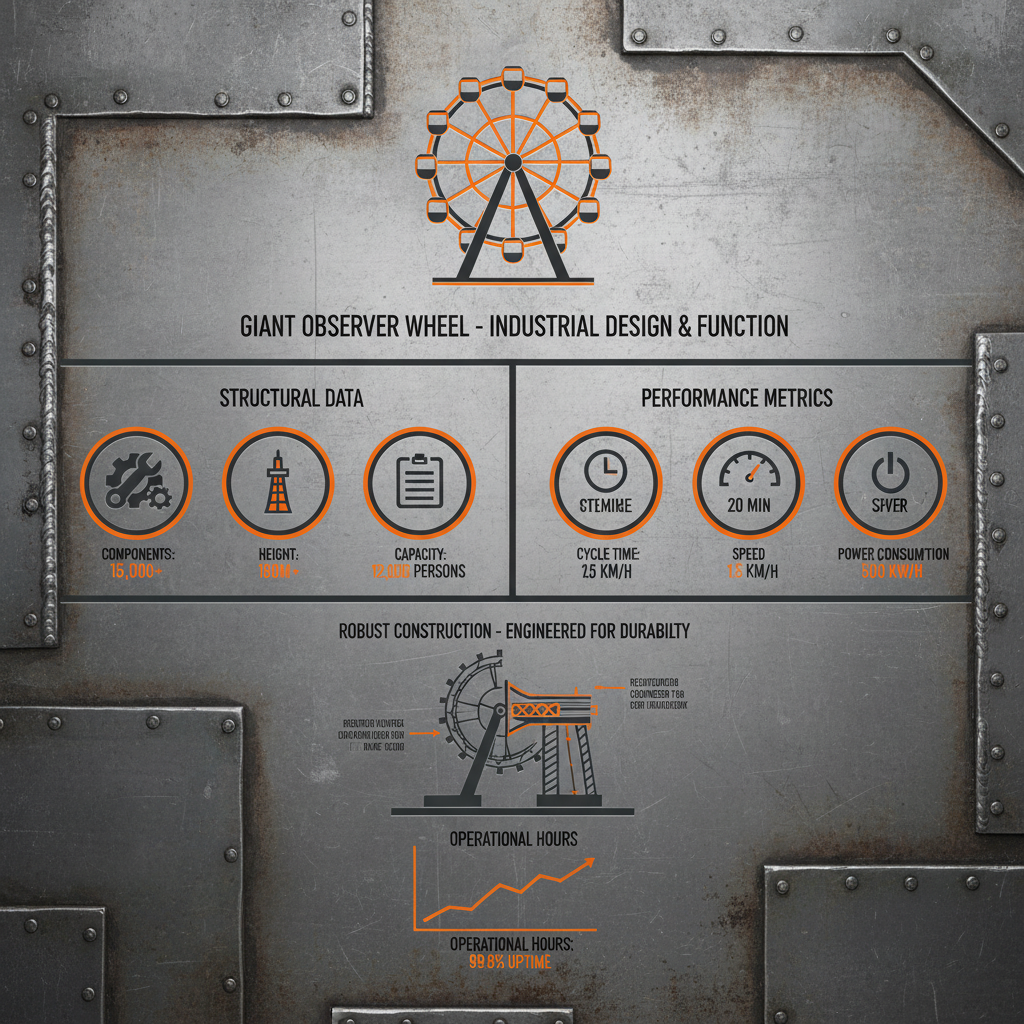
Modern large ferris wheels come in various sizes and configurations. Here’s a look at some typical specifications:
Conclusion: A Timeless Attraction
The large ferris wheel continues to enchant and inspire, offering a unique blend of engineering marvel, thrilling experience, and breathtaking views. From its humble beginnings in Chicago to the modern, technologically advanced attractions of today, the ferris wheel remains a beloved symbol of fun and entertainment. Whether you're a thrill-seeker, a sightseer, or simply looking for a memorable experience, a ride on a large ferris wheel is sure to leave a lasting impression.
Frequently Asked Questions (FAQs)
How safe are large ferris wheels?
Large ferris wheels are designed with multiple layers of safety features and undergo rigorous inspections to ensure passenger safety. These features include redundant braking systems, emergency evacuation procedures, and regular structural checks. The engineering principles applied to their design prioritize stability and resistance to extreme conditions. Modern wheels often feature sophisticated monitoring systems that track performance and identify potential issues proactively. Before operation, stringent safety certifications and adherence to industry standards are required. Ultimately, a well-maintained and operated ferris wheel is an exceptionally safe form of entertainment.
What is the typical ride duration on a large ferris wheel?
The typical ride duration on a large ferris wheel is between 10 to 20 minutes, though this can vary depending on the size of the wheel and the number of passengers. The rotation speed is carefully controlled to provide a comfortable and scenic experience without feeling rushed. A single revolution usually takes several minutes, allowing riders ample time to enjoy the views and take photos. Operators often adjust the ride duration based on crowd levels and operational considerations.
Can I bring cameras and personal belongings on a large ferris wheel?
Yes, most ferris wheel operators allow cameras and small personal belongings on board. However, loose articles are generally discouraged to prevent them from falling and potentially causing harm. It's advisable to secure your belongings, such as cameras, phones, and wallets, in a bag or use a strap. Larger items, such as backpacks or oversized bags, may not be permitted. It's always best to check with the specific operator regarding their policies on personal belongings before boarding.
Are large ferris wheels weather dependent?
Yes, large ferris wheels are generally weather dependent. Operations may be suspended during severe weather conditions such as high winds, thunderstorms, or heavy rain. Safety is the primary concern, and operators will closely monitor the weather forecast and adjust operations accordingly. Modern enclosed cabins offer some protection from light rain and wind, but wheels will typically be shut down during more extreme conditions. It's always a good idea to check the operator's website or social media channels for updates on operating status before visiting.
-
Ethiopian governmentApr.12,2024
-
On March 20-22Apr.12,2024
-
Comprehensive Guide to Choosing the Perfect sightseeing wheelApr.16,2026
-
Guide to Choosing a Roller Coaster and Ferris Wheel for Your ParkApr.09,2026
-
Find Your Perfect Portable Ferris Wheel for Sale and Elevate EntertainmentApr.07,2026
-
The Captivating World of Portable Ferris Wheels and Event EntertainmentApr.04,2026