
Experience the Ultimate Thrill with a Cutting Edge Drop Tower Ride
Understanding the Thrill: A Guide to Drop Tower Rides
Looking for an exhilarating experience that combines the suspense of a freefall with the safety of a controlled descent? Then a drop tower ride might be exactly what you’re looking for! These attractions are increasingly popular in amusement parks worldwide, offering a unique and memorable thrill. This article will explore the mechanics, safety features, different types, and benefits of investing in a high-quality drop tower ride for your park. We'll cover everything from the initial ascent to the adrenaline-pumping descent, and why ZProllercoaster is a trusted provider of these incredible attractions.
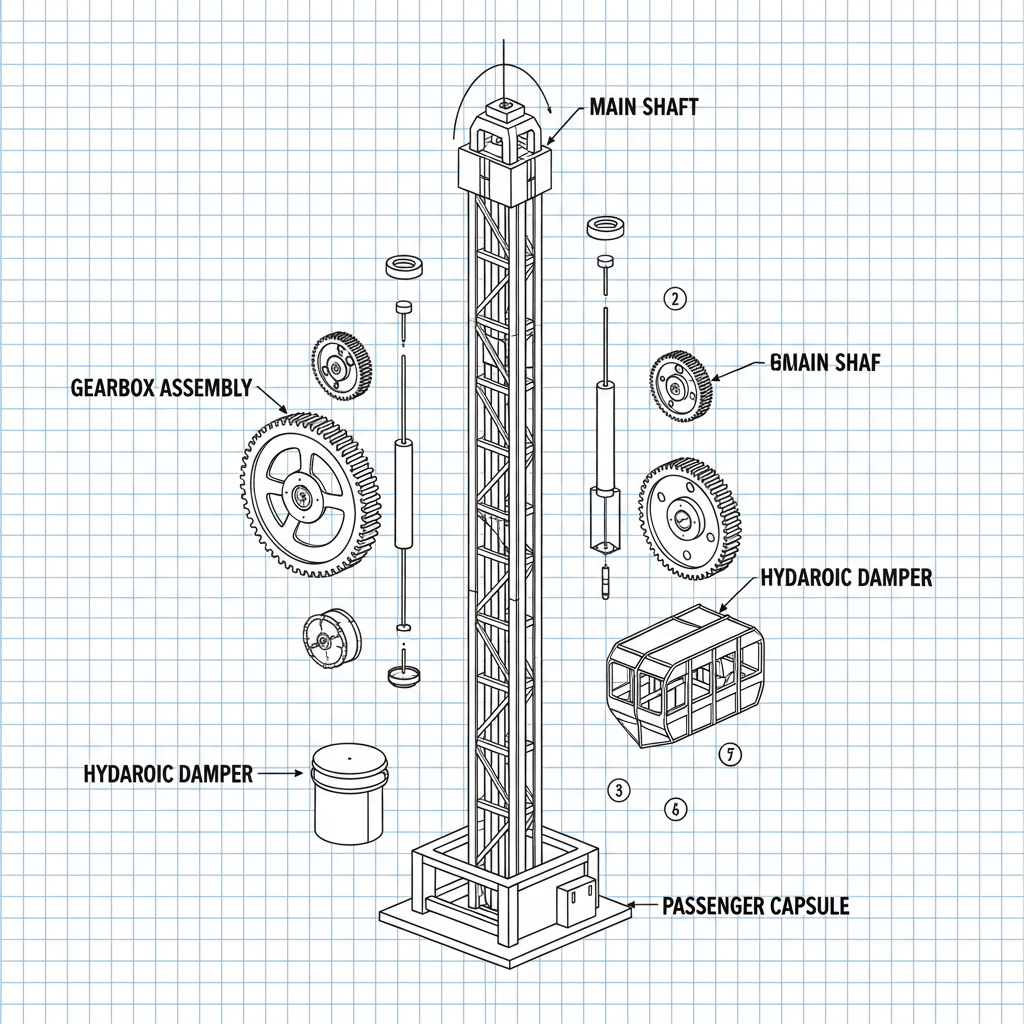
How Drop Tower Rides Work: The Mechanics of the Fall
At its core, a drop tower ride operates on a relatively simple principle: potential energy converted into kinetic energy. The ride begins with a slow, controlled ascent, often using a cable-lift system, or sometimes a chain lift. This ascent builds potential energy as the ride car is raised to a significant height. Once at the peak, a braking system is released, allowing gravity to take over, resulting in a freefall sensation. Modern drop towers utilize sophisticated braking systems – typically magnetic brakes – to ensure a smooth and controlled deceleration before reaching the ground. The ride’s control system carefully manages the ascent speed, descent speed, and braking force to provide a thrilling yet safe experience. ZProllercoaster employs cutting-edge technology to optimize this process for maximum excitement and rider safety.
Key Takeaway: Drop tower rides rely on the conversion of potential energy (height) into kinetic energy (speed) to create a thrilling freefall sensation. Sophisticated braking systems ensure a safe and controlled descent.
Types of Drop Tower Rides: From Classic to Cutting-Edge
Drop tower rides aren’t a one-size-fits-all attraction. Several variations cater to different thrill levels and park aesthetics. Classic drop towers feature a straightforward vertical drop. More advanced models incorporate tilting or rotating elements during the descent, enhancing the adrenaline rush. Some designs feature multiple drops or ‘bounce’ effects. The height of the tower also varies significantly, with some reaching over 200 feet. ZProllercoaster offers a wide range of customizable drop tower designs to suit your park’s specific needs and target audience.
Drop Tower Ride Variations:
• Classic Vertical Drop
• Tilting/Rotating Drop Towers
• Multiple-Drop Towers
• Bounce Towers
Drop Tower Ride Safety Features: Prioritizing Rider Well-being
Safety is paramount in the design and operation of drop tower rides. Modern rides incorporate a multi-layered safety system. These include redundant braking systems (multiple independent brakes), anti-rollback devices (preventing the ride from falling if a cable fails), sophisticated control systems with continuous monitoring, and robust restraint systems (lap bars, shoulder harnesses) designed to securely hold riders in place. Regular inspections and maintenance are crucial to ensure all systems are functioning correctly. ZProllercoaster adheres to the highest international safety standards and provides comprehensive training for park personnel.
The Benefits of Adding a Drop Tower Ride to Your Park
A drop tower ride can be a significant draw for amusement parks. They offer a high-thrill experience that attracts adrenaline-seeking visitors, boosting park attendance and revenue. The visual impact of a tall drop tower also serves as a landmark, increasing park visibility. Moreover, these rides are relatively compact compared to other major attractions, making them suitable for parks with limited space. Investing in a quality ride from a reputable manufacturer like ZProllercoaster ensures long-term reliability and customer satisfaction.
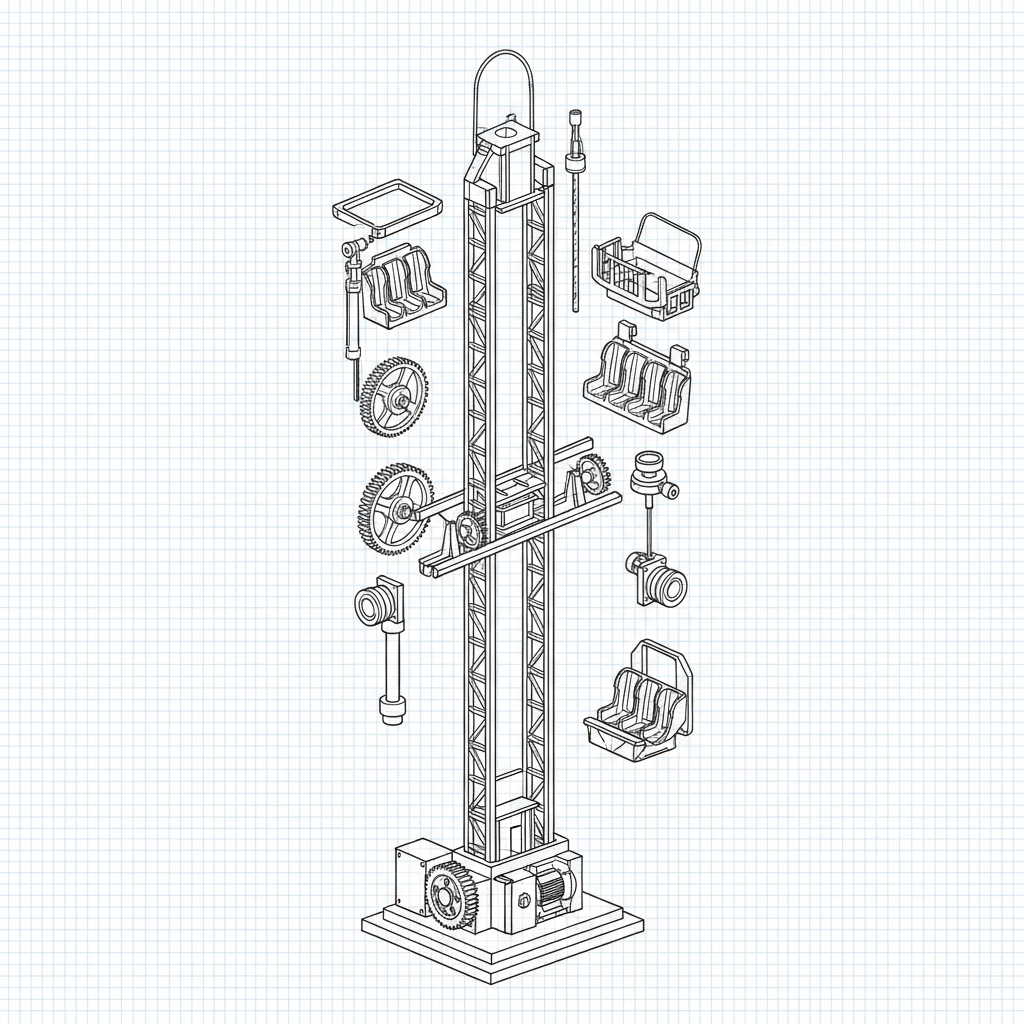
Choosing the Right Drop Tower Ride: Key Considerations
When selecting a drop tower ride, consider your park’s target demographic, available space, and budget. Evaluate the manufacturer’s reputation, safety record, and after-sales service. Ensure the ride meets all relevant safety standards and regulations. Customization options, such as theming and special effects, can enhance the ride’s appeal. ZProllercoaster offers a consultation service to help you choose the perfect drop tower ride for your park, taking all these factors into account.
Conclusion: Elevate Your Park with a Thrilling Drop Tower Experience
A drop tower ride is a powerful attraction that can significantly enhance your amusement park’s appeal. By prioritizing safety, quality, and customization, you can create an unforgettable experience for your guests. Contact ZProllercoaster today to explore your options and start planning the ultimate thrill ride!
Frequently Asked Questions (FAQs)
What is the typical height range for drop tower rides?
Drop tower rides vary significantly in height. Smaller, family-friendly models might reach 60-80 feet, while larger, more intense rides can exceed 200 feet. The height is a key factor in determining the thrill level and the ride's visual impact on the park. ZProllercoaster offers a range of heights to suit different park sizes and preferences. The optimal height depends on the park's overall layout and target audience. Considering factors like sightlines and local regulations is crucial when choosing the height of the tower.
What kind of maintenance is required for a drop tower ride?
Regular maintenance is essential for ensuring the safe and reliable operation of a drop tower ride. This includes daily inspections of the ride car, restraint systems, and braking mechanisms. Periodic, more in-depth maintenance, typically conducted annually, involves inspecting all structural components, cables, and control systems. Lubrication, bolt tightening, and non-destructive testing are also critical aspects of the maintenance schedule. ZProllercoaster provides comprehensive maintenance training and support to ensure your park staff is fully equipped to keep the ride in optimal condition.
What is the typical capacity of a drop tower ride?
The capacity of a drop tower ride varies depending on the design and the number of seats in the ride car. Typical capacities range from 8 to 32 passengers per ride. Higher capacity rides allow for greater throughput, reducing wait times for guests. Factors influencing capacity include the size of the ride car, the number of rows of seating, and the ride's dispatch cycle time. ZProllercoaster can tailor the capacity of your drop tower ride to meet your park's specific needs and attendance projections.
Are drop tower rides suitable for all ages?
Drop tower rides generally have height restrictions due to the intense nature of the experience. These restrictions are in place to ensure the safety and comfort of riders. Typically, riders must be at least 48 inches (122 cm) tall. It’s also not recommended for individuals with certain medical conditions, such as heart problems, back injuries, or pregnancy. Always adhere to the manufacturer's guidelines and park regulations regarding rider eligibility.
-
Ethiopian governmentApr.12,2024
-
On March 20-22Apr.12,2024
-
Comprehensive Guide to Choosing the Perfect sightseeing wheelApr.16,2026
-
Guide to Choosing a Roller Coaster and Ferris Wheel for Your ParkApr.09,2026
-
Find Your Perfect Portable Ferris Wheel for Sale and Elevate EntertainmentApr.07,2026
-
The Captivating World of Portable Ferris Wheels and Event EntertainmentApr.04,2026