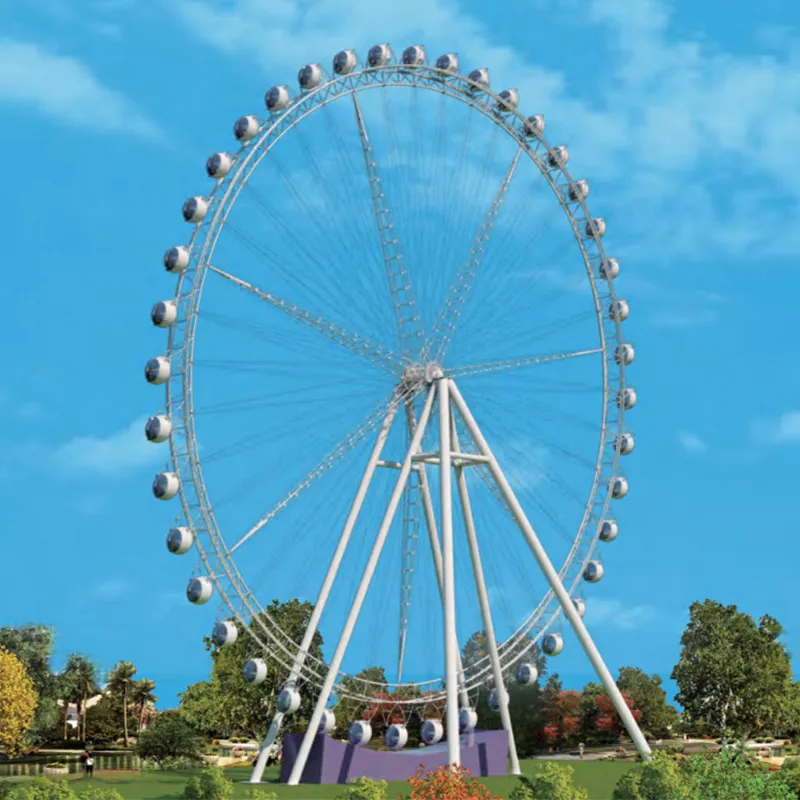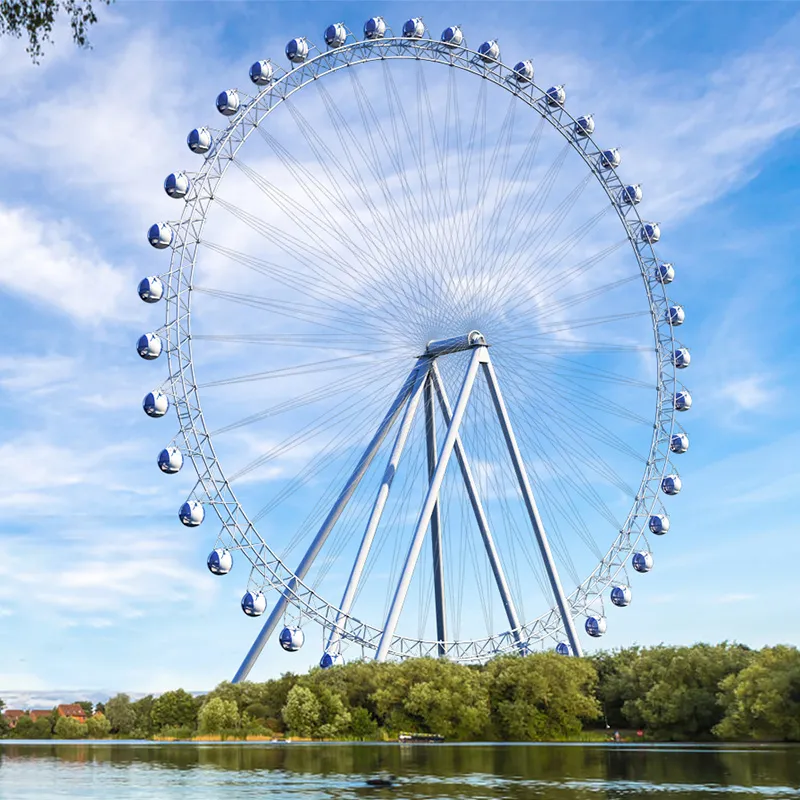

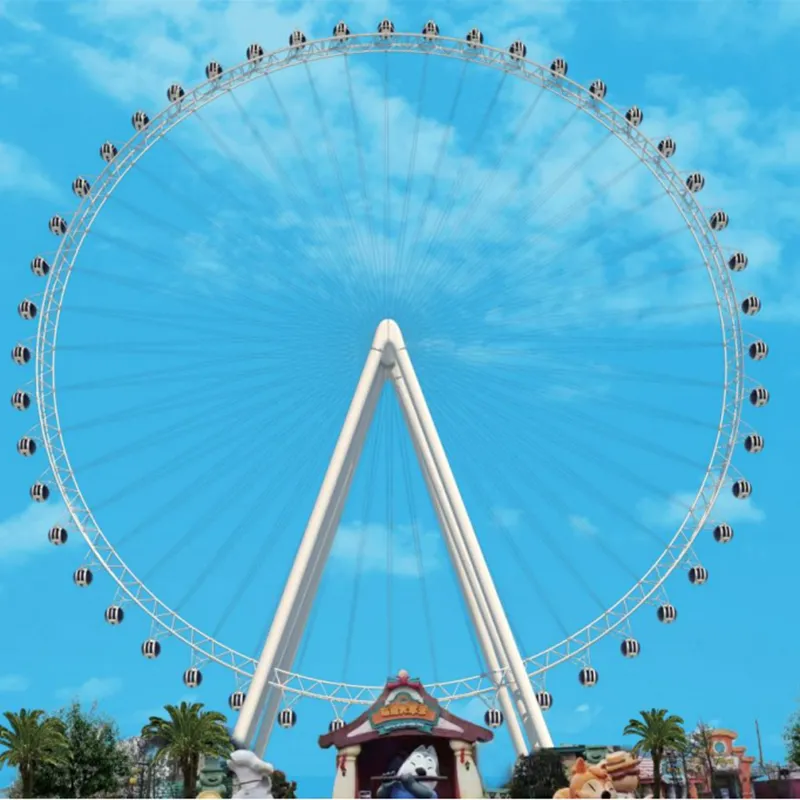
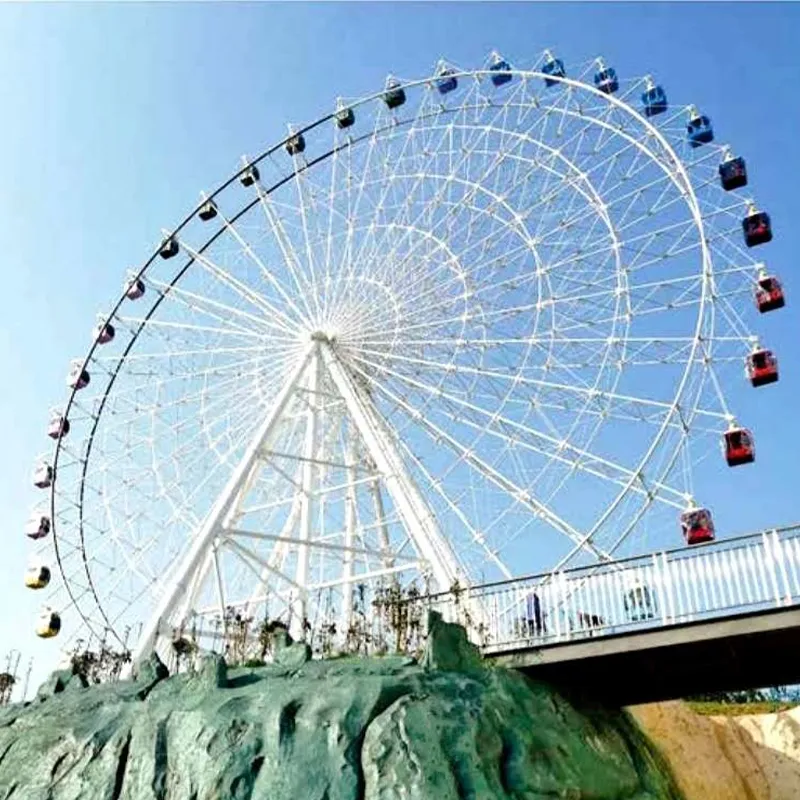
In Bolivia, the amusement industry faces unique challenges due to extreme altitude variations, from the Altiplano to the tropical lowlands. The demand for ferris wheels has grown as urban centers like La Paz and Santa Cruz seek to modernize their public leisure spaces, yet many existing installations rely on outdated mechanical systems that struggle with local climate fluctuations.
The economic landscape is shifting toward integrated tourism hubs. Operators are moving away from temporary setups toward permanent observation wheel structures that serve as city landmarks. However, the lack of specialized local maintenance for heavy-duty specialized equipment often creates a dependency on international engineering standards.
Current market trends show a surge in demand for ferris wheel hire for seasonal festivals and municipal celebrations. This hybrid model of ownership and leasing is allowing smaller Bolivian municipalities to introduce high-thrill attractions without the immediate burden of massive capital expenditure.