
Exploring Drop Tower Technology Applications and Future Innovations
Understanding the Drop Tower: Applications and Innovations
The drop tower is a fascinating piece of engineering with diverse applications, from thrill rides to critical testing in aerospace and automotive industries. This article will explore the functionality, uses, and technological advancements surrounding drop towers, providing insights into this unique technology. Its core principle – controlled freefall – enables a range of simulations and experiences. We’ll delve into the physics behind it and how Z Proller Coaster contributes to this field.
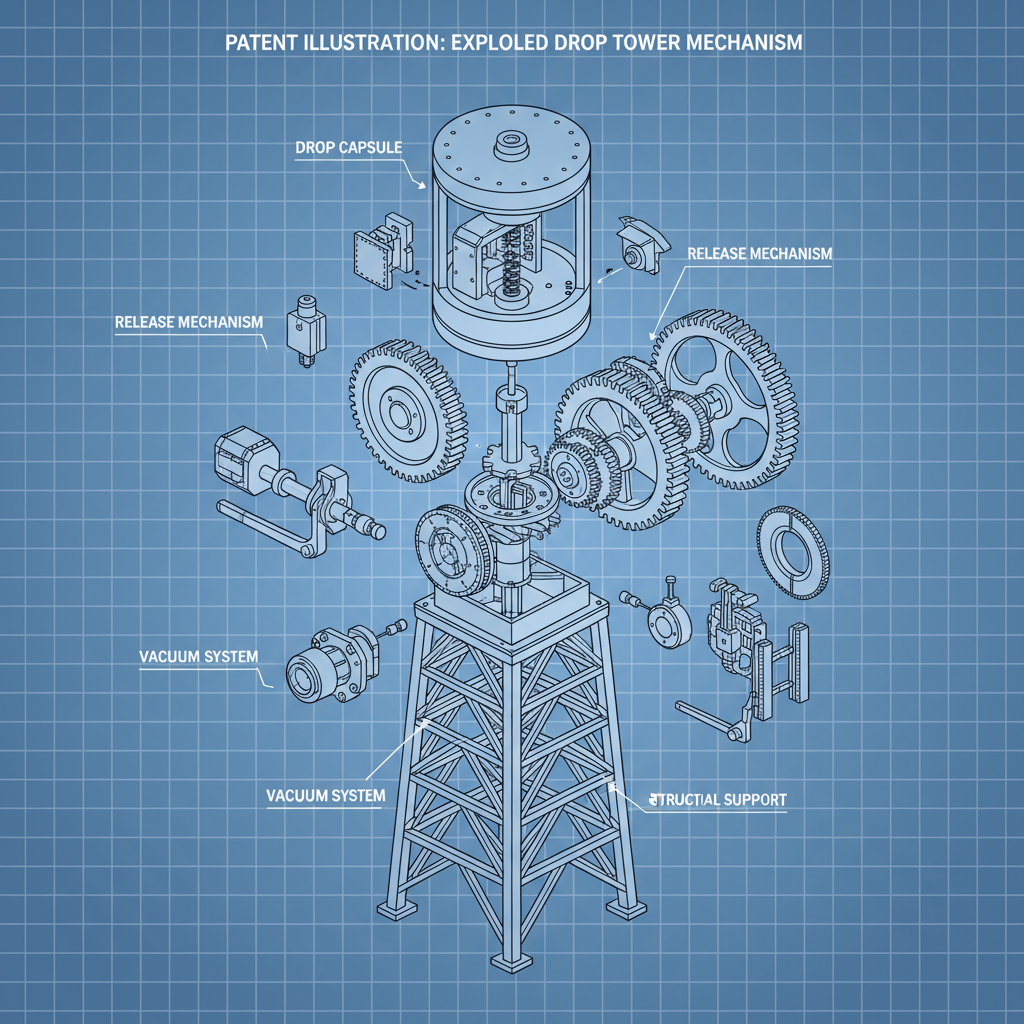
How Does a Drop Tower Work?
At its core, a drop tower operates on the principle of gravitational acceleration. A carriage or platform is raised to a significant height, typically using a chain lift or similar mechanism. Once at the apex, the carriage is released into freefall. However, it's not a simple plummet to the ground. Sophisticated braking systems, often utilizing air resistance, magnets, or hydraulic dampers, are employed to decelerate the carriage safely before impact. Sensors throughout the system constantly monitor the speed, position, and acceleration of the carriage, ensuring precise control and safety. The duration of the freefall, and thus the intensity of the experience or test, is directly related to the drop height and the efficiency of the braking system.
Key Principles: Controlled freefall achieved through a combination of gravitational acceleration, precise lift mechanisms, and robust braking systems. Data is continuously monitored for safety and accuracy.
Applications of Drop Towers: Beyond the Thrill Ride
While often recognized for their use in amusement parks, drop towers play a crucial role in various scientific and engineering fields. In aerospace, they are used to simulate the microgravity environment of space, allowing researchers to study the behavior of materials, fluids, and biological systems without the expense of actual spaceflight. Automotive manufacturers use drop towers to test the integrity of vehicle components under extreme impact conditions. Furthermore, drop towers find application in materials science, where they’re used to investigate the properties of materials under rapid deceleration. Z Proller Coaster actively contributes to providing these testing facilities.
Key Application Areas:
• Aerospace Microgravity Simulations
• Automotive Crash Testing
• Materials Science Research
• Component Reliability Testing
Drop Tower Technology: A Comparative Analysis
Different drop tower designs utilize varying technologies for lift, braking, and data acquisition. Traditional chain lift systems are reliable and cost-effective but offer limited control over acceleration and deceleration. Modern drop towers increasingly employ linear synchronous motors (LSMs) for smoother, more precise lift and braking control. Braking systems range from simple air brakes to sophisticated magnetic levitation (maglev) systems. Data acquisition systems have evolved from analog sensors to high-speed digital sensors, enabling detailed analysis of the freefall dynamics.
Z Proller Coaster and the Future of Drop Tower Technology
Z Proller Coaster is at the forefront of innovation in drop tower technology, specializing in the design, construction, and maintenance of these complex systems. They are committed to utilizing the latest advancements in materials science, control systems, and safety engineering to deliver cutting-edge solutions for both amusement park applications and critical testing environments. Their expertise allows them to customize drop towers to meet specific client needs, ensuring optimal performance and reliability. Furthermore, they are actively researching and developing new braking technologies to enhance safety and control even further.
Drop Tower Safety Considerations
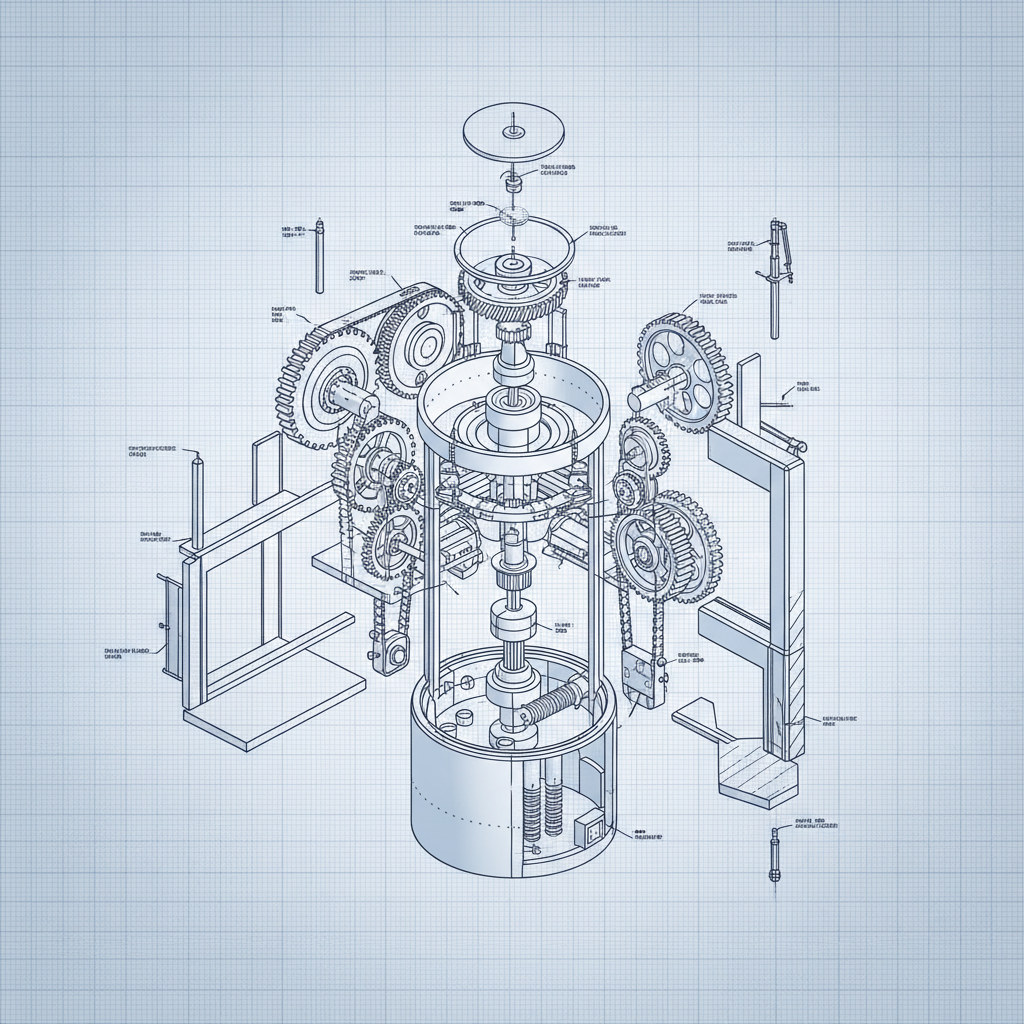
Safety is paramount in the operation of any drop tower. Rigorous testing and maintenance procedures are essential to ensure the continued reliability of all components. Redundant braking systems, comprehensive sensor networks, and fail-safe mechanisms are crucial for preventing accidents. Regular inspections by qualified engineers are mandatory. Operator training is equally important, ensuring that personnel are fully aware of emergency procedures and safety protocols. Adherence to industry standards and regulations is non-negotiable.
Conclusion: The Continued Evolution of Drop Tower Technology
The drop tower remains a powerful and versatile technology with applications spanning entertainment and critical scientific research. Continued innovation in materials, control systems, and safety features promises to further expand its capabilities. Companies like Z Proller Coaster are driving this evolution, ensuring that drop towers continue to push the boundaries of engineering and provide invaluable benefits across diverse industries.
Frequently Asked Questions (FAQs)
What are the typical safety measures incorporated into a modern drop tower?
Modern drop towers incorporate multiple layers of safety redundancy. These include multiple braking systems (e.g., primary and emergency brakes), redundant sensor systems to monitor carriage position and speed, fail-safe mechanisms that automatically activate in the event of a system failure, and robust structural design to withstand extreme forces. Regular inspections, maintenance, and operator training are also crucial components of a comprehensive safety program. Furthermore, many systems feature automatic shutdown protocols triggered by adverse weather conditions or sensor anomalies.
What types of materials are used in the construction of drop towers?
Drop towers typically utilize high-strength steel for the main structural components, such as the tower itself and the carriage frame. The carriages may also incorporate aluminum alloys to reduce weight. Braking systems often utilize materials like friction composites, steel, and magnetic components, depending on the braking technology employed. The choice of materials is carefully considered to ensure optimal strength, durability, and resistance to fatigue and corrosion.
How is the speed of a drop tower controlled?
The speed of a drop tower is primarily controlled by the braking system. Modern systems utilize various technologies, including air brakes, magnetic levitation (maglev), and hydraulic dampers, to decelerate the carriage in a controlled manner. The braking force is carefully modulated based on sensor data, ensuring a smooth and safe deceleration profile. The control system precisely regulates the braking force to prevent excessive G-forces and ensure passenger comfort (in amusement park applications) or accurate testing conditions (in scientific applications).
What role does software play in the operation of a drop tower?
Software plays a crucial role in virtually all aspects of a modern drop tower's operation. It controls the lift mechanism, manages the braking system, monitors sensor data, and implements safety protocols. The software analyzes real-time data to ensure precise control and responsiveness. Advanced algorithms are used to optimize braking performance, prevent overspeed conditions, and detect potential malfunctions. Furthermore, software is often used for diagnostics, maintenance scheduling, and data logging.
-
Ethiopian governmentApr.12,2024
-
On March 20-22Apr.12,2024
-
Comprehensive Guide to Choosing the Perfect sightseeing wheelApr.16,2026
-
Guide to Choosing a Roller Coaster and Ferris Wheel for Your ParkApr.09,2026
-
Find Your Perfect Portable Ferris Wheel for Sale and Elevate EntertainmentApr.07,2026
-
The Captivating World of Portable Ferris Wheels and Event EntertainmentApr.04,2026