
Used Amusement Park Equipment For Sale - Quality & Affordable Rides
Introduction to the Secondary Market for Amusement Park Equipment
The market for used amusement park equipment for sale represents a critical segment for operators seeking to expand their attractions, replace aging rides, or enter the entertainment industry with a manageable initial investment. This sector is characterized by a diverse inventory, offering everything from classic carousels and Ferris wheels to modern thrill rides and interactive play structures. The strategic acquisition of pre-owned equipment allows businesses to optimize capital expenditure while maintaining high standards of visitor experience and safety. Understanding the nuances of this market, including equipment origins, manufacturing integrity, and ongoing maintenance requirements, is paramount for a successful investment.
Key considerations for purchasers include the equipment's operational history, certification status, and the potential for customization to integrate seamlessly into existing park themes or operational models. The emphasis on robust engineering and durable materials during original manufacturing ensures that many rides retain substantial operational value, even after years of service. This article delves into the technical, operational, and financial aspects of acquiring secondary market amusement equipment, providing a comprehensive guide for B2B decision-makers and technical personnel.
The Rigorous Manufacturing Process Behind Durable Amusement Equipment
The longevity and reliability of used amusement park equipment for sale are directly attributable to the stringent manufacturing processes employed during its initial production. Manufacturers adhere to demanding engineering standards to ensure each ride withstands significant operational stresses, varying environmental conditions, and continuous public interaction. This meticulous approach begins with material selection and extends through advanced fabrication techniques to comprehensive testing.
Materials and Component Integrity
- High-Strength Structural Steel: Primarily used for frames, support columns, and track systems, often conforming to standards like ASTM A572 Grade 50 or equivalent European EN standards, ensuring superior yield strength and fatigue resistance.
- Corrosion-Resistant Alloys: Stainless steel (e.g., 304, 316L) and specialized coatings are applied to components exposed to weathering, humidity, or potential chemical agents, critical for preserving structural integrity and aesthetic appeal over time.
- Advanced Composites: Fiberglass Reinforced Polymer (FRP) and other composite materials are utilized for ride vehicles, decorative elements, and ergonomic seating, offering an optimal balance of strength, lightweight properties, and design flexibility.
- Precision Bearings and Hydraulics: Industrial-grade components from reputable suppliers (e.g., SKF, Bosch Rexroth) are standard, designed for high load capacity, extended service life, and minimal maintenance.
Core Manufacturing Processes
- Precision CNC Machining: Critical components, such as axles, spindles, and complex mechanical parts, are fabricated using Computer Numerical Control (CNC) machines, ensuring dimensional accuracy and tight tolerances essential for smooth operation and safety.
- Automated Welding: Robotic welding systems are employed for structural joints, providing consistent weld quality, penetration, and strength that surpass manual techniques, crucial for load-bearing structures.
- Casting and Forging: High-stress components, such as intricate mechanical linkages or heavy-duty anchors, are often cast from specialized alloys or forged to enhance material density, grain structure, and overall strength.
- Protective Coatings and Finishing: Multi-layer industrial coatings, including zinc primers, epoxy mid-coats, and UV-resistant polyurethanes, are applied to prevent corrosion, abrasion, and fading, extending the equipment's operational life and aesthetic appeal.
Rigorous Testing and Certification Standards
All amusement park equipment, whether new or destined to become used amusement park equipment for sale, undergoes extensive testing to comply with international safety standards. These include:
- ISO 17842 (Amusement Rides and Devices – Safety): Provides comprehensive requirements for the design, manufacture, operation, and maintenance of amusement rides.
- ASTM F2291 (Standard Practice for Design of Amusement Rides and Devices): Specifies engineering and design practices to ensure the structural integrity and safe operation of rides.
- ANSI/NAARSO (National Association of Amusement Ride Safety Officials) Standards: Guidelines for inspection, maintenance, and operational safety.
- CE Marking: For equipment sold within the European Economic Area, signifying compliance with health, safety, and environmental protection standards.
Typical service life for well-maintained amusement rides ranges from 20 to 30 years, with some iconic attractions exceeding 50 years of operation due to robust initial design and proactive maintenance. The target industries for these durable assets include large theme parks, regional amusement parks, family entertainment centers (FECs), traveling carnivals, and resort destinations. Advantages such as energy-efficient drive systems (reducing operational costs) and superior corrosion resistance (minimizing structural degradation) are inherent benefits of equipment manufactured to these high standards, making them attractive for long-term ownership, even in the secondary market.
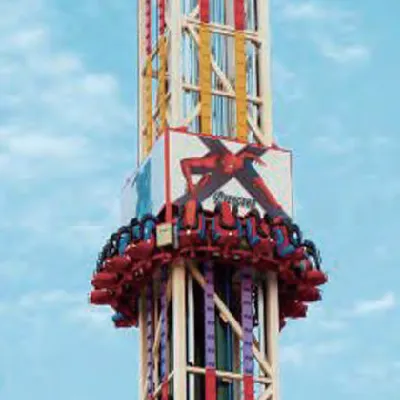
Figure 1: Robust structural engineering ensuring longevity of ride components.
Industry Trends and Market Dynamics for Pre-Owned Rides
The market for used amusement park equipment for sale is influenced by several evolving industry trends. A primary driver is the increasing demand from emerging markets in Asia, Africa, and Latin America, where new park developments seek cost-effective yet high-quality attractions. Established parks in mature markets also contribute, often divesting older rides to make way for new, technologically advanced installations, thereby refreshing their offerings without incurring the full depreciation of older assets.
Technological advancements, particularly in digital control systems and safety monitoring, are also impacting the secondary market. While older mechanical rides remain popular for their classic appeal, modern parks often look for equipment that can be upgraded with contemporary safety features or integrated into digital operational platforms. Data from the Global Association for the Attractions Industry (IAAPA) indicates a steady growth in secondary market transactions, reflecting a global park expansion rate and the strategic repurposing of equipment. For example, recent reports suggest the global amusement park market is projected to reach USD 70.8 billion by 2028, with a significant portion of new installations being influenced by the availability of quality used equipment.
Another trend involves the refurbishment and rebranding of existing rides. Instead of outright replacement, parks are investing in comprehensive overhauls of pre-owned equipment, incorporating new themes, advanced lighting, and sound systems, effectively creating a "new" experience from a reliable, pre-existing structure. This approach not only extends the life of the asset but also offers a sustainable alternative to new construction, aligning with increasing environmental consciousness within the industry.
Technical Specifications and Performance Parameters
When evaluating used amusement park equipment for sale, a thorough understanding of its technical specifications is crucial. These parameters dictate not only the ride's performance and safety but also its operational costs and integration requirements. Below is a specification table for a typical high-quality thrill ride, such as a Free Fall Tower, which is representative of many robustly engineered attractions found on the secondary market.
Product Specification: Free Fall Tower (Representative Model)
| Parameter | Specification |
|---|---|
| Ride Height (Max) | 50-70 meters (164-230 ft) |
| Number of Seats | 12-24 passengers (depending on model) |
| Capacity (per hour) | 400-600 riders/hour |
| Drop Speed (Max) | Up to 80 km/h (50 mph) |
| G-Force (Max) | 4.0 G (positive), -1.0 G (negative) |
| Power Requirement | 150-250 kW (variable depending on motor type) |
| Footprint Area | Approx. 15m x 15m (49ft x 49ft) |
| Safety System | Redundant hydraulic braking, over-the-shoulder restraints, PLC control |
| Typical Material | ASTM A572 Gr. 50 Steel, Stainless Steel, FRP |
These specifications underscore the sophisticated engineering involved. Parameters like G-force, drop speed, and height are crucial for determining the thrill factor, while capacity directly impacts potential revenue generation. Energy requirements provide insight into operational costs, and the safety systems highlight adherence to industry-leading protection protocols.
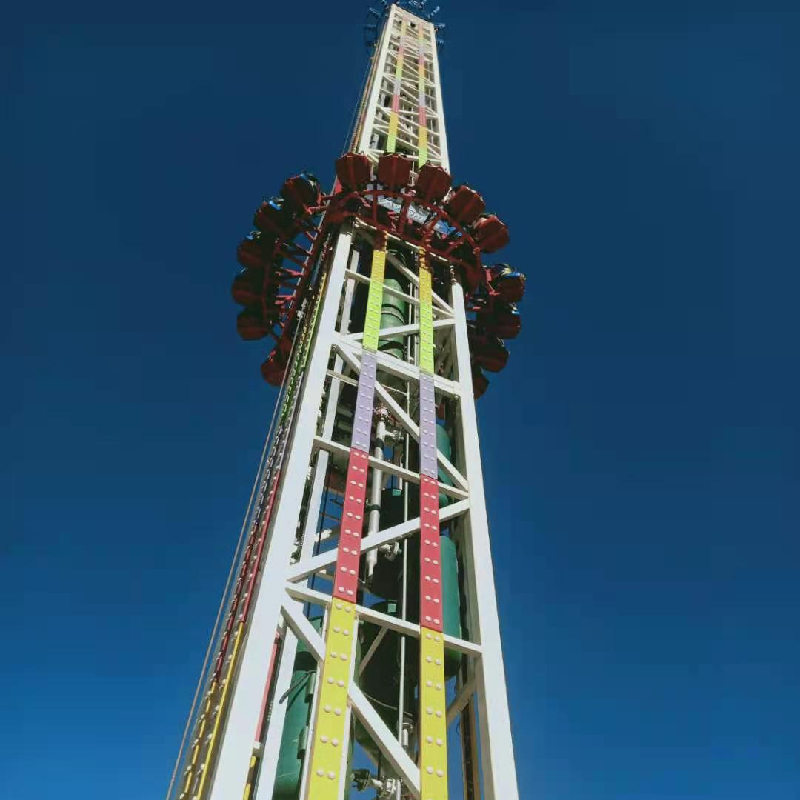
Figure 2: Detail of a ride's control panel, illustrating operational complexity.
Application Scenarios and Strategic Advantages
The deployment of used amusement park equipment for sale offers significant strategic advantages across various application scenarios, catering to diverse operational needs and investment capacities.
Typical Application Scenarios:
- Emerging Theme Parks: New parks, particularly in developing regions, can leverage used equipment to establish a foundational set of attractions quickly and within budget, accelerating market entry.
- Family Entertainment Centers (FECs) Expansion: Existing FECs or smaller parks looking to introduce a "signature" thrill ride without the extensive lead times and capital outlay of a new custom build find used equipment ideal.
- Traveling Carnivals and Fairgrounds: The robust construction of many used rides makes them perfectly suited for the demands of mobile operations, providing high throughput and proven reliability.
- Resort and Leisure Developments: Integrated resorts often seek unique attractions to enhance guest experience; a well-chosen used ride can provide this distinctiveness cost-effectively.
- Park Renovation and Replacement: Older parks can refresh their ride portfolio, replacing obsolete or end-of-life attractions with well-maintained used models that align with contemporary safety and performance standards.
Technical Advantages of High-Quality Used Equipment:
- Proven Reliability: Having undergone years of operation, any inherent design flaws or manufacturing weaknesses in these rides would typically have been identified and rectified. Buyers benefit from a "battle-tested" asset.
- Reduced Lead Times: Unlike new custom-built rides which can take 12-24 months from design to installation, used equipment often has significantly shorter acquisition and commissioning periods, allowing faster revenue generation.
- Cost-Effectiveness: A primary driver, used equipment offers substantial savings (often 30-70% less than new) while still providing a high-quality, operational asset. This significantly improves ROI projections for new ventures or expansions.
- Established Safety Record: Reputable used equipment often comes with a verifiable service history and maintenance logs, demonstrating consistent adherence to safety protocols. Certifications (e.g., TÜV, local authority approvals) are usually transferable or renewable.
- Sustainable Investment: Reusing existing equipment contributes to sustainability efforts by extending product lifecycles and reducing the demand for new resource extraction and manufacturing, aligning with corporate social responsibility goals.
These advantages underscore the strategic appeal of investing in high-quality secondary market amusement rides for discerning operators globally.
Vendor Comparison and Customized Solutions
Selecting the right vendor for used amusement park equipment for sale is as critical as the equipment itself. A reputable vendor offers not only a diverse inventory but also provides essential services such as inspection, refurbishment, logistics, and post-sale support. Comparison should focus on vendor expertise, transparency, and capability for tailored solutions.
Vendor Comparison Matrix (Illustrative)
| Feature/Service | Vendor A (Specialist) | Vendor B (Generalist) |
|---|---|---|
| Inventory Size & Diversity | Extensive, highly specialized | Moderate, broad categories |
| Pre-sale Inspection & Reporting | Detailed, third-party certified | Basic, internal assessment |
| Refurbishment Capabilities | Full-scale, OEM-level restoration | Limited, cosmetic repairs |
| Logistics & Installation Support | Global, turnkey solutions | Regional, limited support |
| Warranty & After-sales Support | Conditional warranty, parts & tech support | "As-is" or very limited |
| Regulatory Compliance Assistance | Full documentation, local standard adaptation | Basic guidance only |
Customized Solutions for Integration:
Many operators require more than just a functional ride; they need an attraction that seamlessly integrates with their park's theme and infrastructure. Leading vendors of used amusement park equipment often provide:
- Thematic Refurbishment: Repainting, re-skinning ride vehicles, and integrating new decorative elements to match specific park themes (e.g., jungle, futuristic, classic).
- Control System Upgrades: Modernizing PLC (Programmable Logic Controller) systems, implementing advanced diagnostic capabilities, and integrating with centralized park control systems.
- Safety Enhancements: Installing additional safety sensors, upgrading restraint systems, or implementing new emergency stop procedures to meet current regional regulations.
- Structural Modifications: Minor adjustments to height, footprint, or access points, provided they do not compromise the ride's original engineering integrity or safety certifications.
- Accessibility Adaptations: Modifying loading platforms or ride vehicles to improve accessibility for guests with disabilities, ensuring compliance with ADA or similar regulations.
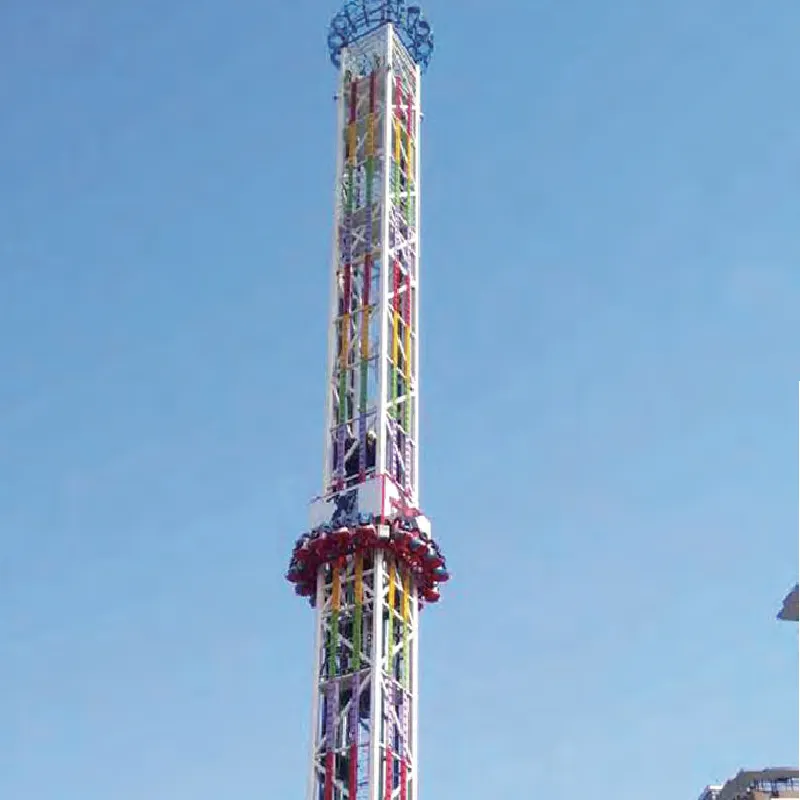
Figure 3: Refurbished ride components ready for re-assembly and thematic integration.
Case Studies and Customer Success
Real-world application demonstrates the tangible benefits of investing in high-quality used amusement park equipment for sale. These case studies highlight successful deployments and the strategic value delivered.
Case Study 1: Mid-sized Regional Park Expansion
A regional park in Eastern Europe sought to introduce a new thrill ride to boost visitor numbers during its annual expansion. With a limited capital budget of $1.5 million for the attraction, a new ride was out of reach. Partnering with a specialist vendor for secondary market equipment, they acquired a fully refurbished drop tower (similar to the Free Fall model discussed earlier) originally manufactured by a leading European producer. The ride, a 15-year-old model, underwent comprehensive mechanical and control system overhauls, including new safety restraints and a themed paint job. The total acquisition and installation cost was approximately $1.2 million. The park reported a 15% increase in annual attendance in the first year after installation and a significant improvement in guest satisfaction scores for thrill attractions. The ride has operated without incident for five years, demonstrating the viability of quality pre-owned assets.
Case Study 2: New Family Entertainment Center in Southeast Asia
A new FEC opening in a rapidly urbanizing area of Southeast Asia aimed to offer a diverse range of attractions from day one. To manage costs and accelerate opening, they opted for a mix of new and meticulously selected used equipment. They acquired a classic carousel and a pendulum ride from a highly reputable supplier of secondary market equipment. Both rides, after full certification and minor thematic adjustments, were installed within six months of purchase. The total investment for these two major attractions was approximately 40% less than purchasing new equivalents. The FEC successfully launched, quickly reaching profitability, with the used rides proving to be major drawcards, especially for families. This approach allowed them to allocate more budget to park infrastructure and marketing, bolstering their initial market penetration.
Commitment to Trust: FAQ, Lead Times, Warranty, and Support
Transparency and robust support are fundamental when dealing with used amusement park equipment for sale. Reputable vendors prioritize trust through clear communication regarding equipment status, logistics, and ongoing assistance.
Frequently Asked Questions (FAQ)
- Q: What is the typical lead time for acquiring used equipment?
- A: Lead times vary significantly based on the ride's complexity, its current location, and the extent of refurbishment required. Simple rides might be available for dispatch within 2-4 weeks, while complex thrill rides requiring extensive refurbishment and international shipping could take 3-6 months. Customization adds to this timeline.
- Q: Do used rides come with a warranty?
- A: Most reputable vendors offer a limited warranty on refurbished components and workmanship, typically for 3-12 months post-installation. Original major structural components are usually sold "as-is" but with a guarantee of structural integrity as per certified inspection reports. It is crucial to review the specific warranty terms for each piece of equipment.
- Q: How are international shipping and installation handled?
- A: Comprehensive services typically include dismantling, professional packaging, sea freight or specialized road transport, customs clearance assistance, and on-site re-assembly by certified technicians. This often includes commissioning and initial operator training. Clients are advised to confirm the scope of services with the vendor.
- Q: What certifications are provided with used equipment?
- A: Equipment usually comes with its original manufacturing certificates, maintenance logs, and a new inspection report from a certified third-party (e.g., TÜV, local safety authority equivalent) confirming its current operational status and compliance with relevant safety standards (e.g., ASTM, ISO 17842) after refurbishment. Local adaptation to specific country regulations may require additional certification processes, which a good vendor can guide you through.
Lead Time and Fulfillment
Typical fulfillment processes involve an initial consultation, equipment selection, detailed inspection and reporting, refurbishment plan agreement, contract finalization, dismantling, logistics planning, shipping, re-installation, and commissioning. This structured approach ensures every step is managed professionally, minimizing risks and delays. Depending on the complexity and scope, a full project lifecycle from purchase agreement to operational launch can range from 3 to 9 months.
After-Sales Support
Post-sale support is a hallmark of a trustworthy supplier. This typically includes technical troubleshooting via phone or remote diagnostics, provision of spare parts (either new or reconditioned), and access to trained service technicians for scheduled maintenance or emergency repairs. Long-term partners often provide maintenance contracts and operational training refreshers to ensure the continued safe and efficient operation of the acquired used amusement park equipment for sale.
References
- International Association of Amusement Parks and Attractions (IAAPA). (2023). Global Attraction Industry Outlook Report.
- ASTM International. (2020). ASTM F2291-20, Standard Practice for Design of Amusement Rides and Devices.
- International Organization for Standardization (ISO). (2022). ISO 17842-1:2022, Amusement rides and devices — Safety — Part 1: Design and manufacture.
- ResearchAndMarkets.com. (2023). Amusement Park Market - Growth, Trends, COVID-19 Impact, and Forecasts (2023-2028).
- National Association of Amusement Ride Safety Officials (NAARSO). (2021). Safety Standard Guidelines for Amusement Rides and Devices.
-
Ethiopian governmentApr.12,2024
-
On March 20-22Apr.12,2024
-
Comprehensive Guide to Choosing the Perfect sightseeing wheelApr.16,2026
-
Guide to Choosing a Roller Coaster and Ferris Wheel for Your ParkApr.09,2026
-
Find Your Perfect Portable Ferris Wheel for Sale and Elevate EntertainmentApr.07,2026
-
The Captivating World of Portable Ferris Wheels and Event EntertainmentApr.04,2026