
Flying Cinema: Immersive VR Movie Theater & Action Cinema Tours
Introduction to Immersive flying cinema Systems
The advent of immersive entertainment technologies has revolutionized how audiences experience visual narratives. At the forefront of this revolution is the flying cinema, a sophisticated attraction designed to simulate flight and provide an unparalleled sensory journey. These systems transcend traditional viewing experiences by integrating advanced motion platforms, expansive projection surfaces, and multi-sensory effects, creating a truly memorable spectacle for visitors across diverse venues.
A flying cinema typically comprises a large-format dome or curved screen, a specialized seating system that moves in sync with on-screen content, and an intricate array of projectors and audio equipment. The objective is to create an experience so vivid that the audience feels as though they are physically soaring through landscapes, battling mythical creatures, or exploring distant galaxies. This technology is becoming a cornerstone for high-impact entertainment in theme parks, cultural centers, and specialized attractions worldwide, driving significant visitor engagement and repeat visits.
Industry Trends and Market Dynamics
The immersive entertainment market is experiencing robust growth, fueled by consumer demand for novel and interactive experiences. According to recent market analyses, the global theme park market, a primary driver for flying cinema installations, is projected to reach USD 70.8 billion by 2027, growing at a CAGR of 6.5%. This expansion is significantly influenced by technological advancements in projection, motion simulation, and content creation.
Key trends shaping this sector include the increasing integration of Virtual Reality (VR) and Augmented Reality (AR) elements to enhance realism, the proliferation of high-resolution digital media (e.g., vr movies 360), and a growing focus on personalized experiences. The demand for attractions like a flying cinema tour is rising, as it offers a blend of education and entertainment, allowing audiences to "travel" to exotic locales or historical periods without leaving their seats. Furthermore, the rise of specialized content, often cinematic in quality, positions these installations as premium attractions, rivaling traditional action movies in theaters with their unique blend of physical and visual thrills. The concept of a virtual cinema or vr movie theater is quickly becoming a reality through these advanced systems, offering an unparalleled level of engagement.
Innovations in simulator technology, such as six-degrees-of-freedom (6-DOF) platforms, coupled with improvements in laser projection and spatial audio, are pushing the boundaries of what is possible. This continuous evolution ensures that flying cinema systems remain at the cutting edge of location-based entertainment, attracting a wide demographic seeking high-octane, immersive adventures.
Technical Composition & Process Flow of a Top-Dome Cinema System
The construction of a top-dome flying cinema system is an intricate engineering feat, requiring precision in manufacturing and integration. Key components include the structural steel framework, the motion platform, projection systems, sound systems, and special effects modules. Each element undergoes rigorous manufacturing and testing protocols.
Manufacturing Process Flow:
- Design and Engineering: Initial CAD modeling and finite element analysis (FEA) of the entire system, focusing on structural integrity, motion dynamics, and guest safety. Compliance with international standards such as ASTM F2291 (Standard Practice for Design of Amusement Rides) is paramount.
- Material Selection: High-strength structural steel alloys (e.g., ASTM A572 Grade 50) for the main framework, high-grade aluminum alloys for lighter moving components, and specialized polymers for seating and cosmetic finishes. Components requiring exceptional durability often utilize advanced composites.
- Fabrication of Structural Components:
- Casting/Forging: Critical load-bearing joints and complex mechanical parts are often forged for superior strength-to-weight ratios and enhanced fatigue resistance, or cast for intricate geometries.
- CNC Machining: Precision parts for motion platforms, such as hydraulic cylinder mounts and pivot points, are fabricated using multi-axis CNC machines to achieve tight tolerances (e.g., +/- 0.02 mm) essential for smooth, repeatable motion.
- Welding: Automated robotic welding ensures consistent, high-quality welds for major structural assemblies, meeting ISO 3834 and AWS D1.1 standards for structural steel welding.
- Motion Platform Assembly: Integration of hydraulic or electric servo-actuators, control systems, safety interlocks, and seating units onto the main motion base. Each actuator is tested for force, velocity, and displacement accuracy.
- Projection System Integration: Installation of ultra-high-resolution laser projectors, often arrayed for seamless dome projection, along with advanced image warping and blending software.
- Audio and Special Effects Integration: Implementation of multi-channel spatial audio systems, wind generators, mist sprayers, scent dispensers, and lighting effects, all synchronized with the cinematic content.
- Control System Development: Programming of the master control unit (MCU) to precisely synchronize motion, projection, audio, and special effects. Real-time feedback loops ensure operational safety and performance.
- Testing and Quality Assurance:
- Functional Testing: Each component and subsystem is tested individually and then as a whole. This includes endurance tests over thousands of cycles to simulate years of operation.
- Safety Certifications: Adherence to international safety standards such as ISO 17842 (Safety of Amusement Rides and Devices) and EN 13814 (Amusement Rides and Devices – Safety).
- Content Synchronization Testing: Fine-tuning the synchronization between physical motion and on-screen visuals to eliminate latency and enhance immersion.
- Installation and Commissioning: On-site assembly, final calibration, and operator training. This includes comprehensive acceptance testing with the client.
The service life of a well-maintained flying cinema system can exceed 20 years, provided regular maintenance and component upgrades are performed. Target industries for these systems include large-scale theme parks, urban entertainment centers, museums, and experiential marketing installations. Key advantages include significantly reduced energy consumption through optimized hydraulic/electric systems (up to 30% more efficient than older generations) and enhanced corrosion resistance via advanced coatings and material selection, making them suitable for varied environmental conditions, from coastal regions to arid climates.
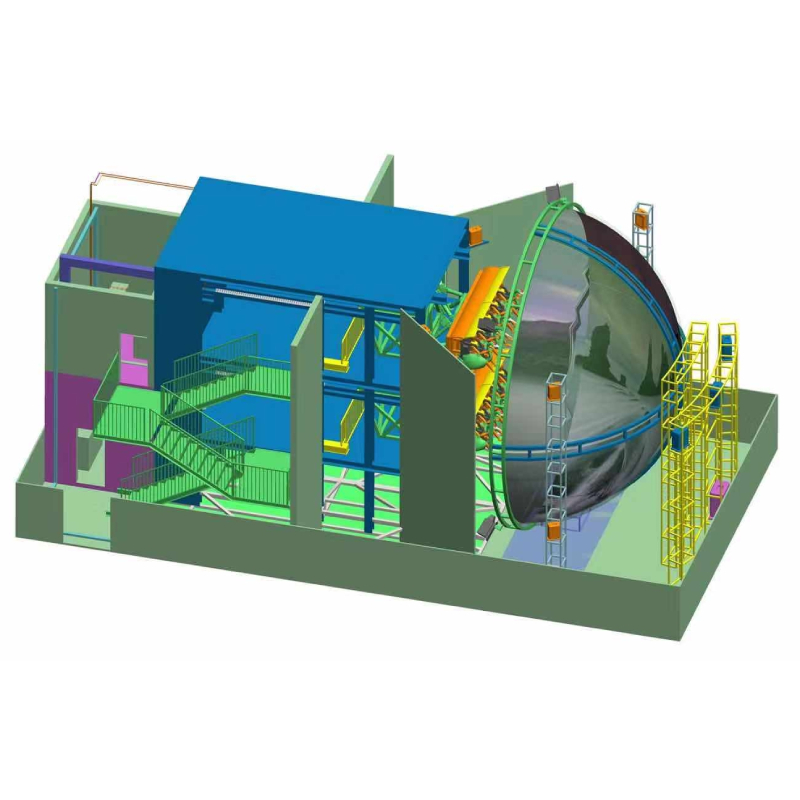
Figure 1: Conceptual rendering of a flying cinema motion platform.
Key Technical Specifications & Parameters
Understanding the technical specifications of a flying cinema is crucial for evaluating its performance and suitability for specific applications. The following table outlines typical parameters for a high-performance top-dome system:
| Parameter | Specification |
|---|---|
| Screen Type | Seamless Spherical Dome (e.g., 20-30 meter diameter) |
| Projection System | 6-12 x 4K Laser Projectors (total resolution up to 8K x 8K) |
| Frame Rate | 60-120 fps for fluid motion |
| Motion Platform | Electric/Hydraulic 6-DOF (Degrees of Freedom) |
| Audience Capacity | 24 to 100+ seats per ride cycle |
| Motion Range (Pitch/Roll/Yaw) | Up to +/- 20 degrees |
| Motion Speed | Up to 1.5 m/s |
| Special Effects | Wind, mist, scent, smoke, light strobes, vibration |
| Audio System | 5.1 to 12.1 Channel Spatial Audio |
| Power Consumption | Approx. 80-150 kW (peak, depending on size/components) |
| Safety Standards | ISO 17842, EN 13814, ASTM F2291, CE Certified |
These specifications highlight the advanced engineering required to deliver a seamless and thrilling action cinema experience. The convergence of high-fidelity visuals, synchronized motion, and multi-sensory feedback creates a unique value proposition for operators seeking to differentiate their offerings.
Technical Advantages and Performance Metrics
Modern flying cinema systems offer significant technical advantages that contribute to their appeal and operational efficiency:
- Unparalleled Immersion: The combination of large-format projection, precise motion synchronization, and integrated special effects creates a level of immersion unmatched by traditional cinemas or even most vr movie experiences. The absence of VR headsets allows for a communal, shared experience.
- Safety and Reliability: Engineered with multiple fail-safe mechanisms, redundant control systems, and continuous diagnostic monitoring. Compliance with stringent international safety standards (e.g., ISO 17842) ensures passenger well-being, translating to high operational uptime and reduced liability risks.
- Energy Efficiency: Modern hydraulic and electric motion platforms are designed for optimal energy consumption. Regenerative braking systems for electric actuators can capture and reuse energy, leading to significant savings over the operational lifespan. For example, some systems report up to 25% lower energy consumption compared to previous generations, contributing to lower operational costs and a reduced carbon footprint.
- Durability and Low Maintenance: Components are selected for their robust nature and long service life. High-grade materials and precision manufacturing reduce wear and tear, extending maintenance cycles and minimizing downtime. Advanced corrosion-resistant coatings protect against environmental degradation, crucial for outdoor or semi-outdoor installations.
- Flexibility in Content Delivery: Capable of displaying a wide range of content, from bespoke cinematic productions to educational journeys and simulated sports events. The digital projection system allows for rapid content changes, keeping the attraction fresh and appealing.
- High Throughput: Optimized loading and unloading procedures, combined with efficient ride cycles, allow for high guest throughput, maximizing revenue generation, especially during peak seasons.
Application Scenarios and Target Industries
The versatility of flying cinema technology allows its deployment across various sectors, each leveraging its unique immersive capabilities:
- Theme Parks and Amusement Centers: This is the primary market, where flying cinema attractions serve as flagship rides, often themed around iconic stories or global destinations. They offer high capacity and strong appeal to families and thrill-seekers.
- Museums and Cultural Institutions: Used for educational purposes, providing immersive journeys through history, space, or natural wonders. A virtual flying cinema tour can transport visitors to ancient civilizations or the depths of the ocean, enhancing learning engagement.
- Tourism and Destination Marketing: Cities and regions utilize these cinemas to showcase their natural beauty, cultural heritage, or tourist attractions in an engaging, dynamic format. It provides a unique preview or retrospective of a destination.
- Experiential Retail and Brand Activations: Brands can create memorable immersive experiences to launch products, tell their story, or connect with consumers in an innovative way, driving brand loyalty and recall.
- Educational Simulators: While not their primary function, adapted versions can serve as advanced simulation platforms for training in aviation, emergency response, or complex operational environments, offering realistic scenarios without physical risk.
In each scenario, the flying cinema creates a focal point attraction, drawing crowds and delivering a high-quality entertainment or educational experience that justifies the investment for operators.
Vendor Comparison and Differentiators
The market for flying cinema systems features several key players, each offering unique strengths. Differentiation often lies in proprietary motion technology, projection fidelity, content library, and after-sales support. Below is a conceptual comparison table highlighting typical vendor differentiators:
| Feature | Vendor A (e.g., Z Roller Coaster Systems) | Vendor B (Competitor 1) | Vendor C (Competitor 2) |
|---|---|---|---|
| Motion Platform Technology | Advanced Electric 6-DOF (High Precision) | Hydraulic 6-DOF (Robust) | Pneumatic/Electric 3-DOF (Cost-Effective) |
| Projection Resolution | Up to 8K x 8K Laser | 6K x 6K DLP | 4K x 4K LED |
| Special Effects Suite | Comprehensive (Wind, Mist, Scent, Light, Vibration) | Standard (Wind, Mist, Vibration) | Basic (Wind, Vibration) |
| Custom Content Development | Full In-house Production Studio | Partnership with external studios | Limited Customization, Stock Library |
| Safety Certifications | ISO, EN, ASTM, CE (Global Compliance) | EN, CE (European Focused) | Local Regulations Only |
| Warranty & Support | 2-5 Years, 24/7 Global Support | 1-2 Years, Regional Support | 1 Year, Local Support |
This table illustrates how vendors compete on technological sophistication, content capabilities, and support infrastructure. Clients evaluating a flying cinema solution should consider these factors in alignment with their project’s specific requirements and long-term operational goals.
Customized Solutions and Integration Expertise
Recognizing that each client's vision and site conditions are unique, leading flying cinema providers offer extensive customization options. This includes tailoring the physical dimensions of the dome, the capacity and configuration of the motion platform, and the specific array of special effects to align with architectural constraints and thematic requirements.
Customization extends to content creation, where bespoke films are produced to tell unique stories that resonate with the target audience. This collaborative process ensures that the attraction is not merely a ride, but a fully integrated experience that enhances brand identity or educational objectives. Advanced vendors offer full turnkey solutions, encompassing initial conceptual design, engineering, manufacturing, installation, and content development, ensuring a seamless project delivery from start to finish.
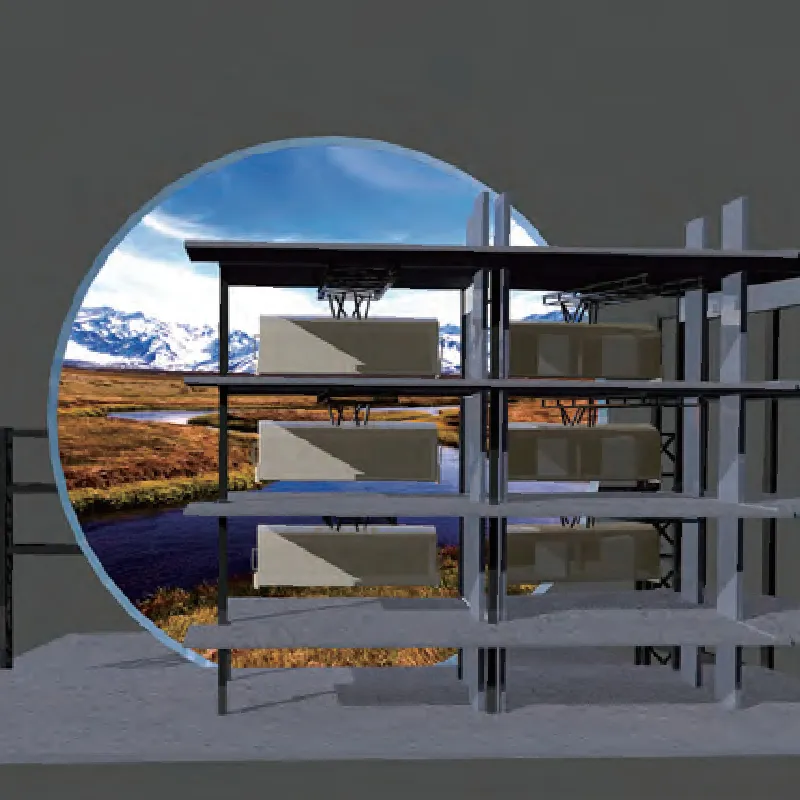
Figure 2: Interior view of a custom-designed flying cinema.
Real-World Application Case Studies
Case Study 1: "The Soaring Legends" at Grand Adventure Park
Grand Adventure Park, a leading theme park, sought to introduce a signature attraction that would redefine immersive entertainment. They commissioned a custom-built flying cinema with a 28-meter dome and a 72-seat motion platform. The attraction, "The Soaring Legends," takes guests on an aerial journey through mythical landscapes, battling dragons and discovering ancient secrets. The system utilized 10 x 4K laser projectors, delivering an 8K x 8K resolution, ensuring breathtaking visual clarity. Integrated wind effects, mist, and custom scents heightened the sensation of flight. Since its launch in 2022, "The Soaring Legends" has consistently ranked as the park's top-rated attraction, boasting an average daily ridership of 4,500 guests and contributing to a 15% increase in annual park attendance. Visitor feedback consistently praises the seamless motion synchronization and the feeling of genuine flight.
Case Study 2: "Journey through the Cosmos" at Stellarium Science Museum
Stellarium Science Museum aimed to modernize its educational offerings with an interactive exhibit that could inspire a new generation of scientists. They opted for a smaller, 48-seat flying cinema focused on educational content. "Journey through the Cosmos" transports visitors on a meticulously crafted vr movie experience through galaxies, nebulae, and planetary systems, based on real astronomical data. The motion platform simulates zero-gravity maneuvers and high-speed interstellar travel. This installation featured a dedicated team for content development, collaborating with astrophysicists to ensure scientific accuracy. The attraction has significantly boosted the museum's educational outreach, with school group bookings increasing by 30% and visitor dwell time within the exhibit zone extending by an average of 25 minutes. It serves as a compelling example of how a flying cinema can blend entertainment with profound educational value.
Ensuring Trust: Certifications, Warranty & Support
Building and maintaining trust with B2B clients requires unwavering commitment to quality, safety, and support. Reputable flying cinema manufacturers adhere to the highest industry standards:
- Authoritative Certifications: Products are typically certified to international standards such as ISO 9001 for Quality Management Systems, ISO 14001 for Environmental Management, and specific amusement ride safety standards like EN 13814 (Amusement Rides and Devices – Safety) and ASTM F2291 (Standard Practice for Design of Amusement Rides and Devices). CE marking ensures compliance with European health, safety, and environmental protection standards.
- Warranty Commitments: Standard warranties typically range from 1 to 5 years on structural components and core motion systems, with specific warranties for electrical and projection systems. Extended warranty options and service contracts are also available to ensure long-term operational peace of mind.
- Lead Time and Fulfillment: Production lead times for a complete flying cinema system typically range from 8 to 18 months, depending on customization, scale, and specific component availability. This includes design, manufacturing, factory acceptance testing, shipping, on-site installation, and final commissioning. Detailed project timelines are provided upon contract, with transparent communication throughout.
- Customer Support and After-Sales Service: Comprehensive after-sales support includes 24/7 technical hotline access, remote diagnostics, on-site maintenance crews for emergency repairs, and scheduled preventative maintenance programs. Training for client operational staff is a standard offering, ensuring efficient and safe daily operations. Partner clients often benefit from dedicated account managers and a global network of service engineers.
Frequently Asked Questions (FAQ)
Q: How safe is a flying cinema?
A: Flying cinema systems are engineered with multiple layers of safety redundancies, emergency stop protocols, and continuous diagnostic monitoring. They adhere to the most rigorous international safety standards for amusement rides (e.g., ISO 17842, EN 13814, ASTM F2291), ensuring passenger safety is paramount. All systems undergo extensive factory and on-site testing before commissioning.
Q: What kind of content can be shown in a flying cinema?
A: The systems are highly versatile and can display a vast array of custom 3D and 2D content, from thrilling adventure films and action cinema sequences to educational journeys, simulated historical tours, and scenic flying cinema tour experiences. Many vendors also offer content development services or have libraries of pre-produced films.
Q: What are the maintenance requirements for a flying cinema?
A: Regular preventative maintenance is crucial for optimal performance and longevity. This typically includes daily pre-operation checks, weekly inspections of critical components, monthly system diagnostics, and annual comprehensive overhauls. Most manufacturers offer detailed maintenance schedules and comprehensive service contracts.
Q: What is the typical footprint and installation complexity?
A: The footprint varies significantly based on capacity and dome size (e.g., a 48-seat system with a 20m dome might require a building approximately 25m x 25m x 15m high). Installation is a complex process requiring specialized engineering and construction teams, typically taking several months from ground-breaking to commissioning. Turnkey solutions simplify this for clients.
Conclusion
The flying cinema represents the pinnacle of immersive entertainment technology, offering unparalleled sensory experiences that captivate audiences and drive significant commercial success. With advanced engineering, rigorous safety standards, and flexible customization options, these systems are poised to continue their growth as cornerstone attractions in the global entertainment and educational landscape. As technology evolves, future iterations promise even greater realism, interactivity, and efficiency, solidifying the flying cinema's role at the forefront of experiential design.
References
- International Organization for Standardization (ISO). (2020). ISO 17842-1:2020: Safety of amusement rides and amusement devices – Part 1: Design and manufacture.
- ASTM International. (2019). ASTM F2291-19: Standard Practice for Design of Amusement Rides and Devices.
- European Committee for Standardization (CEN). (2019). EN 13814: Amusement rides and devices – Safety.
- Market Research Future. (2023). Theme Park Market Research Report—Forecast till 2027. (Report citation format for illustrative purposes).
- Journal of Virtual Reality and Broadcasting. (2022). "Advances in Full-Dome Projection Systems for Immersive Environments." Vol. 19, No. 3, pp. 112-128. (Illustrative journal article).
-
Ethiopian governmentApr.12,2024
-
On March 20-22Apr.12,2024
-
Comprehensive Guide to Choosing the Perfect sightseeing wheelApr.16,2026
-
Guide to Choosing a Roller Coaster and Ferris Wheel for Your ParkApr.09,2026
-
Find Your Perfect Portable Ferris Wheel for Sale and Elevate EntertainmentApr.07,2026
-
The Captivating World of Portable Ferris Wheels and Event EntertainmentApr.04,2026