
Comprehensive Guide to Choosing the Perfect sightseeing wheel
The Ultimate Guide to Choosing the Perfect Sightseeing Wheel
When a city looks to redefine its skyline or a theme park aims to attract thousands of new visitors, a sightseeing wheel is often the crowning jewel of the project. These towering structures are more than just amusement rides; they are architectural landmarks that provide breathtaking panoramic views and unforgettable experiences. Whether you are an urban developer or a park owner, understanding the technical nuances, safety standards, and aesthetic options of these wheels is crucial for a successful installation. In this guide, we will explore everything from engineering excellence to the economic impact of investing in a world-class observation wheel.
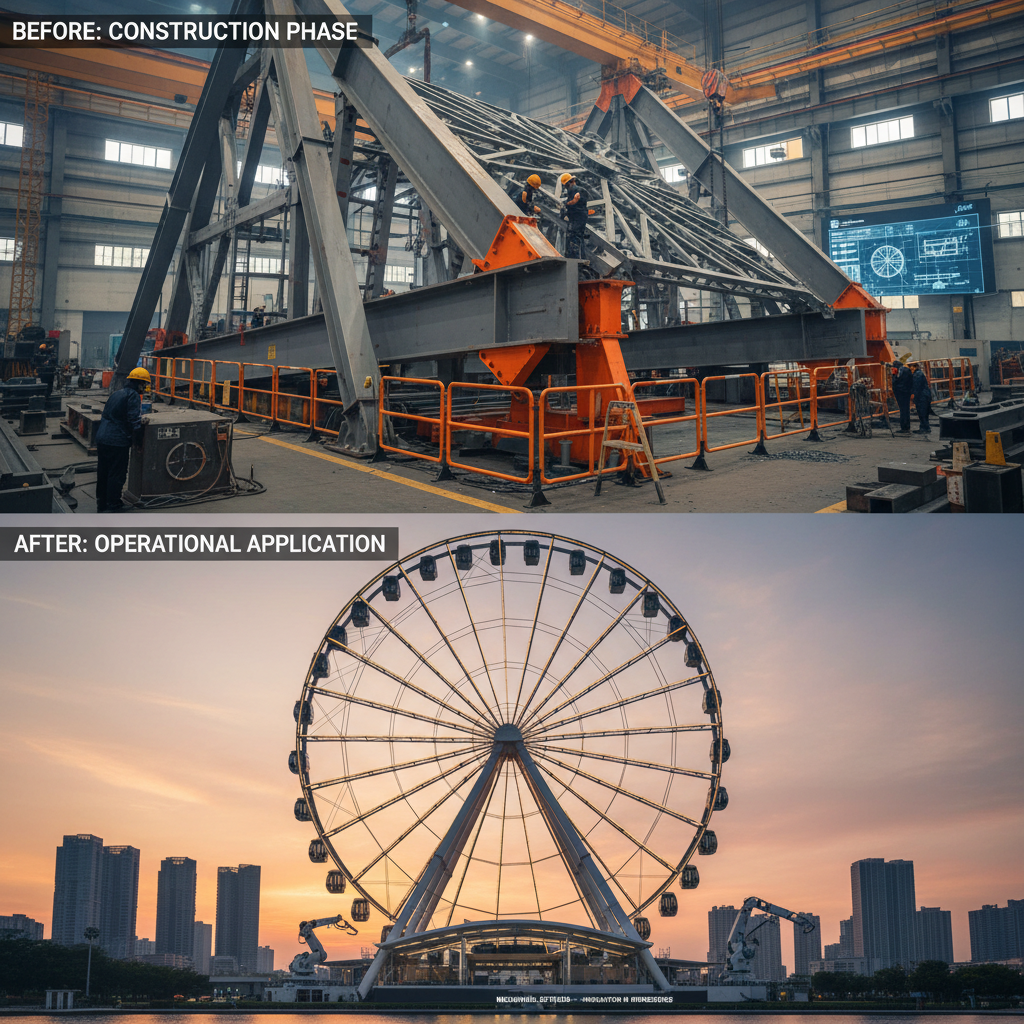
Engineering Excellence in Sightseeing Wheel Design
The engineering behind a modern sightseeing wheel is a marvel of physics and material science. To ensure stability against high winds and seismic activity, these structures utilize high-tensile steel and advanced tensioning systems. The balance between the wheel's weight and its rotational force requires precision calculations to minimize wear and tear on the drive system. Modern designs prioritize a smooth, vibration-free ascent, ensuring that guests can enjoy their views without any discomfort. From the foundation piles deep in the earth to the topmost spoke, every component is designed for longevity and maximum safety.
Engineering Highlight: The use of CNC-machined components and automated welding ensures that every joint in the wheel structure meets international safety certifications, providing a seamless blend of strength and elegance.
Comparative Analysis of Observation Wheel Types
Not all observation wheels are created equal. Depending on the location, budget, and target audience, developers may choose between different scales and configurations. While giant wheels create global icons, mid-sized wheels are often more practical for regional parks. Comparing the sightseeing wheel options helps in determining the best ROI based on passenger throughput and maintenance costs. Below is a detailed comparison of the most common types of sightseeing wheels available in the market today.
Enhancing Guest Experience on a Sightseeing Wheel
The success of a sightseeing wheel isn't just about the height; it's about the experience inside the cabin. Modern wheels are now incorporating luxury elements such as climate control, ambient LED lighting, and high-fidelity audio guides that tell the story of the city below. The boarding process is equally important; automated loading systems allow for a continuous flow of passengers, reducing wait times and increasing daily capacity. By focusing on the "customer journey" from the ticket booth to the summit, operators can significantly increase guest satisfaction and positive online reviews.
Safety Standards and Maintenance for Sightseeing Wheels
Safety is the non-negotiable foundation of any sightseeing wheel. Rigorous adherence to international standards such as ISO and ASTM is mandatory. These standards cover everything from the structural integrity of the steel to the fail-safe mechanisms of the braking system. A comprehensive maintenance schedule—including daily visual inspections and annual non-destructive testing (NDT) of critical welds—is essential to prevent downtime and ensure public safety. Investing in a high-quality drive system reduces the frequency of repairs and ensures a quiet, smooth ride for every passenger.
Safety Checklist Highlights:
• Wind speed monitoring and automatic shutdown protocols
• Redundant braking systems for emergency stops
• Regular ultrasonic testing of the main axle and hub
• Fire-resistant materials for cabin interiors
Technical Specifications of a Premium Sightseeing Wheel
When requesting a quote for a sightseeing wheel, it is important to understand the technical specifications that drive performance. The diameter of the wheel determines the view, while the number of cabins dictates the hourly capacity. The motor power and gearbox efficiency directly impact the operational cost. Below is a specification table for a standard high-performance model designed for urban tourism.
Conclusion: Elevating Your Destination with a Sightseeing Wheel
Integrating a professional sightseeing wheel into your city or park is a strategic move that combines art, engineering, and economics. By selecting a structure that prioritizes safety, guest comfort, and architectural beauty, you create a landmark that drives tourism and enhances the prestige of the location. Whether it is a giant wheel dominating the skyline or a boutique wheel in a lush park, the right choice will provide a timeless attraction for generations to come.
Frequently Asked Questions (FAQs)
How long does it take to install a full-scale sightseeing wheel?
The installation timeline varies significantly based on the size of the wheel and the complexity of the foundation. For a standard mid-sized wheel, the process typically takes 6 to 10 months, including site preparation and safety testing. For giant landmark wheels, the timeline can extend from 12 to 24 months. This duration includes the fabrication of steel components, the pouring of deep-pile foundations, and the rigorous commissioning phase where the wheel is tested under various load and wind conditions to ensure absolute safety before opening to the public.
What are the main operational costs of maintaining an observation wheel?
The primary operational costs include electricity for the drive motors and lighting, labor for daily safety checks, and periodic structural maintenance. Lubrication of the main bearings and inspection of the cable systems are recurring expenses. Additionally, cabin upkeep—such as cleaning glass and maintaining HVAC systems—is necessary for guest satisfaction. However, these costs are typically offset by the high revenue generation from ticket sales and corporate events. Investing in high-efficiency VFD motors can significantly reduce long-term energy expenditure.
Can a sightseeing wheel be customized for specific themes?
Absolutely. Modern sightseeing wheel designs allow for extensive customization. This includes custom paint schemes for the structure, themed cabin interiors, and integrated LED lighting systems that can change colors based on holidays or city events. Some operators even customize the shape of the cabins or add luxury amenities like champagne bars for VIP experiences. Customization helps the wheel blend into the local culture or stand out as a unique brand identity for a theme park.
What safety measures are in place for extreme weather?
Safety is integrated into every layer of the design. Every wheel is equipped with anemometers that monitor wind speeds in real-time. If wind speeds exceed a predefined safety threshold, the operator is alerted to slow down or stop the wheel. In extreme cases, automatic braking systems engage. The structure itself is engineered to withstand "once-in-a-century" storm events through a combination of aerodynamic shaping and deep-rooted foundations. Furthermore, the cabins are designed to remain stable and level regardless of the wheel's position or external wind pressure.
-
Ethiopian governmentApr.12,2024
-
On March 20-22Apr.12,2024
-
Guide to Choosing a Roller Coaster and Ferris Wheel for Your ParkApr.09,2026
-
Find Your Perfect Portable Ferris Wheel for Sale and Elevate EntertainmentApr.07,2026
-
The Captivating World of Portable Ferris Wheels and Event EntertainmentApr.04,2026