
Lift Roller Coaster: Smooth, Safe, High-Capacity Rides
Lift Roller Coaster is a key solution in the manufacturing industry, specifically within Amusement equipment manufacturing industry and Roller coaster manufacturing. This article explores how Hebei Zhipao Amusement Equipment Manufacturing Co.LTD. supports professionals with durable, high-performance products, and explains why this product is an ideal choice for businesses in these sectors.
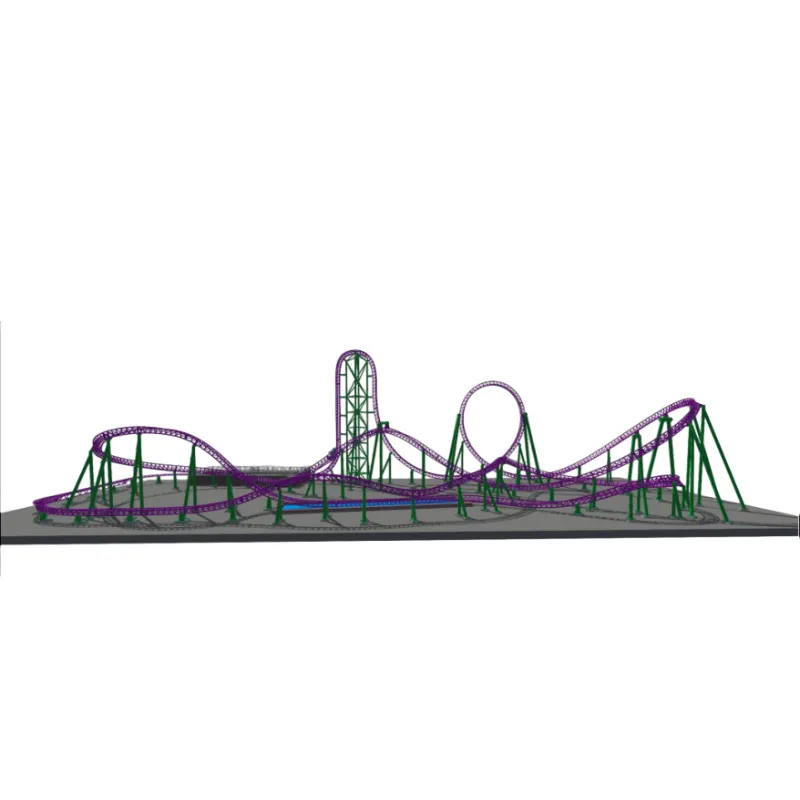
Table of Contents
- Lift Roller Coaster Overview
- Benefits & Use Cases of Lift Roller Coaster in Roller coaster manufacturing
- Cost, Maintenance & User Experience
- Sustainability & Market Trends in manufacturing
- Conclusion on Lift Roller Coaster from Hebei Zhipao Amusement Equipment Manufacturing Co.LTD.
Lift Roller Coaster Overview
In modern ride engineering, a Lift Roller Coaster converts electrical energy into potential energy through an efficient elevation system, priming trains for the main layout. Depending on project goals and footprints, manufacturers deploy chain lift, cable lift, vertical lift roller coaster, and spiral lift roller coaster architectures. Chain lifts offer classic anticipation and robust simplicity, while cable lift roller coaster systems deliver high-speed, low-noise ascents using a catch-car and winch. For compact sites, a vertical lift coaster—similar to well-known installations like The Smiler’s vertical lift—maximizes height within a tight envelope. Spiral lifts, often tire-driven, are popular for family coasters and indoor spaces where visual drama and compactness matter.
- Relevance: Lift systems define throughput, reliability, and signature moments across the amusement equipment manufacturing industry, shaping both capacity and guest experience.
- Technical background: Options include VFD-driven motors, magnetic or ratchet anti-rollback, auto-lubrication, and PLC-based safety with redundant sensors. Designs are engineered to align with global frameworks such as EN 13814/ISO 17842 and ASTM F2291, and can be tailored for extreme climates or corrosive environments.
- As a reliable manufacturer, Hebei Zhipao Amusement Equipment Manufacturing Co.LTD. offers configurable lift packages—from classic chain to vertical and spiral lifts—integrated with structural steel, catwalks, evacuation platforms, and commissioning support for turnkey delivery.
Benefits & Use Cases of Lift Roller Coaster in Roller coaster manufacturing
For B2B decision makers, choosing the right Lift Roller Coaster architecture is a strategic lever. New-build thrill coasters often adopt cable lifts to accelerate dispatches and reduce acoustic impact near resorts or residential edges. Family or indoor coasters favor spiral lifts for compact footprints and visual appeal. When space is constrained but a skyline-defining element is required, a vertical lift roller coaster provides a dramatic, marketable 90-degree climb. Parks aspiring to headline status—competing in the “tallest chain lift roller coaster” category—still trust chain lifts for their proven durability and clear maintenance pathways. Mountain destinations and scenic parks increasingly explore “heavenly gondola and roller coaster” integrations, where gondola access pairs with a coaster’s lift hill to create a seamless, iconic experience.
- Applications: Greenfield signature coasters, indoor entertainment centers, resort complexes, and retrofit programs upgrading legacy lifts to modern, efficient systems.
- Competitive advantages: High-efficiency drives, modular lift spines, weatherized enclosures, quiet anti-rollback systems, safe egress catwalks, and remote diagnostics enable faster installation, lower OPEX, and improved uptime. For compact sites, a vertical lift coaster or spiral lift roller coaster maximizes throughput per square meter.
- Expertise: Hebei Zhipao Amusement Equipment Manufacturing Co.LTD. integrates design, fabrication, factory acceptance testing, and on-site commissioning—streamlining supply risk and ensuring the lift subsystem aligns with the ride profile, theming, and capacity targets.
Cost, Maintenance & User Experience
Total cost of ownership for a Lift Roller Coaster balances CAPEX with long-run OPEX, driven by energy use, spare parts, and planned maintenance. Chain lift packages remain cost-effective to procure and service, especially in regions with strong mechanical maintenance capabilities. Cable lifts can reduce noise and shorten lift times—supporting higher hourly throughput and potential revenue per operating hour. Vertical lifts lower the civil footprint, a meaningful cost saver on constrained sites. Across configurations, automated lubrication, easily accessible wear components, and standardized fasteners shorten service windows and help stabilize labor budgets.
- Durability & ROI: With robust coatings, corrosion protection, and condition-based maintenance (e.g., vibration/temperature monitoring), operators often realize fewer unplanned stoppages. Many parks report that modern lift upgrades can support ROI through improved capacity, reduced noise complaints, and better guest sentiment.
- User Experience: Chain lifts deliver the classic rising click that builds anticipation; cable lift roller coaster systems offer swift, smooth ascents with minimal noise; vertical lift coaster climbs provide a headline-grabbing visual. Each profile can be tuned with lighting, audio, and scenic elements to reinforce your park’s brand.
Sustainability & Market Trends in manufacturing
Global regulations and buyer expectations increasingly emphasize safety, sustainability, and lifecycle transparency. In Lift Roller Coaster design, this translates to high-efficiency IE3/IE4 motors, regenerative braking where applicable, and designs aligned with EN 13814/ISO 17842 and ASTM F2291. Smart power management and drive tuning can meaningfully cut energy consumption, while durable finishes and materials reduce repaint cycles and waste. For developers building near sensitive communities, quieter lifts and reduced construction footprints (e.g., vertical lifts) align with environmental and social impact goals.
- Industry growth: Demand is rising across Asia-Pacific, the Middle East, and resort-integrated destinations, including concepts that blend transit and attractions—such as “heavenly gondola roller coaster” experiences—to maximize land value and year-round appeal.
- Forward-thinking approach: Hebei Zhipao Amusement Equipment Manufacturing Co.LTD. emphasizes efficient drive selection, modular fabrication to minimize onsite emissions, and low-VOC coatings—positioning parks to meet sustainability KPIs without compromising thrill or capacity. Whether targeting a compact vertical lift roller coaster or aiming for market-firsts like the tallest chain lift roller coaster category, we help balance spectacle with stewardship.
Conclusion on Lift Roller Coaster from Hebei Zhipao Amusement Equipment Manufacturing Co.LTD.
A Lift Roller Coaster is the heart of coaster performance—defining capacity, reliability, and that signature first-act thrill. From chain and cable lifts to vertical and spiral configurations, Hebei Zhipao Amusement Equipment Manufacturing Co.LTD. delivers durable, high-performance solutions tailored to your site and brand. Our engineering approach helps operators reduce lifecycle costs while elevating guest experience and marketability.
- Hebei Zhipao’s reputation rests on quality fabrication, thoughtful integration, and responsive service—key advantages for B2B buyers in Roller coaster manufacturing.
- Strong CTA: Contact us: email: 370459358@qq.com — Visit our website: https://www.zprollercoaster.com. Explore product details here: Lift Roller Coaster.
-
Ethiopian governmentApr.12,2024
-
On March 20-22Apr.12,2024
-
Comprehensive Guide to Choosing the Perfect sightseeing wheelApr.16,2026
-
Guide to Choosing a Roller Coaster and Ferris Wheel for Your ParkApr.09,2026
-
Find Your Perfect Portable Ferris Wheel for Sale and Elevate EntertainmentApr.07,2026
-
The Captivating World of Portable Ferris Wheels and Event EntertainmentApr.04,2026