
Discovering the Wonders and Engineering Inside Ferris Wheel Attractions
Exploring the World Inside a Ferris Wheel
The mesmerizing view from a Ferris wheel is a classic experience, but have you ever wondered what it's like inside one? From the engineering marvels that keep these giant wheels turning to the unique perspective they offer, there's a fascinating world hidden within. This article delves into the intricate details of a Ferris wheel's construction, safety features, the experience of being a passenger, and how modern technology is shaping these iconic attractions. We’ll also explore some of the most impressive Ferris wheels around the globe. Ready to take a spin and discover what's inside ferris wheel?
The Engineering Behind the Magic
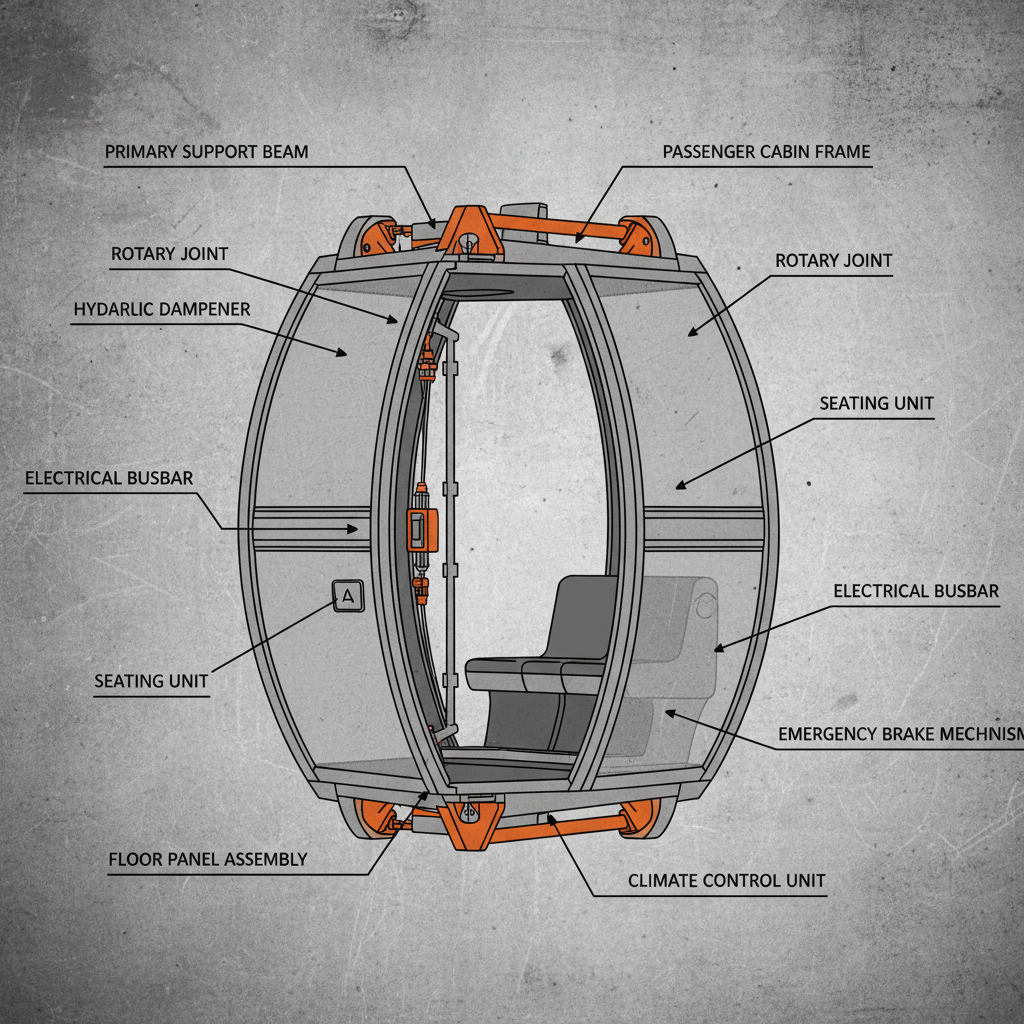
Ferris wheels are incredible feats of engineering. The basic structure consists of a central hub, a large steel frame, and numerous passenger cars (or gondolas) suspended from the rim. Modern Ferris wheels utilize high-strength steel alloys and advanced welding techniques to ensure structural integrity. The axles and bearings are critical components, designed to withstand immense weight and constant rotation. The load distribution is carefully calculated to maintain balance and stability, even with varying passenger numbers in each car. Safety mechanisms, including multiple braking systems and emergency descent procedures, are integrated throughout the design.
Key Engineering Considerations: High-strength steel, advanced welding, precise load distribution, robust braking systems, and multiple safety redundancies.
A Passenger's Perspective: What it Feels Like Inside
Stepping into a Ferris wheel car offers a unique sensory experience. The slow, gentle ascent provides anticipation, building as the view expands. At the apex, passengers are treated to a breathtaking panoramic vista. The enclosed cars provide a sense of security, while the transparent design allows for unobstructed views. Modern cars are often climate-controlled, enhancing comfort. Many wheels now feature luxurious cars with seating, sound systems, and even Wi-Fi, creating a more immersive and enjoyable ride. The feeling of weightlessness at the top and the gradual descent create a calming and memorable experience. This is one of the biggest reasons why people want to find out what is inside ferris wheel.
The Passenger Experience:
• Breathtaking Panoramic Views
• Sense of Security in Enclosed Cars
• Calming and Memorable Ride
• Modern Amenities (Climate Control, Wi-Fi)
Ferris Wheel Safety Features: A Detailed Look
Safety is paramount in Ferris wheel design and operation. Multiple redundant systems are in place to prevent accidents. These include: multiple braking systems (mechanical, hydraulic, and electromagnetic), anti-rollback devices to prevent cars from falling in case of a cable failure, wind speed sensors that automatically halt operation in high winds, and comprehensive inspection and maintenance schedules. Regular non-destructive testing of the steel structure and components is performed to identify any potential weaknesses. Operators are rigorously trained in emergency procedures, and clear safety instructions are provided to passengers.
The Evolution of Ferris Wheels: From Chicago to Modern Marvels
The first Ferris wheel was designed by George Washington Gale Ferris Jr. for the 1893 World's Columbian Exposition in Chicago. It stood at 264 feet tall and featured 36 cars, each capable of holding 60 people. Since then, Ferris wheels have evolved significantly. Modern wheels are often much larger, featuring enclosed, climate-controlled cars and advanced lighting systems. Some even incorporate LED displays and interactive experiences. The High Roller in Las Vegas, for example, stands at 550 feet tall and offers stunning views of the city.
Modern Innovations: Technology Transforming the Ride
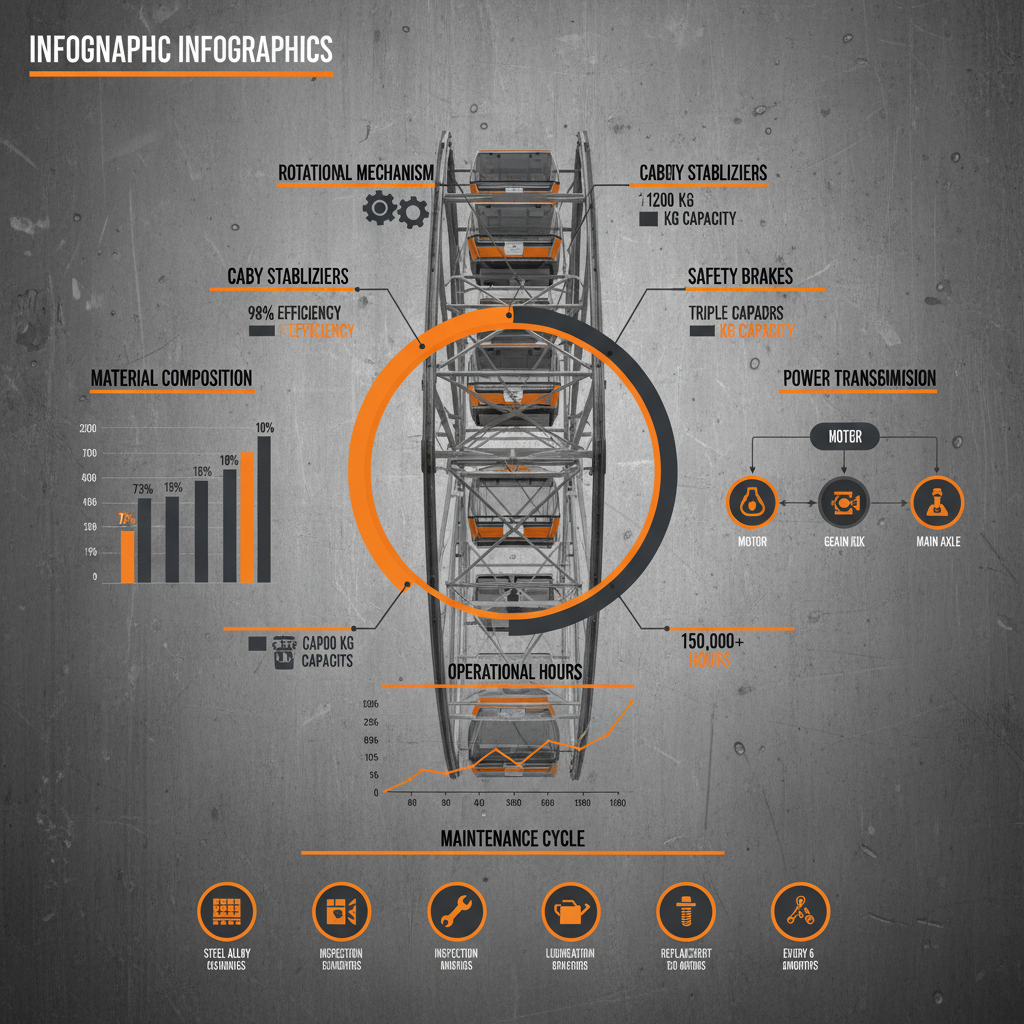
Technology is playing an increasingly important role in the Ferris wheel experience. Smart sensors monitor structural health and predict maintenance needs. Variable-speed drives allow for smoother, more comfortable rides. Interactive lighting and sound systems create immersive experiences. Virtual reality (VR) and augmented reality (AR) technologies are being explored to enhance the views and provide additional entertainment. Digital ticketing and queue management systems streamline the boarding process. All of these innovations contribute to a safer, more enjoyable, and more efficient experience for passengers. Looking ahead, we can expect to see even more integration of technology, transforming the humble Ferris wheel into a truly futuristic attraction.
Conclusion: A Timeless Attraction Reimagined
The Ferris wheel, from its humble beginnings in Chicago to the modern marvels we see today, remains a beloved attraction worldwide. Understanding what’s inside ferris wheel – the engineering, the safety measures, and the evolving technology – only deepens our appreciation for this iconic ride. Whether you're a thrill-seeker, a romantic, or simply looking for a unique perspective, the Ferris wheel offers an experience that is both timeless and unforgettable.
Frequently Asked Questions (FAQs)
How tall are the tallest Ferris wheels in the world?
Currently, the tallest Ferris wheel is the Ain Dubai in Dubai, United Arab Emirates, standing at a remarkable 820 feet (250 meters) tall. Second is the High Roller in Las Vegas, Nevada, at 550 feet (167.6 meters). These modern giants offer unparalleled panoramic views and attract millions of visitors annually. The design and construction of these towering structures represent significant advancements in engineering and materials science. They demonstrate the ongoing innovation within the Ferris wheel industry, pushing the boundaries of what's possible.
What happens if a Ferris wheel loses power?
Ferris wheels are equipped with multiple backup systems to prevent cars from becoming stranded in the event of a power outage. These include emergency braking systems and, in some cases, backup generators. Most modern wheels also have anti-rollback devices that prevent cars from sliding backwards down the structure. Operators are trained to execute emergency procedures, and passengers are typically instructed to remain calm and follow their instructions. The priority is to safely lower all passengers to the ground.
Are Ferris wheels inspected regularly?
Yes, Ferris wheels undergo rigorous and frequent inspections. These inspections are typically conducted daily, weekly, monthly, and annually by qualified engineers and technicians. Inspections cover all critical components, including the structure, cables, brakes, motors, and safety systems. Non-destructive testing methods, such as ultrasonic testing and magnetic particle inspection, are used to detect any hidden flaws or cracks. Regulatory bodies also conduct independent inspections to ensure compliance with safety standards.
-
Ethiopian governmentApr.12,2024
-
On March 20-22Apr.12,2024
-
Comprehensive Guide to Choosing the Perfect sightseeing wheelApr.16,2026
-
Guide to Choosing a Roller Coaster and Ferris Wheel for Your ParkApr.09,2026
-
Find Your Perfect Portable Ferris Wheel for Sale and Elevate EntertainmentApr.07,2026
-
The Captivating World of Portable Ferris Wheels and Event EntertainmentApr.04,2026