
Cool Roller Coaster Designs - Custom & Thrilling Rides
Exploring Advanced Concepts in Roller Coaster Design and Engineering
The amusement industry is constantly pushing the boundaries of innovation, seeking to deliver unparalleled thrill and immersive experiences. Central to this evolution is the meticulous engineering of cool roller coaster designs. These sophisticated structures are not merely rides; they are complex mechanical marvels requiring extensive expertise in physics, materials science, structural engineering, and guest psychology. For B2B stakeholders, understanding the intricacies from conceptualization to operational deployment is crucial for strategic investment and market differentiation.
Modern roller coasters represent a significant capital expenditure, where the cost of building a roller coaster encompasses everything from foundational engineering to advanced sensory integration. Developers considering expansion or new park ventures must evaluate not only the immediate purchase price but also long-term operational costs, maintenance requirements, and the ride's projected appeal and throughput capacity. Our focus here is to delve into the technical, operational, and strategic aspects that define contemporary roller coaster engineering.
Industry Trends Shaping Modern Roller Coaster Development
The amusement industry is experiencing transformative trends driven by technological advancements and evolving consumer expectations. Key areas of innovation include:
- Immersive Experiences: Integration of virtual reality (VR), augmented reality (AR), and sophisticated projection mapping to create multi-sensory adventures.
- Sustainable Design: Emphasis on energy-efficient lift systems, regenerative braking, and the use of recycled or environmentally friendly materials in track and support structures. This often influences the overall cost of building a roller coaster by reducing long-term operational expenses.
- Dynamic Ride Elements: Beyond traditional loops and inversions, new designs feature rotating seats, free-fall drops, highly banked turns, and launch systems that eliminate the need for a lift hill, offering unique sensations that contribute to truly cool roller coaster designs.
- Enhanced Safety Protocols: Continuous advancements in control systems, restraint mechanisms, and structural integrity monitoring, often exceeding global standards like ASTM F2291.
- Modular and Customizable Solutions: Manufacturers are increasingly offering modular track sections and customizable layouts to fit diverse park footprints and thematic requirements, impacting options like a portable roller coaster for sale or even a sophisticated infinity roller coaster price.
These trends demand a robust understanding of both engineering principles and market dynamics to deliver rides that are both thrilling and economically viable.
The Manufacturing Process of Advanced Roller Coaster Systems
The creation of a high-performance roller coaster is an intricate multi-stage process, demanding precision and adherence to rigorous safety standards. Below is a detailed process flow:
Process Flow of Roller Coaster Manufacturing:
- Conceptual Design & Feasibility Study:
- Initial client consultation and site analysis.
- Development of preliminary layouts and ride profiles using CAD software (e.g., SolidWorks, Inventor).
- Dynamic simulation to model G-forces, speeds, and forces on the structure.
- Budgeting and preliminary cost of building a roller coaster estimation.
- Detailed Engineering Design:
- Creation of precise engineering drawings for track sections, support columns, trains, and station components.
- Selection of materials: Primarily high-strength steel alloys (e.g., ASTM A500 Grade B/C, EN 10025 S355 for structural components; advanced alloys for wheel assemblies and axles). Corrosion-resistant coatings are critical given outdoor exposure.
- Finite Element Analysis (FEA) to ensure structural integrity under all load conditions (static, dynamic, environmental).
- Hydraulic and pneumatic system design for launch mechanisms, brakes, and restraint systems.
- Fabrication & Machining:
- Track Fabrication: Steel tubes are precisely bent and welded into track sections. Modern techniques include automated robotic welding to ensure consistency and strength.
- Structural Support Fabrication: Large steel plates and sections are cut (laser or plasma), drilled, and welded to form support columns and foundations.
- Train Manufacturing: Advanced composites, aluminum, and steel are used. Components like wheels, axles, and bogies often undergo CNC machining for extreme precision and durability. Casting and forging are used for critical high-stress components.
- Corrosion Protection: All external steel components undergo shot blasting, zinc-rich primer application, and a multi-layer polyurethane topcoat for exceptional corrosion resistance, crucial for extended service life.
- Assembly & Quality Control:
- Modular assembly of track sections and supports in the factory where possible.
- Non-Destructive Testing (NDT): Ultrasonic testing, magnetic particle inspection, and X-ray analysis of critical welds and material integrity.
- Dimensional inspections using laser trackers and coordinate measuring machines (CMM) to ensure all components meet precise specifications, aligning with ISO 9001 and ANSI B77.1 standards for quality management and amusement ride safety.
- Installation & Commissioning:
- On-site assembly, often utilizing heavy lifting equipment and specialized crews.
- Extensive testing: Empty test runs, water dummy runs, and finally, human test runs to verify ride dynamics, safety systems, and guest comfort.
- Final certification by independent safety auditors, confirming compliance with local and international amusement ride safety standards.
The service life of a well-engineered roller coaster, maintained according to manufacturer specifications, typically exceeds 30 years, demonstrating excellent return on investment for theme parks, amusement parks, and entertainment centers, which are the primary target markets. Advantages include robust structural integrity, energy-efficient operations through advanced braking and launch systems, and superior corrosion resistance.
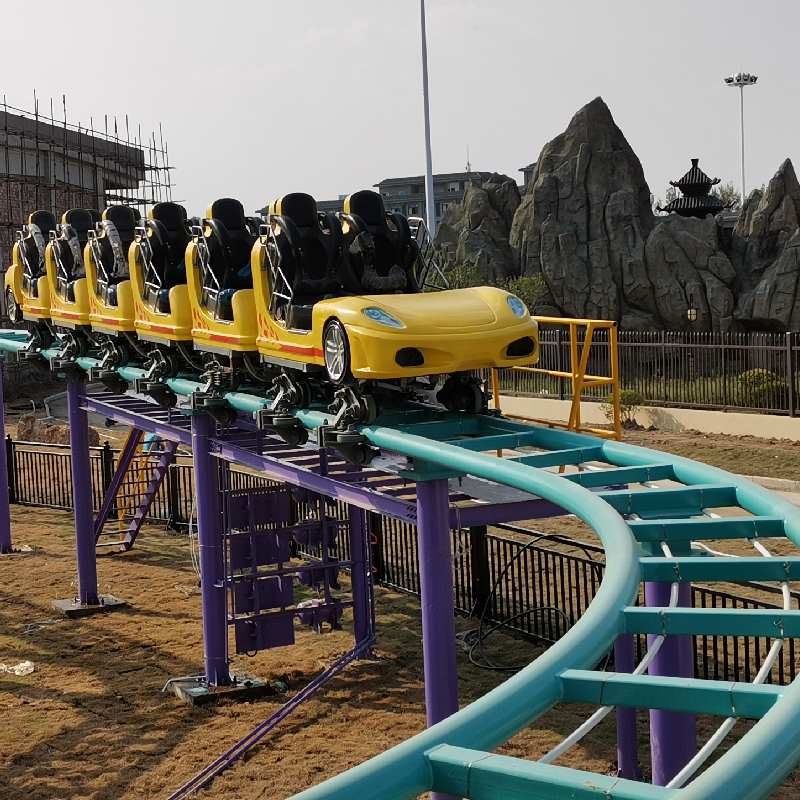
Technical Specifications and Performance Parameters
Understanding the critical technical specifications is paramount for evaluating cool roller coaster designs. These parameters directly influence ride experience, safety, and operational efficiency.
| Parameter | Typical Range (Advanced Coasters) | Significance for B2B |
|---|---|---|
| Max Height | 30m - 140m+ (100ft - 450ft+) | Marketing appeal, landmark status, initial thrill. Influences structural cost of building a roller coaster. |
| Max Speed | 80 km/h - 240 km/h (50 mph - 150 mph) | Thrill factor, ride duration optimization. Requires robust track and train design. |
| Max G-Force (Positive) | +3.5g to +5g | Intensity of experience, critical for rider safety and comfort. |
| Max G-Force (Negative) | -0.5g to -1.5g | "Airtime" sensations, popular thrill element. |
| Capacity (Riders/Hour) | 800 - 2000+ | Crucial for park revenue and guest satisfaction, especially for rides like a cyclone roller coaster price model. |
| Footprint Area | Varies significantly (e.g., 5,000 sq m to 50,000 sq m+) | Site planning, land utilization, critical for urban or constrained parks. Even applies to niche products like a garden roller coaster for sale. |
These parameters directly influence a ride's appeal and operational viability. A higher capacity, for instance, translates into greater revenue potential, a key consideration when evaluating the total value proposition, not just the upfront cost of building a roller coaster.
Application Scenarios and Market Segments
The market for cool roller coaster designs is diverse, catering to various scales of entertainment venues and private installations:
- Major Theme Parks: Seeking flagship attractions that draw millions of visitors annually, often requiring custom designs with cutting-edge technology and high throughput. These are typically multi-million dollar investments where the cost of building a roller coaster is a strategic budget item.
- Regional Amusement Parks: Focused on adding unique rides to attract repeat visitors and maintain competitiveness, often balancing thrill with family-friendly appeal. Examples might include a mid-sized cyclone roller coaster price point.
- Family Entertainment Centers (FECs) & Indoor Parks: Requiring compact, high-intensity rides, sometimes modular, suitable for indoor environments. This segment might look for an indoor roller coaster for sale, prioritizing space efficiency and operational simplicity.
- Specialty & Mobile Applications: Niche markets for events or unique installations, such as a portable roller coaster for sale for fairs and temporary attractions, or bespoke home roller coaster for sale projects for private estates.
- Collector's Market: Enthusiasts or museums seeking historically significant designs, potentially even an o scale roller coaster for display purposes, though this is a distinct market from operational rides.
Each segment has specific requirements regarding footprint, capacity, thrill level, and budget, necessitating a tailored approach to design and manufacturing.
Technical Advantages of Cutting-Edge Designs
Modern cool roller coaster designs offer significant technical advantages that translate into better operational efficiency, enhanced safety, and superior guest experiences:
- Optimized Energy Efficiency: Use of Linear Synchronous Motors (LSM) for launch systems offers precise control and energy recuperation during braking. Compared to traditional chain lifts, LSM systems reduce energy consumption by up to 20-30% and significantly lower maintenance needs.
- Superior Structural Durability: Advanced steel alloys, combined with sophisticated welding techniques and corrosion-resistant coatings, ensure a service life of 30+ years, even in harsh weather conditions. This minimizes long-term maintenance overhead and enhances safety.
- Advanced Safety Systems: Redundant braking systems (e.g., magnetic brakes in addition to friction brakes), real-time sensor monitoring of track integrity and train position, and pneumatic or hydraulic safety restraints provide unparalleled rider security.
- Reduced Noise Footprint: Precision-engineered wheels and track sections, along with targeted dampening materials, reduce operational noise, a crucial factor for urban parks and sensitive environments.
- Dynamic Ride Customization: Programmable ride sequences allow for variable speeds and effects, providing flexibility for seasonal themes or unique event activations without significant hardware modifications.
These advantages contribute to a lower Total Cost of Ownership (TCO) over the ride's lifecycle, offering a compelling proposition for park operators. The initial cost of building a roller coaster is offset by these long-term benefits.
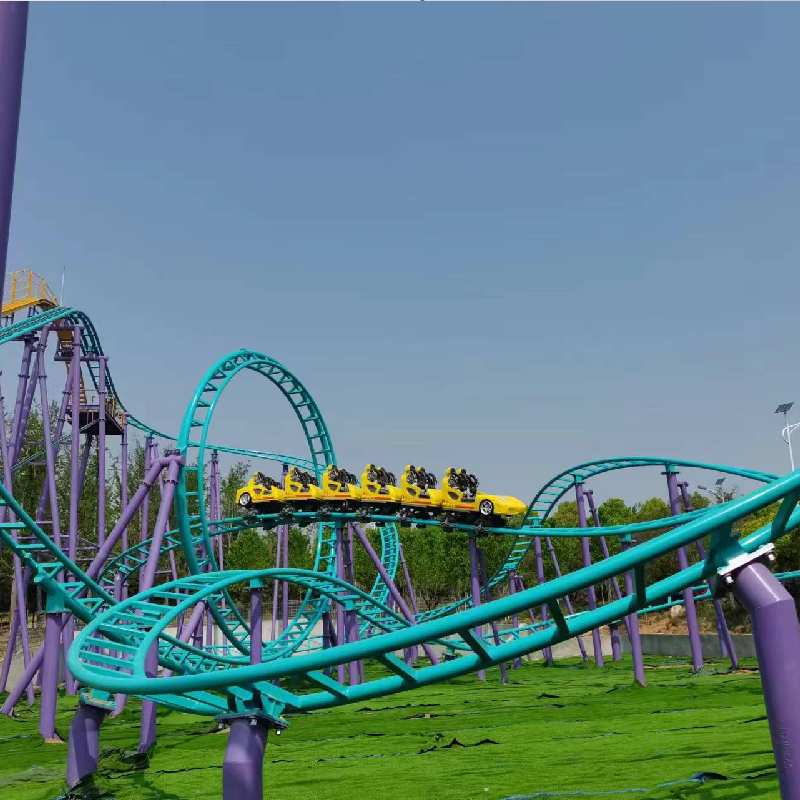
Vendor Comparison and Selection Criteria
Selecting the right manufacturer for cool roller coaster designs is a critical decision. Key factors for B2B decision-makers include:
- Engineering Prowess and Innovation: Look for vendors with a proven track record of pioneering new ride elements, safety features, and sustainable technologies. Assess their R&D investment.
- Manufacturing Quality and Certifications: Verify adherence to international standards like ISO 9001, ASTM F2291, EN 13814, and local regulatory compliance. Inspect factory facilities and quality control procedures.
- Project Management & Installation Capability: Evaluate their ability to manage large-scale projects, including logistics, on-site construction, and timely commissioning. Experience with diverse geographical and climatic conditions is a plus.
- After-Sales Support & Maintenance: Comprehensive warranty, availability of spare parts, technical training for park staff, and responsive support are vital for long-term operational success.
- Customization & Flexibility: The ability to adapt designs to specific site constraints, thematic requirements, and desired thrill levels is often a differentiator.
- Financial Stability & Reputation: Partnering with a financially stable company with a strong industry reputation minimizes risk. Review their portfolio and client testimonials, and consider the cost of building a roller coaster in relation to the vendor's reputation.
Customized Solutions for Unique Projects
Not every park fits a standard mold, and the demand for bespoke attractions continues to grow. Leading manufacturers excel in offering customized solutions tailored to specific client needs:
- Site-Specific Adaptation: Engineering designs to conform to challenging topography, existing park infrastructure, or urban limitations. This might involve compact layouts for an indoor roller coaster for sale or multi-level designs for spatial efficiency.
- Thematic Integration: Collaborating with park designers to seamlessly integrate the coaster's structure, trains, and queue lines into a unique storytelling theme, enhancing the overall guest immersion.
- Capacity & Throughput Optimization: Designing custom station layouts, dual loading/unloading zones, or multi-train operations to achieve specific hourly rider capacities for peak demand.
- Unique Ride Elements: Developing entirely new inversions, launches, or special effects that align with the client's vision for a world-first attraction. This can significantly impact the infinity roller coaster price.
These tailored approaches ensure that each investment results in a distinct and highly successful attraction.
BaoShiJie Roller Coaster: A Closer Look at Advanced Engineering
The BaoShiJie Roller Coaster exemplifies modern engineering prowess, offering a blend of exhilarating ride dynamics and robust construction. Designed for high throughput and an exceptional guest experience, it represents a leading example among current cool roller coaster designs.
BaoShiJie Roller Coaster Specifications:
| Feature | Specification |
|---|---|
| Type | Multi-element Thrill Coaster |
| Max Height | Up to 60m (197ft) |
| Max Speed | 120 km/h (75 mph) |
| Track Length | Approx. 1200m (3937ft) |
| Inversions | Multiple (e.g., Dive Loop, Zero-G Roll, Corkscrew) |
| Train Capacity | 20-24 riders per train (e.g., 5-6 cars with 4 riders each) |
| Hourly Capacity | Up to 1200 riders/hour (with multiple trains) |
| Safety System | Hydraulic lap bar and redundant magnetic braking. |
Product Comparison: BaoShiJie vs. Standard Looping Coaster
| Feature | BaoShiJie Roller Coaster | Standard Looping Coaster (Older Gen) |
|---|---|---|
| Launch System | LSM (Linear Synchronous Motor) for powerful, smooth acceleration. | Traditional chain lift or hydraulic launch (less efficient/flexible). |
| Ride Elements | Diverse inversions, high-speed turns, airtime hills, custom layouts. | Basic loops and corkscrews, limited variability. |
| Ride Experience | Smooth, intense, highly re-rideable with varied G-forces. | Can be jerky, less sophisticated transitions, predictable. |
| Energy Consumption | Optimized, regenerative braking, lower operational energy. | Higher power draw, less efficient braking. |
| Maintenance Profile | Predictive maintenance enabled by advanced sensors, robust components, longer MTBF. | More frequent inspection for wear, higher component replacement rate. |
This comparison highlights the significant advancements in ride technology, offering superior performance and long-term value compared to older generations of coasters, often justifying the initial cyclone roller coaster price or infinity roller coaster price for cutting-edge models.
Ensuring Trust and Reliability: The Framework in Action
Authoritativeness & Certifications
Our commitment to engineering excellence is underpinned by rigorous adherence to international standards. Our manufacturing processes are ISO 9001 certified for quality management, ensuring consistency and reliability from design to deployment. All our cool roller coaster designs and components undergo independent third-party certification to comply with ASTM F2291 (Standard Practice for Design of Amusement Rides and Devices) and EN 13814 (Safety of machinery – Amusement rides and devices). We partner with leading industry safety auditors like TÜV SÜD and DEKRA to validate every aspect of our installations. With over 20 years of dedicated service in the amusement industry, we have successfully delivered projects for major international theme parks, solidifying our reputation as an authoritative vendor.
Experience & Customer Feedback
Our extensive portfolio includes diverse projects ranging from high-thrill launched coasters to family-friendly designs. For example, our custom-designed "Desert Serpent" coaster at Oasis Theme Park saw a 30% increase in daily park attendance during its first year of operation, achieving an average rider satisfaction score of 4.8/5. A park director noted, "The team not only delivered a thrilling ride but also provided exceptional support, minimizing downtime and optimizing operational flow." We prioritize long-term partnerships, reflected in our high rate of repeat business and positive client testimonials.
Frequently Asked Questions (FAQ)
- Q1: What is the typical lead time for a custom roller coaster project?
- A1: From concept design to full commissioning, a custom large-scale roller coaster typically requires 18-36 months, depending on complexity, site conditions, and customization level. Smaller, modular designs or off-the-shelf options may have shorter lead times, influencing the overall cost of building a roller coaster.
- Q2: What kind of warranty and after-sales support do you offer?
- A2: We offer a comprehensive 2-year warranty on all structural components and mechanical systems, with extended warranty options available. Our after-sales support includes 24/7 technical assistance, on-site maintenance training, spare parts inventory management, and annual safety inspection services.
- Q3: Can you help with financing options for a new ride?
- A3: While we do not offer direct financing, we can provide detailed financial projections and connect clients with our network of reputable financial partners specializing in large-scale amusement industry investments. This can help manage the significant initial cost of building a roller coaster.
- Q4: What are the primary considerations for an indoor roller coaster for sale?
- A4: Key considerations for indoor coasters include building height and structural load capacity, noise reduction, queue line management in confined spaces, and integrating HVAC systems for rider comfort. We specialize in compact, high-thrill designs optimized for indoor environments.
Conclusion
The world of roller coaster design is continuously evolving, driven by engineering innovation, safety advancements, and a relentless pursuit of the ultimate guest experience. For B2B decision-makers, investing in truly cool roller coaster designs means partnering with a manufacturer that combines technical expertise, stringent quality control, and a proven track record. By focusing on robust materials, advanced manufacturing processes, and comprehensive post-installation support, operators can ensure a high return on investment, sustained guest appeal, and a legacy of thrilling entertainment for decades to come. The initial cost of building a roller coaster is merely one facet; the long-term value and operational excellence are what truly define a successful project.
References
- ASTM International. F2291-17, Standard Practice for Design of Amusement Rides and Devices. ASTM International, West Conshohocken, PA, 2017.
- International Organization for Standardization. ISO 9001:2015, Quality management systems – Requirements. ISO, Geneva, Switzerland, 2015.
- European Committee for Standardization. EN 13814:2019, Safety of machinery – Amusement rides and devices – Safety requirements. CEN, Brussels, Belgium, 2019.
- Themed Entertainment Association (TEA) / AECOM. Theme Index and Museum Index (various editions).
-
Ethiopian governmentApr.12,2024
-
On March 20-22Apr.12,2024
-
Comprehensive Guide to Choosing the Perfect sightseeing wheelApr.16,2026
-
Guide to Choosing a Roller Coaster and Ferris Wheel for Your ParkApr.09,2026
-
Find Your Perfect Portable Ferris Wheel for Sale and Elevate EntertainmentApr.07,2026
-
The Captivating World of Portable Ferris Wheels and Event EntertainmentApr.04,2026