
Understanding the Functionality and Importance of the Eye Wheel in Mechanical Systems
Understanding the Eye Wheel: A Comprehensive Guide
The eye wheel, also known as a ratchet wheel, is a crucial component in various mechanical systems, particularly within the amusement park and roller coaster industries. This guide provides an in-depth look at its functionality, applications, maintenance, and importance in ensuring safe and efficient operations. From its historical origins to modern advancements, we'll explore why the eye wheel is indispensable in complex machinery. Understanding the intricacies of this device is essential for engineers, technicians, and anyone involved in the design, operation, and maintenance of such systems.
What is an Eye Wheel and How Does It Work?
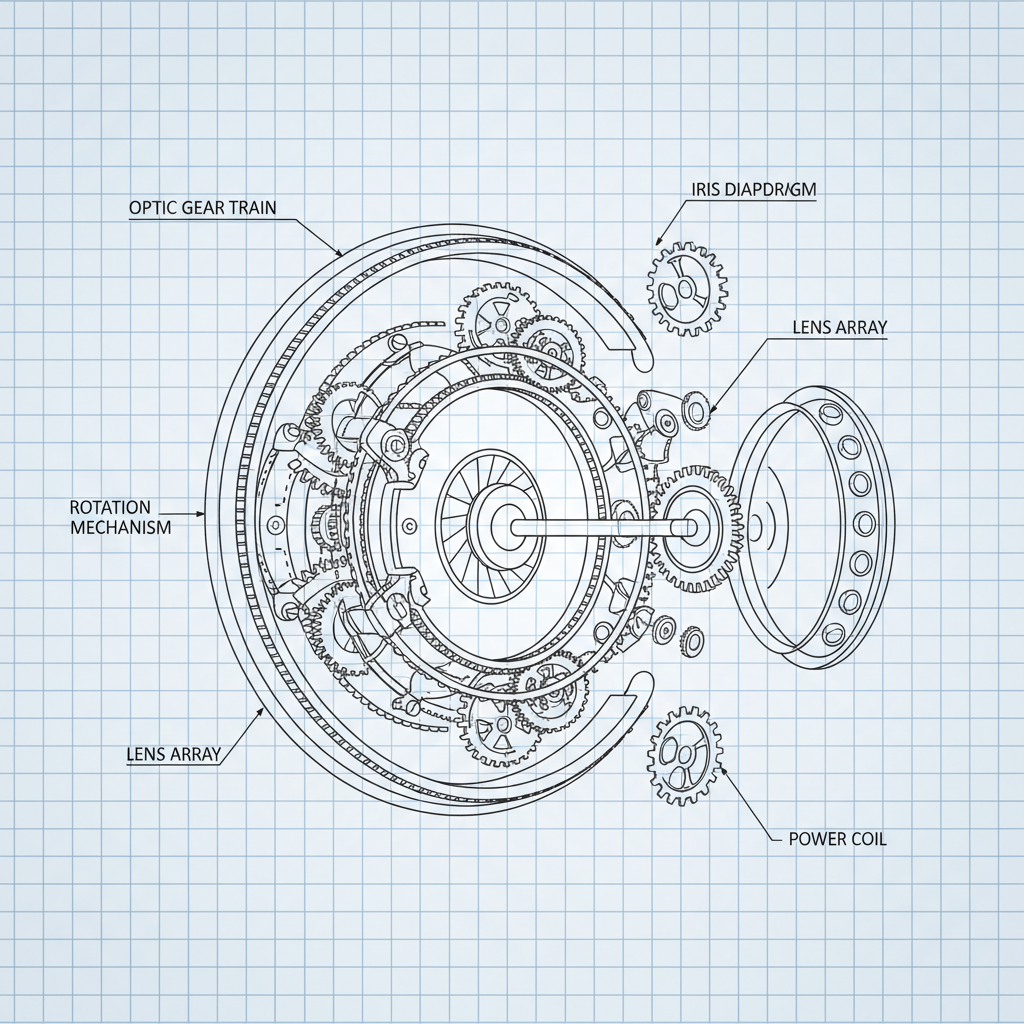
An eye wheel is a circular component featuring a series of precisely engineered teeth around its circumference. These teeth interact with a pawl, a pivoting component that engages with the teeth to allow for controlled, unidirectional rotation. The pawl prevents the wheel from rotating backward, enabling precise positioning and secure holding in applications requiring incremental movement. The principle behind its operation is relatively simple: the pawl ‘catches’ on a tooth, advancing the wheel with each stroke. This creates a ratcheting effect, essential in maintaining tension and preventing unwanted rollback. ZProllerCoaster specializes in providing high-quality eye wheels for demanding applications.
Key Features: Precise tooth geometry, robust construction, smooth operation, and reliable unidirectional control.
Applications of Eye Wheels in Roller Coasters
Eye wheels are integral to the safety and functionality of roller coasters. They are commonly used in lift hill mechanisms, providing a secure method for raising trains to the initial drop. The eye wheel ensures the chain or cable doesn't slip, preventing the train from rolling backward. Additionally, they’re implemented in braking systems, allowing for controlled deceleration and stopping. The precise and reliable operation of eye wheels is paramount for maintaining passenger safety. Their role extends to block brake systems, where they help maintain train spacing throughout the ride’s course. Explore our range of eye wheels designed specifically for amusement park applications.
Key Applications:
• Lift Hill Mechanisms
• Braking Systems
• Block Brake Systems
• Cable Tensioning Systems
Eye Wheel Materials and Manufacturing Processes
Eye wheels are typically manufactured from high-strength steel alloys to withstand the significant loads and stresses inherent in roller coaster operations. The manufacturing process often involves precision machining, heat treatment, and quality control inspections. The choice of material and manufacturing technique is critical to ensure the wheel's durability, reliability, and resistance to wear and fatigue. Common materials include alloy steel, hardened stainless steel, and specialized high-strength alloys. The teeth are usually formed through gear cutting, hobbing, or forging, followed by meticulous finishing to achieve the required precision. Learn more about our manufacturing capabilities.
Maintenance and Inspection of Eye Wheels
Regular maintenance and inspection are crucial to ensure the longevity and safe operation of eye wheels. Inspections should include checking for wear on the teeth, cracks, and any signs of deformation. Lubrication is also essential to reduce friction and prevent corrosion. A preventative maintenance schedule, based on the manufacturer's recommendations and operating conditions, should be implemented. Early detection of any issues can prevent catastrophic failures and minimize downtime. Contact us for maintenance guides and support.
Selecting the Right Eye Wheel for Your Application
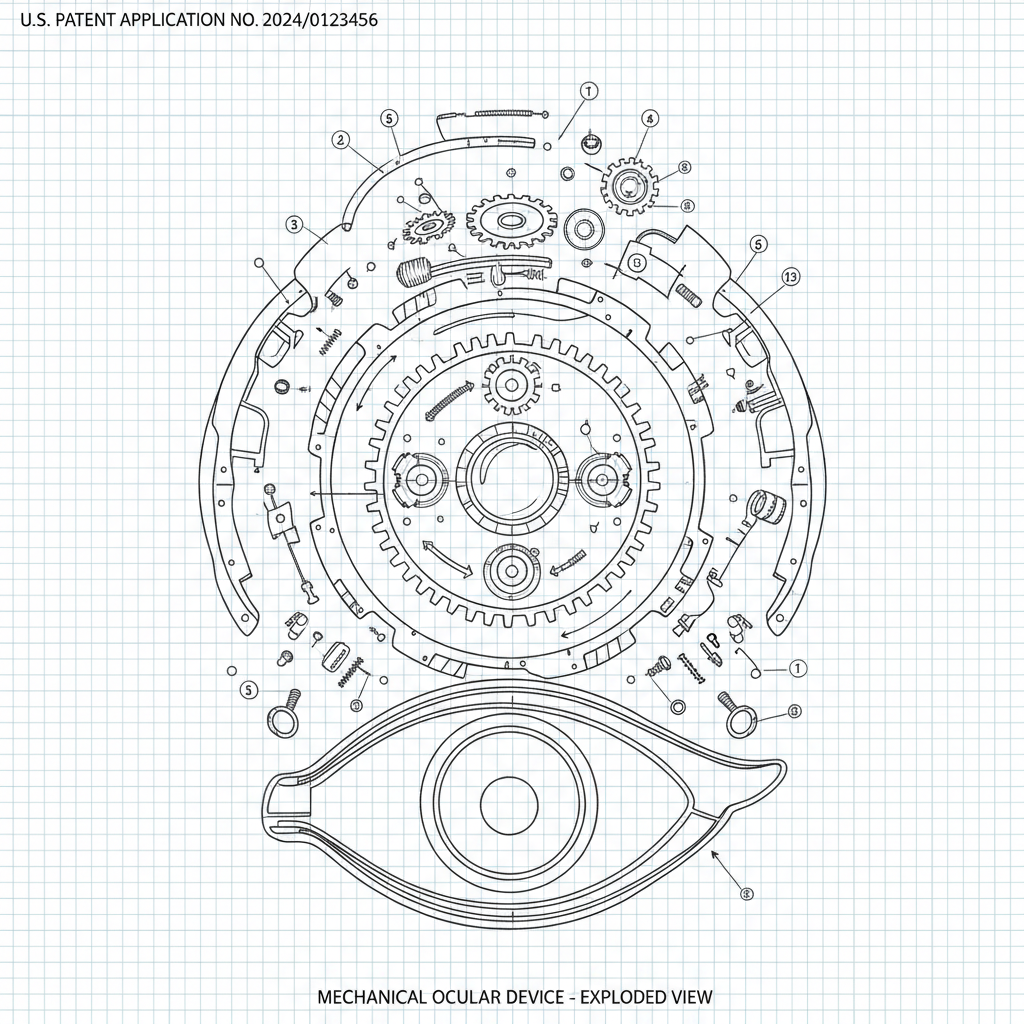
Choosing the appropriate eye wheel depends on several factors, including the load requirements, operating speed, environmental conditions, and desired level of precision. It's crucial to consider the wheel's diameter, tooth profile, material, and manufacturing quality. Consulting with experienced engineers and suppliers like ZProllerCoaster can help ensure you select the optimal eye wheel for your specific needs, maximizing safety and performance.
Conclusion: Ensuring Safe and Reliable Operation with Quality Eye Wheels
The eye wheel is a critical component in a wide range of mechanical systems, especially those found in the demanding environment of amusement parks. Choosing high-quality, properly maintained eye wheels is vital for ensuring safety, reliability, and efficient operation. By understanding their function, materials, and maintenance requirements, you can optimize performance and minimize the risk of failures.
Frequently Asked Questions (FAQs)
What is the typical lifespan of an eye wheel in a roller coaster application?
The lifespan of an eye wheel in a roller coaster application varies depending on usage frequency, load, environmental conditions, and maintenance practices. Typically, with regular inspection and lubrication, an eye wheel can last between 5 to 10 years. However, more frequent replacement may be necessary in high-stress applications or harsh environments. Regular visual inspections for wear and tear are crucial. Preventative maintenance, including cleaning and lubrication, can significantly extend the wheel's operational life.
How often should I inspect an eye wheel?
Eye wheels should be inspected at least monthly, and ideally before each operational cycle in high-demand applications. Inspections should focus on checking for any signs of wear on the teeth, cracks, deformation, or damage to the mounting hardware. Pay close attention to areas prone to stress concentration. Keep a detailed inspection log to track any changes over time and identify potential issues before they escalate. Detailed inspection guidelines are available from ZProllerCoaster.
What type of lubricant is recommended for eye wheels?
The recommended lubricant depends on the operating environment and the material of the eye wheel. Generally, a high-quality, extreme-pressure (EP) grease is preferred. This type of grease provides excellent protection against wear, corrosion, and shock loading. Avoid lubricants that contain solid additives that can accumulate and cause abrasive wear. Consult the manufacturer's specifications for the specific lubricant recommendation for your eye wheel model. Regular relubrication is key to maintaining optimal performance.
What should I do if I notice a cracked eye wheel?
If you discover a cracked eye wheel, immediately remove it from service. Continuing to operate with a cracked wheel can lead to catastrophic failure, potentially causing significant damage and posing a safety hazard. Replace the cracked wheel with a new one of the same specifications. Investigate the cause of the crack to prevent recurrence. Factors contributing to cracking may include excessive loading, fatigue, or material defects. Contact ZProllerCoaster for expert advice and replacement options.
-
Ethiopian governmentApr.12,2024
-
On March 20-22Apr.12,2024
-
Comprehensive Guide to Choosing the Perfect sightseeing wheelApr.16,2026
-
Guide to Choosing a Roller Coaster and Ferris Wheel for Your ParkApr.09,2026
-
Find Your Perfect Portable Ferris Wheel for Sale and Elevate EntertainmentApr.07,2026
-
The Captivating World of Portable Ferris Wheels and Event EntertainmentApr.04,2026