
Guide to Choosing a Roller Coaster and Ferris Wheel for Your Park
The Ultimate Guide to Choosing a Roller Coaster and Ferris Wheel for Your Park
Creating a world-class amusement park requires a strategic balance between adrenaline-pumping thrills and serene, scenic views. The combination of a roller coaster and ferris wheel serves as the heartbeat of any carnival or theme park, attracting a diverse demographic of visitors. While one offers the high-speed excitement that teenagers and thrill-seekers crave, the other provides a timeless family experience and a landmark visual for the city skyline. In this guide, we will explore the technical differences, investment values, and operational requirements for these two iconic attractions to help you maximize your park's ROI.
The Thrill Factor: Engineering the Perfect Roller Coaster
Roller coasters are the primary magnets for youth audiences. Modern engineering allows for a variety of types, from traditional wooden coasters to inverted steel tracks and hyper-coasters. The key to a successful ride lies in the G-force management and the "airtime" experienced by the riders. When integrating a roller coaster and ferris wheel into your layout, the coaster usually takes up the most space and requires a dedicated safety team. High-quality steel coasters offer smoother rides and lower long-term maintenance costs compared to wood, making them a preferred choice for commercial operators.
Pro Tip: Focus on "Theming." A coaster with a compelling story and immersive surroundings can increase ticket sales by up to 30% compared to a generic track.
The Scenic Appeal of the Ferris Wheel
Unlike the chaos of a coaster, the Ferris wheel represents stability and observation. It acts as a visual anchor for your park, visible from miles away, which serves as a natural advertisement. From a business perspective, Ferris wheels have a broader appeal, catering to elderly guests and families with small children who may be intimidated by high speeds. When planning your roller coaster and ferris wheel installation, the wheel should be placed at the perimeter of the park to provide a panoramic view of the entire attraction layout.
Comparing Roller Coaster and Ferris Wheel Dynamics
Understanding the operational difference between these two attractions is crucial for staffing and budgeting. A roller coaster focuses on throughput speed (how many people per hour), whereas a Ferris wheel focuses on experience duration. Below is a detailed comparison to help you understand the resource allocation required for each.
Technical Specifications for Amusements
When ordering a roller coaster and ferris wheel, the technical specifications determine the safety and longevity of the ride. Steel grade, motor torque, and braking systems are the three most critical components. Most modern parks are moving toward automated PLC systems to control ride sequences, which significantly reduces human error and enhances passenger safety. Below are common industry specifications for mid-sized attractions.
Safety Standards for Roller Coaster and Ferris Wheel Operations
Safety is the non-negotiable foundation of the amusement industry. For any roller coaster and ferris wheel operation, daily inspections are mandatory. This includes checking the structural integrity of the welds, testing the restraint systems, and verifying the emergency stop triggers. We recommend implementing a Preventative Maintenance Schedule (PMS) to avoid unexpected downtime during peak seasons. Regular non-destructive testing (NDT) ensures that microscopic cracks are found before they become critical failures, ensuring guests' peace of mind.
Maximizing ROI through Strategic Placement
The layout of your park can directly impact the spending habits of your guests. By placing the high-intensity ride (the coaster) near the food courts and merchandise shops, you capitalize on the "adrenaline rush" which often leads to impulse purchases. Conversely, placing the ferris wheel near the entrance creates a welcoming atmosphere and an immediate "wow" factor. A balanced distribution of these attractions prevents congestion and ensures a smooth flow of traffic throughout the venue.
Conclusion: Building the Future of Entertainment
Investing in a high-quality roller coaster and ferris wheel is more than just buying equipment; it is about creating memories. By balancing the extreme thrills of the coaster with the scenic elegance of the wheel, park owners can ensure a wide demographic appeal and sustainable revenue growth. Always prioritize safety and professional engineering to build a landmark attraction that stands the test of time.
Frequently Asked Questions (FAQs)
Which is more profitable: a roller coaster or a Ferris wheel?
Profitability depends on your target market. Roller coasters typically have higher ticket prices and attract a larger volume of repeat visitors seeking thrills. However, Ferris wheels often have lower operational costs, lower insurance premiums, and a much broader appeal (from toddlers to seniors). For a balanced park, having both is the most profitable strategy as it captures all segments of the market, ensuring that no guest is left without an activity they enjoy.
How long does it take to install a professional roller coaster and ferris wheel?
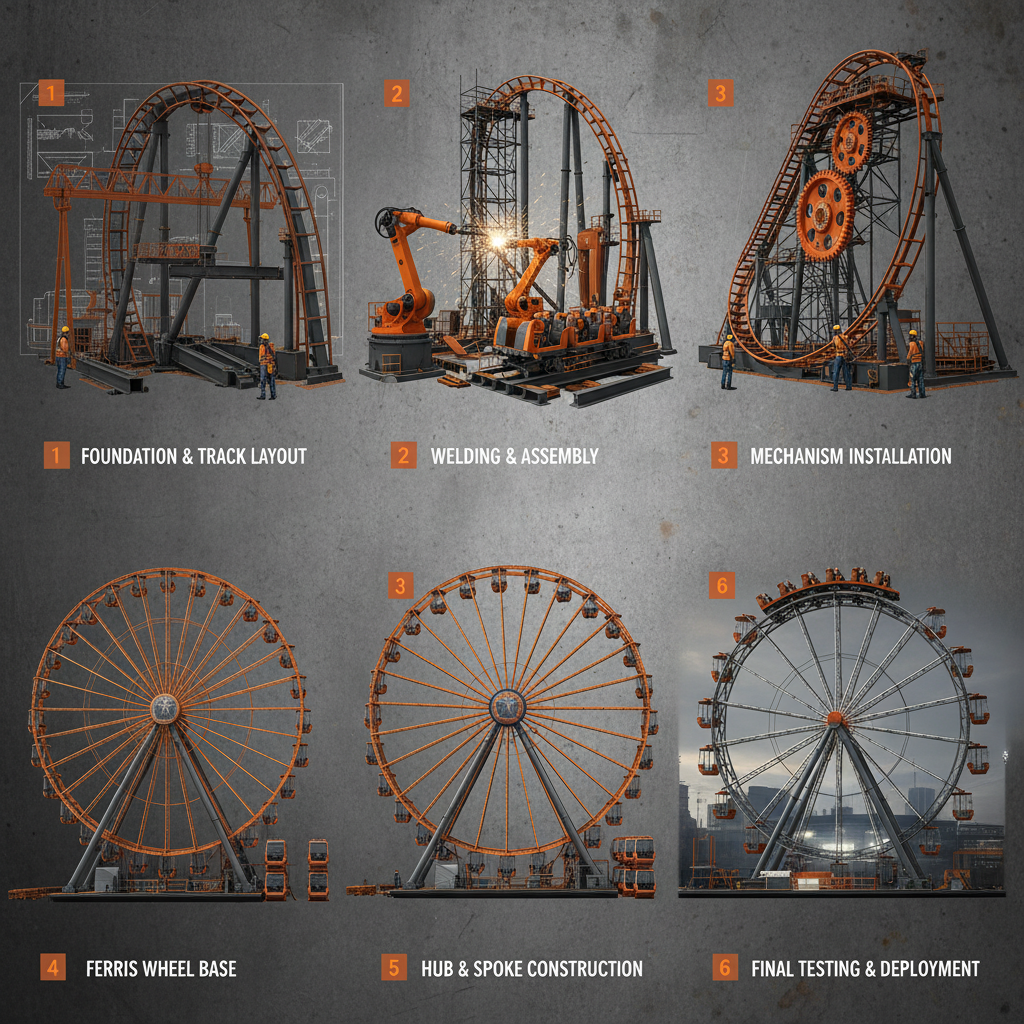
The timeline varies based on the scale of the ride. A standard Ferris wheel can typically be installed within 2 to 4 months, including foundation work. A roller coaster is more complex, often taking 6 months to over a year depending on the track length and complexity. This includes design, off-site fabrication, on-site assembly, and a rigorous testing phase. Working with a professional manufacturer like ZP Roller Coaster ensures a streamlined process from blueprint to opening day.
What are the primary safety certifications I should look for?
When investing in amusement rides, look for certifications such as TUV (Technischer Überwachungsverein), ASTM International (American Society for Testing and Materials), and CE (Conformité Européenne). These certifications guarantee that the ride has been engineered to meet strict global safety and quality standards. A certified ride not only protects your guests but also simplifies the process of obtaining insurance and local government operating permits, reducing your legal risk significantly.
Can I customize the theme of my rides?
Absolutely. Customization is key to standing out in a competitive market. You can customize the color schemes, the lighting (LED packages for night rides), and the surrounding landscaping. Many operators also add themed queuing areas and audio-visual effects to enhance the experience. Customizing your roller coaster and ferris wheel allows you to align the attractions with your park's overall brand, creating a cohesive and immersive environment for your visitors.