
Exploring the World of La Ferris Wheel History Engineering and Innovations
Exploring the World of La Ferris Wheel
The La Ferris Wheel is more than just an amusement park ride; it’s an experience. Standing tall and offering breathtaking views, these modern marvels have become iconic features in cities worldwide. Whether you're a thrill-seeker, a family looking for a memorable outing, or simply a visitor wanting a panoramic perspective, a La Ferris Wheel ride provides an unforgettable moment. This article will delve into the history, engineering, safety, and modern innovations surrounding these captivating attractions. We'll explore what makes a La Ferris Wheel a must-visit destination and how Z Proller Coaster contributes to creating world-class Ferris wheel experiences.
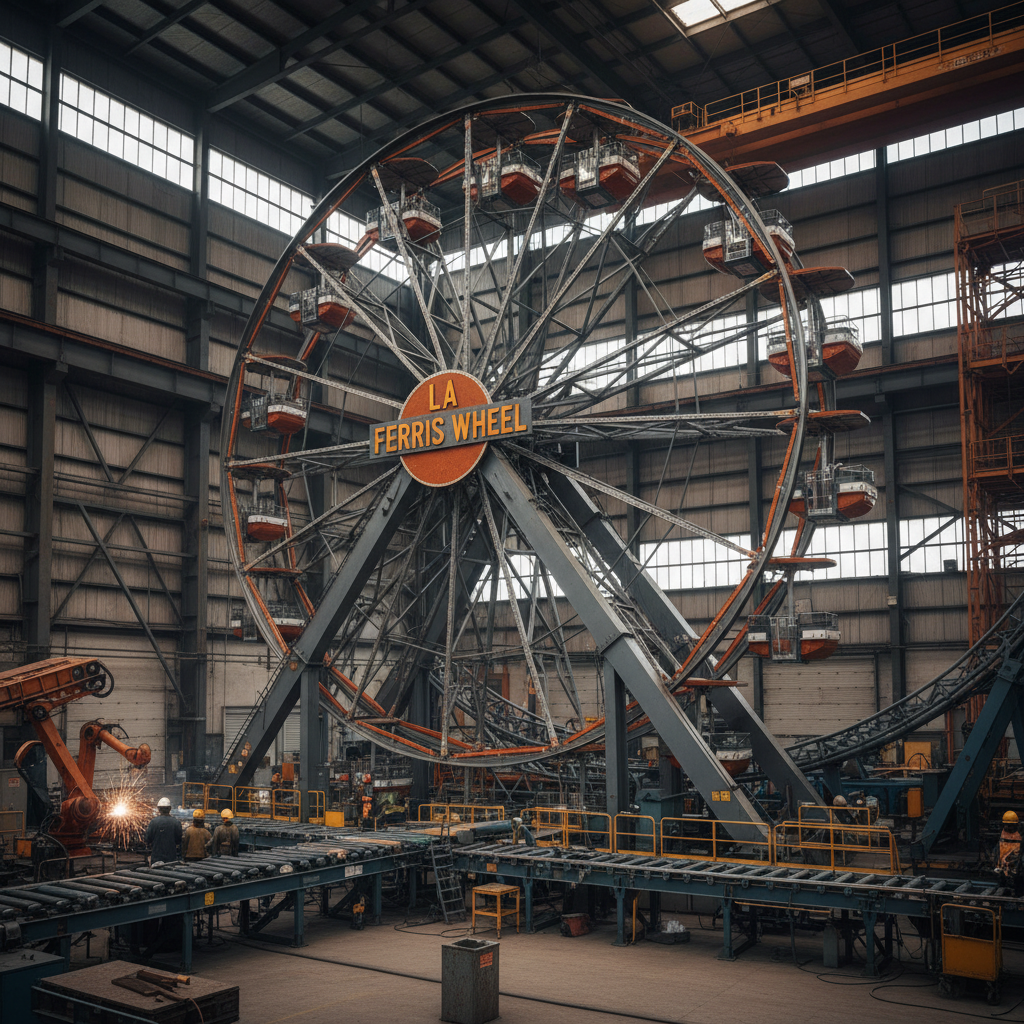
A Brief History of the La Ferris Wheel
The story of the Ferris wheel began with George Washington Gale Ferris Jr., an American civil engineer. He was tasked with creating a centerpiece attraction for the 1893 World’s Columbian Exposition in Chicago. Inspired by the Parisian Grande Roue de Paris, Ferris designed a wheel that was even larger and more impressive. Standing at 264 feet (80.4 meters) tall, it could carry over 2,160 passengers in 36 cars. The original Ferris wheel was a triumph of engineering and quickly became the star of the Exposition, attracting millions of visitors. Though dismantled after the fair, its legacy paved the way for the modern La Ferris Wheel attractions we enjoy today.
Key Milestone: The original 1893 Ferris Wheel in Chicago was a groundbreaking achievement, setting the standard for large-scale observation wheels.
Engineering and Design of Modern La Ferris Wheels
Modern La Ferris Wheels are significantly more advanced than their 19th-century predecessors. They incorporate sophisticated engineering principles and materials to ensure safety, stability, and a smooth ride. The structures rely on a large central hub, sturdy spokes, and passenger cars that are often enclosed and climate-controlled. Key features include advanced braking systems, redundant safety mechanisms, and computer-controlled operations. The latest designs often feature LED lighting, enhancing their visual appeal, and providing stunning nighttime displays. Z Proller Coaster specializes in creating innovative and structurally sound Ferris wheel designs that prioritize passenger experience and safety.
Essential Engineering Aspects:
• Structural Integrity: Utilizing high-strength steel and reinforced concrete.
• Advanced Braking Systems: Ensuring smooth and safe stopping.
• Redundant Safety Mechanisms: Providing multiple layers of protection.
• Computer-Controlled Operations: Precision and efficiency in operation.
La Ferris Wheel Safety Standards and Regulations
Safety is paramount in the design and operation of La Ferris Wheels. These attractions are subject to rigorous safety standards and regulations imposed by national and international organizations. Regular inspections, maintenance, and operator training are essential to ensure passenger safety. Load testing, stress analysis, and non-destructive testing methods are employed to identify potential structural weaknesses. Emergency procedures, including evacuation plans, are also carefully developed and regularly practiced. Z Proller Coaster adheres to the highest safety standards and works closely with regulatory bodies to ensure all installations meet or exceed required guidelines.
The La Ferris Wheel Experience: Modern Innovations
Today's La Ferris Wheels are designed to offer more than just a ride; they provide a comprehensive entertainment experience. Many incorporate features such as climate-controlled cabins, interactive displays, and even in-car dining. Some wheels are integrated with shopping and entertainment complexes, making them destinations in themselves. LED lighting shows and special event programming further enhance the appeal. Z Proller Coaster is at the forefront of these innovations, offering custom solutions to create truly immersive and memorable La Ferris Wheel experiences.
La Ferris Wheel: Global Landmarks and Destinations
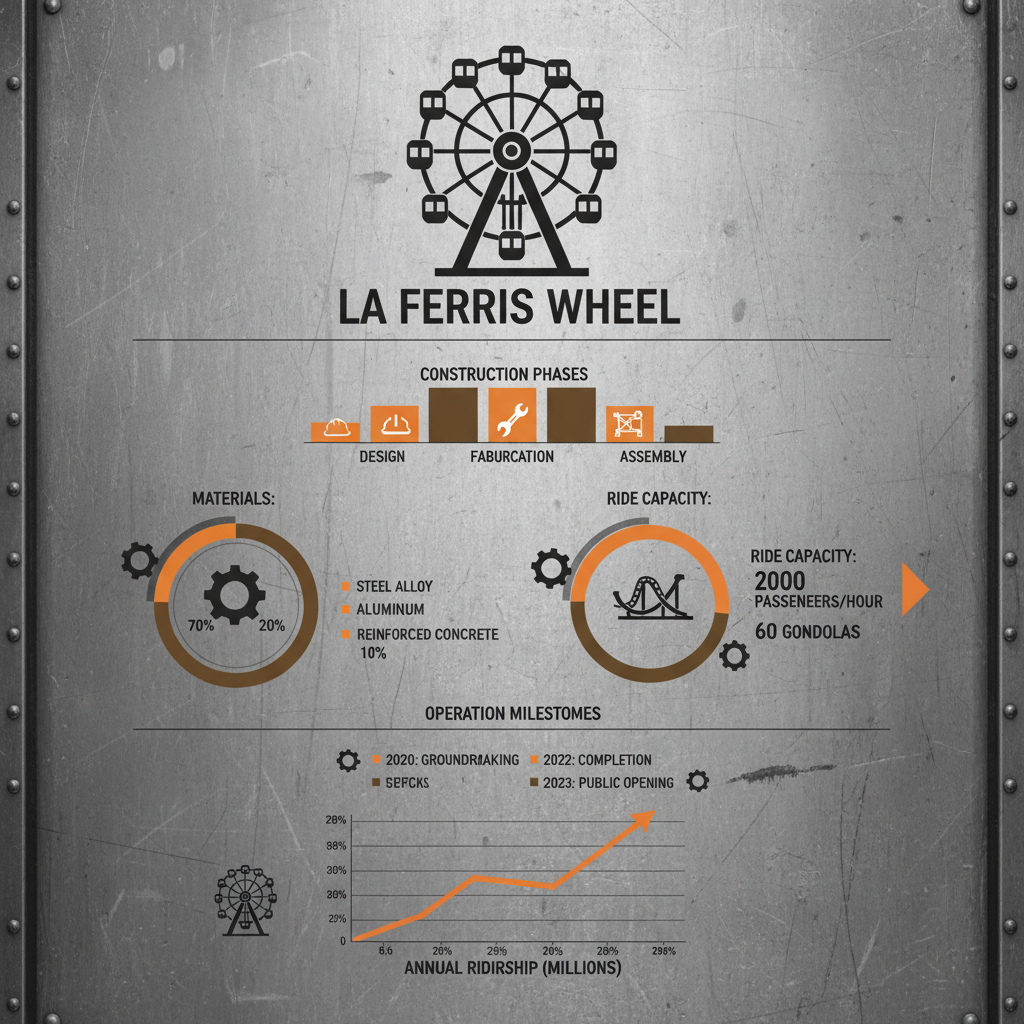
La Ferris Wheels have become iconic landmarks in cities around the world. The High Roller in Las Vegas, the London Eye in the UK, and the Singapore Flyer are just a few examples of these impressive attractions. They draw millions of visitors each year, contributing to local tourism and economies. Each wheel offers a unique perspective on its surrounding cityscape, providing unforgettable views and photo opportunities. Z Proller Coaster is proud to contribute to the creation of these world-class landmarks.
Conclusion: The Enduring Appeal of La Ferris Wheel
The La Ferris Wheel continues to captivate audiences worldwide, blending history, engineering, and entertainment. Its evolution reflects a commitment to safety, innovation, and the creation of memorable experiences. Whether you're seeking adventure, breathtaking views, or a unique perspective on a city, the La Ferris Wheel remains a timeless attraction.
Frequently Asked Questions (FAQs)
What is the typical height of a modern La Ferris Wheel?
Modern La Ferris Wheels vary greatly in height, but many fall within the range of 40 to 80 meters (131 to 262 feet). However, some, like the High Roller in Las Vegas, exceed 167 meters (548 feet). The height is determined by several factors, including location, design goals, and budget. The height offers progressively more spectacular views but also requires more robust engineering and construction techniques.
How long does a typical La Ferris Wheel ride last?
A complete rotation on a typical La Ferris Wheel takes between 20 and 30 minutes. The ride duration is carefully calculated to provide passengers with ample time to enjoy the views and experience the full circuit. The speed of rotation is often adjusted based on passenger load and weather conditions. Some wheels also offer multiple rotation cycles during a single ride.
Are La Ferris Wheels accessible to people with disabilities?
Most modern La Ferris Wheels are designed with accessibility in mind. They typically offer cabins that are wheelchair-accessible, with wider doors and secure tie-down points. Additionally, operators provide assistance to passengers with mobility impairments, ensuring a safe and enjoyable experience for everyone. It is always recommended to check with the specific Ferris wheel operator regarding accessibility features and assistance available.
What are the weather restrictions for riding a La Ferris Wheel?
La Ferris Wheels generally operate in most weather conditions, but certain restrictions apply for safety reasons. Operations are typically suspended during severe thunderstorms, high winds, and lightning. The maximum wind speed allowed for operation varies depending on the wheel’s design and local regulations. Operators closely monitor weather forecasts and take appropriate precautions to ensure passenger safety.
-
Ethiopian governmentApr.12,2024
-
On March 20-22Apr.12,2024
-
Comprehensive Guide to Choosing the Perfect sightseeing wheelApr.16,2026
-
Guide to Choosing a Roller Coaster and Ferris Wheel for Your ParkApr.09,2026
-
Find Your Perfect Portable Ferris Wheel for Sale and Elevate EntertainmentApr.07,2026
-
The Captivating World of Portable Ferris Wheels and Event EntertainmentApr.04,2026